I will praise Him!

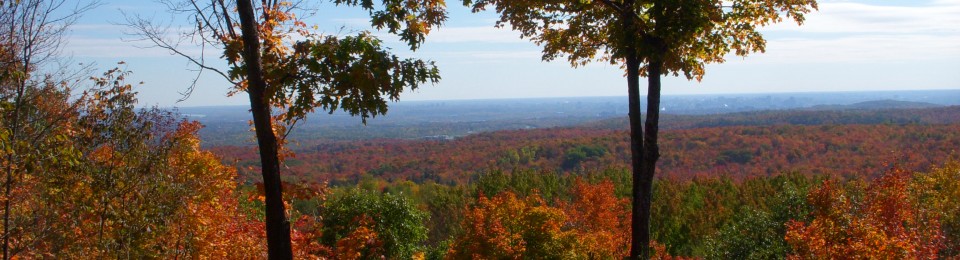
The grounds of Government House, Victoria, BC — photo by David Kitz
11 Sunday Jun 2017
The grounds of Government House, Victoria, BC — photo by David Kitz
22 Wednesday Feb 2017
Tags
Creator, identity, Jesus, Ottawa ON, pilgrim, pilgrimage, pilgrims, praise, Rideau Canal, Rideau Canal Skateway, the LORD, worship
Reading: Psalm 134
A song of ascents.
Praise the LORD, all you servants of the LORD
who minister by night in the house of the LORD.
Lift up your hands in the sanctuary
and praise the LORD.
May the LORD bless you from Zion,
he who is the Maker of heaven and earth (NIV).
Reflection
This is the fifteenth and final psalm in the Songs of Ascent series. In reality, this psalm is the pilgrims’ farewell offering of worship to the LORD. After a week or more in Jerusalem, the time has arrived for the pilgrims to return to their homes. But on the evening before they set out on the return journey, they make one last visit to Mount Zion and the great Temple of the LORD. There they lift their hands in praise to the God of Israel. Early next morning, they will begin the arduous journey back home. But for now, it’s time to bless the LORD and offer thanks.

Skaters on the Rideau Canal, Ottawa, ON — photo by David Kitz
It is likely that the twelve-year-old Jesus sang this psalm with his parents on the final evening of their Passover pilgrimage to Jerusalem. On the following day the family departed for Nazareth where Joseph would resume his trade as a carpenter. When they left the next morning, they assumed Jesus was traveling with them in the large company of other pilgrims from their hometown. See Luke 2:41-52.
Typically, we read this account of the lost twelve-year-old Jesus from the viewpoint of a parent. We identify with the stress of losing a child in a big city. We would title this story, “Mary and Joseph find lost Jesus.” But the story reads quite differently, when we view it from the perspective of a child trying to discover who he really is. Viewed from Jesus’ perspective the title of the story might well be, “Lost Boy finds Himself” or “Lost Boy Discovers His Divinity.”
How did Jesus discover he was the son of God? Some believers might well reason that the answer is obvious. Jesus is God; therefore, he is omniscient. The all-knowing Jesus would surely know that he was God’s son. But many theologians would beg to differ. They view the humanity of Christ as all pervasive. Jesus was 100% human and as such he needed to learn and discover his identity even as any child does.
If through the incarnation Jesus fully took on humanity, then the boy Jesus needed to discover his divine identity. It may have been written into every fibre of his being, but he still needed to discover it, just as any young musical prodigy needs to explore and discover his or her gift. All divine gifts must be discovered and developed to reach their maximum potential.
How do we discover our true identity? From the account in Luke, it would appear that the boy Jesus discovered his true identity in the House of God. Perhaps it began as he lifted his hands in worship. We cannot fully discover who we are until we discover who God is. We must know our Creator to know ourselves. Self-understanding begins with knowing whose we are. You and I belong to the Father.
Response: Father God, I thank you for loving me and inviting me into your family. Lord Jesus, thank you for purchasing my redemption. Holy Spirit, I thank you for the confirmation that I am your child. Amen.
Your Turn: Do you know who you are? How is God the Father shaping your identity?
01 Wednesday Feb 2017
Tags
Israel, Jerusalem, Landestreu, peace, pilgrim, pilgrimage, prosperity, Psalms of Ascent, shalom, the LORD
Reading: Psalm 122
A song of ascents. Of David.
I rejoiced with those who said to me,
“Let us go to the house of the LORD.”
Our feet are standing in your gates, Jerusalem.
Jerusalem is built like a city
that is closely compacted together.
That is where the tribes go up—
the tribes of the LORD—
to praise the name of the LORD
according to the statute given to Israel.
There stand the thrones for judgment,
the thrones of the house of David.
Pray for the peace of Jerusalem:
“May those who love you be secure.
May there be peace within your walls
and security within your citadels.”
For the sake of my family and friends,
I will say, “Peace be within you.”
For the sake of the house of the LORD our God,
I will seek your prosperity (NIV).
Reflection
This third psalm in the Song of Ascents series is a psalm of arrival. The pilgrims have arrived at Jerusalem the destination of their pilgrimage. The following statement makes it clear that the weary travelers have arrived: Our feet are standing in your gates, Jerusalem. Jerusalem is built like a city that is closely compacted together. That is where the tribes go up—the tribes of the LORD—to praise the name of the LORD according to the statute given to Israel.
Landestreu sunrise — photo courtesy of Donald Adam
It should be noted that this pilgrimage to Jerusalem was not merely an event for the occasional tourist. As the psalmist states, he came to praise the name of the LORD according to the statute given to Israel. In fact, this pilgrimage to the holy city was required according to the Law of Moses. Three times a year all your men are to appear before the Sovereign Lord, the God of Israel. I will drive out nations before you and enlarge your territory, and no one will covet your land when you go up three times each year to appear before the Lord your God (Deuteronomy 34-23-24).
Our Lord and Savior, Jesus Christ, frequently made this journey to fulfill the requirements of the Law. The first reference to this pilgrimage is found in the account of the twelve-year-old Jesus remaining in the city after his parents had left to return to Galilee (Luke 2:41-50). His last pilgrimage to celebrate the Passover ended with his crucifixion and resurrection.
With the psalmist we join in praying for the peace of Jerusalem, and peace within the church of God.
Response: Father God, we pray for your peace—the shalom of God. May your peace come to Jerusalem, and to all of Israel, and especially to all the followers of your dear son, Jesus. Amen.
Your Turn: Do you regularly pray for peace in the house of the LORD our God?
31 Tuesday Jan 2017
Tags
Dead Sea, Jericho, Jerusalem, journey, pilgrim, pilgrimage, Psalms, Psalms of Ascent, Songs of Ascent, stamina, strength, weary
Reading: Psalm 121
A song of ascents.
I lift up my eyes to the mountains—
where does my help come from?
My help comes from the LORD,
the Maker of heaven and earth.
He will not let your foot slip—
he who watches over you will not slumber;
indeed, he who watches over Israel
will neither slumber nor sleep.
The LORD watches over you—
the LORD is your shade at your right hand;
the sun will not harm you by day, nor the moon by night.
The LORD will keep you from all harm—
he will watch over your life;
the LORD will watch over your coming and going
both now and forevermore (NIV).
Reflection
Psalm 121 is the second Song of Ascents, and as such it was a psalm, which was intended for use by pilgrims as they journeyed to Jerusalem. This particular psalm was most often sung or chanted as the pilgrims set out from Jericho. As they lifted up their eyes, the sharply rising hill country of Judah stretched off into the distance. Hill after hill rose up before them. Jesus often made this journey.

Chapel of the Transfiguration, Grand Teton National Park — Photo courtesy of Matthew Taylor
This final portion of the pilgrimage was truly an ascent. From the Dead Sea plain the road to Jerusalem climbs nearly five thousand feet—1600 meters. This is truly an ascent—an ascent from the Dead Sea plain, the lowest point on earth’s surface, to the heights of Mount Zion.
For the bone-weary pilgrims, who had already walked more than one hundred kilometers (60 miles) from Galilee, the sight of those distant hills must have brought a measure of aching discouragement. Here was a looming challenge. Could they make this final ascent? The opening question of this psalm was not a matter of poetic whimsy. It was spoken in earnest. I lift up my eyes to the mountains—where does my help come from?
The weary pilgrim may well be asking, “Having come this far, can I complete this journey? Do I have enough energy—enough stamina to climb those hills? Will I be able to reach Zion? I am exhausted now—before I even start the ascent. I can’t do this on my own. Where does my help come from?”
The psalmist’s answer resounds off those ancient hills. Even today, it echoes down through the ages and reverberates through the chambers of the heart. My help comes from the LORD, the Maker of heaven and earth.
Response: Father God, I am on a lifelong journey—a pilgrimage to the heavenly Jerusalem. When I become weary, give me strength. I know my strength comes from you, LORD. Amen.
Your Turn: Do you need strength? Have you become weary at times in serving the Lord?
30 Monday Jan 2017
Tags
God, lament, peace, peace with God, pilgrim, pilgrimage, prodigal, Psalms, Psalms of Ascent, Savior
Reading: Psalm 120
A song of ascents.
I call on the LORD in my distress,
and he answers me.
Save me, LORD, from lying lips
and from deceitful tongues.
What will he do to you,
and what more besides,
you deceitful tongue?
He will punish you with a warrior’s sharp arrows,
with burning coals of the broom bush.
Woe to me that I dwell in Meshek,
that I live among the tents of Kedar!
Too long have I lived
among those who hate peace.
I am for peace;
but when I speak, they are for war (NIV).
Reflection
Psalm 120 is the first in a series of fourteen psalms that are called Songs of Ascent. Each psalm begins with this statement or title: A Song of Ascents. Some of the psalms also add this phrase: Of David.

The pilgrim’s journey — photo by David Kitz
Of course, this title begs the question, what are the Songs of Ascent? And furthermore, to what are we ascending? This compilation of fourteen psalms was composed for the use of pilgrims who were making their way to worship at the temple in Jerusalem. These are psalms of pilgrimage. They are called Songs of Ascent, or Psalms of Ascent, because Jerusalem is built on a high point in the land of Israel. Specifically, the temple compound was constructed at the summit of Mount Zion, so pilgrims were literally and figuratively ascending to worship at the House of God.
This first psalm in the series is really a lament. The psalmist is living in a distant place—a place far from God. All of us begin our pilgrimage—our journey to God—from a distant place. Just like the prodigal we find ourselves in a distant land, a land where there is no peace. Sin has its fleeting pleasures, but it brings no lasting peace, no deep contentment. We have wandered far from the Father’s warm embrace. The psalmist laments, “Woe to me that I dwell in Meshek, that I live among the tents of Kedar!”
The Songs of Ascent are all about drawing near to God. They are about going to the heart of worship and finding peace—true peace in the arms of God. But first we must recognize where we are. We are dwelling in Meshek—in a world far from the LORD. We need to acknowledge our true condition. Change happens when we recognize the truth about ourselves and our need for a Savior. Only then can we begin our journey toward peace.
Have faith in this promise. I call on the LORD in my distress, and he answers me.
Response: Father God, today I am continuing my journey toward you. Lord Jesus, I need you as my Savior. Help me set aside those things that hinder my journey to intimacy with you. Amen.
Your Turn: Are you living in Meshek? Have you begun your pilgrimage to arms of the Father?
 I love the Psalms