• Home
  • About
  • DavidKitz.ca
  • Youtube Videos
  • Books by David
  • Books on Amazon.com

I love the Psalms

~ Connecting daily with God through the Psalms

I love the Psalms

Tag Archives: gospel

The Parable of the Net

27 Wednesday May 2026

Posted by Victor Uduh in Psalm 69, Psalms

≈ Leave a comment

Tags

Choose Righteousness, Come To Jesus, Discernment And Wisdom, gospel, gospel reading, Jesus, Kingdom Growth, Kingdom Worth Pursuing, Psalms, Seeking The Kingdom, Spiritual Accountability, spiritual growth, The Final Separation, The Great Harvest, Turn To Christ

Today’s quote and prayer from
“Psalms 365: Develop a Life of Worship and Prayer
”


Today’s
Reading:
Psalm 69:19-28 (NIV)*

Listen to today’s reading by Jonathan Dent:

https://davidkitz.blog/wp-content/uploads/2026/05/ps-6919-28-mix-1final2.mp3

LORD Jesus,
you suffered rejection on my behalf.
Help me be faithful to you
when the world mocks you.
Help me stand true.
Give me courage through the power
of your Holy Spirit.
Amen.

   — — — —

Gospel Reading:
The Parable of the Net

“Once again,
the kingdom of heaven is like a net that was let down
into the lake and caught all kinds of fish.
When it was full, the fishermen pulled it up on the shore.
Then they sat down and collected the good fish in baskets,
but threw the bad away.
This is how it will be at the end of the age.
The angels will come and separate the wicked from the righteous
and throw them into the blazing furnace,
where there will be weeping and gnashing of teeth.

“Have you understood all these things?” Jesus asked.

“Yes,” they replied.

He said to them,
“Therefore every teacher of the law
who has become a disciple in the kingdom of heaven
is like the owner of a house
who brings out of his storeroom new treasures as well as old.”
(Matthew 13:47-52).

* * *

Dear children,
let us not love with words or speech
but with actions and in truth.

(1 John 3:18 NIV)

Para la publicación de Salmos 365 de hoy en español haga clic aquí.

bgbg_v4.3_1501818
* NEW INTERNATIONAL VERSION, COPYRIGHT ©1973, 1978, 1984, 2011 BY BIBLICA

Pray for peace in Israel, Iran and the Middle East
and continue to pray for peace to return
to Ukraine and Russia!

Volume I of Psalms 365: Develop a Life of Worship and Prayer won the Best Book of the Year Award from The Word Guild and Volume II has won the Best Devotional of the Year Award. For those who love God’s word, this three-book series is an ideal way to daily meet with the Lord. To purchase or for a closer look click here.

New from David Kitz.

To view further details or purchase click here.

The Parables of the Hidden Treasure and the Pearl

26 Tuesday May 2026

Posted by Victor Uduh in Psalm 69, Psalms

≈ Leave a comment

Tags

Choose Righteousness, Choosing What Matters Most, Come To Jesus, Discernment And Wisdom, Eternal Value, gospel, gospel reading, Hidden Treasure, Jesus, Kingdom Growth, Kingdom Truth, Kingdom Worth Pursuing, Psalms, Seeking The Kingdom, spiritual growth, The Greatest Treasure, Treasure In Christ, Turn To Christ

Today’s quote and prayer from
“Psalms 365: Develop a Life of Worship and Prayer
”


Today’s
Reading:
Psalm 69:13-18 (NIV)*

Listen to today’s reading by Jonathan Dent:

https://davidkitz.blog/wp-content/uploads/2026/05/ps-6913-18-mix-1final.mp3

LORD God,
favor me. Show up in your perfect timing.
I need you now. I need you always.
You know best. Teach me patience and grant me peace.
Answer me with your sure salvation.
Amen.

   — — — —

Gospel Reading:
The Parables of the Hidden Treasure and the Pearl

“The kingdom of heaven is like treasure hidden in a field.
When a man found it, he hid it again,
and then in his joy went and sold all he had
and bought that field.

“Again,
the kingdom of heaven is like a merchant looking for fine pearls.

When he found one of great value,
he went away and sold everything he had and bought it.
(Matthew 13:44-46).

* * *

Dear children,
let us not love with words or speech
but with actions and in truth.

(1 John 3:18 NIV)

Para la publicación de Salmos 365 de hoy en español haga clic aquí.

bgbg_v4.3_1501818
* NEW INTERNATIONAL VERSION, COPYRIGHT ©1973, 1978, 1984, 2011 BY BIBLICA

Pray for peace in Israel, Iran and the Middle East
and continue to pray for peace to return
to Ukraine and Russia!

Volume I of Psalms 365: Develop a Life of Worship and Prayer won the Best Book of the Year Award from The Word Guild and Volume II has won the Best Devotional of the Year Award. For those who love God’s word, this three-book series is an ideal way to daily meet with the Lord. To purchase or for a closer look click here.

New from David Kitz.

To view further details or purchase click here.
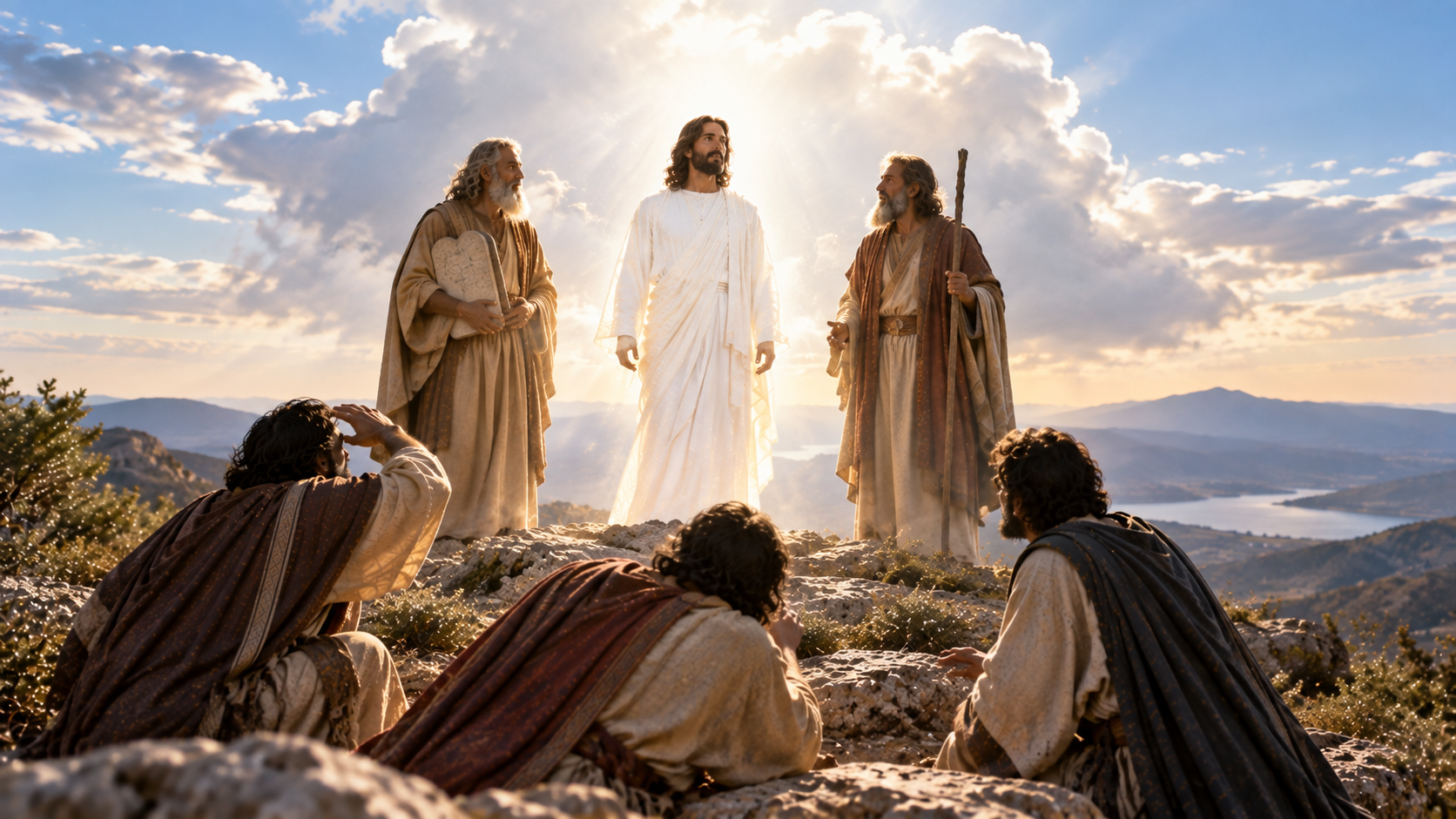
The Parable of the Weeds Explained

25 Monday May 2026

Posted by Victor Uduh in Psalm 69, Psalms

≈ 1 Comment

Tags

Called By Christ, Choose Righteousness, Come To Jesus, Discernment And Wisdom, Eternal Hope, God’s Perfect Timing, Good Seed, gospel, gospel reading, Jesus, Judgment And Justice, Kingdom Growth, Kingdom Separation, Kingdom Truth, Living God’s Will, Psalms, spiritual growth, Turn To Christ

Today’s quote and prayer from
“Psalms 365: Develop a Life of Worship and Prayer
”


Today’s
Reading:
Psalm 69:6-12 (NIV)*

Listen to today’s reading by Jonathan Dent:

https://davidkitz.blog/wp-content/uploads/2026/05/ps-696-12-mix-2final.mp3

LORD God,
give me a zeal for your house and your presence.
As the months and years roll by,
I want my values to be reflected in my actions
and my passion for you.
Replace my lukewarm heart with a burning desire
to know and love you.
Amen.

   — — — —

Gospel Reading:
The Parable of the Weeds Explained

Then he left the crowd and went into the house.
His disciples came to him and said,
“Explain to us the parable of the weeds in the field.”

He answered,
“The one who sowed the good seed is the Son of Man.
The field is the world,
and the good seed stands for the people of the kingdom.
The weeds are the people of the evil one,

and the enemy who sows them is the devil.
The harvest is the end of the age,
and the harvesters are angels.

“As the weeds are pulled up and burned in the fire,
so it will be at the end of the age.

The Son of Man will send out his angels,
and they will weed out of his kingdom
everything that causes sin and all who do evil.

They will throw them into the blazing furnace,
where there will be weeping and gnashing of teeth.

Then the righteous will shine like the sun
in the kingdom of their Father.
Whoever has ears, let them hear.
(Matthew 13:36-43).

* * *

Dear children,
let us not love with words or speech
but with actions and in truth.

(1 John 3:18 NIV)

Para la publicación de Salmos 365 de hoy en español haga clic aquí.

bgbg_v4.3_1501818
* NEW INTERNATIONAL VERSION, COPYRIGHT ©1973, 1978, 1984, 2011 BY BIBLICA

Pray for peace in Israel, Iran and the Middle East
and continue to pray for peace to return
to Ukraine and Russia!

Volume I of Psalms 365: Develop a Life of Worship and Prayer won the Best Book of the Year Award from The Word Guild and Volume II has won the Best Devotional of the Year Award. For those who love God’s word, this three-book series is an ideal way to daily meet with the Lord. To purchase or for a closer look click here.

New from David Kitz.

To view further details or purchase click here.

James the Door Hinge for the Gentile World

24 Sunday May 2026

Posted by davidkitz in Books by David Kitz

≈ Leave a comment

Tags

Bible, Christ, Christianity, church, circumcision, faith, Gentiles, gospel, James, James the brother of Jesus, Jerusalem, Jesus, leadership, Paul, Peter, Scripture, speaking in tongues

James: the Lynchpin of Our Faith — Chapter 12 — Part II

Peter’s declaration in favor of grace for the Gentiles rather than the Mosaic Law was followed by the testimony of Paul and Barnabas:

The whole assembly became silent as they listened to Barnabas and Paul telling about the signs and wonders God had done among the Gentiles through them. (Acts 15:12)

Through their testimony, Barnabas and Paul persuasively reinforced the argument Peter had presented. The conversion of the Gentiles was God’s doing. He had initiated it through Peter and now was continuing that work through Barnabas and Paul. The proof of this was in “the signs and wonders God had done.” If God was opposed to the inclusion of the Gentiles in the Christian faith, there would be no signs and wonders as the gospel message was presented. Instead, miraculous signs and wonders accompanied the preaching of the gospel, giving it credence. Large numbers of Gentiles believed the message they heard because they witnessed demonstrations of God’s power.

Signs and wonders were an integral part of the spread of the gospel as recorded in the Book of Acts. (1) Certainly, the apostles viewed these wonders as a natural extension of Jesus’ ministry. According to Mark’s Gospel, after his resurrection Jesus predicted this bursting forth of the miraculous:

Later Jesus appeared to the Eleven as they were eating; he rebuked them for their lack of faith and their stubborn refusal to believe those who had seen him after he had risen. He said to them, “Go into all the world and preach the gospel to all creation. Whoever believes and is baptized will be saved, but whoever does not believe will be condemned. And these signs will accompany those who believe: In my name they will drive out demons; they will speak in new tongues; they will pick up snakes with their hands; and when they drink deadly poison, it will not hurt them at all; they will place their hands on sick people, and they will get well.” (Mark 16:14–18)

Furthermore, Jesus had promised his disciples that they would do even greater things than he had done.

Very truly I tell you, whoever believes in me will do the works I have been doing, and they will do even greater things than these, because I am going to the Father. And I will do whatever you ask in my name, so that the Father may be glorified in the Son. You may ask me for anything in my name, and I will do it. (John14:12–14)

As the apostles heard the testimony of Paul and Barnabas, they undoubtedly harkened back to the words of Jesus. God was at work claiming a people for Himself. The proof of this was in the manifestation of signs and wonders as the gospel was presented to the Gentiles, their positive response to the message, and the demonstrable presence of the Holy Spirit among them.

There are those who see substantial differences between Peter and Paul, but there are none on display here. The core of the gospel message they present is essentially the same: the door to salvation is open to all, Jew and Gentile, by grace through faith alone in the redeeming death and resurrection of Jesus Christ.

Together here at the Jerusalem Council, Peter and Paul present a united front. They act as a tag team delivering the decisive blows that demolished the argument in favor of circumcision and adherence to Mosaic Law. We see them work in cooperation with one another here at the Council and later out on the field.

We know their position carried the day due James’ response:

When they finished, James spoke up. “Brothers,” he said, “listen to me. Simon [Peter] has described to us how God first intervened to choose a people for his name from the Gentiles. The words of the prophets are in agreement with this, as it is written:

“‘After this I will return and rebuild David’s fallen tent. Its ruins I will rebuild, and I will restore it, that the rest of mankind may seek the Lord, even all the Gentiles who bear my name, says the Lord, who does these things’—things known from long ago.'” (See Amos 9:11–12.)

“It is my judgment, therefore, that we should not make it difficult for the Gentiles who are turning to God. Instead we should write to them, telling them to abstain from food polluted by idols, from sexual immorality, from the meat of strangled animals and from blood. For the law of Moses has been preached in every city from the earliest times and is read in the synagogues on every Sabbath.” (Acts 15:13–21)


From this account one clearly has the sense that James is presiding over this gathering or Council. He is providing oversight as the question is framed and opposing arguments are debated. At the conclusion of the debate, James states his position and renders his judgment on the matter. In this regard the Jerusalem Council proceedings resemble a court case with a presiding judge, namely James, pronouncing the final verdict.

There is no indication that this is a democratic assembly where a final vote on the motion is taken. Rather the Council follows the format of a judicial council, where the matter is considered and decided by a judge or overseer. This format was customary in both Jewish and Roman practise during this time and continues in various forms to this day.

In his statement James concurs with Peter’s testimony. In essence, he concludes that this is a decision that God has already made. “Simon has described to us how God first intervened to choose a people for his name from the Gentiles” (Acts 15:14). He then goes on to reinforce his position by quoting from the prophet Amos.

There are several Old Testament scriptures that predict the Gentiles will turn in faith to the God of Israel. Why did James choose to quote this particular passage?

First and foremost, the Amos passage captures the thought that the entry of the Gentiles into God’s kingdom is God’s idea. It is the Lord “who does these things.” What Peter had described was an intervention of God in bringing the Gentiles at the household of Cornelius to faith. Similarly, Paul and Barnabas described God’s intervention by means of signs and wonders as they preached the gospel to the Gentiles on their first missionary journey. So James concludes that the conversion of the Gentiles was God’s idea and indeed God’s doing.

The phrase “David’s fallen tent” also merits some consideration. Jesus was a direct descendant from the kingly line of David. James sees God’s intervention as restoring the rule of the Davidic dynasty through the eternal reign of King Jesus. As the brother of Jesus, James may well have seen himself as part of that Davidic line extending the kingdom of God on the earth. Again, this is God’s doing, and James finds himself in the pivotal role of opening wide the door to the Gentiles.

Having stated his position on the matter, James renders his verdict. “It is my judgment, therefore, that we should not make it difficult for the Gentiles who are turning to God” (Acts 15:19). The Greek word krino is translated here as judgment. In fact, krino is translated as judge or judgment eighty-seven times in the New Testament. (2) Most modern translations render krino as judgment; however, the traditional King James Version translates krino as sentence. “Wherefore my sentence is, that we trouble not them, which from among the Gentiles are turned to God” (Acts 15:19). By translating krino in this way, the King James translators highlight the magisterial role of James at the Council. He has declared his ruling on the matter.

There can be little doubt that James is viewed as the head of the church by all those present. He fulfills the role of chief executive officer. How do we know this? He has the undisputed final word on this crucial matter of faith, practice, and doctrine.

But one gets the sense that James was not heavy handed or dictatorial in reaching his decision. Through the discussion and a full airing of the matter, he was working to reach a consensus within the church. Evidence for this can be found in the actions that follow his ruling.

Then the apostles and elders, with the whole church, decided to choose some of their own men and send them to Antioch with Paul and Barnabas. They chose Judas (called Barsabbas) and Silas, men who were leaders among the believers. (Acts 15:22)

There was agreement among the apostles, the elders, and the whole church on this matter.

With his decision James secured the future of the church. Christianity would not remain as an obscure sect within Judaism. It would spread around the world and become a dominant force in world history through the next two millennia. His decision made possible the unhindered progress of the gospel in the Roman Empire and beyond.

James’ judgment puts truth to these words, which were sung about his brother Jesus and recorded in John’s Revelation:

And they sang a new song, saying:
“You are worthy to take the scroll and to open its seals, because you were slain, and with your blood you purchased for God persons from every
tribe and language and people and nation. You have made them to be a kingdom and priests to serve our God, and they will reign on the earth.”
(Revelation 5:9–10)

(1) See Acts 3:7, Acts 5:5 & 10, Acts 5:15, Acts 9:34, Acts 9:40, Acts 13:11, Acts 14:3, Acts 14:10, Acts 19:11–12, Acts 20:10, Acts 28:5, Acts 28:8.
(2) Robert Young, Analytical Concordance to the Bible, Index-Lexicon to the New Testament, Revised by William B. Stevenson (Eerdmans, 1972), p. 78.

New from David Kitz

James—the brother of Jesus—who was this man? What evidence do we have that this “brother of our Lord” even existed?

David Kitz digs deep into archeology, family dynamics, church history, and the biblical texts. What emerges from his research is a portrait of a decisive, pivotal leader who embodied the will and character of Jesus Christ.

But how did James—James the unbeliever—transform to become a leader who changed the course of world history? In these pages you will uncover the answer and rediscover for yourself the life-changing power of the gospel.

To view further details or purchase directly from the author click here.


The Parables of the Mustard Seed and the Yeast

22 Friday May 2026

Posted by Victor Uduh in Psalm 69, Psalms

≈ Leave a comment

Tags

Called By Christ, Come To Jesus, Discernment And Wisdom, Good Seed, gospel, gospel reading, Jesus, Kingdom Growth, Little Things Big Impact, Living God’s Will, Mustard Seed Faith, Power In Small Things, Psalms, Rooted In Faith, spiritual growth, The Lord Of The Harvest, Trust The Process, Turn To Christ

Today’s quote and prayer from
“Psalms 365: Develop a Life of Worship and Prayer
”


Today’s
Reading:
Psalm 69:1-5 (NIV)*

Listen to today’s reading by Jonathan Dent:

https://davidkitz.blog/wp-content/uploads/2026/05/ps-691-5-mixfinal.mp3

LORD God,
thank you for showing us mercy when we don’t deserve it.
Thank you for coming to rescue the likes of me.
For this mercy and a thousand more,
I give you thanks.
Amen.

   — — — —

Gospel Reading:
The Parables of the Mustard Seed and the Yeast

He told them another parable:
“The kingdom of heaven is like a mustard seed,
which a man took and planted in his field.
Though it is the smallest of all seeds,
yet when it grows,
it is the largest of garden plants and becomes a tree,
so that the birds come and perch in its branches.”

He told them still another parable:
“The kingdom of heaven is like yeast
that a woman took and mixed into about sixty pounds of flour
until it worked all through the dough.”

Jesus spoke all these things to the crowd in parables;
he did not say anything to them without using a parable.
 
So was fulfilled what was spoken through the prophet:

“I will open my mouth in parables,
    I will utter things hidden since the creation of the world.”
(Matthew 13:31-35).

* * *

Dear children,
let us not love with words or speech
but with actions and in truth.

(1 John 3:18 NIV)

Para la publicación de Salmos 365 de hoy en español haga clic aquí.

bgbg_v4.3_1501818
* NEW INTERNATIONAL VERSION, COPYRIGHT ©1973, 1978, 1984, 2011 BY BIBLICA

Pray for peace in Israel, Iran and the Middle East
and continue to pray for peace to return
to Ukraine and Russia!

Volume I of Psalms 365: Develop a Life of Worship and Prayer won the Best Book of the Year Award from The Word Guild and Volume II has won the Best Devotional of the Year Award. For those who love God’s word, this three-book series is an ideal way to daily meet with the Lord. To purchase or for a closer look click here.

New from David Kitz.

To view further details or purchase click here.
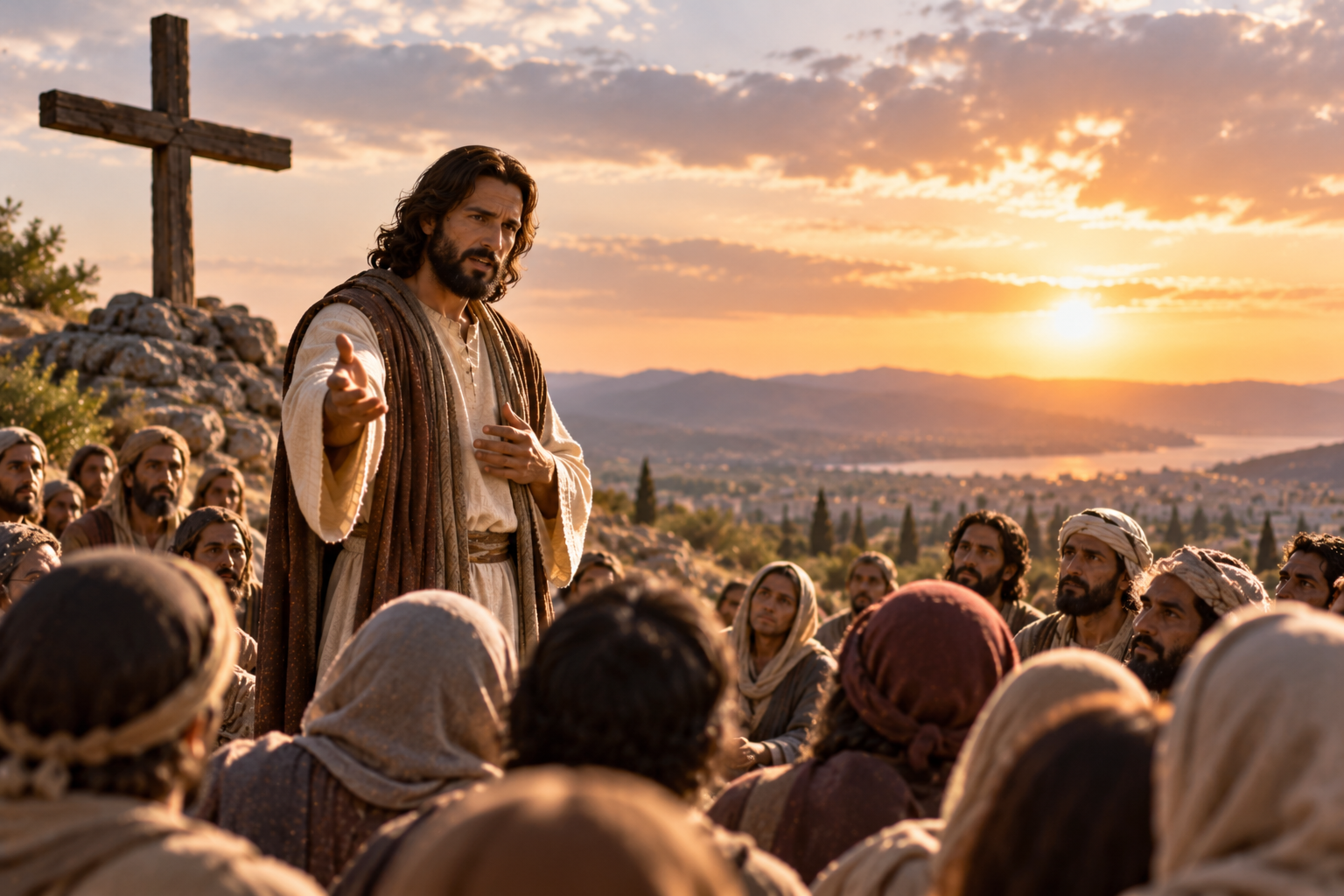
The Parable of the Weeds

21 Thursday May 2026

Posted by Victor Uduh in Psalm 68, Psalms

≈ Leave a comment

Tags

Called By Christ, Come To Jesus, Discernment And Wisdom, God Sees The Hidden, God’s Perfect Timing, Good Seed, gospel, gospel reading, Jesus, Kingdom Lessons, Kingdom Mission, kingdom of heaven, Living God’s Will, Psalms, The Lord Of The Harvest, Turn To Christ

Today’s quote and prayer from
“Psalms 365: Develop a Life of Worship and Prayer
”


Today’s
Reading:
Psalm 68:32-35 (NIV)*

Listen to today’s reading by Jonathan Dent:

https://davidkitz.blog/wp-content/uploads/2026/05/ps-6832-5-mix-1final.mp3

LORD God,
thank you for sending Jesus.
Thank you for coming in frail human flesh—
flesh like our own.
Thank you because now we can know you
as one of us—God with us.
Amen.

   — — — —

Gospel Reading:
The Parable of the Weeds

Jesus told them another parable:
“The kingdom of heaven is like a man who sowed good seed in his field.
But while everyone was sleeping,
his enemy came and sowed weeds among the wheat,
and went away.
When the wheat sprouted and formed heads,
then the weeds also appeared.

“The owner’s servants came to him and said,
‘Sir, didn’t you sow good seed in your field?
Where then did the weeds come from?’

“‘An enemy did this,’ he replied.

“The servants asked him,
‘Do you want us to go and pull them up?’

“‘No,’ he answered,
‘because while you are pulling the weeds,
you may uproot the wheat with them.
Let both grow together until the harvest.
At that time I will tell the harvesters:
First collect the weeds and tie them in bundles to be burned;
then gather the wheat and bring it into my barn.’”
(Matthew 13:24-30).

* * *

Dear children,
let us not love with words or speech
but with actions and in truth.

(1 John 3:18 NIV)

Para la publicación de Salmos 365 de hoy en español haga clic aquí.

bgbg_v4.3_1501818
* NEW INTERNATIONAL VERSION, COPYRIGHT ©1973, 1978, 1984, 2011 BY BIBLICA

Pray for peace in Israel, Iran and the Middle East
and continue to pray for peace to return
to Ukraine and Russia!

Volume I of Psalms 365: Develop a Life of Worship and Prayer won the Best Book of the Year Award from The Word Guild and Volume II has won the Best Devotional of the Year Award. For those who love God’s word, this three-book series is an ideal way to daily meet with the Lord. To purchase or for a closer look click here.

New from David Kitz.

To view further details or purchase click here.

Jesus’ Mother and Brothers

20 Wednesday May 2026

Posted by Victor Uduh in Psalm 68, Psalms

≈ 2 Comments

Tags

Called By Christ, Come To Jesus, Doing The Father’s Will, family of God, Followers Of Jesus, gospel, gospel reading, Hope In Christ, Jesus, Kingdom Family, Kingdom Mission, Living God’s Will, Psalms, Respond To God, Spiritual Family, Turn To Christ

Today’s quote and prayer from
“Psalms 365: Develop a Life of Worship and Prayer
”


Today’s
Reading:
Psalm 68:24-31 (NIV)*

Listen to today’s reading by Jonathan Dent:

https://davidkitz.blog/wp-content/uploads/2026/05/ps-6824-31-mix-3final.mp3

LORD God,
I yield my will to you.
Conquer my heart with your love.
Through Jesus’ sacrifice on the cross,
I am yours.
Help me to joyfully live
as a productive citizen
of your Kingdom on earth.
Amen.

   — — — —


Gospel Reading:
Jesus’ Mother and Brothers

While Jesus was still talking to the crowd,
his mother and brothers stood outside,
wanting to speak to him.
Someone told him,
“Your mother and brothers are standing outside,
wanting to speak to you.”

He replied to him,
“Who is my mother, and who are my brothers?”
Pointing to his disciples, he said,
“Here are my mother and my brothers.
For whoever does the will of my Father in heaven
is my brother and sister and mother.”
(Matthew 12:46-50).

* * *

Dear children,
let us not love with words or speech
but with actions and in truth.

(1 John 3:18 NIV)

Para la publicación de Salmos 365 de hoy en español haga clic aquí.

bgbg_v4.3_1501818
* NEW INTERNATIONAL VERSION, COPYRIGHT ©1973, 1978, 1984, 2011 BY BIBLICA

Pray for peace in Israel, Iran and the Middle East
and continue to pray for peace to return
to Ukraine and Russia!

Volume I of Psalms 365: Develop a Life of Worship and Prayer won the Best Book of the Year Award from The Word Guild and Volume II has won the Best Devotional of the Year Award. For those who love God’s word, this three-book series is an ideal way to daily meet with the Lord. To purchase or for a closer look click here.

New from David Kitz.

To view further details or purchase click here.
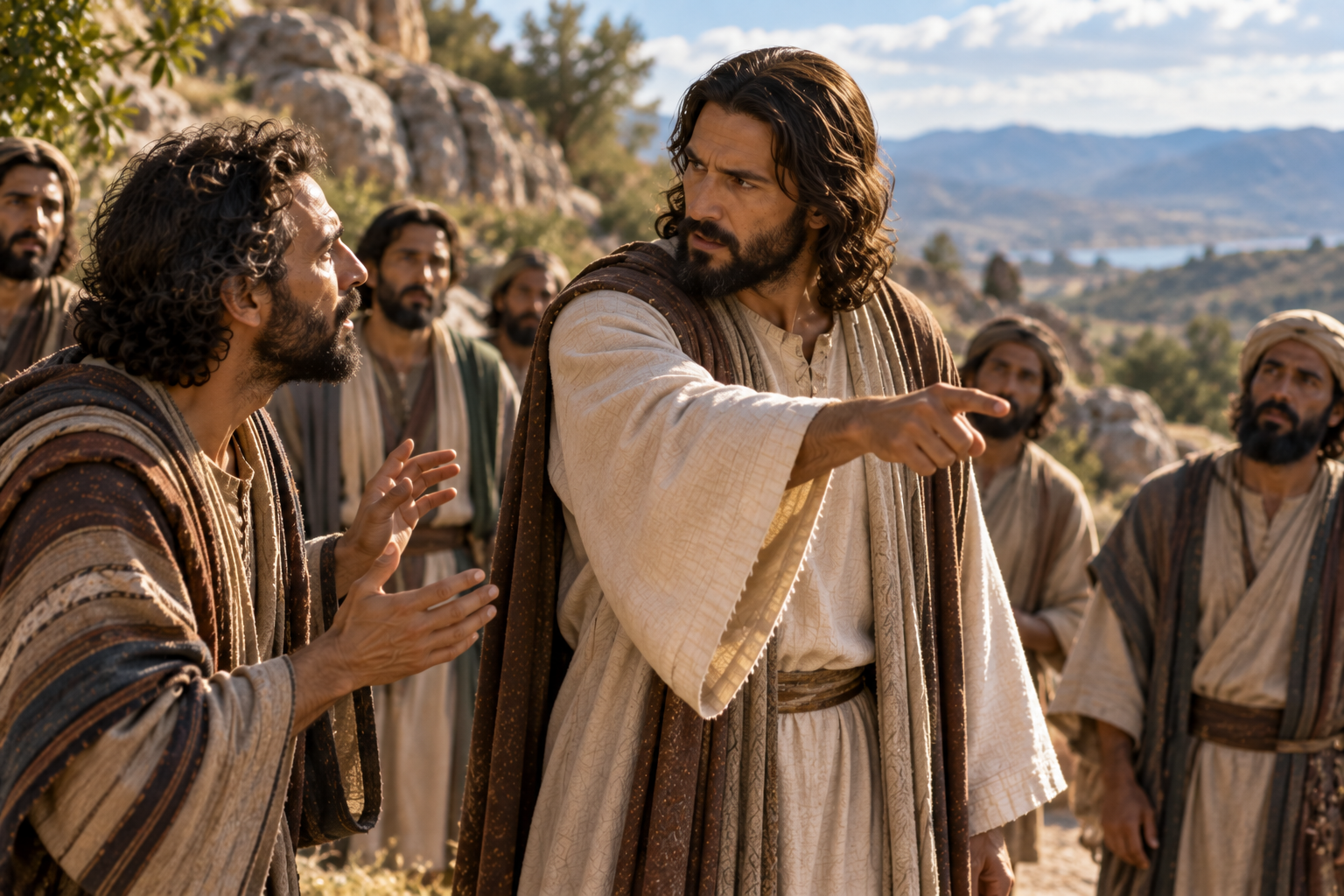
The Sign of Jonah

19 Tuesday May 2026

Posted by Victor Uduh in Psalm 68, Psalms

≈ 1 Comment

Tags

Call To Repentance, Come To Jesus, Comfort In Jesus, Faith Beyond Signs, gospel, gospel reading, Hope In Christ, Jesus, Jesus Speaks Warning, Kingdom Mission, Psalms, Repent And Return, Respond To God, Seek True Transformation, Spiritual Vigilance, Turn To Christ

Today’s quote and prayer from
“Psalms 365: Develop a Life of Worship and Prayer
”


Today’s
Reading:
Psalm 68:15-23 (NIV)*

Listen to today’s reading by Jonathan Dent:

https://davidkitz.blog/wp-content/uploads/2026/05/ps-6815-23-mixfinal.mp3

LORD God,
thank you for being kind enough to love me.
Thank you, Jesus, for bearing my burdens to the cross and beyond.
My hope rests in you.
Amen.

   — — — —

Gospel Reading:
The Sign of Jonah

Then some of the Pharisees and teachers of the law said to him,
“Teacher, we want to see a sign from you.”

He answered,
“A wicked and adulterous generation asks for a sign!
But none will be given it except the sign of the prophet Jonah.
For as Jonah was three days and three nights in the belly of a huge fish,
so the Son of Man will be three days and three nights in the heart of the earth.
The men of Nineveh will stand up
at the judgment with this generation and condemn it;
for they repented at the preaching of Jonah,
and now something greater than Jonah is here.
The Queen of the South will rise
at the judgment with this generation and condemn it;
for she came from the ends of the earth to listen to Solomon’s wisdom,
and now something greater than Solomon is here.

“When an impure spirit comes out of a person,
it goes through arid places seeking rest and does not find it.

Then it says, ‘I will return to the house I left.’
When it arrives,
it finds the house unoccupied, swept clean and put in order.
Then it goes and takes with it seven other spirits more wicked than itself,
and they go in and live there.
And the final condition of that person is worse than the first.
That is how it will be with this wicked generation.”
(Matthew 12:38-45).

* * *

Dear children,
let us not love with words or speech
but with actions and in truth.

(1 John 3:18 NIV)

Para la publicación de Salmos 365 de hoy en español haga clic aquí.

bgbg_v4.3_1501818
* NEW INTERNATIONAL VERSION, COPYRIGHT ©1973, 1978, 1984, 2011 BY BIBLICA

Pray for peace in Israel, Iran and the Middle East
and continue to pray for peace to return
to Ukraine and Russia!

Volume I of Psalms 365: Develop a Life of Worship and Prayer won the Best Book of the Year Award from The Word Guild and Volume II has won the Best Devotional of the Year Award. For those who love God’s word, this three-book series is an ideal way to daily meet with the Lord. To purchase or for a closer look click here.

New from David Kitz.

To view further details or purchase click here.

James the Door Hinge for the Gentile World

17 Sunday May 2026

Posted by Victor Uduh in Books by David Kitz

≈ Leave a comment

Tags

Bible, Christ, church, circumcision, faith, Gentiles, gospel, Holy Spirit, James, James the brother of Jesus, Jerusalem, Jesus, leadership, Paul, Pentecost, Peter, Scripture, speaking in tongues

James: the Lynchpin of Our Faith — Chapter 12 — Part I

At this early point in the history of the church, the city of Antioch served as home base for the Christian faith in the Gentile world. Luke records that “the disciples were called Christians first at Antioch” (Acts 11:26). From here through Paul’s ministry, the gospel spread like wildfire. Antioch was the principal cultural and commercial center in the eastern Mediterranean region. The biblical scholar G. Downey describes Syrian Antioch in these terms:

A Hellenistic city in NW Syria (modern Antakya, Turkey), ranking with Rome and Alexandria as one of the three greatest cities of the Greco-Roman world, and an early center of Christian expansion. (1)

In this great center, Christianity flourished. But the greatest challenge to further growth came from within the Christian community.

Certain people came down from Judea to Antioch and were teaching the believers: “Unless you are circumcised, according to the custom taught by Moses, you cannot be saved.” This brought Paul and Barnabas into sharp dispute and debate with them. So Paul and Barnabas were appointed, along with some other believers, to go up to Jerusalem to see the apostles and elders about this question. (Acts 15:1–2)

This question had enormous ramifications. Were the new Gentile convertsmto the faith required to live in accordance with laws of Moses in order to be saved? Must they be circumcised? In essence, must they become Jews in order to live as Christians? Was faith in Christ’s finished work on the cross sufficient for salvation or were there additional requirements?

Quite rightly, Paul and Barnabas saw this requirement to be circumcised as a direct challenge to their calling and mission, and a threat to the Gentile church. More fundamentally, it undermined the sufficiency of grace, the redemptive power of the cross and the sacrificial atonement through the blood of Jesus. If one is saved through the observance of the law, rather than through faith, why is there any need for Christ’s death on the cross? The cross is stripped of its meaning and power.

Later in his letter to the Galatian church, Paul forcefully argues this very point:

Mark my words! I, Paul, tell you that if you let yourselves be circumcised, Christ will be of no value to you at all. Again I declare to every man who lets himself be circumcised that he is obligated to obey the whole law. You who are trying to be justified by the law have been alienated from Christ; you have fallen away from grace. For through the Spirit we eagerly await by faith the righteousness for which we hope. For in Christ Jesus neither circumcision nor uncircumcision has any value. The only thing that counts is faith expressing itself through love. (Galatians 5:2–6)

Ultimately, this was a question about DNA. The Gentile believers had the wrong DNA. They were not of Abrahamic lineage; therefore, they were outside the divine covenant and by reason of birth alienated from the blessing of God. Circumcision was the means by which believing Gentiles might be incorporated into the family of God. But Paul correctly argues that those who are circumcised are then required to obey the whole Law of Moses. Relying on human effort and obedience to the law nullifies entirely the concept of spiritual rebirth, which comes by faith.

Jesus taught, “You must be born again” (John 3:3–21). This requirement of rebirth applied universally to Jews and Gentiles. Furthermore, rebirth is a work of the Holy Spirit not human effort. Rebirth is experienced through faith. It is a gift from God. (See Ephesians 2:8–9.) Through the miracle of the born-again experience, believers are recipients of divine DNA—eternal DNA—indestructible DNA. Why settle for Abrahamic DNA, when through God’s son we can become transformed repositories of divine DNA—children of the eternal, living God?

At this early stage in the churches’ development, these doctrines maynot have been fully formulated, universally accepted, or understood. But rebirth was certainly occurring as demonstrated by the work of the Holy Spirit. One can study the concept of rebirth at great length, but it can remain nothing more than an academic exercise. A transformed life, and the joy, and peace of the Holy Spirit are true marks of rebirth. In the ministry of Paul and the other apostles, there was ample evidence of changed lives as new believers flooded into the church.

But where was James amid this controversy? Some scholars would have us believe that James was in agreement with the teachers who had arrived in Antioch and were urging the believers to be circumcised. Perhaps, they reason, he had sent them, since Paul’s letter to the Galatians gives credence to this perspective. (See Galatians 2:12.) Those who take this view do so because they see James as a Jewish legalist insisting on conformance to the Laws of Moses. In addition, they see an enormous rift between Paul and James. However, the text of Acts chapter fifteen does not support this view.

What becomes plainly evident in Acts 15 is that James is seen as the leader of the church. One cannot read this chapter without concluding just that. Three observations can be made, which prove this point:

• James provides oversight to the church, the body of Christ.
• The leaders in the church are accountable to him.
• He is the one who renders judgement on this issue of paramount
importance.

On the first point, it is significant that this synod—or council, as it is often called—took place in Jerusalem. New Testament scholars are generally in agreement that this council took place in about 50 AD. (2) Jerusalem would seem like the logical choice since it was the birthplace of the church, and it certainly flourished there in the early years. But the church had grown and spread out geographically from this home base. Some of this dispersion was due to severe persecution in Jerusalem. Peter fled the city for this very reason; however, James remained. (See Acts 12:16–17.)

There is no indication in scripture that Peter returned to reside in Jerusalem. He began what can be described as an itinerant ministry, following in the footsteps of his Lord and Master. Some of that ministry is detailed in the earlier chapters of Acts and from Paul’s letter to the Galatians we also know he traveled to Antioch.

On the other hand, it appears that James’ ministry was centered in Jerusalem. In the writings of several early church fathers, James is identified as the first Bishop of Jerusalem. (3) Similarly, the Eastern Orthodox Church recognizes James as the first Bishop of Jerusalem.

The Clementine Homilies and Clementine Recognitions, which are romances about the life of Clementine (4) dating from the fourth century but partly based on Jewish Christian sources of an earlier time, call James “bishop of bishops.” In these writings Peter and the other apostles are accredited by James. (5)

If James was functioning in his role as bishop, was he providing oversight only to the church in Jerusalem or was he providing general oversight to the whole church? This is a question of considerable importance as we examine Acts chapter fifteen.

If Peter was providing general oversight to the church, then it might logically follow that the church leadership would gather to discuss this important matter at Peter’s current place of ministry, but this is not the case. Peter appears and testifies at the Jerusalem Council as a delegate—a trusted apostolic delegate. He does not have the final say in the matter being discussed. The final decision is left to James.

Though Luke never personally interjects himself into the Acts account, the way in which he frames the events of chapter fifteen leaves the reader with the impression that he may have accompanied Paul and Barnabas on this journey from Antioch to Jerusalem. It certainly is possible that he was appointed as one of the believers sent as delegates to the council. (See Acts 15:3.) Since Doctor Luke was a Gentile, this matter certainly would have a huge bearing on his life and faith, and he records the events in some detail. A close examination of his account is warranted.

The church sent them [Paul, Barnabas and ‘some believers’] on their way, and as they traveled through Phoenicia and Samaria, they told how the Gentiles had been converted. This news made all the believers very glad. When they came to Jerusalem, they were welcomed by the church and the apostles and elders, to whom they reported everything God had done through them. (Acts 15:3–4)

Photo by Sharefaith on Pexels.com

Luke then goes on to clearly delineate the question that the council must decide:

Then some of the believers who belonged to the party of the Pharisees stood up and said, “The Gentiles must be circumcised and required to keep the law of Moses.” The apostles and elders met to consider this question. (Acts15:5–6)

Apparently, some Pharisees had come to faith in Christ despite the frequent clashes that had occurred between them during his earthly ministry. Quite naturally some of these Pharisees continued with their hardline requirements of obedience to every jot and tittle of the Law of Moses. At least on the surface, it appears that their adherence to Mosaic Law took precedence over their allegiance to the law of love introduced by Christ. (See John 13:34–35.)

We are told that after much discussion, Peter addressed the assembled leaders. Undoubtedly, there was rigorous debate on this topic, since it had profound doctrinal implications and had a direct bearing on the outreach mission of the church. Was obedience to the Mosaic Law a requirement for salvation? Was salvation a gift from God received by faith or was it merited through works and religious observances such as circumcision and adherence to sabbath requirements? Were the new Gentile converts genuinely welcome in the church? Was Paul’s mission to the Gentile’s a valid extension of the ongoing mission of Christ on the earth? All these questions were in play as Peter addressed the synod.

“Brothers, you know that some time ago God made a choice among you that the Gentiles might hear from my lips the message of the gospel and believe. God, who knows the heart, showed that he accepted them by giving the Holy Spirit to them, just as he did to us. He did not discriminate between us and them, for he purified their hearts by faith. Now then, why do you try to test God by putting on the necks of Gentiles a yoke that neither we nor our ancestors have been able to bear? No! We believe it is through the grace of our Lord Jesus that we are saved, just as they are.” (Acts 15:7–11)

Peter’s response on this matter is clear and unequivocal. Peter points out that this matter has already been decided—not by man—but by God. God chose to have the message of the gospel preached to the Gentiles. He did so by sending an angel to the home of a Roman centurion named Cornelius. The angel’s instructions were to send for Simon Peter, whose heart was prepared in advance through a vision. The gospel message was proclaimed to the Gentiles because God wanted it preached to the Gentiles. He initiated this whole matter.

Moreover, the Gentiles at Cornelius’ home responded in faith. They believed the message of the gospel. Peter points out that God “purified their hearts by faith” (Acts 15:9). Works or merit based on obedience to the law did not enter into the picture.

Furthermore, God demonstrated that the Gentiles were accepted “by giving the Holy Spirit to them” (Acts 15:8). This was apparent “for they heard them speaking in tongues and praising God” (Acts 10:46). The Pentecostal experience was visited upon these Gentile believers even as it had initially come to the apostles and the hundred and twenty. God revealed that He had accepted the Gentiles into the household of faith without any preconditions. He made no distinction whatsoever between Jews and Gentiles.

In short, Peter was saying that this was entirely God’s doing. God initiated the whole process of bringing the Gentiles into the church, and it was perilous for the church to now place restrictions on the people whom God had so freely and graciously welcomed into the family. Peter calls this testing God. His words bear repeating:

Now then, why do you try to test God by putting on the necks of Gentiles a yoke that neither we nor our ancestors have been able to bear? No! We believe it is through the grace of our Lord Jesus that we are saved, just as they are. (Acts 15:10–11)

With these words Peter echoes the thoughts and sentiments of Jesus—who, during the week of his arrest, excoriated the Pharisees and teachers of the law.

The teachers of the law and the Pharisees sit in Moses’ seat. So you must be careful to do everything they tell you. But do not do what they do, for they do not practice what they preach. They tie up heavy, cumbersome loads and put them on other people’s shoulders, but
they themselves are not willing to lift a finger to move them. (Matthew 23:2–4)

Quite rightly Peter was unwilling to impose a burden on the Gentiles that Jesus had spoken against. (See Luke 11:37–54.) Instead, Peter embraced the grace of God. By doing this he placed Jews and Gentiles on the same footing. Both are saved by the grace of Jesus Christ and not by works of the law.

In his statement before the Jerusalem Council, Peter encapsulates the great truths of the gospel and points the way forward for the church. Decades later, Paul in his Epistle to the Romans expounds at great length on the truths that Peter has succinctly stated here. Peter simply directs the council’s attention to the choices that God has already made. God chose to save both Jews and Gentiles by grace through faith and to pour out His Spirit on them. This was and to this day continues to be His doing and not the work of human effort.

(1) G. Downey, “Antioch (Syrian),” The Interpreter’s Dictionary of the Bible, Volume 1, Edited by George Arthur Buttrick (Abingdon, 1984), p. 145.
(2) Arthur, The International Inductive Study New Testament, p.186.
(3) In the late 2nd century, Clement of Alexandria recorded the following: “For they say that Peter and James and John, after the ascension of our savior, as if also preferred by our Lord, strove not after honor, but chose James the Just as bishop of Jerusalem.” From Eusebius’ Church History, Book 2:1, quoting Clement of Alexandria’s Sixth Hypotyposes, Translated by Arthur Cushman McGiffert. From Nicene and Post-Nicene Fathers, Second Series, Vol. 1, Edited by Philip Schaff and Henry Wace (Christian Literature, 1890), Revised and edited for New Advent by Kevin Knight, www.newadvent.org/fathers/250102.htm.
(4) Clementine of Rome died around 100 AD and is believed to be the second or third bishop of Rome.
(5) W. A. Beardslee, “James,” The Interpreter’s Dictionary of the Bible, Volume 2, Edited by George Arthur Buttrick (Abingdon, 1984), p. 793.


New from David Kitz

James—the brother of Jesus—who was this man? What evidence do we have that this “brother of our Lord” even existed?

David Kitz digs deep into archeology, family dynamics, church history, and the biblical texts. What emerges from his research is a portrait of a decisive, pivotal leader who embodied the will and character of Jesus Christ.

But how did James—James the unbeliever—transform to become a leader who changed the course of world history? In these pages you will uncover the answer and rediscover for yourself the life-changing power of the gospel.

To view further details or purchase directly from the author click here.


The Father Revealed in the Son

15 Friday May 2026

Posted by Victor Uduh in Psalm 68, Psalms

≈ 1 Comment

Tags

Burdens Lifted, Come To Jesus, Comfort In Jesus, gospel, gospel reading, Hope In Christ, Jesus, Jesus Gives Rest, Jesus The Healer, Kingdom Mission, Lay Your Burdens Down, Prayer, Psalms, Rest For The Weary, Restoration In Christ, The Voice Of Warning, Turn To Christ

Today’s quote and prayer from
“Psalms 365: Develop a Life of Worship and Prayer
”


Today’s
Reading:
Psalm 68:7-14 (NIV)*

Listen to today’s reading by Jonathan Dent:

https://davidkitz.blog/wp-content/uploads/2026/05/ps-687-14-mix-2final.mp3

LORD God,
as I go about my day,
please go before me.
Today help me to see you at work.
I walk in confidence and faith
because your Holy Spirit is at work
even as I sleep.
Thank you, Lord.
Amen.

   — — — —


Gospel Reading:
The Father Revealed in the Son

At that time Jesus said,
“I praise you, Father, Lord of heaven and earth,
because you have hidden these things from the wise
and learned, and revealed them to little children.
Yes, Father, for this is what you were pleased to do.

“All things have been committed to me by my Father.
No one knows the Son except the Father,
and no one knows the Father except the Son
and those to whom the Son chooses to reveal him.

“Come to me,
all you who are weary and burdened,
and I will give you rest.
Take my yoke upon you and learn from me,
for I am gentle and humble in heart,
and you will find rest for your souls.
For my yoke is easy and my burden is light.”
(Matthew 11:25-30).

* * *

Dear children,
let us not love with words or speech
but with actions and in truth.

(1 John 3:18 NIV)

Para la publicación de Salmos 365 de hoy en español haga clic aquí.

bgbg_v4.3_1501818
* NEW INTERNATIONAL VERSION, COPYRIGHT ©1973, 1978, 1984, 2011 BY BIBLICA

Pray for peace in Israel, Iran and the Middle East
and continue to pray for peace to return
to Ukraine and Russia!

Volume I of Psalms 365: Develop a Life of Worship and Prayer won the Best Book of the Year Award from The Word Guild and Volume II has won the Best Devotional of the Year Award. For those who love God’s word, this three-book series is an ideal way to daily meet with the Lord. To purchase or for a closer look click here.

New from David Kitz.

To view further details or purchase click here.
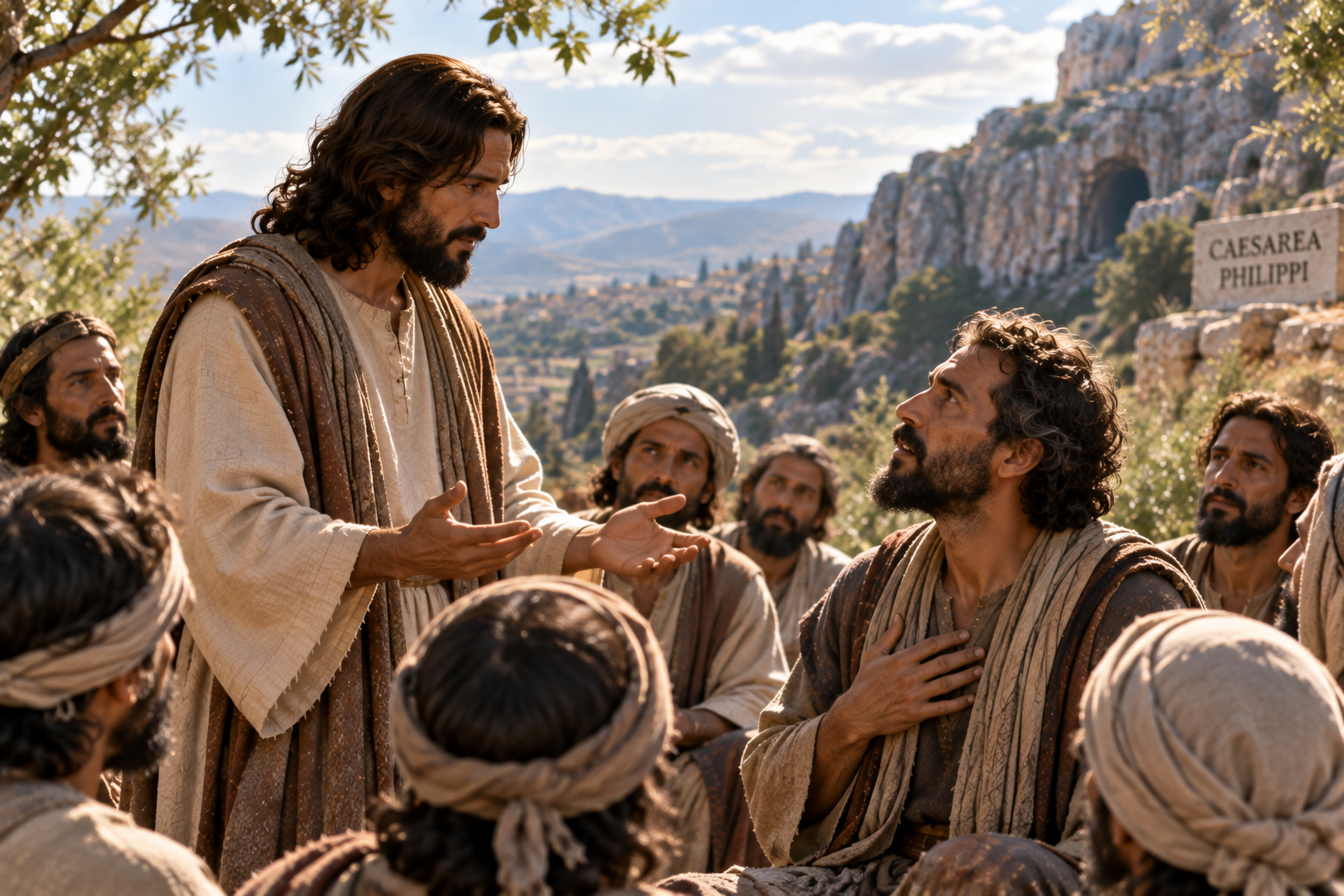
← Older posts
Newer posts →

Psalms 365: Develop a Life of Worship & Prayer

Psalms 365 Volume II

Psalms 365 vol 3
— Psalms 365 Volume III

Now available:

Psalms

Recent posts

  • Jesus Predicts His Death a Third Time June 19, 2026
  • Miracle-Working Power June 19, 2026
  • The Little Children and Jesus June 18, 2026
  • Dark Days and Songs in the Night June 18, 2026
  • Divorce June 17, 2026
  • Godly Fear June 17, 2026
  • The Parable of the Unmerciful Servant June 16, 2026

Calendar

June 2026
M T W T F S S
1234567
891011121314
15161718192021
22232425262728
2930  
« May    

Blog Posts

Comments

  • 777joyce on Miracle-Working Power
  • cjsmissionaryminister on Jesus Heals a Demon-Possessed Boy
  • davidkitz on Peter Declares That Jesus Is the Messiah

Blog at WordPress.com.

Privacy & Cookies: This site uses cookies. By continuing to use this website, you agree to their use.
To find out more, including how to control cookies, see here: Cookie Policy
  • Subscribe Subscribed
    • I love the Psalms
    • Join 1,355 other subscribers
    • Already have a WordPress.com account? Log in now.
    • I love the Psalms
    • Subscribe Subscribed
    • Sign up
    • Log in
    • Report this content
    • View site in Reader
    • Manage subscriptions
    • Collapse this bar

Loading Comments...