• Home
  • About
  • DavidKitz.ca
  • Youtube Videos
  • Books by David
  • Books on Amazon.com

I love the Psalms

~ Connecting daily with God through the Psalms

I love the Psalms

Tag Archives: Jerusalem

His Hometown and Your Hometown

10 Thursday Dec 2020

Posted by davidkitz in Psalm 87, Psalms

≈ 8 Comments

Tags

city of God, hometown, Jerusalem, Ottawa, Zion

Reading: Psalm 87
Of the Sons of Korah. A psalm. A song.
He has founded his city on the holy mountain.
The L
ORD loves the gates of Zion
more than all the other dwellings of Jacob.
Glorious things are said of you,
city of God:
“I will record Rahab and Babylon
among those who acknowledge me—
Philistia too, and Tyre, along with Cush—
and will say, ‘This one was born in Zion.’”
Indeed, of Zion it will be said,
“This one and that one were born in her,
and the Most High himself will establish her.”
The L
ORD will write in the register of the peoples:
“This one was born in Zion.”
As they make music they will sing,
“All my fountains are in you”
(NIV).*

effects-1

Rideau Falls, Ottawa, ON — photo by David Kitz

Reflection
Do you love your hometown? I hope you do. I certainly love my hometown, or to be more accurate, my home city. I live in Ottawa, Canada’s capital city. Though I wasn’t born or raised in Ottawa, I chose to live here. There’s a lot to love about Ottawa. Like any major world capital, there are plenty of grand museums, galleries, historic buildings and monuments. But I think it’s their situation or setting that makes the city so attractive.

Ottawa is situated at the juncture point of three rivers. The scenic Rideau River winds its way through the city from the south before it plunges into the Ottawa River at the Rideau Falls. On the north shore of the Ottawa River the Gatineau River makes its entry after passing through the rugged Gatineau Hills. With three scenic rivers there’s an abundance of city parks and green space.

According to the psalmist, the LORD loves his hometown too. The LORD loves the gates of Zion more than all the other dwellings of Jacob. Glorious things are said of you, city of God.

During the Old Testament era the LORD (Yahweh) chose to dwell in Zion the citadel within Jerusalem. It was David who first brought the Ark of the Covenant to Zion after one of his successful military campaigns. (See 2 Samuel 6.) From that time forward Jerusalem has been called the city of God. It became the city of God because God dwelt there. In due course, Yahweh’s temple was built there.

What about your city or town? Does God dwell there? What truly makes a place remarkable or special is the One who lives there. The presence of God can turn a hut or a humble stable into the portal to heaven. If Jesus is enthroned in your heart then God is truly with you. He is in your city.

Response: LORD God, my body is a temple of the Holy Spirit. Thank you for being so personal—so intimate with me. I want to honor and serve you in my community. Be present and active here. Amen.

Your Turn: What do you like most about your community/city? Is God active in your community?

* New International Version, Copyright ©1973, 1978, 1984, 2011 by Biblica

Some good news: The first volume of Psalms 365: Develop a Life of Worship and Prayer by award-winning author David Kitz is now available. For a closer look at the book(s) visit Amazon and type David Kitz into the search bar.

Where does God dwell today?

11 Tuesday Aug 2020

Posted by davidkitz in Devotions, Psalm 48, Psalms

≈ 4 Comments

Tags

cities, city, God's temple, Jerusalem, Zion

Reading: Psalm 48
A song. A psalm of the Sons of Korah.
(Verses 1-8)
Great is the LORD, and most worthy of praise,
in the city of our God, his holy mountain.
Beautiful in its loftiness, the joy of the whole earth,
like the heights of Zaphon is Mount Zion,
the city of the Great King.
God is in her citadels;
he has shown himself to be her fortress.
When the kings joined forces,
when they advanced together,
they saw her and were astounded;
they fled in terror.
Trembling seized them there,
pain like that of a woman in labor.
You destroyed them like ships of Tarshish
shattered by an east wind.
As we have heard, so we have seen
in the city of the L
ORD Almighty,
in the city of our God:
God makes her secure forever
(NIV).*

img_20191008_0741537-effects

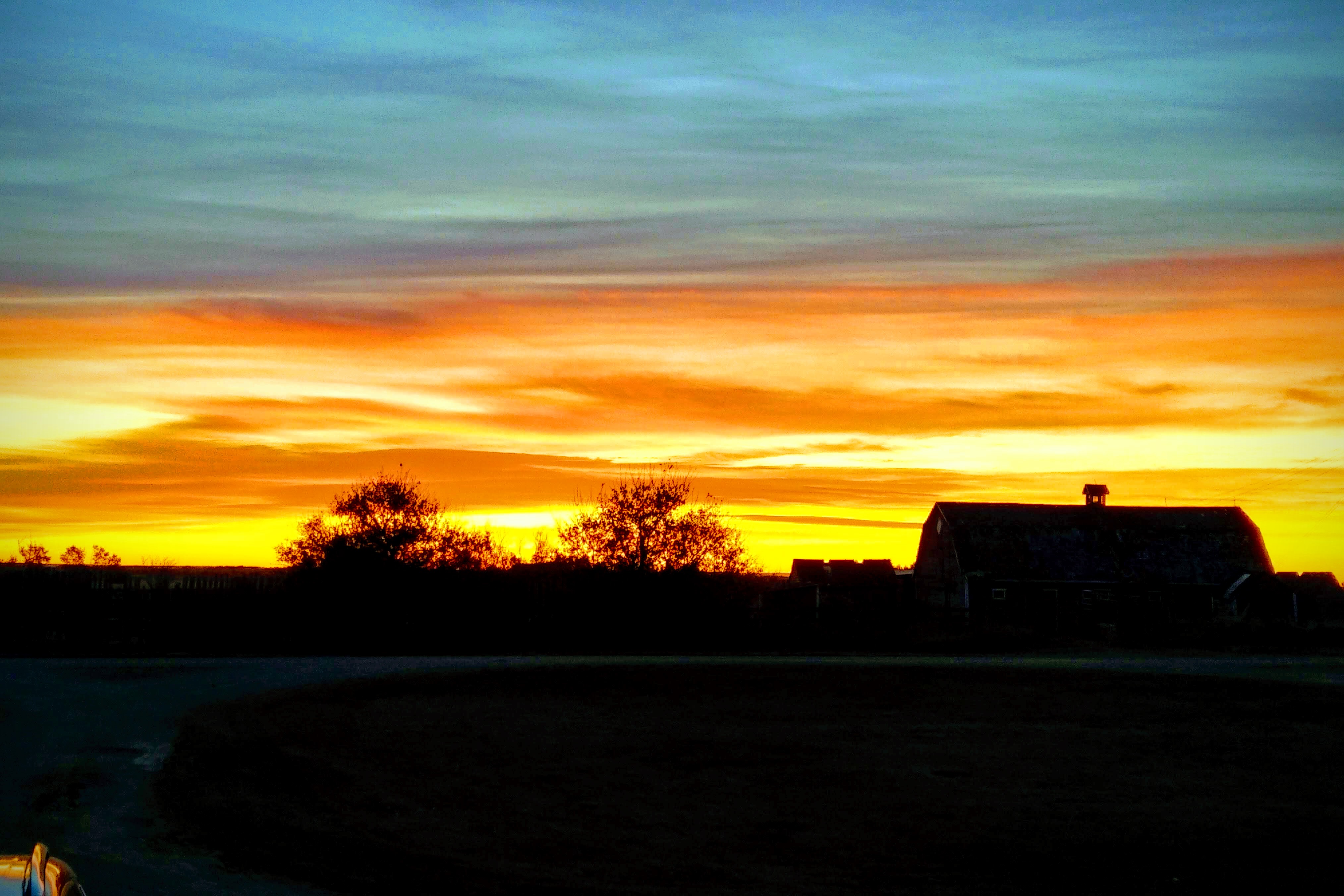
Saskatchewan sunrise on the farm where I grew up — photo by David Kitz

Reflection
I grew up on a farm in wide open rural Saskatchewan, Canada. It was a cross-country mile to the nearest neighbour, but if you stood at the right spot in our farmyard, you could see our neighbour’s house. I loved growing up on the farm and I still love visiting. Who wouldn’t? I was living in God’s country surrounded by the wild beauty of nature in all its varied, changing forms.

But I have spent the last forty years living in the city—actually three rather large cities with populations of more than a million. Is the God of the open country the God of the city too? The psalmist seemed to think so. He begins Psalm 48 with this declaration: Great is the LORD, and most worthy of praise, in the city of our God, his holy mountain. 

Of course the sons of Korah were referring to biblical Jerusalem, more specifically Mount Zion, the fortified citadel within the walls of ancient Israel’s capital. God was within her. During the reign of David the Ark of the Covenant—the seat of the LORD’s rule—was housed in the sacred tabernacle on Mount Zion. This was where God dwelt.

Where does God dwell today? As partakers of the new covenant, through the blood of Christ we are the temples of God. Paul, the apostle, asks, “Don’t you know that you yourselves are God’s temple and that God’s Spirit dwells in your midst?” (1 Corinthians 3:16). God dwells in the city too—your city. Whether it’s Calgary, Ottawa, New York or Tokyo, God is within her because His redeemed people live there.

Response: LORD, I thank you because you live within us! Help me to let my light shine in my city. Amen.

Your Turn: How would you characterize your city? How is God revealing His presence there?

* New International Version, Copyright ©1973, 1978, 1984, 2011 by Biblica

Because of open heart surgery, publication of 365 Days through the Psalms by award-winning author David Kitz has been delayed until later this year or 2021. In due course, 365 Days through the Psalms will be published by Elk Lake Publishing. In the interim, please pray for my return to good health.

Peace Within Your Walls

11 Wednesday Dec 2019

Posted by davidkitz in Devotionals, Psalm 122, Psalms

≈ 1 Comment

Tags

house of the LORD, Jerusalem, peace, pray

Reading: Psalm 122
A song of ascents. Of David.
I rejoiced with those who said to me,
“Let us go to the house of the L
ORD.”
Our feet are standing in your gates, Jerusalem.
Jerusalem is built like a city
that is closely compacted together.
That is where the tribes go up—
the tribes of the L
ORD—
to praise the name of the L
ORD
according to the statute given to Israel.
 There stand the thrones for judgment,
the thrones of the house of David.
Pray for the peace of Jerusalem:
“May those who love you be secure.
May there be peace within your walls
and security within your citadels.”
For the sake of my family and friends,
I will say, “Peace be within you.”
For the sake of the house of the L
ORD our God,
I will seek your prosperity
(NIV).

scenic view of mountain during evening

Photo by Ashan Rai on Pexels.com

Reflection
This third psalm in the Song of Ascents series is a psalm of arrival. The pilgrims have arrived at Jerusalem the destination of their pilgrimage. The following statement makes it clear that the weary travelers have arrived: Our feet are standing in your gates, Jerusalem. Jerusalem is built like a city that is closely compacted together. That is where the tribes go up—the tribes of the LORD—to praise the name of the LORD according to the statute given to Israel.

It should be noted that this pilgrimage to Jerusalem was not merely an event for the occasional tourist. As the psalmist states, he came to praise the name of the LORD according to the statute given to Israel. In fact, this pilgrimage to the holy city was required according to the Law of Moses. Three times a year all your men are to appear before the Sovereign Lord, the God of Israel. I will drive out nations before you and enlarge your territory, and no one will covet your land when you go up three times each year to appear before the Lord your God (Deuteronomy 34-23-24).

Our Lord and Savior, Jesus Christ, frequently made this journey to fulfill the requirements of the Law. The first reference to this pilgrimage is found in the account of the twelve-year-old Jesus remaining in the city after his parents had left to return to Galilee (Luke 2:41-50). His last pilgrimage to celebrate the Passover ended with his crucifixion and resurrection.

With the psalmist we join in praying for the peace of Jerusalem, and peace within the church of God.

Response: Father God, we pray for your peace—the shalom of God. May your peace come to Jerusalem, and to all of Israel, and especially to all the followers of your dear son, Jesus. Amen.

Your Turn: Do you regularly pray for peace in the house of the LORD our God?

He Grants Peace

07 Sunday Apr 2019

Posted by davidkitz in Bible, Psalm 147, Psalms

≈ 1 Comment

Tags

Jerusalem, peace, the LORD, Zion

I will praise Him!

20180819_1715196

Flowing stream, Orleans, ON — photo by David Kitz

Extol the LORD, Jerusalem;
    praise your God, Zion.

He strengthens the bars of your gates
    and blesses your people within you.
He grants peace to your borders
    and satisfies you with the finest of wheat.

(Psalm 147:12-14, NIV)

How Fitting to Praise Him!

31 Sunday Mar 2019

Posted by davidkitz in Bible, Psalm 147, Psalms

≈ 1 Comment

Tags

healing, humble, Jerusalem, praise, praise the LORD

I will praise Him!

2018-05-01

Tulips announcing spring is here — photo by David Kitz

Praise the LORD.

How good it is to sing praises to our God,
    how pleasant and fitting to praise him!

The LORD builds up Jerusalem;
    he gathers the exiles of Israel.
He heals the brokenhearted
    and binds up their wounds.
He determines the number of the stars
    and calls them each by name.
Great is our LORD and mighty in power;
    his understanding has no limit.
The LORD sustains the humble
    but casts the wicked to the ground.

(Psalm 147:1-6, NIV)

God in the City

19 Tuesday Mar 2019

Posted by davidkitz in Psalm 48, Psalms

≈ 5 Comments

Tags

Ark of the Covenant, David, Jerusalem, Mount Zion, Psalm 48, temple

Reading: Psalm 48
A song. A psalm of the Sons of Korah.
(Verses 1-8)
Great is the LORD, and most worthy of praise,
in the city of our God, his holy mountain.
Beautiful in its loftiness, the joy of the whole earth,
like the heights of Zaphon is Mount Zion,
the city of the Great King.
God is in her citadels;
he has shown himself to be her fortress.
When the kings joined forces,
when they advanced together,
they saw her and were astounded;
they fled in terror.
Trembling seized them there,
pain like that of a woman in labor.
You destroyed them like ships of Tarshish
shattered by an east wind.
As we have heard, so we have seen
in the city of the L
ORD Almighty,
in the city of our God:
God makes her secure forever
(NIV).

2019-01-04-Ottawa DT

Looking south from the War Memorial in Downtown Ottawa — photo by David Kitz

Reflection
I grew up on a farm in wide open rural Saskatchewan, Canada. It was a cross-country mile to the nearest neighbour, but if you stood at the right spot in our farmyard, you could see our neighbour’s house. I loved growing up on the farm and I still love visiting. Who wouldn’t? I was living in God’s country surrounded by the wild beauty of nature in all its varied, changing forms.

But I have spent the last forty years living in the city—actually three rather large cities with populations of more than a million. Is the God of the open country the God of the city too? The psalmist seemed to think so. He begins Psalm 48 with this declaration: Great is the LORD, and most worthy of praise, in the city of our God, his holy mountain.

Of course the sons of Korah were referring to biblical Jerusalem, more specifically Mount Zion, the fortified citadel within the walls of ancient Israel’s capital. God was within her. During the reign of David the Ark of the Covenant—the seat of the LORD’s rule—was housed in the sacred tabernacle on Mount Zion. This was where God dwelt.

Where does God dwell today? As partakers of the new covenant, through the blood of Christ we are the temples of God. Paul, the apostle, asks, “Don’t you know that you yourselves are God’s temple and that God’s Spirit dwells in your midst?” (1 Corinthians 3:16). God dwells in the city too—your city. Whether it’s Calgary, Ottawa, New York, Helsinki or Tokyo, God is within her because His redeemed people live there.

Response: LORD, I thank you because you live within us! Help me to let my light shine in my city. Amen.

Your Turn: How would you characterize your city? How is God revealing His presence there?

Reading 13 for Lent from The Soldier Who Killed a King

18 Monday Mar 2019

Posted by davidkitz in Lent, The Soldier Who Killed a King

≈ 1 Comment

Tags

Herod, Jerusalem, Lent, Pontius Pilate, repentance

A journey to the cross is a journey to repentance. It’s a journey to deep personal change. Will you take this journey with me?

In today’s reading, Marcus is among the detail of soldiers assigned to welcome Herod the Tetrarch to Jerusalem. As the royal procession is about to enter the city a disturbing incident takes place that reveals the character of the man that Jesus called a fox.

Suddenly, just ahead, among the bowing throng, a small copper bowl flashed in the sun. I sucked in a shallow breath and hoped it had gone unnoticed.
Herod’s hand shot out from the left side of the litter, just a few feet above and ahead of my horse’s ears.
“There! There!” he yelled. “Stop the litter!”
Flavio bellowed, “Halt!”
“Bring the boy over.” Herod gestured to the bodyguard next to me.
The guard beckoned with his hand, and the once crippled Lucas stepped forward. He wore a shy smile, but there was an eager glint in his eye.
“Is that a beggar’s bowl in your hand?” the king inquired.
“Yes, sir.”
“I didn’t come to feed beggars,” Herod said coldly. “Now, teach this boy not to beg from a king.” Herod again gestured to the guard.
With one hand the guard grabbed the boy’s free hand. With the other hand he raised his gleaming sword above his head.

OTT0304-KITZ1

Photo credit Jean Levac, Ottawa Citizen

With sudden terror in his eyes, Lucas instinctively yanked back.
The blade flashed down.
The boy fell back into the crowd as the guard triumphantly raised the severed, dripping hand above his head.
“Well done, Cestas!” Herod cheered. “Well done!”
I saw Lucas flee, white- faced and stumbling, clutching tight the bleeding stump.
“There are no beggars in Galilee,” the Fox announced to the crowd. “And if I ruled here, there would be none in Jerusalem.”
The onlookers were stunned—riveted to the spot. Herod paused, and after a brief search he pulled out the flimsy purple robe from among the cushions behind him. He made a great show of folding it carefully several times.
“Bring me your trophy.”
Biblical fiction winner 2017Cestas came forward and placed the small, severed hand in the folds of the purple robe, bowing graciously to his monarch.
“Ah, tribute for the governor.” Herod laughed coarsely. “Let’s be off!”
The remainder of the processional was uneventful. Following the trumpeters’ fanfare, Pontius Pilate and his wife, Claudia Procula, received the tetrarch graciously, with considerable pomp. The Roman governor politely inquired about the journey and made flattering comments about Herodias and her attire.

To download a free study guide for this high-impact, bible-based novel visit: https://www.davidkitz.ca/centurion.php/free study guide PDF

For book purchases of The Soldier Who Killed a King try Amazon or https://www.christianbook.com

Ash Wednesday: The Journey Begins

06 Wednesday Mar 2019

Posted by davidkitz in Books by David Kitz, Lent

≈ 1 Comment

Tags

Jerusalem, Lent, Passover, pilgrims, repentance, Son of David

A journey to the cross is a journey to repentance. It’s a journey to deep personal change. Will you take this journey with me?

Four in the afternoon, Sunday, April 2, AD 30
It was never like this before. biblical-fiction-award-2017_orig
I have been posted in Jerusalem for ten years now, but in all that time, I have never seen a Passover crowd like this.
It wasn’t the numbers. I had seen that before.
The Passover pilgrims always come plodding into the city in reverent caravans. Some of them chant psalms. Others are silent, looking bone-weary as they trudge, like fretful herdsmen with children in tow. Undoubtedly, many are relieved that their holy city is finally in view.
But this year it was different. There was this man—at the center of the whole procession. There had never been a central figure before. Every movement within that huge throng seemed focused on him.
Squinting in a futile attempt to get a better view, I gave Claudius a backhanded slap to the shoulder and demanded, “What are they doing?”
“They’re climbing the trees, sir.”
“I can see that!” I snapped. “But what are they doing?”
“They seem to be tearing off the palm branches, sir.”
“What is going on here?” I said it more to myself than to any of the men standing near me. An uncomfortable feeling crept into me as the procession advanced.
“They don’t usually do this?” Claudius questioned.
“No . . . They’ve never done this before.” There was worry in my voice. Claudius had been recently assigned to this place, the festering armpit of the empire, and I was at a loss to explain what was happening before us. We were standing on the wall above the gate of Jerusalem, and less than a half mile away, we could see the jubilant pilgrims surging toward us in alarming numbers.
“They’re laying the palm branches on the road in front of that man—the man on the donkey.”
Until Claudius said it, I hadn’t noticed the donkey. Its small size and the frenzy of activity round about must have obscured this detail in the picture before me. What an odd way for this man to come. I could make no sense of it.
“They’re throwing down their cloaks before him.”
The sweat- glistened bodies of several men were clearly visible. Outer garments were being cast down before this man as a sign of homage. At the same time the rhythmic chanting of their voices became more distinct.
What were they singing? Could I pick up the words?
     “Hosanna to the Son of David!”
     “Blessed is he who comes in the name of the Lord!”
     “Hosanna in the highest heaven!”
That’s when it hit me like a barbarian’s club. I realized what I was witnessing. It was a triumphal entry—the entry of a king.
It was the words. The words they were now boisterously shouting. He was their Messiah. The Son of David! The one they were waiting for! The one who would rid them of the Romans. He would set up his glorious Jewish kingdom, here, in Jerusalem! This is what I had been warned about since the day I first set foot on this cursed Judean soil. And we, I and my men and the garrison in the city, were all that stood in their way.

To download a free study guide for this high-impact, bible-based novel visit: https://www.davidkitz.ca/centurion.php/free study guide PDF

For book purchases of The Soldier Who Killed a King try Amazon or https://www.christianbook.com

Dwelling with the LORD

07 Wednesday Nov 2018

Posted by davidkitz in Bible, Psalm 15, Psalms

≈ 1 Comment

Tags

God's presence, Jerusalem, Mount Zion, neighbor, omnipresent, righteous

Reading: Psalm 15
A psalm of David.
LORD, who may dwell in your sacred tent?
Who may live on your holy mountain?
The one whose walk is blameless,
who does what is righteous,
who speaks the truth from their heart;
whose tongue utters no slander,
who does no wrong to a neighbor,
and casts no slur on others;
who despises a vile person
but honors those who fear the L
ORD;
who keeps an oath even when it hurts,
and does not change their mind;
who lends money to the poor without interest;
who does not accept a bribe against the innocent.
Whoever does these things
will never be shaken
(NIV).

gn-park-path-2014-10-27-2

Clothed in righteousness — Grey Nuns Park, Ottawa, ON

Reflection
Where are you living? Please note, I did not ask, “What is your address?”

For the Old Testament believer, God had an address. He lived in the Tent of Meeting on Mount Zion in Jerusalem. Later this was the location of the great temple built by Solomon. But this entire psalm is based on the premise that we can live in the presence of God. Why else would David ask, “LORD, who may dwell in your sacred tent? Who may live on your holy mountain?”

It would appear that wherever we are, it is possible to live one’s life in the conscious presence of the LORD. What an awesome privilege. But how is that possible? On an intellectual level, this is a no brainer. God is present everywhere. We are continually living our lives in full view of an omnipresent God.

Am I always aware of His presence? No, not always.

What can I do to change that? The psalmist lists some requirements for living in the LORD’s presence. Apparently, God is vitally concerned with the way we walk out our life of faith—the words we speak, and our interactions with neighbours and friends. The list of requirements found in this psalm is all about practical day to day living, being true to our word, loving our neighbour, and being generous to those in need.

The day is coming when I will meet the LORD face to face, but can I see Him before that final day? Do I see Him in the face of my neighbour?

Response: Heavenly Father, I don’t want to come for an occasional visit. I want to live in your presence now and in eternity. Today, help me interact with others with the knowledge that you are watching every thought, word and action. I’m living with you. Amen.

Your Turn: When are you most conscious of God’s presence in your life?

Discovering Your Identity in Worship

08 Wednesday Aug 2018

Posted by davidkitz in Bible, Devotionals, God's word, Psalm 134, Psalms

≈ Leave a comment

Tags

child of God, Creator, identity, Jerusalem, Jesus, Songs of Ascent, temple

Reading: Psalm 134
A song of ascents.
Praise the LORD, all you servants of the LORD
who minister by night in the house of the L
ORD.
Lift up your hands in the sanctuary
and praise the L
ORD.
May the LORD bless you from Zion,
he who is the Maker of heaven and earth
(NIV).

IMG_20180629_1750359[3581]

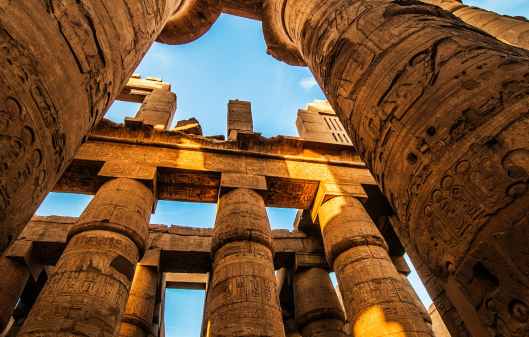
Columns at the gateway to the Acropolis in Athens, Greece — photo by David Kitz

Reflection
This is the fifteenth and final psalm in the Songs of Ascent series. In reality, this psalm is the pilgrims’ farewell offering of worship to the LORD.  After a week or more in Jerusalem, the time has arrived for the pilgrims to return to their homes. But on the evening before they set out on the return journey, they make one last visit to Mount Zion and the great Temple of the LORD. There they lift their hands in praise to the God of Israel. Early next morning, they will begin the arduous journey back home. But for now, it’s time to bless the LORD and offer thanks.

It is likely that the twelve-year-old Jesus sang this psalm with his parents on the final evening of their Passover pilgrimage to Jerusalem. On the following day the family departed for Nazareth where Joseph would resume his trade as a carpenter. When they left the next morning, they assumed Jesus was traveling with them in the large company of other pilgrims from their hometown. See Luke 2:41-52.

Typically, we read this account of the lost twelve-year-old Jesus from the viewpoint of a parent. We identify with the stress of losing a child in a big city. We would title this story, “Mary and Joseph find lost Jesus.” But the story reads quite differently, when we view it from the perspective of a child trying to discover who he really is. Viewed from Jesus’ perspective the title of the story might well be, “Lost Boy finds Himself” or “Lost Boy Discovers His Divinity.”

How did Jesus discover he was the son of God? Some believers might well reason that the answer is obvious. Jesus is God; therefore, he is omniscient. The all-knowing Jesus would surely know that he was God’s son. But many theologians would beg to differ. They view the humanity of Christ as all pervasive. Jesus was 100% human and as such he needed to learn and discover his identity even as any child does.

If through the incarnation Jesus fully took on humanity, then the boy Jesus needed to discover his divine identity. It may have been written into every fibre of his being, but he still needed to discover it, just as any young musical prodigy needs to explore and discover his or her gift. All divine gifts must be discovered and developed to reach their maximum potential.

How do we discover our true identity? From the account in Luke, it would appear that the boy Jesus discovered his true identity in the House of God. Perhaps it began as he lifted his hands in worship. We cannot fully discover who we are until we discover who God is. We must know our Creator to know ourselves. Self-understanding begins with knowing whose we are. You and I belong to the Father.

Response: Father God, I thank you for loving me and inviting me into your family. Lord Jesus, thank you for purchasing my redemption. Holy Spirit, I thank you for the confirmation that I am your child. Amen.

Your Turn: Do you know who you are? How is God the Father shaping your identity?

← Older posts
Newer posts →

Psalms 365: Develop a Life of Worship and Prayer

Psalms 365 Volume II

Psalms 365 vol 3
— Psalms 365 Volume III

Psalms

Recent posts

  • Tasting God January 29, 2026
  • Much Superior to the Angels January 28, 2026
  • Praise Always for Answered Prayer January 28, 2026
  • All About Hope January 27, 2026
  • It Is Good to Wait Quietly January 26, 2026
  • The Plans of Nations January 26, 2026
  • You Forgave the Guilt of My Sin January 25, 2026

Calendar

January 2026
M T W T F S S
 1234
567891011
12131415161718
19202122232425
262728293031  
« Dec    

Blog Posts

Comments

  • davidkitz on Tasting God
  • pastorpete51 on Tasting God
  • davidkitz on A Strong Fortress to Save Me

Blog at WordPress.com.

Privacy & Cookies: This site uses cookies. By continuing to use this website, you agree to their use.
To find out more, including how to control cookies, see here: Cookie Policy
  • Subscribe Subscribed
    • I love the Psalms
    • Join 1,383 other subscribers
    • Already have a WordPress.com account? Log in now.
    • I love the Psalms
    • Subscribe Subscribed
    • Sign up
    • Log in
    • Report this content
    • View site in Reader
    • Manage subscriptions
    • Collapse this bar
 

Loading Comments...