I will praise the LORD!

Photo by Arulonline on Pexels.com

22 Saturday Aug 2020
Photo by Arulonline on Pexels.com
11 Thursday Jun 2020
Tags
Reading: Psalm 33
(Verses 10-15)
The LORD foils the plans of the nations;
he thwarts the purposes of the peoples.
But the plans of the LORD stand firm forever,
the purposes of his heart through all generations.
Blessed is the nation whose God is the LORD,
the people he chose for his inheritance.
From heaven the LORD looks down
and sees all mankind;
from his dwelling place he watches
all who live on earth—
he who forms the hearts of all,
who considers everything they do (NIV).*

Peace like a river — photo by David Kitz
Reflection
I confess I am a bit of a history buff. I am currently reading The War that Ended Peace by Margaret MacMillan. The subtitle is The Road to 1914. As you might guess, it highlights the causes of World War I. Throughout, the author meticulously points out that war was not inevitable. A change in course by any of the key players in the years leading up to 1914 could have prevented this monumental catastrophe. Each nation had plans and objectives that they considered in their best interest. Quite naturally the pursuit of those plans led to conflict with neighbouring nations with opposing objectives.
What does the psalmist say about national objectives? The LORD foils the plans of the nations; he thwarts the purposes of the peoples. But the plans of the LORD stand firm forever, the purposes of his heart through all generations.
Nations pursue their own perceived national interest. Despite the rhetoric we sometimes hear, they do not pursue the plans and purposes of the LORD. For political leaders national self-interest trumps the purposes of God. In fact, the purposes of God are seldom considered. But the plans of the LORD stand firm forever, the purposes of his heart through all generations.
Was it God’s plan and purpose to have millions of Christian believers go to their slaughter in World War I? Many atheists purport that this is what we believe. Nothing could be further from the truth. We are responsible for our own actions. God does not cause war. Humans cause war and they carry it out. Why should we suddenly blame God for what we have engineered through our own dogged stupidity? Blaming God for our own arrogant idiocy is the pinnacle of irresponsibility, yet we do it all the time, both on a national and a personal level. Most often we are the author of our own disaster. We stubbornly fail to pull back and change course before it’s too late.
Blessed is the nation whose God is the LORD, the people he chose for his inheritance.
Response: LORD God, thank you for choosing me to be to be one of your people. Help me to live a life that is pleasing to you, my Father. You watch over me. You, O LORD are my inheritance, and first and foremost I am a citizen of your eternal Kingdom. Amen.
Your Turn: How does personal conflict escalate? Do you blame God rather than yourself?
This post by award-winning author David Kitz will be published in book format later in 2020 by Elk Lake Publishing under the title 365 Days through the Psalms.
26 Sunday Apr 2020
Tags

Photo by David Kitz
14 Tuesday Jan 2020
Posted in Devotionals, Psalm 138, Psalms
Tags
David, gods, Jesus, knowing God, nations
Reading: Psalm 138
Of David
(Verses 1-5)
I will praise you, LORD, with all my heart;
before the “gods” I will sing your praise.
I will bow down toward your holy temple
and will praise your name
for your unfailing love and your faithfulness,
for you have so exalted your solemn decree
that it surpasses your fame.
When I called, you answered me;
you greatly emboldened me.
May all the kings of the earth praise you, LORD,
when they hear what you have decreed.
May they sing of the ways of the LORD,
for the glory of the LORD is great (NIV)

Sun dogs at sunset on a frigid Canadian evening — photo courtesy of Louie Foster
Reflection
David was wholehearted in all that he did, so it should not surprise us that he begins Psalm 138 with this assertion: I will praise you, LORD, with all my heart; before the “gods” I will sing your praise.
David, the shepherd king, wasn’t shy or hesitant about offering praise to the LORD. He knew his God and was quick to give Him praise. He would even praise the LORD before foreign gods. Elsewhere in the psalms we see this declaration: For great is the LORD and most worthy of praise; he is to be feared above all gods. For all the gods of the nations are idols, but the LORD made the heavens (Psalm 96:4-5).
During David’s time each nation had its own national god. These national gods were represented by carved idols of wood, metal or stone. But Israel had no idol. They were strictly forbidden to make any image or likeness of the LORD (Yahweh). See the First Commandment, Exodus 20:3-6. This prohibition set Israel apart. They were the people with no visible god.
But why settle for a visible god, when you can have the invisible God who fills the entire universe? Why settle for a national god, when you can have the LORD who created the heavens and the earth? Inevitably, if we fashion our own god, we will create a god who is far too small. The true God is far bigger, far wiser, and far more just, and compassionate than we can ever imagine. How can we as finite creatures begin to fathom the infinite power and glory of God?
By His great mercy the LORD reveals Himself to us. He does that best through His Son. The Son is the image of the invisible God, the firstborn over all creation (Colossians 1:15). Jesus helps make the infinite God comprehensible to us, so we can join with David’s anthem of praise. May all the kings of the earth praise you, LORD, when they hear what you have decreed. May they sing of the ways of the LORD, for the glory of the LORD is great.
Response: LORD God, I praise you for your unfailing love and your faithfulness. Thank you for answering my prayers. You give me courage, and like David, you greatly emboldened me to carry on. Amen.
Your Turn: How big is your God? Is He bigger than your problems—bigger than your doubts?
31 Thursday Oct 2019
Posted in Devotionals, Psalm 117, Psalms
Reading: Psalm 117
Praise the LORD, all you nations;
extol him, all you peoples.
For great is his love toward us,
and the faithfulness of the LORD endures forever.
Praise the LORD (NIV).

Reflections on the shortest Psalm — photo by David Kitz
Reflection
Psalm 17 is the shortest of all the psalms. It reminds me of tabasco sauce. It’s concentrated; you don’t need much to set your mouth on fire.
What’s so great—so powerful—about Psalm 117 you ask? Well in 29 short words, it sums up the call and global appeal of the entire Bible.
Let’s consider this opening sentence: Praise the LORD, all you nations; extol him, all you peoples. This call to worship is for all people; it’s universal. The message of the Bible is for all people. It’s not limited to a single nation, race or people group.
This call for universal praise is unusual because it draws all humanity into a common faith in the LORD. The Jewish faith was and is a very exclusive religion. This is the faith of the chosen people—God’s chosen people. They did not choose Him, but rather they were uniquely selected by God to bear His name before the nations of the world. Throughout the Old Testament we have a clear sense that God was dealing with his own special people, and they were to walk separate from the nations. They received God’s laws and were the guardians of His word. They were instructed not to intermarry with other nations, nor be polluted by them and their idol worship. The worshippers of Yahweh were an exclusive group, a unique people, but they were not evangelistic. They kept the message to themselves.
But here in Psalm 117 the constricted, exclusive God of the Old Testament appears to break out of His narrow nationalist cocoon. We see that He is in reality a God for all nations, not just for the descendants of Abraham. Here we catch a glimpse of the big picture—the global perspective. All the nations of the earth are to praise Him. The longstanding intent of the God Israel is that every people group should know his ways and experience His salvation.
But why should all nations praise the LORD? The second verse of this miniature psalm provides the answer. For great is his love toward us, and the faithfulness of the LORD endures forever. Where did the LORD demonstrate His great love for us? We see God’s love most vividly on the cross. There the Son of God poured out His blood to redeem men and women, boys and girls, from every nation under heaven. There love flowed down in a crimson stream. There God fulfilled His Abrahamic promise. “God himself will provide the lamb for the burnt offering, my son” (Genesis 22:8). There the prophecy of John the Baptist was achieved. “Look, the Lamb of God, who takes away the sin of the world!” (John 1:29).
Concentrated within the shortest Psalm is enough truth to set the world on fire.
Response: Father God, I just want to praise you. Thank you for your great love and faithfulness as revealed by Jesus on the cross. I love you, Lord Jesus. I am grateful that you love encompasses all. Amen.
Your Turn: Why is racism run contrary to anyone who claims to love God?
08 Sunday Sep 2019
Tags

Rideau Falls, Ottawa, ON — photo by David Kitz
07 Thursday Jun 2018
Posted in Bible, Devotionals, God's word, Psalm 117, Psalms
Reading: Psalm 117
Praise the LORD, all you nations;
extol him, all you peoples.
For great is his love toward us,
and the faithfulness of the LORD endures forever.
Praise the LORD (NIV).
Reflection
Psalm 17 is the shortest of all the psalms. It reminds me of tabasco sauce. It’s concentrated; you don’t need much to set your mouth on fire.

The fresh green of spring, Grey Nuns Park, Orleans, ON — photo by David Kitz
What’s so great—so powerful—about Psalm 117 you ask? Well in 29 short words, it sums up the call and global appeal of the entire Bible.
Let’s consider this opening sentence: Praise the LORD, all you nations; extol him, all you peoples. This call to worship is for all people; it’s universal. The message of the Bible is for all people. It’s not limited to a single nation, race or people group.
This call for universal praise is unusual because it draws all humanity into a common faith in the LORD. The Jewish faith was and is a very exclusive religion. This is the faith of the chosen people—God’s chosen people. They did not choose Him, but rather they were uniquely selected by God to bear His name before the nations of the world. Throughout the Old Testament we have a clear sense that God was dealing with his own special people, and they were to walk separate from the nations. They received God’s laws and were the guardians of His word. They were instructed not to intermarry with other nations, nor be polluted by them and their idol worship. The worshippers of Yahweh were an exclusive group, a unique people, but they were not evangelistic. They kept the message to themselves.
But here in Psalm 117 the constricted, exclusive God of the Old Testament appears to break out of His narrow nationalist cocoon. We see that He is in reality a God for all nations, not just for the descendants of Abraham. Here we catch a glimpse of the big picture—the global perspective. All the nations of the earth are to praise Him. The longstanding intent of the God Israel is that every people group should know his ways and experience His salvation.
But why should all nations praise the LORD? The second verse of this miniature psalm provides the answer. For great is his love toward us, and the faithfulness of the LORD
endures forever. Where did the LORD demonstrate His great love for us? We see God’s love most vividly on the cross. There the Son of God poured out His blood to redeem men and women, boys and girls, from every nation under heaven. There love flowed down in a crimson stream. There God fulfilled His Abrahamic promise. “God himself will provide the lamb for the burnt offering, my son” (Genesis 22:8). There the prophecy of John the Baptist was achieved. “Look, the Lamb of God, who takes away the sin of the world!” (John 1:29).
Concentrated within the shortest Psalm is enough truth to set the world on fire.
Response: Father God, I just want to praise you. Thank you for your great love and faithfulness as revealed by Jesus on the cross. I love you, Lord Jesus. I am grateful that you love encompasses all. Amen.
Your Turn: Why is racism run contrary to anyone who claims to love God?
19 Monday Mar 2018
Posted in Bible, Devotionals, Psalm 94, Psalms
Tags
character, discipline, dividend, fortunes, Jesus, nations, obedience, self-denial, self-discipline, sinful nature, Suffering, the LORD
Reading: Psalm 94
(Verses 8-15)
Take notice, you senseless ones among the people;
you fools, when will you become wise?
Does he who fashioned the ear not hear?
Does he who formed the eye not see?
Does he who disciplines nations not punish?
Does he who teaches mankind lack knowledge?
The LORD knows all human plans;
he knows that they are futile.
Blessed is the one you discipline, LORD,
the one you teach from your law;
you grant them relief from days of trouble,
till a pit is dug for the wicked.
For the LORD will not reject his people;
he will never forsake his inheritance.
Judgment will again be founded on righteousness,
and all the upright in heart will follow it (NIV).
Reflection
Do I like discipline? Hardly. Do I like self-discipline? Not really. Discipline sounds difficult or unpleasant. Self-discipline and self-denial are twin brothers. I don’t like either of them. They are two tough customers that demand that I change, but I don’t like change. My flesh—my stubborn sinful nature—resists change.

Splendor and majesty are before Him — photo by David Kitz
On the other hand, do I like the fruits of self-discipline? Absolutely. Self-discipline pays huge dividends. In any field of endeavor, in due time self-discipline will bring rewards. Athletes succeed because of self-discipline. Fortunes are accumulated through self-discipline. But those same fortunes can be frittered away through a lack of discipline. Strength of character does not develop naturally; it develops through adversity and self-discipline.
Discipline comes in two forms, internally or externally. Both are needed if we are to become people of the cross. Son though he was, he [Jesus] learned obedience from what he suffered and, once made perfect, he became the source of eternal salvation for all who obey him (Hebrews 5:8-9). If Jesus learned obedience through the discipline of suffering, should we not expect to experience the same?
Here in Psalm 94 we learn that the LORD disciplines nations. The following admonition reminds us of the vital role that discipline plays in the life of the believer: “My son, do not make light of the Lord’s discipline, and do not lose heart when he rebukes you, because the Lord disciplines the one he loves, and he chastens everyone he accepts as his son.” Endure hardship as discipline; God is treating you as his children. For what children are not disciplined by their father? If you are not disciplined—and everyone undergoes discipline—then you are not legitimate, not true sons and daughters at all (Hebrews 12:5-8).
Response: LORD God, I confess that I need your discipline. I want to become like your Son, Jesus. Help me to learn from the difficult experiences of life. I want to live my life as your obedient child. Amen.
Your Turn: Do you appreciate God’s discipline? Are you enjoying the fruit of self-discipline?
18 Sunday Mar 2018
Tags
faithfulness, love, love of God, nations, praise, Saskatchewan, the LORD

Saskatchewan sunrise — photo by Donald Adam
18 Sunday Feb 2018
Tags
childless, children, mother, nations, needy, praise, princes, psalm of praise, the LORD, the poor
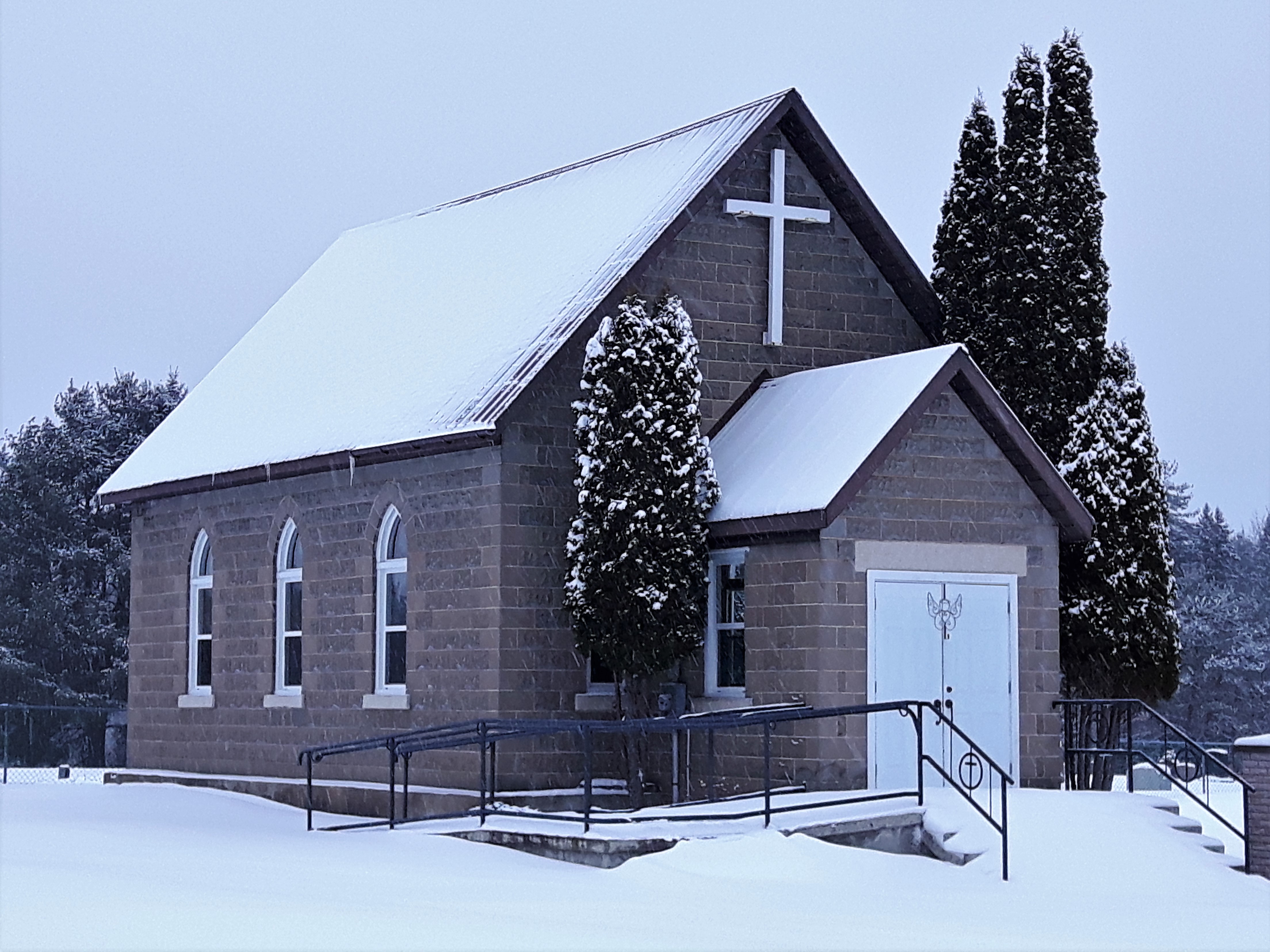
Photo courtesy of Liz Kranz

