• Home
  • About
  • DavidKitz.ca
  • Youtube Videos
  • Books by David
  • Books on Amazon.com

I love the Psalms

~ Connecting daily with God through the Psalms

I love the Psalms

Tag Archives: prairie

Counteracting Our Selfishness

25 Monday Mar 2024

Posted by davidkitz in Psalm 135, Psalms

≈ Leave a comment

Tags

adoration, Jesus, prairie, praise the LORD, Psalms, Savior, selfishness, the LORD, worship

Today’s Devotion from the Psalms

Reading: Psalm 135:1-7
Praise the LORD.
Praise the name of the LORD;
praise him, you servants of the L
ORD,
you who minister in the house of the L
ORD,
in the courts of the house of our God.
Praise the LORD, for the LORD is good;
sing praise to his name, for that is pleasant.
For the L
ORD has chosen Jacob to be his own,
Israel to be his treasured possession.
I know that the LORD is great,
that our Lord is greater than all gods.
The L
ORD does whatever pleases him,
in the heavens and on the earth,
in the seas and all their depths.
He makes clouds rise from the ends of the earth;
he sends lightning with the rain
and brings out the wind from his storehouses
(NIV). *

woman in meadow under veil

Photo by Sydney Sang on Pexels.com

Reflection
Like many of the psalms, Psalm 135 begins by calling us to worship. Specifically, this is a call to praise the LORD. Praise the LORD, for the LORD is good; sing praise to his name, for that is pleasant.

So, what is the difference between praise and worship? Worship is a broad term that expresses itself in a variety of ways. The Encarta Dictionary defines worship as “the adoration, devotion, and respect given to a deity.”

We can show devotion, adoration, and respect for God in wide range of ways. We can use our bodies to express worship by bowing, kneeling, falling prostrate, or lifting our hands and faces heavenward. We read that both David and Miriam danced before the LORD as an act of worship. See 2 Samuel 6:13-15 and Exodus 15:20-21.

Praise and thanksgiving are verbal forms of worship that reflect a heart of adoration. But why do the Psalms call on us to praise God so frequently? Is the LORD a grand, heavenly egomaniac who demands our worship to satisfy His desire for recognition and importance? Hardly.

Just the opposite is true. God does not need our worship. We are the egomaniacs. Praise and worship counteract the selfishness that is at the root of our sinful nature. We desperately need to get our eyes off ourselves and onto the One who is worthy of all praise. So here to counter what ails us is a simple but powerful prescription from your heavenly Father: Praise the LORD.

Response: Father God, I worship you. Thank you for sending Jesus to be my Savior. Holy Spirit, infuse my praise and worship with joy. You are so very good—so very kind to me. Let praise in all its varied forms flow from me to you. Amen.

Your Turn: What forms or expressions of worship are most meaningful to you? Why are they meaningful?

* NEW INTERNATIONAL VERSION, COPYRIGHT ©1973, 1978, 1984, 2011 BY BIBLICA

BGBG_v4.3_150[1818]

Please pray for peace to return to Israel, Gaza, and Ukraine!

Volume I of Psalms 365: Develop a Life of Worship and Prayer won the Best Book of the Year Award from The Word Guild and Volume II has won the Best Devotional of the Year Award. For those who love God’s word, this three-book series is an ideal way to daily meet with the Lord. To purchase or for a closer look click here.

4485 FACEBOOK-1

Lent is here. Easter is approaching.
Are you ready for a journey to the cross?
For a closer look or to purchase click here.

Looking Back at 2022

02 Monday Jan 2023

Posted by davidkitz in Uncategorized

≈ Leave a comment

Tags

depression, drought, farm, mother, prairie, Queen Elizabeth II, the Queen

My most popular post for 2022 was not a story or devotional I wrote. It was a real-life account written by my mother, whose 100 hundredth birthday I hoped to celebrate on December 28th, 2022. Instead, she graduated into the presence of Jesus six months short of that centennial milestone.

Queen EII

Queen Elizabeth II

My mother, Wanda Kitz, was looking forward to getting her congratulatory letter from Queen Elizabeth II. (All Canadians who reach 100 years get a signed commendation from the reigning monarch.) But alas, the Queen too passed away before my Mom’s 100th birthday. Perhaps, they met in person in the mansions of glory to celebrate her birthday. That thought puts a smile on my face.

In many ways for me 2022 was a milestone year. I lost two queens, my mother and the only reigning monarch I knew. I was born in 1952, seventeen days after the death of King George VI, and Elizabeth’s ascent to the throne. Her reign and my mother’s life have been two constants throughout my seventy years on this planet.

Here then with fond and thankful memories is my mother’s story.


Two Boxcars and Two Cents

By Wanda Kitz

My father Gotlieb Ziebart was born in Russia in 1886. He came to Canada in 1912, just before the First World War. He came to Wolseley, Saskatchewan. He helped build the number one highway. Later he took up a homestead, section 35, township 16, range 24, West 3 degrees, new, Maple Creek – Piepot on the prairies of southwestern Saskatchewan.
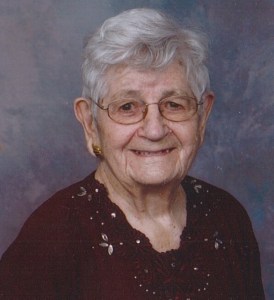
Wanda

Wanda Kitz (nee Ziebart) 1922-2022

He married my mother, Emily Wuschke in 1917. She was from Bateman, Saskatchewan. Her parents came over to Canada from Poland in 1911 when my mother was ten years old. There were nine children. The youngest was born in Canada, and she was only nine months old when her father passed away. The oldest boy in the family was sixteen. When his father died, he stayed at home to farm and the other kids went working. The boys were hired to tend cattle for neighbors and the girls babysat. They stayed wherever they worked. Their pay was a place to sleep, their daily food, and maybe a secondhand pair of shoes or a coat. They got home once in two or three months. Things were tough.

My parents lived on the homestead for about five years. I was the third child born there. Their farm was seconded by ranchers, and they wanted dad’s land, so he sold it and moved to Bateman and then to Mankota.

My father was a good farmer and by 1928 we had a car, a tractor, and a threshing machine and two lines of horses. He also had cattle and five kids. But he lived on rented land.

So he bought a farm at Mossbank. Mother had three brothers living there. His hopes were high for a great future for his family. He put all his money down for a down payment on the farm. Then the depression came. Markets crashed, not just the stock market, but the market for grain and everything the farm produced.

Drought came.

He lost everything.

The drought lasted for eight years. Things were rough. The government gave us relief – two dollars per person per month. By that time there were six children, but dad wouldn’t take anything for the baby.

He said, “I have milk. I will feed him.”

So we got twelve dollars a month. That was during the winter. When the grass got green, the government relief was cut off. My father was a proud man, and he didn’t take anything from anyone, least of all the government.

As the drought worsened, the people that had a little money just packed up and left for the Peace River country in northern Alberta, or they moved to B.C. There were beautiful homes and farmyards left vacant. They were simply abandoned. The land didn’t get seeded. The wind and the grasshoppers took care of it.

By 1937 things were so bad, the government offered to help the farmers to move out. Dad was one of them. They could move you, or watch you starve. There was no feed for the cattle. The government wanted you to sell them. I remember having to go and pump water every two hours until the well was dry. Then we would wait two hours and go pump again.

Dad and three of his friends went land hunting. Dad came back and said he had bought a farm. The other men said they were going to buy later, but they never did.

We were moving – moving from the treeless prairie to the bush country.

The prairie was all we knew.

Mother and us kids were not happy about the move. At Mossbank, mother had brothers and sisters and a mother. We kids had all our cousins and friends. But we moved to Aaron, Saskatchewan – post office White Beach. Dad had sold horses and cattle and made a down payment of $150.00 on a farm on the west end of Thunder Hill. It was more than four hundred miles to the northeast, very near the Manitoba border. For us it was like moving to another world.

How did we get there?

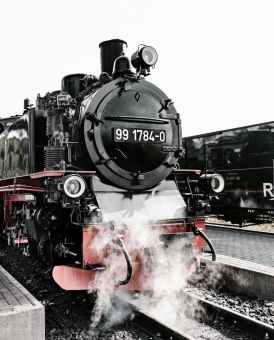
The government gave us two boxcars on a freight train. They said they would pay the passenger tickets to get the family there, and it would take two days for the freight train to arrive. The freight cars came, but nothing to move the family. No money. No money from the government, and dad didn’t have any.

You are on your own. You do what you must.

We had two days to load. In one freight car, dad put the cattle at one end, and the farm implements at the other end. Everything was taken apart. The seed drill, the binder, the hay rake, the wagon, and the horse drawn sleigh, everything was packed into the rail car. On the other end of the car were the nine horses, pigs in a crate, chickens, a dog and a cat, and then more farm implements piled up on one side. On the other railcar he put a wagon box. On the far end of the box was the furniture stacked from bottom to top. The dining room buffet was at the bottom, the dresser on top, and then the sewing machine on top of that. I can still see it all stacked and crammed in.

Mother and five kids lived in the wagon box. Dad and my oldest brother could stay with the cattle in the other car. They were legal. But the rest of us, the family, we were stowaways.

Right on the top of all the implements dad put the harrows, and we unrolled a mattress over them. We could lie up there, but couldn’t sit. It was too cramped. I spent most of my time up there.

The train stopped in every town, and every time it stopped or started it gave this awful jar. Our heads would hit the steel bars on the roof of the car. It was terrible. Terrible!

It was so hot! No air!

We were shut up with the animals. The stench!

Dad was told it would take us two days. We left Mossbank on the thirteenth of August in the afternoon at about three o’clock. We were prairie refugees. Dust bowl refugees. We traveled from Mossbank to Avonlea, and they left us sitting there until the next day, about thirty-five miles from Mossbank.

The next day we went from Avonlea to Moose Jaw and then on to Regina.

The third day we went to Saskatoon and sat there in the stifling prairie heat.

On the fourth day we started east and made it to Humboldt. We stayed there overnight.

On the fifth day we got to Aaron at about suppertime. We had traveled five days. The cattle and horses had little or no water or feed. The cattle were let out of the cars once, into the stockyards, but not the horses.

We had very little food and water. We almost died in the heat. It was August 13th to the 18th, 1937.

Hot. Dry. Dusty. Unrelenting heat.

black and pink train

Photo by Felix Mittermeier on Pexels.com

Mother had prepared some food for on the way, enough for two days. She had roasted two chickens. When the railway station agent in Mossbank couldn’t sell us tickets, he was mad. Dad had no money. The agent wanted to squeal on him, so dad gave him the two roasted chickens and then dad told him to keep his mouth shut. But we starved.

I will never forget all this as long as I live.

That first evening in Aaron, mother and my sister and I stayed with the people from whom dad had bought the land. They gave us supper and a bed for the night. Dad and the boys stayed with the boxcars. They looked after the cattle and started unloading and setting the wagons together.

The next morning, I and two of my brothers were put in charge of the cattle. We were to take them to our farm ten miles away. We were strangers in a strange land. The cattle had never seen trees before. All this bush was foreign to them. They went through everything, fences and all. They wanted to go home, and so did we – back to where we came from.

By noon we were about halfway. There was an open field where the hay had been cut, so we let the cows graze and rest there. We went to a farmhouse and asked for water. Then we went back to the cattle and waited for dad to come with the wagons.

The people in the farmhouse were good to us. When afternoon began turning to evening, they came and asked us to come and have supper with them. We waited until midnight before dad finally came. Then we took the cattle the rest of the way. They followed the wagon in the dark, and this time they had sense enough to stay on the road.

When we got to our home, there were renters living on the land. It was August and they had to take off the crop. They were Ukrainian and couldn’t speak any English, but they had two boys, eight and ten years old. They could speak English because they learned it at school, so that is how we communicated with them. They gave mother and my sister and me a spot on the floor to sleep. Dad and the boys found some hay to sleep on. The next day they gave us a granary to use as a house until they moved out.

I was fourteen years old when we moved north to Aaron. Come September, my sister and one brother and I went to White Beech School. I was in grade eight. We got to know some very nice people. After all these years I still keep in touch with my old school pal Eva. She lives in Benito.

When we got there in mid-August, we had to make hay and feed for the winter. The people around us were very kind. They helped us out by giving us patches of hay land that they hadn’t cut. They gave us potatoes and vegetables too. We had never seen tomatoes in a garden before, or carrots or dry beans. In the south there was no such thing. There was no rain, only grasshoppers and dust storms. Here in the north everything was green – grass so tall you couldn’t walk through it. And it rained!

But winter came.

The government was supposed to send us relief for a year from Mossbank, but it didn’t come until Christmas. Dad had no money. The storekeeper at White Beech gave us credit so we could get coal oil and matches and a few groceries, or we would have starved in the dark.

For Christmas we kids wrote a letter to our friends and cousins in Mossbank. We were so homesick for them and our old home! We gave the letter to dad. But he couldn’t mail it. He didn’t have the two cents for postage stamps. He carried that letter in his pocket. He didn’t have the heart to tell us. Eventually in spring we found the crumpled envelope in dad’s jacket pocket.

That spring dad planted wheat on Thunder Hill. It came up and grew like nothing we had ever seen. We had high hopes. But everything rusted out. A rust fungus killed the wheat as it headed out. Most of the wheat was burned in the field. There was nothing in it. That first year in the north was harder to take than all the years of drought on the prairie. There the land had taught us to expect nothing. And we got nothing. But here the land, the sky and the falling rain promised to give us the moon. But come September, it too gave us nothing – a harvest of hardship.

After I passed my grade eight, I went out working for $5.00 a month. I finally worked my way to Roblin, Manitoba, and then to MacNutt, Saskatchewan where I met Ewald Kitz. We were married in 1943. A year later my parents moved to Dropmore, Manitoba where they farmed until they retired to Roblin. Mother passed away in 1970, and dad in 1977 at the age of ninety-one.

As long as I live, I will never forget that train trip from Mossbank to Aaron. Even now if I happen to be at a railway crossing when the train goes by, it still sends hot and cold shivers down my spine. Unbelievable!

I still can’t throw anything away. I always think of the hard times I went through growing up. I guess that’s why I make World Relief quilts. I know what it’s like to be without, what it’s like to be forced to pack up and leave home.

Note: My Mother was welcomed into her heavenly home on July 9, 2022. Here is an account of the hardships of her childhood that she wrote about a decade ago. We have much to be thankful for.

He Supplies the Earth with Rain

24 Monday Feb 2020

Posted by davidkitz in Devotionals, Psalm 147, Psalms

≈ 3 Comments

Tags

daily bread, prairie, rain, supplier, well of salvation

Reading: Psalm 147
(Verses 8-12)
He covers the sky with clouds;
he supplies the earth with rain
and makes grass grow on the hills.
He provides food for the cattle
and for the young ravens when they call.
His pleasure is not in the strength of the horse,
nor his delight in the legs of the warrior;
the LORD delights in those who fear him,
who put their hope in his unfailing love.
Extol the LORD, Jerusalem;
praise your God, Zion (NIV).*

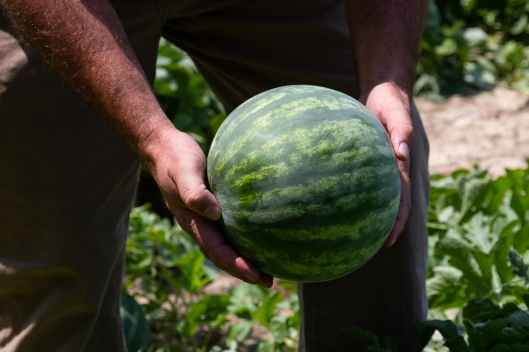
close up photo of person holding green watermelon fruit

Photo by John Lambeth on Pexels.com

Reflection
I grew up on a farm on the prairies. During the hot summer it was not unusual for rain to be in short supply, but rain is essential for growing field crops of any kind.

As a child one of my favorite garden projects was growing watermelons. Two key ingredients are needed if you want to grow watermelons: lots of direct sunlight and a plentiful supply of water. I could count on the sunlight pouring down from the sky, but rain was far less dependable. There may be afternoon or evening thundershowers, but they were often of the hit and miss variety. All too often on the thundershower scoreboard, we scored a miss. In such conditions daily watering was essential.

Each of my watermelon plants could count on a daily supply of a gallon of water. Barring a major downpour, I was their supplier. I brought my plants pails of water from the well. By September all the hard work of summer began to pay off. The garden-grown watermelons were delicious and juicy beyond compare.

Today’s reading from Psalm 147 reminds us that the LORD is our supplier. He covers the sky with clouds; he supplies the earth with rain and makes grass grow on the hills. 

The LORD is the ultimate supplier of all things, rain and sunshine and life itself. All He asks is that we fear Him—honor Him with the respect He deserves. The LORD delights in those who fear him, who put their hope in his unfailing love. What a comforting thought! The LORD delights in me. Wow! 

I need a daily supplier. I need a supply of daily bread—those necessary things that sustain life. But beyond that, I also need less tangible things like love, encouragement and peace of mind. Sometimes those things fall from the sky. But there are other times when I need to go to the well—the well of my salvation. There is a supply of grace stored up there for me to access. “The LORD, the LORD himself, is my strength and my defense; he has become my salvation.” With joy you will draw water from the wells of salvation (Isaiah 12:2b-3).

Response: LORD God, I am thankful that you are my supplier. You provide for all my needs and many of my desires as well. Your grace is abundant. You are my salvation and source of joy. Amen.

Your Turn: Do you have a steady supplier? Do you have access to the well of salvation?

*New International Version, Copyright © 1973, 1978, 1984, 2011 by Biblica.

David Awakens the Dawn

15 Tuesday May 2018

Posted by davidkitz in Bible, Devotionals, God's word, Psalm 108, Psalms

≈ 7 Comments

Tags

atheist, David, dawn, Manitoba, music, prairie, praise, Psalm 108, repent, steadfast, sunrise, thankful, the LORD

Reading: Psalm 108
A song. A psalm of David.
(Verses 1-5)
My heart, O God, is steadfast;
I will sing and make music with all my soul.
Awake, harp and lyre!
I will awaken the dawn.
I will praise you, L
ORD, among the nations;
I will sing of you among the peoples.
For great is your love, higher than the heavens;
your faithfulness reaches to the skies.
Be exalted, O God, above the heavens;
let your glory be over all the earth
(NIV).

Reflection
This morning did you awaken the dawn or did the dawn awaken you? For those who are early risers awakening the dawn becomes much easier as the days get shorter and we approach the winter solstice. But just the opposite is true now. I confess that this morning I did not awake before sunrise.

img_20161114_074737

Manitoba sunrise, “Awake my soul” — photo by David Kitz

There is something quite magical about watching the sunrise and spread its golden rays across the eastern sky. I was treated to a magnificent sunrise display last Monday. I was driving east across the prairies and as each mile slipped by the glory along the horizon grew more and more intense. I pity the poor atheist who has no one to praise when he beholds such a display.

For believers, praise for our God springs naturally from our lips when we see God paint the sky with golden hues of splendor. In such moments David’s call to worship becomes our own: Awake, harp and lyre! I will awaken the dawn. I will praise you, LORD, among the nations; I will sing of you among the peoples. 

Can you picture David taking up his harp and breaking into song as he locks his eyes on the rising sun? David was a most remarkable character. What sets David apart from other individuals we meet in the pages of scripture? He was a man of spectacular failings. His adulterous affair with Bathsheba and the treacherous means he used to dispatch her husband stand out. But there’s nothing remarkable about spectacular failings and shortcomings. These are common to man.

What stands out about David’s character is his steadfastness to the LORD. The opening lines of Psalm 109 hold the key to understanding David’s overcoming nature. My heart, O God, is steadfast; I will sing and make music with all my soul. 

Despite his failings, David remained steadfast in his love for God. Secondly, he was wholehearted in his praise for God. When things came off the rails, he did not turn away from the LORD or stop praising Him. He repented and God forgave him. Then David gave thanks. David’s example is there for us to follow.

Response: LORD God, I always want to have a thankful heart that is quick to praise you. Help me to be steadfast in love and praise even when the way ahead is difficult. You are my help and my glory. Amen.

Your Turn: What does being steadfast look like for you?

Early Thanksgiving?

04 Wednesday Apr 2018

Posted by davidkitz in Bible, Devotionals, Psalm 100, Psalms

≈ 1 Comment

Tags

feast, gladness, gratitude, joy, prairie, praise, prayers, psalm of praise, Regina, Saskatchewan, sheep, thanks, thanksgiving, the LORD

Reading:                                   Psalm 100                                                                

A psalm. For giving grateful praise.
Shout for joy to the LORD, all the earth.
Worship the LORD with gladness;
come before him with joyful songs.
Know that the L
ORD is God.
It is he who made us, and we are his;
we are his people, the sheep of his pasture.
Enter his gates with thanksgiving
and his courts with praise;
give thanks to him and praise his name.
For the L
ORD is good and his love endures forever;
his faithfulness continues through all generations
(NIV).

Reflection
When you grow up on a prairie farm, as I did, you appreciate the traditional aspects of Thanksgiving all the more. You are reminded each day that the food on your table does not simply come from a store. You are actively engaged in producing the nourishment that sustains your own life. Though today may be a long way from Thanksgiving, I know I need daily reminders to be thankful. How about you?

2018-03-25hdr

Early morning sunrise, Regina, Saskatchewan — photo by David Kitz

As a youngster I sat down to many a Thanksgiving feast, and almost all the food found on that groaning table was home-grown. I watched those vegetables growing in our garden in the hot summer sun. I even pulled the weeds from around those peas. And those mashed potatoes, I helped my mother hill those tubers in the spring and then dug them up after the frost hit in the fall.

My brother loved growing pumpkins, and mom would turn his favorite into the best pumpkin pie east of the Rockies. And how can you eat pumpkin pie without a mound of whipped cream on top? Well let me tell you, it tastes even better, when just that morning you milked the cows that produced that sweet rich cream. Oh, and that huge turkey—we’ll miss that pompous strutting gobbler out by the hen-house. But I’m sure we’ll get over it, somehow. For now, let’s just dig in.

Let’s all dig in, and give thanks to the God, who made all this possible. This sumptuous feast has been brought to you by Him. Now that’s Thanksgiving!

The great God in heaven has been kind to us. He has answered our prayers. He brought the warmth of spring and the rain of heaven. He caused his face to shine upon us. The rich earth responded to his touch. It brought forth its bounty, and now around this table we have gathered together as a family to celebrate God’s great goodness to us.

As the psalmist declares, “It is he who made us, and we are his; we are his people, the sheep of his pasture.” So today with joy-filled hearts we enter his gates with thanksgiving and his courts with praise. We give thanks to him and praise his name. 

Response: Heavenly Father, thank you for all your kindness. You have been so good to us! Help us to maintain an attitude of gratitude all year long and not only on Thanksgiving Day, but every day. Amen.

Your Turn: What blessings from God’s hand are you most grateful for? Say a prayer of thanks right now.

The Delights of the Supplier

09 Tuesday May 2017

Posted by davidkitz in Psalm 147, Psalms

≈ 13 Comments

Tags

daily bread, delights, garden, prairie, provider, rain, salvation, sunshine, supplier, the LORD, the well of salvation, watermelons

Reading:                                         Psalm 147

(Verses 8-12)
He covers the sky with clouds;
he supplies the earth with rain
and makes grass grow on the hills.
He provides food for the cattle
and for the young ravens when they call.
His pleasure is not in the strength of the horse,
nor his delight in the legs of the warrior;
the LORD delights in those who fear him,
who put their hope in his unfailing love.
Extol the LORD, Jerusalem;
praise your God, Zion (NIV).

Reflection

I grew up on a farm on the prairies. During the hot summer it was not unusual for rain to be in short supply, but rain is essential for growing field crops of any kind.

img_20160929_111736

Backyard dahlia blossom — photo by David Kitz

As a child one of my favorite garden projects was growing watermelons. Two key ingredients are needed if you want to grow watermelons: lots of direct sunlight and a plentiful supply of water. I could count on the sunlight pouring down from the sky, but rain was far less dependable. There may be afternoon thundershowers, but they were often of the hit and miss variety. All too often on the thundershower scoreboard, we scored a miss. In such conditions daily watering was essential.

Each of my watermelon plants could count on a daily supply of a gallon of water. Barring a major downpour, I was their supplier. I brought my plants pails of water from the well. By September all the hard work of summer began to pay off. The garden-grown watermelons were delicious and juicy beyond compare.

Today’s reading from Psalm 147 reminds us that the LORD is our supplier. He covers the sky with clouds; he supplies the earth with rain and makes grass grow on the hills.

The LORD is the ultimate supplier of all things, rain and sunshine and life itself. All He asks is that we fear Him—honor Him with the respect He deserves. The LORD delights in those who fear him, who put their hope in his unfailing love.

I need a daily supplier. I need a supply of daily bread—those necessary things that sustain life. But beyond that, I also need less tangible things like love, encouragement and peace of mind. Sometimes those things fall from the sky. But there are other times when I need to go to the well—the well of my salvation. There is a supply of grace stored up there for me to access. “The LORD, the LORD himself, is my strength and my defense; he has become my salvation.” With joy you will draw water from the wells of salvation (Isaiah 12:2b-3).

Response: LORD God, I am thankful that you are my supplier. You provide for all my needs and many of my desires as well. Your grace is abundant. You are my salvation and source of joy. Amen.

Your Turn: Do you have a steady supplier? Do you have access to the well of salvation?

Psalms 365: Develop a Life of Worship and Prayer

Psalms 365 Volume II

Psalms 365 vol 3
— Psalms 365 Volume III

Psalms

Recent posts

  • Ready for the King of Glory December 19, 2025
  • My Spirit Rejoices in God My Savior December 18, 2025
  • Joining the Generation That Seeks God December 18, 2025
  • Why Am I So Favored December 17, 2025
  • How Can You Find the Good Life? December 17, 2025
  • The Power of the Most High December 16, 2025
  •  The Earth Turns to the LORD December 16, 2025

Calendar

December 2025
M T W T F S S
1234567
891011121314
15161718192021
22232425262728
293031  
« Nov    

Blog Posts

Comments

  • davidkitz on Joining the Generation That Seeks God
  • cjsmissionaryminister on God Sent His Son
  • cjsmissionaryminister on The God of the Broken

Blog at WordPress.com.

Privacy & Cookies: This site uses cookies. By continuing to use this website, you agree to their use.
To find out more, including how to control cookies, see here: Cookie Policy
  • Subscribe Subscribed
    • I love the Psalms
    • Join 1,378 other subscribers
    • Already have a WordPress.com account? Log in now.
    • I love the Psalms
    • Subscribe Subscribed
    • Sign up
    • Log in
    • Report this content
    • View site in Reader
    • Manage subscriptions
    • Collapse this bar
 

Loading Comments...