• Home
  • About
  • DavidKitz.ca
  • Youtube Videos
  • Books by David
  • Books on Amazon.com

I love the Psalms

~ Connecting daily with God through the Psalms

I love the Psalms

Tag Archives: depression

Learn from Me

30 Tuesday Sep 2025

Posted by davidkitz in Psalm 145

≈ 2 Comments

Tags

depression, health, humble, Jesus, Prayer, Psalms, rest, Savior, the LORD, weary, yoke

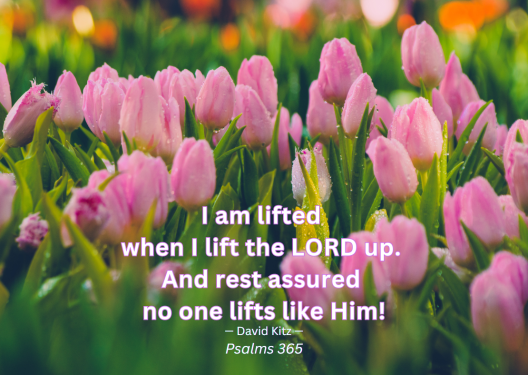
Today’s quote and prayer from
“Psalms 365: Develop a Life of Worship and Prayer”

Today’s Reading: Psalm 145:13-16

LORD God,
thank you for lifting me
out of the quagmire of sin.
Jesus,
you are my merciful Savior.
Thank you for restoring my health
and lifting me out of depression.
You are faithful
and kind.
Amen.

— — — —

“Come to me,
all you who are weary and burdened,
and I will give you rest.

Take my yoke upon you
and learn from me,
for I am gentle
and humble in heart,
and you will find rest for your souls.

For my yoke is easy
and my burden is light.”

(Matthew 11:28-30 NIV)*

Para la publicación de Salmos 365 de hoy en español haga clic aquí.

bgbg_v4.3_1501818
* NEW INTERNATIONAL VERSION, COPYRIGHT ©1973, 1978, 1984, 2011 BY BIBLICA

Please pray for peace to return to Israel, Gaza, Sudan, and Ukraine!

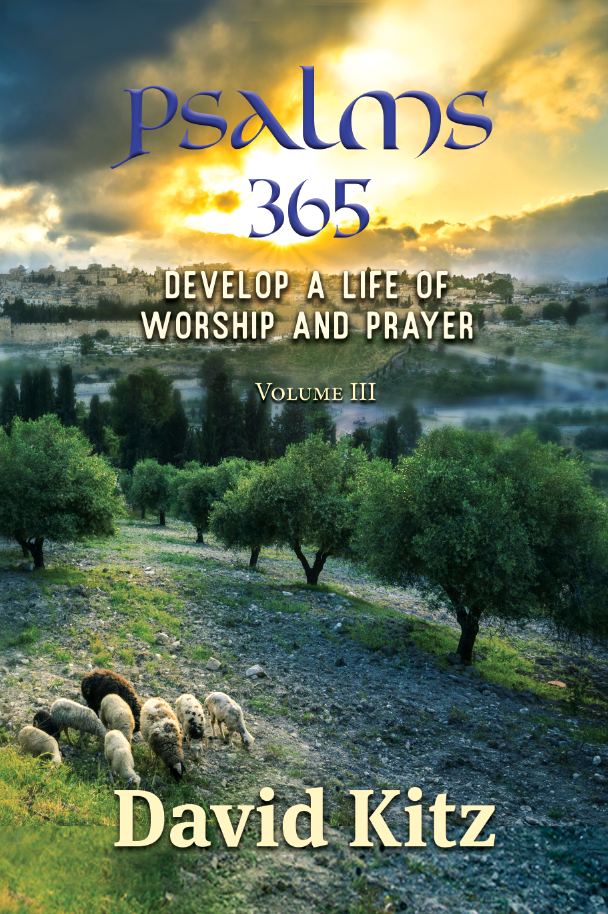
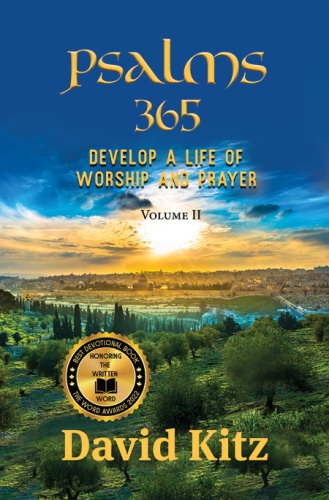
Volume I of Psalms 365: Develop a Life of Worship and Prayer won the Best Book of the Year Award from The Word Guild and Volume II has won the Best Devotional of the Year Award. For those who love God’s word, this three-book series is an ideal way to daily meet with the Lord. To purchase or for a closer look click here.

A gripping read from David Kitz.
Is a return-to-Jesus revival possible in our time?
This book points the way forward.

Trusting God’s Faithfulness in Hard Times

30 Tuesday Sep 2025

Posted by davidkitz in Psalms

≈ Leave a comment

Tags

deliverance, depression, faithfulness, grace, healing, hope, Jesus, obedience, provider, renewal, restoration, salvation, strength, testimony, trust

Today’s Devotion from Psalms 365 by David Kitz

Reading: Psalm 145:13-16
The LORD is trustworthy in all he promises
and faithful in all he does.
The LORD upholds all who fall
and lifts up all who are bowed down.
The eyes of all look to you,
and you give them their food at the proper time.
You open your hand
and satisfy the desires of every living thing (NIV). *

Reflection
More than thirty years ago I went through a dark time in my life. It all began rather abruptly. I got up from the dinner table and went to put my dishes on the kitchen counter. Suddenly everything went dark. According to my wife, I hit the floor with a thud. That’s where she found me unconscious. She was able to revive me and help me to the living room couch. A quick trip to the doctor followed but remaining conscious was a real struggle for me. The blackness kept closing in.

The diagnosis was a complete shutdown of my thyroid gland. Getting back to full health took quite some time. The severe depletion of the thyroid hormones in my body created several side effects. One of these side effects was clinical depression. Though I never blacked out again, I was draped in a lethargic blackness—a darkness of the soul that lasted for months. I needed an antidepressant to bring me back to balance. The medication provided the lift I needed during this dark episode of my life. Eventually, I regained full health, and I no longer needed the antidepressants.

My drug prescription provided the artificial lift that I needed during this transition back health. Today’s reading from Psalm 145 reminds us that the LORD is the true lifter. He lifts the fallen soul out of dark places. The LORD upholds all who fall and lifts up all who are bowed down (v. 14).

We all came into this world with a sinful nature. Willful disobedience comes natural to us. Prompt, willing obedience to God and his commands is not my first inclination. You see, I have fallen—fallen into a life of sin. That’s why I need a Savior. I need an inner change that is propelled by the Spirit of God. Only the LORD can lift me out my condition and restore me to spiritual health.

When God reveals Himself to us as our loving Father, and our faithful provider, by His grace we can choose to put our trust in Him. The LORD is trustworthy in all he promises and faithful in all he does (v. 15).

Do you have a lifter? Not an artificial lifter like drugs or alcohol, but a genuine lifter like the Lord Jesus Christ. Before he was lifted up on a cross, he spoke these words, “And I, when I am lifted up from the earth, will draw all people to myself” (John 12:32).

Is Jesus drawing you to himself?

Response: LORD God, thank you for lifting me out of the quagmire of sin. Jesus, you are my merciful Savior. Thank you for restoring my health and lifting me out of depression. You are faithful. Amen.

Your Turn: Has the LORD helped you through a dark period in your life? Take time now to praise him.

Para la publicación de Salmos 365 de hoy en español haga clic aquí.

bgbg_v4.3_1501818
* NEW INTERNATIONAL VERSION, COPYRIGHT ©1973, 1978, 1984, 2011 BY BIBLICA

Please pray for peace to return to Israel, Gaza, and Ukraine!

Volume I of Psalms 365: Develop a Life of Worship and Prayer won the Best Book of the Year Award from The Word Guild and Volume II has won the Best Devotional of the Year Award. For those who love God’s word, this three-book series is an ideal way to daily meet with the Lord. To purchase or for a closer look click here.

A gripping read from David Kitz.
Is a return-to-Jesus revival possible in our time?
This book points the way forward.
For details click here.

Lifted out of the Mire

07 Tuesday May 2024

Posted by davidkitz in Psalm 145

≈ Leave a comment

Tags

depression, health, Jesus, praise, Prayer, Psalms, Savior, sin, the LORD, trust in God

Today’s quote and prayer from
“Psalms 365: Develop a Life of Worship and Prayer”
by David Kitz.Psalm 145_1-7

Reading: Psalm 145:13-16

LORD God,
thank you for lifting me
out of the quagmire of sin.
Jesus,
you are my merciful Savior.
Thank you for restoring my health
and lifting me out of depression.
You are ever faithful. 

Amen.

— — —

I waited patiently for the LORD;
    he turned to me and heard my cry.
He lifted me out of the slimy pit,
    out of the mud and mire;
he set my feet on a rock
    and gave me a firm place to stand.
He put a new song in my mouth,
    a hymn of praise to our God.
Many will see and fear the LORD
    and put their trust in him.

(Psalm 40:1-3), NIV)*

* NEW INTERNATIONAL VERSION, COPYRIGHT ©1973, 1978, 1984, 2011 BY BIBLICA

BGBG_v4.3_150[1818]

Please pray for peace to return to Israel, Gaza, and Ukraine!

Volume I of Psalms 365: Develop a Life of Worship and Prayer won the Best Book of the Year Award from The Word Guild and Volume II has won the Best Devotional of the Year Award. For those who love God’s word, this three-book series is an ideal way to daily meet with the Lord. To purchase or for a closer look click here.TheElishaCodeCVR5

To purchase or for a closer look click here.

Overwhelmed with Troubles

05 Thursday Oct 2023

Posted by davidkitz in Psalm 88

≈ Leave a comment

Tags

comfort, depression, despair, sorrow, troubles

Reading: Psalm 88
A song. A psalm of the Sons of Korah. For the director of music.
According to mahalath leannoth. A maskil of Heman the Ezrahite.
LORD, you are the God who saves me;
day and night I cry out to you.
May my prayer come before you;
turn your ear to my cry.
I am overwhelmed with troubles
and my life draws near to death.
I am counted among those who go down to the pit;
I am like one without strength.
I am set apart with the dead, like the slain who lie in the grave,
whom you remember no more, who are cut off from your care.
You have put me in the lowest pit,
in the darkest depths.
Your wrath lies heavily on me;
you have overwhelmed me with all your waves.
You have taken from me my closest friends
and have made me repulsive to them.
I am confined and cannot escape; my eyes are dim with grief
(NIV). *

2020-10-17

Autumn morning mist — photo by David Kitz

Reflection
There are 150 psalms in the book of Psalms and one of the most remarkable things about them is their emotional span. They range from giddy heights of joy and praise to great depths of depression and sorrow. The full array of human emotion and experience is on display. Whatever state you find yourself in, there’s a psalm for that—a psalm for every situation and human need. If you are in desperate straits, there’s a psalm for that. If you are soaring in the presence of God, there’s a psalm for that too. They reflect our need for God and our desire to connect with Him in all of life’s experiences.

Psalm 88 is a cry for help from the deepest pit of human need. Hear the psalmist’s cry of anguish: I am overwhelmed with troubles and my life draws near to death. I am counted among those who go down to the pit; I am like one without strength. I am confined and cannot escape; my eyes are dim with grief.

For reasons that we are not told, the psalmist feels trapped in the worst of circumstances. At times I think we all have been there—feeling alone with no one to turn to. In such times, there is no one to turn to but the LORD. In our time of despair, He does not reject us or turn us away. He is a God who comforts us, even as Paul, the apostle declares, “Praise be to the God and Father of our Lord Jesus Christ, the Father of compassion and the God of all comfort, who comforts us in all our troubles, so that we can comfort those in any trouble with the comfort we ourselves receive from God” (2 Corinthians 1:3-4).

If you are in the depths of depression or despair follow the example of Heman, the psalmist. Call out to God. He is listening. He reaches to the lowest pit.

Response: LORD God, I need your comfort. Hear my prayer and answer me. In this time of sorrow show me a sign of your love and favor, Lord. Amen.

Your Turn: Are you currently facing a time of trouble or sorrow? Have you asked others to pray for you?

* NEW INTERNATIONAL VERSION, COPYRIGHT ©1973, 1978, 1984, 2011 BY BIBLICA

BGBG_v4.3_150[1818]

Please pray for peace to return to Ukraine!

Volume I of Psalms 365: Develop a Life of Worship and Prayer won the Best Book of the Year Award from The Word Guild and Volume II has won the Best Devotional of the Year Award. For those who love God’s word, this three-book series is an ideal way to daily meet with the Lord. To purchase or for a closer look click here.

TheElishaCodeCVR5

A Prayer for Seniors

09 Wednesday Aug 2023

Posted by davidkitz in Psalm 71

≈ 4 Comments

Tags

dementia, depression, discouragment, disease, seniors, strength, youth

Reading: Psalm 71:9-18
Do not cast me away when I am old;
do not forsake me when my strength is gone.
For my enemies speak against me;
those who wait to kill me conspire together.
They say, “God has forsaken him;
pursue him and seize him, for no one will rescue him.”
Do not be far from me, my God;
come quickly, God, to help me.
May my accusers perish in shame;
may those who want to harm me
be covered with scorn and disgrace.
As for me, I will always have hope;
I will praise you more and more
My mouth will tell of your righteous deeds,
of your saving acts all day long—
though I know not how to relate them all.
I will come and proclaim your mighty acts, Sovereign L
ORD;
I will proclaim your righteous deeds, yours alone.
Since my youth, God, you have taught me,
and to this day I declare your marvelous deeds.
Even when I am old and gray, do not forsake me, my God,
till I declare your power to the next generation,
your mighty acts to all who are to come
(NIV). *

img_20220910_1937305

Photo by David Kitz

Reflection
I am now officially a senior, and I am inching my way forward in my eighth decade. I am seventy-one. How did that happen? With each passing year, I can more fully identify with the psalmist’s prayer. For those of us in our sixth decade and beyond, great wisdom can be found in this psalm. As physical vitality declines, more and more we come to rely on the strength of God.

The psalmist laments, “For my enemies speak against me; those who wait to kill me conspire together.”

Our enemies don’t all strut about on two legs. Some of them creep into our lives in more subtle forms like discouragement, depression, dementia, and disease. These are the more common enemies that conspire against us. When they gain the upper hand, our golden years lose their luster. Against this backdrop the psalmist is defiant. He takes his stand. As for me, I will always have hope; I will praise you more and more… 

Having come this far by the grace of God, this is not the time to retreat… till I declare your power to the next generation, your mighty acts to all who are to come.

Response: LORD God, thank you for your presence with me since my youth. Continue to fill my life with joy, meaning and purpose. Day by day, be my help and strength until I see you face to face. Amen.

Your Turn: Do you look forward to your golden years? How can you fill your years with meaning and purpose?

* NEW INTERNATIONAL VERSION, COPYRIGHT ©1973, 1978, 1984, 2011 BY BIBLICA

BGBG_v4.3_150[1818]

Your prayers for the people of Ukraine are making a difference.

Volume I of Psalms 365: Develop a Life of Worship and Prayer won the Best Book of the Year Award from The Word Guild, and Volume II has won the Best Devotional of the Year Award. For those who love God’s word, this three-book series is an ideal way to daily meet with the Lord. Start your day with a new devotional series. To purchase or for a closer look click here.

Low Rez PsalmsVol2SEAl

The photo of Jerusalem on the cover of Psalm 365, Volume II

Looking Back at 2022

02 Monday Jan 2023

Posted by davidkitz in Uncategorized

≈ Leave a comment

Tags

depression, drought, farm, mother, prairie, Queen Elizabeth II, the Queen

My most popular post for 2022 was not a story or devotional I wrote. It was a real-life account written by my mother, whose 100 hundredth birthday I hoped to celebrate on December 28th, 2022. Instead, she graduated into the presence of Jesus six months short of that centennial milestone.

Queen EII

Queen Elizabeth II

My mother, Wanda Kitz, was looking forward to getting her congratulatory letter from Queen Elizabeth II. (All Canadians who reach 100 years get a signed commendation from the reigning monarch.) But alas, the Queen too passed away before my Mom’s 100th birthday. Perhaps, they met in person in the mansions of glory to celebrate her birthday. That thought puts a smile on my face.

In many ways for me 2022 was a milestone year. I lost two queens, my mother and the only reigning monarch I knew. I was born in 1952, seventeen days after the death of King George VI, and Elizabeth’s ascent to the throne. Her reign and my mother’s life have been two constants throughout my seventy years on this planet.

Here then with fond and thankful memories is my mother’s story.


Two Boxcars and Two Cents

By Wanda Kitz

My father Gotlieb Ziebart was born in Russia in 1886. He came to Canada in 1912, just before the First World War. He came to Wolseley, Saskatchewan. He helped build the number one highway. Later he took up a homestead, section 35, township 16, range 24, West 3 degrees, new, Maple Creek – Piepot on the prairies of southwestern Saskatchewan.
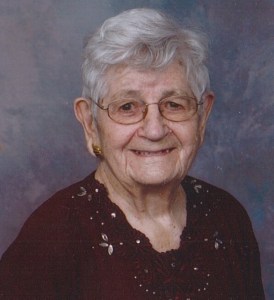
Wanda

Wanda Kitz (nee Ziebart) 1922-2022

He married my mother, Emily Wuschke in 1917. She was from Bateman, Saskatchewan. Her parents came over to Canada from Poland in 1911 when my mother was ten years old. There were nine children. The youngest was born in Canada, and she was only nine months old when her father passed away. The oldest boy in the family was sixteen. When his father died, he stayed at home to farm and the other kids went working. The boys were hired to tend cattle for neighbors and the girls babysat. They stayed wherever they worked. Their pay was a place to sleep, their daily food, and maybe a secondhand pair of shoes or a coat. They got home once in two or three months. Things were tough.

My parents lived on the homestead for about five years. I was the third child born there. Their farm was seconded by ranchers, and they wanted dad’s land, so he sold it and moved to Bateman and then to Mankota.

My father was a good farmer and by 1928 we had a car, a tractor, and a threshing machine and two lines of horses. He also had cattle and five kids. But he lived on rented land.

So he bought a farm at Mossbank. Mother had three brothers living there. His hopes were high for a great future for his family. He put all his money down for a down payment on the farm. Then the depression came. Markets crashed, not just the stock market, but the market for grain and everything the farm produced.

Drought came.

He lost everything.

The drought lasted for eight years. Things were rough. The government gave us relief – two dollars per person per month. By that time there were six children, but dad wouldn’t take anything for the baby.

He said, “I have milk. I will feed him.”

So we got twelve dollars a month. That was during the winter. When the grass got green, the government relief was cut off. My father was a proud man, and he didn’t take anything from anyone, least of all the government.

As the drought worsened, the people that had a little money just packed up and left for the Peace River country in northern Alberta, or they moved to B.C. There were beautiful homes and farmyards left vacant. They were simply abandoned. The land didn’t get seeded. The wind and the grasshoppers took care of it.

By 1937 things were so bad, the government offered to help the farmers to move out. Dad was one of them. They could move you, or watch you starve. There was no feed for the cattle. The government wanted you to sell them. I remember having to go and pump water every two hours until the well was dry. Then we would wait two hours and go pump again.

Dad and three of his friends went land hunting. Dad came back and said he had bought a farm. The other men said they were going to buy later, but they never did.

We were moving – moving from the treeless prairie to the bush country.

The prairie was all we knew.

Mother and us kids were not happy about the move. At Mossbank, mother had brothers and sisters and a mother. We kids had all our cousins and friends. But we moved to Aaron, Saskatchewan – post office White Beach. Dad had sold horses and cattle and made a down payment of $150.00 on a farm on the west end of Thunder Hill. It was more than four hundred miles to the northeast, very near the Manitoba border. For us it was like moving to another world.

How did we get there?

The government gave us two boxcars on a freight train. They said they would pay the passenger tickets to get the family there, and it would take two days for the freight train to arrive. The freight cars came, but nothing to move the family. No money. No money from the government, and dad didn’t have any.

You are on your own. You do what you must.

We had two days to load. In one freight car, dad put the cattle at one end, and the farm implements at the other end. Everything was taken apart. The seed drill, the binder, the hay rake, the wagon, and the horse drawn sleigh, everything was packed into the rail car. On the other end of the car were the nine horses, pigs in a crate, chickens, a dog and a cat, and then more farm implements piled up on one side. On the other railcar he put a wagon box. On the far end of the box was the furniture stacked from bottom to top. The dining room buffet was at the bottom, the dresser on top, and then the sewing machine on top of that. I can still see it all stacked and crammed in.

Mother and five kids lived in the wagon box. Dad and my oldest brother could stay with the cattle in the other car. They were legal. But the rest of us, the family, we were stowaways.

Right on the top of all the implements dad put the harrows, and we unrolled a mattress over them. We could lie up there, but couldn’t sit. It was too cramped. I spent most of my time up there.

The train stopped in every town, and every time it stopped or started it gave this awful jar. Our heads would hit the steel bars on the roof of the car. It was terrible. Terrible!

It was so hot! No air!

We were shut up with the animals. The stench!

Dad was told it would take us two days. We left Mossbank on the thirteenth of August in the afternoon at about three o’clock. We were prairie refugees. Dust bowl refugees. We traveled from Mossbank to Avonlea, and they left us sitting there until the next day, about thirty-five miles from Mossbank.

The next day we went from Avonlea to Moose Jaw and then on to Regina.

The third day we went to Saskatoon and sat there in the stifling prairie heat.

On the fourth day we started east and made it to Humboldt. We stayed there overnight.

On the fifth day we got to Aaron at about suppertime. We had traveled five days. The cattle and horses had little or no water or feed. The cattle were let out of the cars once, into the stockyards, but not the horses.

We had very little food and water. We almost died in the heat. It was August 13th to the 18th, 1937.

Hot. Dry. Dusty. Unrelenting heat.

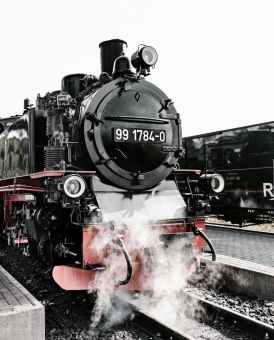
black and pink train

Photo by Felix Mittermeier on Pexels.com

Mother had prepared some food for on the way, enough for two days. She had roasted two chickens. When the railway station agent in Mossbank couldn’t sell us tickets, he was mad. Dad had no money. The agent wanted to squeal on him, so dad gave him the two roasted chickens and then dad told him to keep his mouth shut. But we starved.

I will never forget all this as long as I live.

That first evening in Aaron, mother and my sister and I stayed with the people from whom dad had bought the land. They gave us supper and a bed for the night. Dad and the boys stayed with the boxcars. They looked after the cattle and started unloading and setting the wagons together.

The next morning, I and two of my brothers were put in charge of the cattle. We were to take them to our farm ten miles away. We were strangers in a strange land. The cattle had never seen trees before. All this bush was foreign to them. They went through everything, fences and all. They wanted to go home, and so did we – back to where we came from.

By noon we were about halfway. There was an open field where the hay had been cut, so we let the cows graze and rest there. We went to a farmhouse and asked for water. Then we went back to the cattle and waited for dad to come with the wagons.

The people in the farmhouse were good to us. When afternoon began turning to evening, they came and asked us to come and have supper with them. We waited until midnight before dad finally came. Then we took the cattle the rest of the way. They followed the wagon in the dark, and this time they had sense enough to stay on the road.

When we got to our home, there were renters living on the land. It was August and they had to take off the crop. They were Ukrainian and couldn’t speak any English, but they had two boys, eight and ten years old. They could speak English because they learned it at school, so that is how we communicated with them. They gave mother and my sister and me a spot on the floor to sleep. Dad and the boys found some hay to sleep on. The next day they gave us a granary to use as a house until they moved out.

I was fourteen years old when we moved north to Aaron. Come September, my sister and one brother and I went to White Beech School. I was in grade eight. We got to know some very nice people. After all these years I still keep in touch with my old school pal Eva. She lives in Benito.

When we got there in mid-August, we had to make hay and feed for the winter. The people around us were very kind. They helped us out by giving us patches of hay land that they hadn’t cut. They gave us potatoes and vegetables too. We had never seen tomatoes in a garden before, or carrots or dry beans. In the south there was no such thing. There was no rain, only grasshoppers and dust storms. Here in the north everything was green – grass so tall you couldn’t walk through it. And it rained!

But winter came.

The government was supposed to send us relief for a year from Mossbank, but it didn’t come until Christmas. Dad had no money. The storekeeper at White Beech gave us credit so we could get coal oil and matches and a few groceries, or we would have starved in the dark.

For Christmas we kids wrote a letter to our friends and cousins in Mossbank. We were so homesick for them and our old home! We gave the letter to dad. But he couldn’t mail it. He didn’t have the two cents for postage stamps. He carried that letter in his pocket. He didn’t have the heart to tell us. Eventually in spring we found the crumpled envelope in dad’s jacket pocket.

That spring dad planted wheat on Thunder Hill. It came up and grew like nothing we had ever seen. We had high hopes. But everything rusted out. A rust fungus killed the wheat as it headed out. Most of the wheat was burned in the field. There was nothing in it. That first year in the north was harder to take than all the years of drought on the prairie. There the land had taught us to expect nothing. And we got nothing. But here the land, the sky and the falling rain promised to give us the moon. But come September, it too gave us nothing – a harvest of hardship.

After I passed my grade eight, I went out working for $5.00 a month. I finally worked my way to Roblin, Manitoba, and then to MacNutt, Saskatchewan where I met Ewald Kitz. We were married in 1943. A year later my parents moved to Dropmore, Manitoba where they farmed until they retired to Roblin. Mother passed away in 1970, and dad in 1977 at the age of ninety-one.

As long as I live, I will never forget that train trip from Mossbank to Aaron. Even now if I happen to be at a railway crossing when the train goes by, it still sends hot and cold shivers down my spine. Unbelievable!

I still can’t throw anything away. I always think of the hard times I went through growing up. I guess that’s why I make World Relief quilts. I know what it’s like to be without, what it’s like to be forced to pack up and leave home.

Note: My Mother was welcomed into her heavenly home on July 9, 2022. Here is an account of the hardships of her childhood that she wrote about a decade ago. We have much to be thankful for.

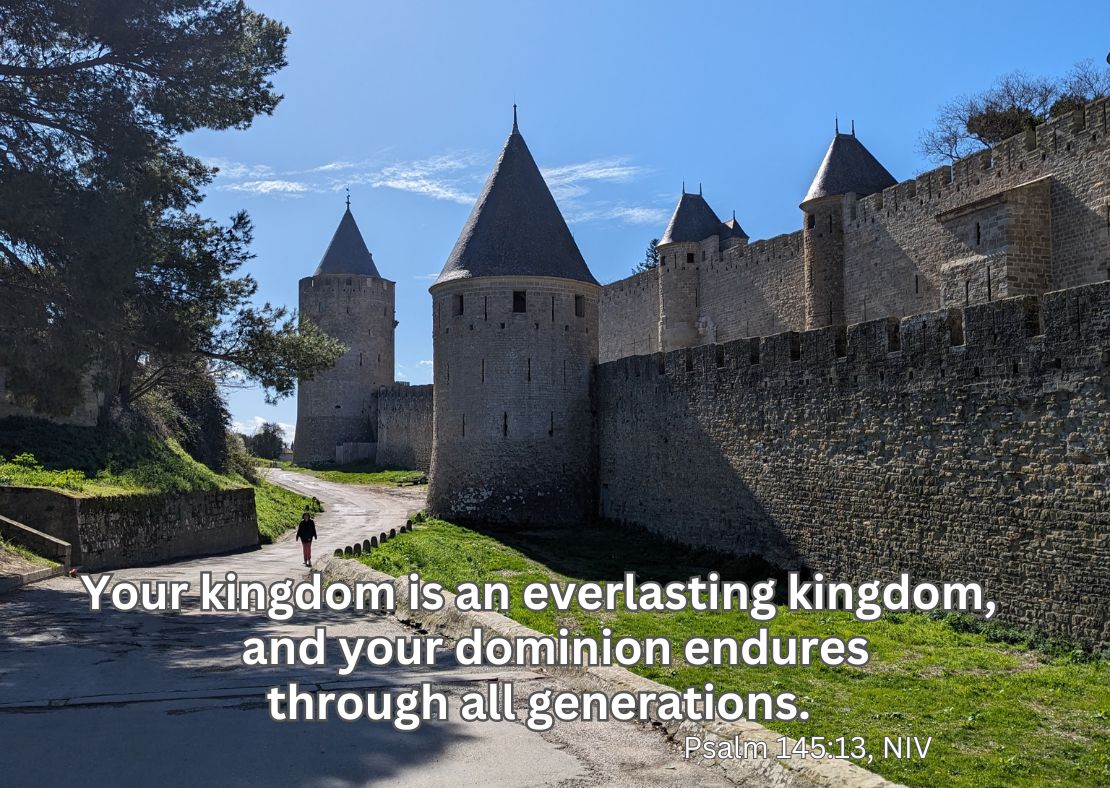
Lifted out of Depression

14 Wednesday Dec 2022

Posted by davidkitz in Psalm 145

≈ 2 Comments

Tags

depression, faithfulness of God, health, merciful

Today’s quote and prayer from
“Psalms 365: Develop a Life of Worship and Prayer”
by David Kitz.

Psalm 145_13b
Reading: Psalm 145:13-16

LORD God,
 thank you for lifting me out of the quagmire of sin.
Jesus, you are my merciful Savior.
Thank you for restoring my health
and lifting me out of depression.
You are faithful.
Amen.

* NEW INTERNATIONAL VERSION, COPYRIGHT ©1973, 1978, 1984, 2011 BY BIBLICA

BGBG_v4.3_150[1818]

Your prayers for the people of Ukraine are making a difference.

Volume I of Psalms 365: Develop a Life of Worship and Prayer won the Best Book of the Year Award from The Word Guild, and Volume II has won the Best Devotional of the Year Award. For those who love God’s word, this three-book series is an ideal way to daily meet with the Lord. To purchase or for a closer look click here.
Vol III 2021-07-17 at 8.15.36 AM


Lifting the Fallen Soul

14 Wednesday Dec 2022

Posted by davidkitz in Psalm 145, Psalms

≈ 5 Comments

Tags

antidepressants, clinical depression, depression, lifter, lifting, trust in God

Reading: Psalm 145:13-16
The LORD is trustworthy in all he promises
and faithful in all he does.
The LORD upholds all who fall
and lifts up all who are bowed down.
The eyes of all look to you,
and you give them their food at the proper time.
You open your hand
and satisfy the desires of every living thing (NIV). *

img_20220215_1338266

Photo by David Kitz

Reflection
More than twenty years ago I went through a dark time in my life. It all began rather abruptly. I got up from the dinner table and went to put my dishes on the kitchen counter. Suddenly everything went dark. According to my wife, I hit the floor with a thud. That’s where she found me unconscious. She was able to revive me and help me to the living room couch. A quick trip to the doctor followed but remaining conscious was a real struggle for me. The blackness kept closing in.

The diagnosis was a complete shutdown of my thyroid gland. Getting back to full health took quite some time. The severe depletion of the thyroid hormones in my body created several side effects. One of these side effects was clinical depression. Though I never blacked out again, I was draped in a lethargic blackness—a darkness of the soul that lasted for months. I needed an antidepressant to bring me back to balance. The medication provided the lift I needed during this dark episode of my life. Eventually, I regained full health, and I no longer needed the antidepressants.

My drug prescription provided the artificial lift that I needed during this transition back health. Today’s reading from Psalm 145 reminds us that the LORD is the true lifter. He lifts the fallen soul out of dark places. The LORD upholds all who fall and lifts up all who are bowed down.

We all came into this world with a sinful nature. Willful disobedience comes natural to us. Prompt, willing obedience to God and his commands is not my first inclination. You see, I have fallen—fallen into a life of sin. That’s why I need a Savior. I need an inner change that is propelled by the Spirit of God. Only the LORD can lift me out my condition and restore me to spiritual health.

When God reveals Himself to us as our loving Father, and our faithful provider, by His grace we can choose to put our trust in Him. The LORD is trustworthy in all he promises and faithful in all he does.

Do you have a lifter? Not an artificial lifter like drugs or alcohol, but a genuine lifter like the Lord Jesus Christ. Before he was lifted up on a cross, he spoke these words, “And I, when I am lifted up from the earth, will draw all people to myself” (John 12:32).    

Is Jesus drawing you to himself?

Response: LORD God, thank you for lifting me out of the quagmire of sin. Jesus, you are my merciful Savior. Thank you for restoring my health and lifting me out of depression. You are faithful. Amen.  

Your Turn: Has the LORD helped you through a dark period in your life? In what form did help come?

* NEW INTERNATIONAL VERSION, COPYRIGHT ©1973, 1978, 1984, 2011 BY BIBLICA

BGBG_v4.3_150[1818]

Please pray for the people of Ukraine!

Volume I of Psalms 365: Develop a Life of Worship and Prayer won the Best Book of the Year Award from The Word Guild and Volume II has won the Best Devotional of the Year Award. For those who love God’s word, this three-book series is an ideal way to daily meet with the Lord. To purchase or for a closer look click here.

Low Rez PsalmsVol2SEAl

Two Boxcars and Two Cents

17 Sunday Jul 2022

Posted by davidkitz in family

≈ 19 Comments

Tags

depression, drought, family, farm, Saskatchewan

My Mother was welcomed into her heavenly home on July 9, 2022. Here is an account of the hardships of her childhood that she wrote about a decade ago. We have much to be thankful for.

My father Gotlieb Ziebart was born in Russia in 1886. He came to Canada in 1912, just before the First World War. He came to Wolseley, Saskatchewan. He helped build the number one highway. Later he took up a homestead, section 35, township 16, range 24, West 3 degrees, new, Maple Creek – Piepot on the prairies of southwestern Saskatchewan.

Wanda

Wanda Kitz (nee Ziebart) 1922-2022

He married my mother, Emily Wuschke in 1917. She was from Bateman, Saskatchewan. Her parents came over to Canada from Poland in 1911 when my mother was ten years old. There were nine children. The youngest was born in Canada, and she was only nine months old when her father passed away. The oldest boy in the family was sixteen. When his father died, he stayed at home to farm and the other kids went working. The boys were hired to tend cattle for neighbors and the girls babysat. They stayed wherever they worked. Their pay was a place to sleep, their daily food, and maybe a secondhand pair of shoes or a coat. They got home once in two or three months. Things were tough.

My parents lived on the homestead for about five years. I was the third child born there. Their farm was seconded by ranchers, and they wanted dad’s land, so he sold it and moved to Bateman and then to Mankota.

My father was a good farmer and by 1928 we had a car, a tractor, and a threshing machine and two lines of horses. He also had cattle and five kids. But he lived on rented land.

So he bought a farm at Mossbank. Mother had three brothers living there. His hopes were high for a great future for his family. He put all his money down for a down payment on the farm. Then the depression came. Markets crashed, not just the stock market, but the market for grain and everything the farm produced.

Drought came.

He lost everything.

The drought lasted for eight years. Things were rough. The government gave us relief – two dollars per person per month. By that time there were six children, but dad wouldn’t take anything for the baby.

He said, “I have milk. I will feed him.”

So we got twelve dollars a month. That was during the winter. When the grass got green, the government relief was cut off. My father was a proud man, and he didn’t take anything from anyone, least of all the government.

As the drought worsened, the people that had a little money just packed up and left for the Peace River country in northern Alberta, or they moved to B.C. There were beautiful homes and farmyards left vacant. They were simply abandoned. The land didn’t get seeded. The wind and the grasshoppers took care of it.

By 1937 things were so bad, the government offered to help the farmers to move out. Dad was one of them. They could move you, or watch you starve. There was no feed for the cattle. The government wanted you to sell them. I remember having to go and pump water every two hours until the well was dry. Then we would wait two hours and go pump again.

Dad and three of his friends went land hunting. Dad came back and said he had bought a farm. The other men said they were going to buy later, but they never did.

We were moving – moving from the treeless prairie to the bush country.

The prairie was all we knew.

Mother and us kids were not happy about the move. At Mossbank, mother had brothers and sisters and a mother. We kids had all our cousins and friends. But we moved to Aaron, Saskatchewan – post office White Beach. Dad had sold horses and cattle and made a down payment of $150.00 on a farm on the west end of Thunder Hill. It was more than four hundred miles to the northeast, very near the Manitoba border. For us it was like moving to another world.

How did we get there?

The government gave us two boxcars on a freight train. They said they would pay the passenger tickets to get the family there, and it would take two days for the freight train to arrive. The freight cars came, but nothing to move the family. No money. No money from the government, and dad didn’t have any.

You are on your own. You do what you must.

We had two days to load. In one freight car, dad put the cattle at one end, and the farm implements at the other end. Everything was taken apart. The seed drill, the binder, the hay rake, the wagon, and the horse drawn sleigh, everything was packed into the rail car. On the other end of the car were the nine horses, pigs in a crate, chickens, a dog and a cat, and then more farm implements piled up on one side. On the other railcar he put a wagon box. On the far end of the box was the furniture stacked from bottom to top. The dining room buffet was at the bottom, the dresser on top, and then the sewing machine on top of that. I can still see it all stacked and crammed in.

Mother and five kids lived in the wagon box. Dad and my oldest brother could stay with the cattle in the other car. They were legal. But the rest of us, the family, we were stowaways.

Right on the top of all the implements dad put the harrows, and we unrolled a mattress over them. We could lie up there, but couldn’t sit. It was too cramped. I spent most of my time up there.

The train stopped in every town, and every time it stopped or started it gave this awful jar. Our heads would hit the steel bars on the roof of the car. It was terrible. Terrible!

It was so hot! No air!

We were shut up with the animals. The stench!

Dad was told it would take us two days. We left Mossbank on the thirteenth of August in the afternoon at about three o’clock. We were prairie refugees. Dust bowl refugees. We traveled from Mossbank to Avonlea, and they left us sitting there until the next day, about thirty-five miles from Mossbank.

The next day we went from Avonlea to Moose Jaw and then on to Regina.

The third day we went to Saskatoon and sat there in the stifling prairie heat.

On the fourth day we started east and made it to Humboldt. We stayed there overnight.

On the fifth day we got to Aaron at about suppertime. We had traveled five days. The cattle and horses had little or no water or feed. The cattle were let out of the cars once, into the stockyards, but not the horses.

We had very little food and water. We almost died in the heat. It was August 13th to the 18th, 1937.

Hot. Dry. Dusty. Unrelenting heat.

Mother had prepared some food for on the way, enough for two days. She had roasted two chickens. When the railway station agent in Mossbank couldn’t sell us tickets, he was mad. Dad had no money. The agent wanted to squeal on him, so dad gave him the two roasted chickens and then dad told him to keep his mouth shut. But we starved.

I will never forget all this as long as I live.

That first evening in Aaron, mother and my sister and I stayed with the people from whom dad had bought the land. They gave us supper and a bed for the night. Dad and the boys stayed with the boxcars. They looked after the cattle and started unloading and setting the wagons together.

The next morning, I and two of my brothers were put in charge of the cattle. We were to take them to our farm ten miles away. We were strangers in a strange land. The cattle had never seen trees before. All this bush was foreign to them. They went through everything, fences and all. They wanted to go home, and so did we – back to where we came from.

By noon we were about halfway. There was an open field where the hay had been cut, so we let the cows graze and rest there. We went to a farmhouse and asked for water. Then we went back to the cattle and waited for dad to come with the wagons.

The people in the farmhouse were good to us. When afternoon began turning to evening, they came and asked us to come and have supper with them. We waited until midnight before dad finally came. Then we took the cattle the rest of the way. They followed the wagon in the dark, and this time they had sense enough to stay on the road.

When we got to our home, there were renters living on the land. It was August and they had to take off the crop. They were Ukrainian and couldn’t speak any English, but they had two boys, eight and ten years old. They could speak English because they learned it at school, so that is how we communicated with them. They gave mother and my sister and me a spot on the floor to sleep. Dad and the boys found some hay to sleep on. The next day they gave us a granary to use as a house until they moved out.

I was fourteen years old when we moved north to Aaron. Come September, my sister and one brother and I went to White Beech School. I was in grade eight. We got to know some very nice people. After all these years I still keep in touch with my old school pal Eva. She lives in Benito.

When we got there in mid-August, we had to make hay and feed for the winter. The people around us were very kind. They helped us out by giving us patches of hay land that they hadn’t cut. They gave us potatoes and vegetables too. We had never seen tomatoes in a garden before, or carrots or dry beans. In the south there was no such thing. There was no rain, only grasshoppers and dust storms. Here in the north everything was green – grass so tall you couldn’t walk through it. And it rained!

But winter came.

The government was supposed to send us relief for a year from Mossbank, but it didn’t come until Christmas. Dad had no money. The storekeeper at White Beech gave us credit so we could get coal oil and matches and a few groceries, or we would have starved in the dark.

For Christmas we kids wrote a letter to our friends and cousins in Mossbank. We were so homesick for them and our old home! We gave the letter to dad. But he couldn’t mail it. He didn’t have the two cents for postage stamps. He carried that letter in his pocket. He didn’t have the heart to tell us. Eventually in spring we found the crumpled envelope in dad’s jacket pocket.

That spring dad planted wheat on Thunder Hill. It came up and grew like nothing we had ever seen. We had high hopes. But everything rusted out. A rust fungus killed the wheat as it headed out. Most of the wheat was burned in the field. There was nothing in it. That first year in the north was harder to take than all the years of drought on the prairie. There the land had taught us to expect nothing. And we got nothing. But here the land, the sky and the falling rain promised to give us the moon. But come September, it too gave us nothing – a harvest of hardship.

After I passed my grade eight, I went out working for $5.00 a month. I finally worked my way to Roblin, Manitoba, and then to MacNutt, Saskatchewan where I met Ewald Kitz. We were married in 1943. A year later my parents moved to Dropmore, Manitoba where they farmed until they retired to Roblin. Mother passed away in 1970, and dad in 1977 at the age of ninety-one.

As long as I live, I will never forget that train trip from Mossbank to Aaron. Even now if I happen to be at a railway crossing when the train goes by, it still sends hot and cold shivers down my spine. Unbelievable!

I still can’t throw anything away. I always think of the hard times I went through growing up. I guess that’s why I make World Relief quilts. I know what it’s like to be without, what it’s like to be forced to pack up and leave home.

He Reaches to the Lowest Pit

16 Monday May 2022

Posted by davidkitz in Psalm 88, Psalms

≈ 1 Comment

Tags

depression, despair, Psalms, trouble

Reading: Psalm 88:1-9
A song. A psalm of the Sons of Korah. For the director of music.
According to mahalath leannoth. A maskil of Heman the Ezrahite.
LORD, you are the God who saves me;
day and night I cry out to you.
May my prayer come before you;
turn your ear to my cry.
I am overwhelmed with troubles
and my life draws near to death.
I am counted among those who go down to the pit;
I am like one without strength.
I am set apart with the dead, like the slain who lie in the grave,
whom you remember no more, who are cut off from your care.
You have put me in the lowest pit,
in the darkest depths.
Your wrath lies heavily on me;
you have overwhelmed me with all your waves.
You have taken from me my closest friends
and have made me repulsive to them.
I am confined and cannot escape; my eyes are dim with grief
(NIV).*

man s hand in shallow focus and grayscale photography

Photo by lalesh aldarwish on Pexels.com

Reflection
There are 150 psalms in the Book of Psalms and one of the most remarkable things about them is their emotional span. They range from giddy heights of joy and praise to great depths of depression and sorrow. The full array of human emotion and experience is on display. Whatever state you find yourself in, there’s a psalm for that—a psalm for every situation and human need. If you are in desperate straits, there’s a psalm for that. If you are soaring in the presence of God, there’s a psalm for that too. They reflect our need for God and our desire to connect with Him in all of life’s experiences.

Psalm 88 is a cry for help from the deepest pit of human need. Hear the psalmist’s cry of anguish: I am overwhelmed with troubles and my life draws near to death. I am counted among those who go down to the pit; I am like one without strength. I am confined and cannot escape; my eyes are dim with grief.

For reasons that we are not told, the psalmist feels trapped in the worst of circumstances. At times I think we all have been there—feeling alone with no one to turn to. In such times, there is no one to turn to but the LORD. In our time of despair He does not reject us or turn us away. He is a God who comforts us, even as Paul, the apostle declares, “Praise be to the God and Father of our Lord Jesus Christ, the Father of compassion and the God of all comfort, who comforts us in all our troubles, so that we can comfort those in any trouble with the comfort we ourselves receive from God” (2 Corinthians 1:3-4).

If you are in the depths of depression, mourning, or despair, follow the example of Heman, the psalmist. Call out to God. He is listening. He reaches to the lowest pit.

Response: LORD God, I need your comfort. Hear my prayer and answer me. In this time of sorrow show me a sign of your love and favor, Lord. Amen.

Your Turn: Are you currently facing a time of trouble or sorrow? Are others praying for you?

* NEW INTERNATIONAL VERSION, COPYRIGHT ©1973, 1978, 1984, 2011 BY BIBLICA

BGBG_v4.3_150[1818]

Please pray for the people of Ukraine!

Volume I of Psalms 365: Develop a Life of Worship and Prayer has won the 2021 Best Book of the Year Award and for those who love God’s word, it’s an ideal way to daily meet with the Lord. For a closer look at Volumes II and III click here.

← Older posts

Psalms 365: Develop a Life of Worship and Prayer

Psalms 365 Volume II

Psalms 365 vol 3
— Psalms 365 Volume III

Psalms

Recent posts

  • Finishing Well and Growing in Fruitfulness  January 11, 2026
  • I Call to You for Help January 10, 2026
  • Above All Gods January 9, 2026
  • The Need for a Place of Refuge January 9, 2026
  • David Dances before the LORD January 8, 2026
  • The God of Turn-Arounds January 8, 2026
  • The LORD Who Heals You January 7, 2026

Calendar

January 2026
M T W T F S S
 1234
567891011
12131415161718
19202122232425
262728293031  
« Dec    

Blog Posts

Comments

  • davidkitz on Above All Gods
  • davidkitz on Above All Gods
  • davidkitz on David Dances before the LORD

Blog at WordPress.com.

Privacy & Cookies: This site uses cookies. By continuing to use this website, you agree to their use.
To find out more, including how to control cookies, see here: Cookie Policy
  • Subscribe Subscribed
    • I love the Psalms
    • Join 1,381 other subscribers
    • Already have a WordPress.com account? Log in now.
    • I love the Psalms
    • Subscribe Subscribed
    • Sign up
    • Log in
    • Report this content
    • View site in Reader
    • Manage subscriptions
    • Collapse this bar
 

Loading Comments...