• Home
  • About
  • DavidKitz.ca
  • Youtube Videos
  • Books by David
  • Books on Amazon.com

I love the Psalms

~ Connecting daily with God through the Psalms

I love the Psalms

Tag Archives: God

Speak, for Your Servant Is Listening”

12 Monday May 2025

Posted by davidkitz in Psalms

≈ 1 Comment

Tags

Bible, God, God's servants, hearing God, Prayer, Psalms, Samuel, the LORD

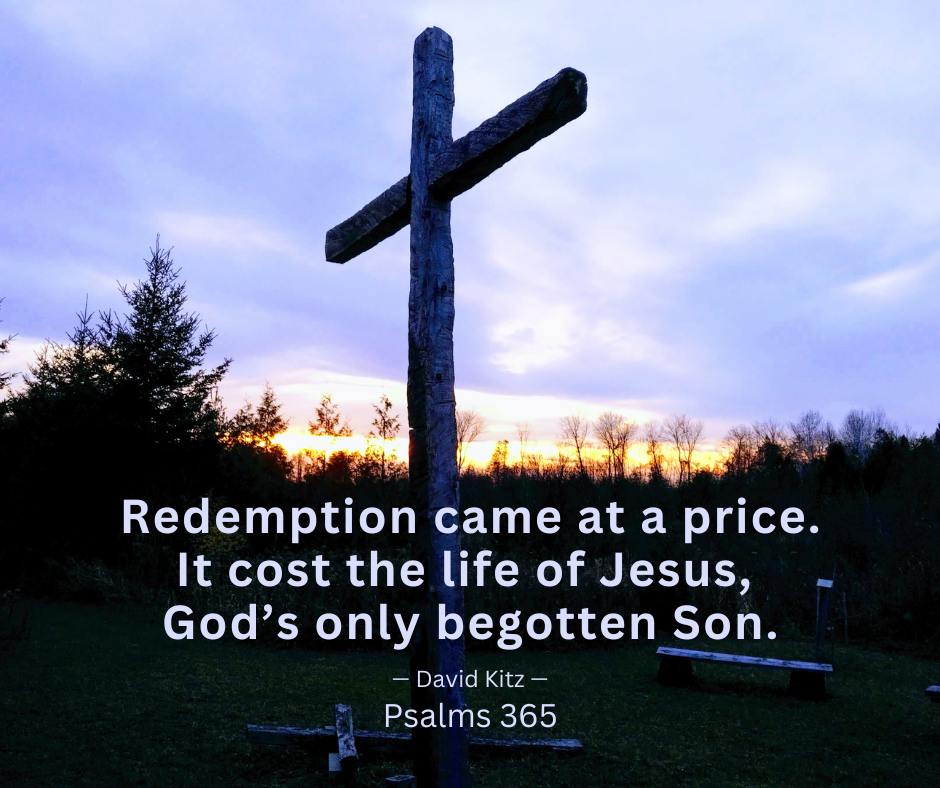
Today’s quote and prayer from
“Psalms 365: Develop a Life of Worship and Prayer”
by David Kitz.

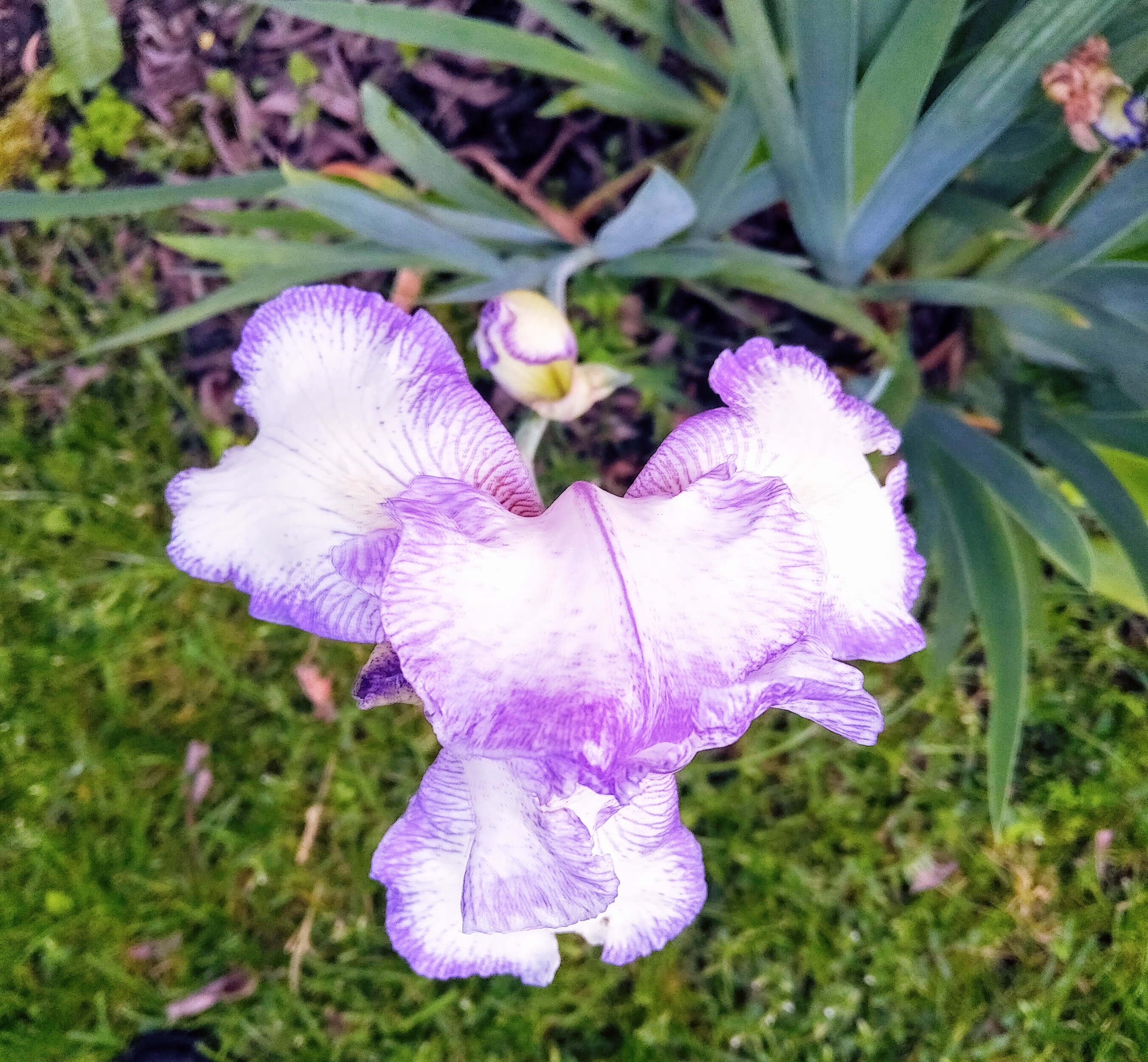
Backyard garden iris — photo by David Kitz

 Reading: Psalm 106:6-15

Father God,
I want to treasure the experiences
I have with you.
Each one is significant
as you guide me in your way.
Help me be attentive to your voice,
your Word, and your Spirit.
Amen.

— — — —

Now Samuel did not yet know the LORD:
The word of the LORD
 had not yet been revealed to him.

A third time the LORD called, “Samuel!”
And Samuel got up
and went to Eli and said,
“Here I am; you called me.”

Then Eli realized
that the LORD was calling the boy.

So Eli told Samuel,
“Go and lie down,
and if he calls you, say,
‘Speak, LORD, for your servant is listening.’”
So Samuel went and lay down in his place.

The LORD came and stood there,
calling as at the other times,
“Samuel! Samuel!”

Then Samuel said,
“Speak, for your servant is listening.”
(1 Samuel 3:7-10 NIV)*

Para la publicación de Salmos 365 de hoy en español haga clic aquí.

bgbg_v4.3_1501818
* NEW INTERNATIONAL VERSION, COPYRIGHT ©1973, 1978, 1984, 2011 BY BIBLICA

Please pray for peace to return to Israel, Gaza, and Ukraine!

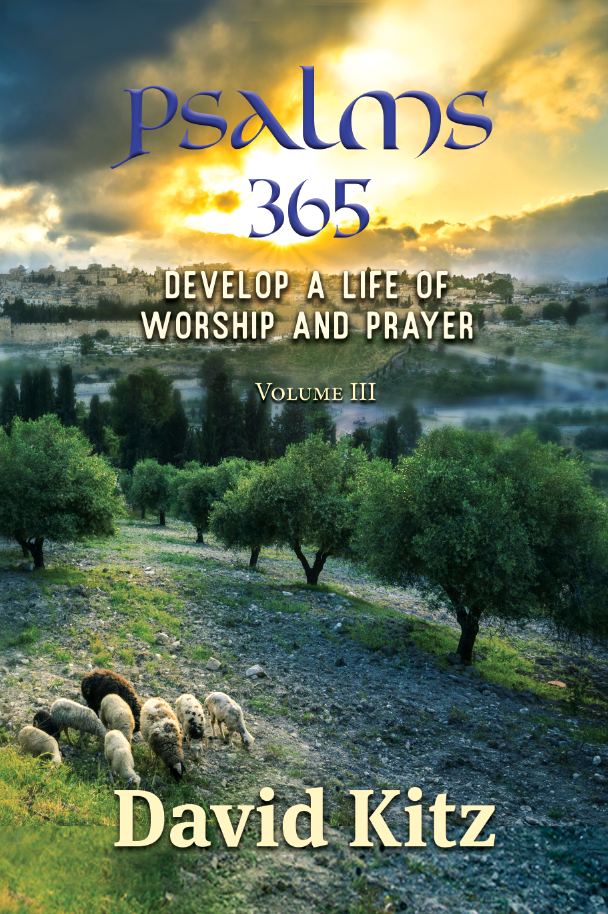
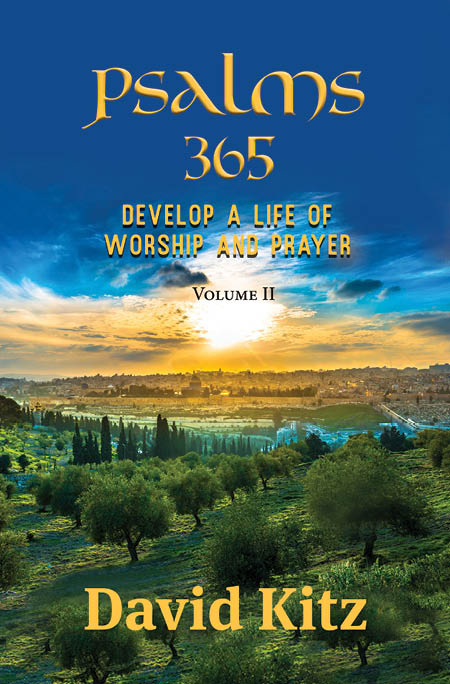
Volume I of Psalms 365: Develop a Life of Worship and Prayer won the Best Book of the Year Award from The Word Guild and Volume II has won the Best Devotional of the Year Award. For those who love God’s word, this three-book series is an ideal way to daily meet with the Lord. To purchase or for a closer look click here.

A gripping read from David Kitz.
Is a return-to-Jesus revival possible in our time?
This book points the way forward.
For details click here.

Consequences of Disobedience

12 Monday May 2025

Posted by davidkitz in Psalms

≈ Leave a comment

Tags

Bible, disobedience, faith, faithfulness, forgetfulness, God, guidance, Jesus, obedience, Psalms, redemption, Reflection, remembrance, repentance, sin

Today’s Devotion from Psalms 365 by David Kitz

Reading: Psalm 106:6-15
We have sinned, even as our ancestors did;
we have done wrong and acted wickedly.
When our ancestors were in Egypt,
they gave no thought to your miracles;
they did not remember your many kindnesses,
and they rebelled by the sea, the Red Sea.
Yet he saved them for his name’s sake,
to make his mighty power known.
He rebuked the Red Sea, and it dried up;
he led them through the depths as through a desert.
He saved them from the hand of the foe;
from the hand of the enemy he redeemed them.
The waters covered their adversaries;
not one of them survived.
Then they believed his promises and sang his praise.
But they soon forgot what he had done
and did not wait for his plan to unfold.
In the desert they gave in to their craving;
in the wilderness they put God to the test.
So he gave them what they asked for,
but sent a wasting disease among them (NIV). *

Reflection
Psalm 106 begins with the psalmist pleading for God’s favor. He longs to be included among the blessed, who are saved and numbered among the LORD’s chosen ones. But in today’s reading we discovered the terrible truth. Sinful conduct has been rampant among God’s people; therefore, the psalmist makes this confession. We have sinned, even as our ancestors did; we have done wrong and acted wickedly.

As this psalm progresses, the psalmist catalogues an ever-growing list of transgressions. But what sets this downward progression into motion is a bout of forgetfulness. The psalmist laments, they did not remember your many kindnesses, and they rebelled by the sea, the Red Sea (v. 7b). Later he comments: But they soon forgot what he had done and did not wait for his plan to unfold (v. 13).

Usually, we do not consider forgetfulness to be a sin. But there is such a thing as willful forgetfulness. We remember those things we consider important. We forget the trivial—those things we consider of little significance. The redeemed people of Israel experienced the wonder-working power of God, yet they treated these events as though they were of little significance. They failed to grasp the paramount significance of these events and as result they stumbled into grumbling and disobedience. Do we grasp the significance of God’s interaction with us? The great Creator reaches out to us. There’s nothing insignificant in that. These are the high points in our sojourn through this life.

Response: Father God, I want to treasure the experiences I have with you. Each one is significant as you guide me in your way. Help me be attentive to your voice, your word, and your Spirit. Amen.

Your Turn: Have you been guilty of forgetting those times when God has spoken to you? This week try to listen for His voice.

Para la publicación de Salmos 365 de hoy en español haga clic aquí.

bgbg_v4.3_1501818
* NEW INTERNATIONAL VERSION, COPYRIGHT ©1973, 1978, 1984, 2011 BY BIBLICA

Please pray for peace to return to Israel, Gaza, and Ukraine!

Volume I of Psalms 365: Develop a Life of Worship and Prayer won the Best Book of the Year Award from The Word Guild and Volume II has won the Best Devotional of the Year Award. For those who love God’s word, this three-book series is an ideal way to begin the new year, and daily meet with the Lord. To purchase or for a closer look click here.

RGB72PsalmsVol2

A gripping read from David Kitz.
4485 SHARABLE-2

To purchase or for a closer look click here.

How Lovely Is Your Dwelling Place

11 Sunday May 2025

Posted by davidkitz in Psalms

≈ Leave a comment

Tags

altar, church, God, Jesus, King Solomon, Lion of Judah, Prayer, Psalms, temple, the LORD

Psalm 84:1-4

Of the Sons of Korah

How lovely is your dwelling place, O LORD Almighty!
My soul yearns, even faints, for the courts of the LORD;
my heart and flesh cry out for the living God.
Even the sparrow has found a home,
and the swallow a nest for herself,
where she may have her young—a place near your altar,
O LORD Almighty, my King and my God.
Blessed are those who dwell in your house;
they are ever praising you. (Selah)

Maybe it’s because Canadian Christendom is architecturally challenged, but images of a church do not spring to mind, when I read the opening lines of this psalm. Perhaps if I lived in Europe, the lovely dwelling place of the LORD referred to here would instantly prompt me to imagine one of the grand cathedrals, such as Chartres, Notre Dame in Paris or St. Paul’s in London.
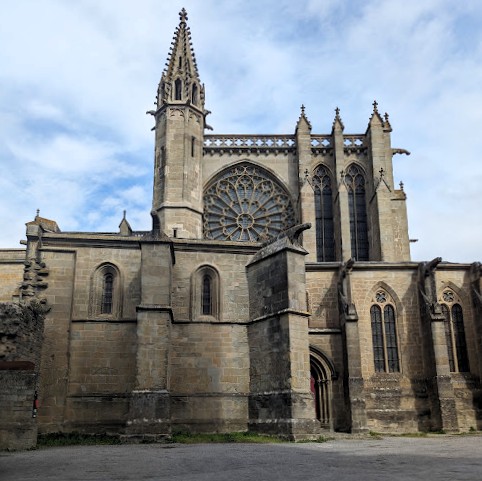
Carcassonne Cathedral, France — photo by David Kitz

Nevertheless, I identify with this psalm. There are times when I am in full agreement with the Psalmist. I echo his thoughts. My soul yearns, even faints, for the courts of the LORD; my heart and flesh cry out for the living God. 

I want to be with God. I want to be close to him. I want to be lost in wonder and sense his glory all around me. There are times when I have known that closeness; I have experienced that wonder. Now I long for a return to that closeness. Like a desert wanderer yearns for water, I yearn for God. My heart and flesh cry out for the living God. 

Sometimes I have found that closeness to God in a church. For me it comes most frequently during times of corporate worship. As songs of praise and worship reach a crescendo, I sense the LORD’s nearness; his presence is all around me. At such times it is no great stretch to reach out and touch the LORD as he passes by. He is here, in the house of God, and for this time, this precise location is his dwelling place.

There are other times in church when it is the spoken word of God that grabs me. I am under arrest. I have been found by God. I could swear the preacher has been reading my heart and he has been following me around all week. He is describing my life—my hidden thought patterns. I have this uncanny sense that this has all been a huge set up. I have been set up by God. He has brought me to this place, backed me in a corner, and now the loving LORD Almighty is pouncing upon me. The Lion of Judah has found his prey. And when it’s all over, I am so glad he has. His holy word has penetrated my heart, and I am changed. Into my darkness the Light has come. I walk out of that place with new direction and purpose.

I can only say, “How lovely is your dwelling place, O LORD Almighty!”

Despite these wonderful experiences within church buildings, it is not the buildings themselves that attract me, though unlike some people in our society, I certainly have no aversion to church buildings. In the same vein, as someone trained in design, I believe I can truly appreciate beautiful architecture in churches and other public buildings. Yet again, it is not the architecture that attracts me. It is the presence of God that I seek.

Yes, and despite all this, when I read the phrase, “How lovely is your dwelling place, O LORD Almighty!” my mind instantly flashes to pictures of nature. I see God there, in the dazzling sunset, in the mountain grandeur, in the forest depths, in expansive prairie vistas, in the wind whipped ocean breakers, by the sunlit babbling stream. God is there. This is his dwelling place. It is just as David declared, “The earth is the LORD’s, and everything in it, the world, and all who live in it” (Psal 24:1).
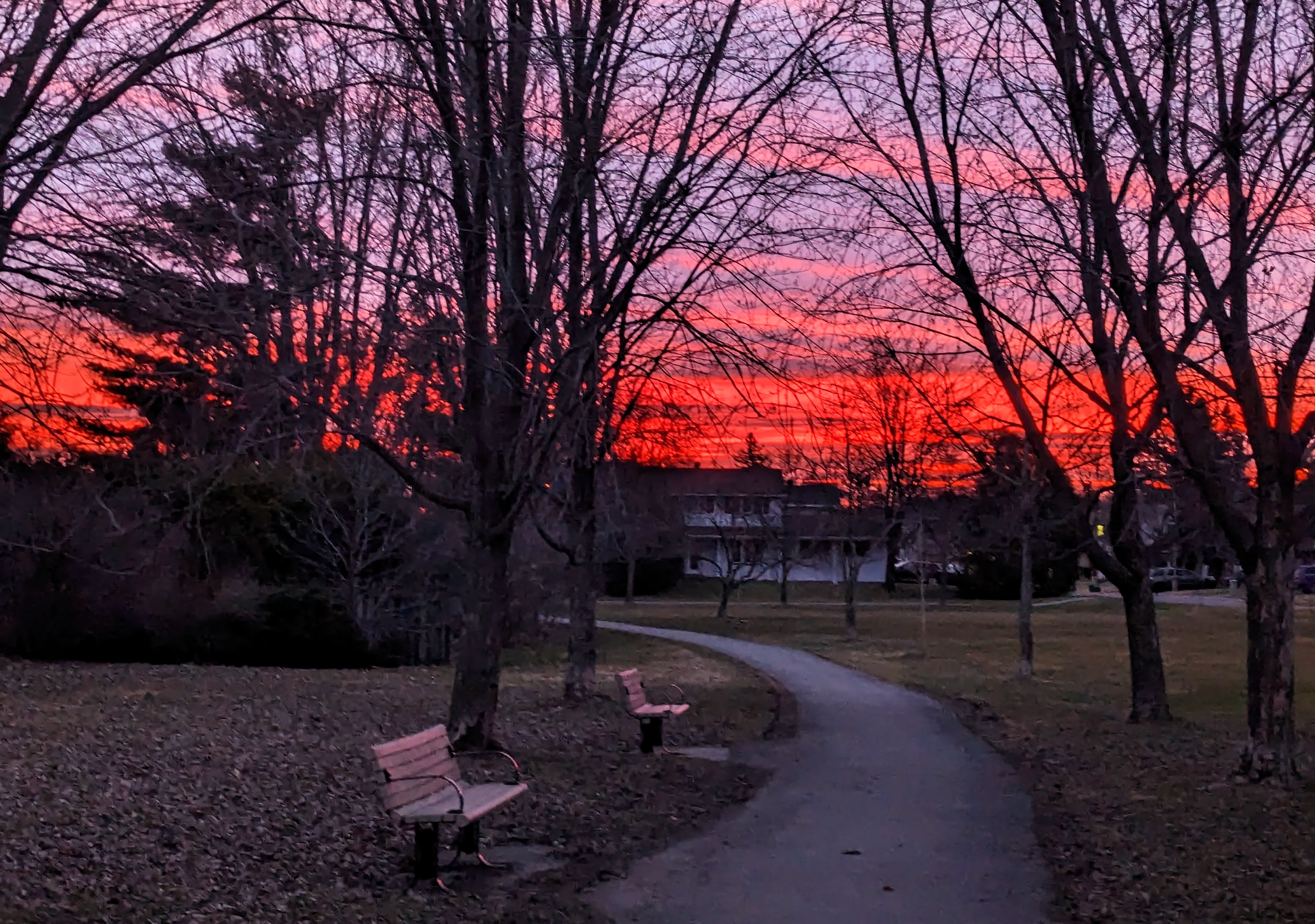
Early April sunrise — photo by David Kitz

Nature is God’s domain. He formed it, planned it, spoke it into existence. It is his dwelling place. Our attempts to create a dwelling place for him are feeble at best. After overseeing the construction of one of the seven wonders of the ancient world, King Solomon, that master temple builder of the Old Testament declared, “There is not enough room in heaven for you, LORD God. How can you possibly live on earth in this temple I have built?” (1 Kings 8:27).

Our God cannot be contained. He is always spilling over the sides, pushing out of our narrow confines, and showing up in unexpected places.

Perhaps this is what the psalmist was referring to here in Psalm 84, when he discovered that nature had invaded the sanctuary of the LORD. Even the sparrow has found a home, and the swallow a nest for herself, where she may have her young—a place near your altar.

The psalmist’s response is very enlightening. He did not see the arrival of these birds in the House of God as something strange or offensive. He did not treat this intrusion of nature as an indignity, ritually prohibited in this, the earthly residence of Deity. His response is in fact, just the opposite. He is delighted by his discovery of nesting birds near the altar of God.

The psalmist views the birds’ presence as an indicative of all of creation’s desire to be close to the Creator. The birds are exactly where the psalmist wants to be—permanently in God’s presence—constantly singing their LORD’s praise. They occupy an envied position. Blessed are those who dwell in your house; they are ever praising you.

Western bluebird — photo by Warwick Burgess

And we should note that these birds are not just visiting; they are not passing through. They have made God’s house their home. This is their nesting place. Here they will raise their family.

How about you? Where are you nesting? Are you nesting in God’s presence? Will you raise your family here, near the altar of God?

In my childhood I recall an occasion when at the close of a church service a barn swallow somehow found its way into our country church. I suppose this bird may have come in through an open front door or possibly through the belfry. Children in the congregation were both excited and amused as this swallow careened about the sanctuary in a display of aerial acrobatics. On the other hand, many of the adults were mortified. After all, this bird might soil the carpet. Quite unexpectedly, nature had invaded the sanctuary of the LORD, and the people of God were not entirely pleased.

In retrospect, and in light of Psalm 84, I believe the LORD may have been as delighted as the young children with the arrival of that swallow. All our formal church-style stuffiness suddenly went right out the window. The outside had come in. Why not enjoy it? Why not swoop and sing God’s praises just like that barn swallow? Why not for a moment be as free as a bird?

Oh, and don’t worry about the carpet. Real life is like that. Accidents happen. Humanity isn’t clean. That’s why there’s an altar.

The truly remarkable thing is that the LORD God Almighty chose, and continues to choose, to live with us. He did not confine himself to the heavens. He chose to swoop down from heaven’s heights and nest among us. Sometimes he even shows up in these barns that we call churches. On the day of dedication, without warning, God showed up in Solomon’s temple as the priests were singing the LORD’s praises.

                Suddenly a cloud filled the temple as the priests were leaving the holy place. The LORD’s glory was in that cloud, and the light from it was so bright that the priests could not stay inside to do their work (2 Chronicles 5:13-14).

Why does God choose to do this? Why does he come to live among us? Doesn’t he know that we will soil his carpet? We will mess things up. Doesn’t he know that the lovely dwelling place of the LORD Almighty will only be lovely until the humans show up? Yet in spite of us, and our nest-fouling ways, God chooses to dwell among us.

We can see this clearly in this psalm. Just as the LORD puts up with the nest building birds and their droppings, so the LORD puts up with us. Actually, God goes beyond putting up with us. He welcomes us. Just as the psalmist expresses his delight with the birds, God is delighted that we have come. He is so glad that we have come into his house, his dwelling place. He is not put off or surprised by our mess ups.

What parent throws out their infant on the first occasion when they soil their diapers? Every parent knows that baby messes come with the baby. Changing diapers quickly becomes a part of the family routine. As a father of two infant sons, I had ample opportunity to practise my diaper changing skills. If the need arose at home, most often my wife or I would use a specially designed change table for this job. I would lay the baby on the change table and in a minute or two everything was fixed up—put to right—on that change table.

Photo by Andreas Wohlfahrt on Pexels.com

Every rightly built house of God has a change table. Most often it’s called an altar. God fixes us up there. That altar can look quite different depending on which church tradition you follow. But the purpose for the altar is always the same. It is the place where we are cleaned up. Sin is washed away.

God is intimate with us there. The outward trappings of righteousness are stripped away. He sees us completely. You see there is no place for human pride at the altar of God. Our heavenly Father gently lays us down and does his work on us. There is nothing we can hide. Why would we want to? Let’s deal with all of it.

Cleanse me should be our only cry.

Have you been altered at the altar? Has God changed you there—really changed you in the hidden places?

But isn’t the altar just for babies? LORD, haven’t I grown and matured since my first trip to your altar? I would like to think so. I’m not tripped up by the same things anymore. Surely, I don’t have to humble myself yet again!

If we have outgrown the altar, then we have outgrown God. And that’s preposterous! The LORD God Almighty has not lost any of his awesome power or majesty, simply because we have grown older and supposedly wiser. We are still in need of his correction, his discipline, his mercy and his love. I still need to get onto God’s change table on a regular basis. Moral perfection keeps eluding me. The smugger I feel about my self-deluding, superior spirituality complex, the more I prove that I need to be altered on the altar.

I hear God whispering “Lay down. Lay it all down. I want to change you.”

Over the years I have watched far too many Christians outgrow God. They have become mature in their faith, or so they say, and the altar becomes a place for others to go. The reasoning goes something like this, “It’s a fine place for the wayward and the prodigal, but we are beyond that now.”

In my mind I can hear them say, “Since I came to Christ, I have grown in my understanding. I am sure it won’t be long, and the LORD God Almighty will be calling upon me for advice.”

Of course no one would dare say that. But the attitude is there. That superior older brother attitude comes to dominate. I know it well because I recognize it in myself.

Soon the house of God loses its appeal. Nature calls. “After all, God is present in nature. I can worship him out by the cottage or down by the lake.”

Petrie Island in May — photo by David Kitz

And of course that’s true. God can, and does meet people in all those locations, and ten thousand places in addition to these. But is there an altar there? Does God’s Word wash over you? Remember that that’s where real change happens. 

You see Solomon was right. The great God of the heavens was not content to stay there. The heavens could not contain him. He swooped down from there and decided to live among us, to nest with mankind. But God did not stop there. No, the LORD went far beyond that. Through the sacrifice of his Son, he brought us into his nest—into his family.

Wherever I go, I am in his house now. You see, I belong to him. I’m in the family of God. I am nesting in his presence. And right along with the psalmist I can say, “How lovely is your dwelling place, O LORD Almighty! My soul yearns, even faints, for the courts of the LORD; my heart and flesh cry out for the living God.” 

And if my heart should stray, “Take me back to your altar, LORD. Cleanse me,” is my only cry.

Bringing Life to the Psalms

  1. Over a two-week period consider doing a daily reading through, “The Songs of Ascent”—Psalm 120 through to Psalm 134. What insights were you able to glean from these psalms? Can you see how the theme of pilgrimage is integral to these psalms?
  2. Have you ever undertaken a major endeavour and fallen short of your goal? What did you learn from that experience? Sometimes we learn far more from our failures than from our successes. How have your failures helped to shape your life? Remember that God can turn our failures into stepping stones to success.
  3. Are you building spiritual muscle or turning into a faithless couch potato? What spiritual disciplines are you exercising on a regular basis? Choose a spiritual discipline to focus on this week. Set an achievable goal, such as ten minutes of daily prayer. If you are in a study group, report back to others on your ability to meet that goal.
  4. What can church leadership do to increase the sense of group pilgrimage within your congregation? Can you think of ways to build a greater sense connectedness within your faith community? What role might God want you to play in this regard?

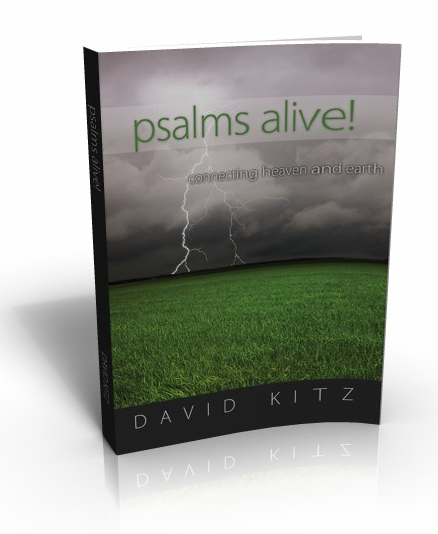
Today’s post is Chapter 12 from the book Psalms Alive! Connecting Heaven & Earth by David Kitz. To find out more or purchase click here.
The LORD Has Become My Fortress

11 Sunday May 2025

Posted by davidkitz in Psalm 94, Psalms

≈ Leave a comment

Tags

Bible, corrupt, fortress, God, praise the LORD, Prayer, Psalms, sins, the LORD, the righteous

I will praise the LORD!

Psalm 94:20-23

Can a corrupt throne be allied with you—
    a throne that brings on misery by its decrees?
The wicked band together against the righteous
    and condemn the innocent to death.
But the LORD has become my fortress,
    and my God the rock in whom I take refuge.
He will repay them for their sins
    and destroy them for their wickedness;
    the LORD our God will destroy them.
*

Para la publicación de Salmos 365 de hoy en español haga clic aquí.

bgbg_v4.3_1501818
* NEW INTERNATIONAL VERSION, COPYRIGHT ©1973, 1978, 1984, 2011 BY BIBLICA

Happy Mother’s Day!

Please pray for peace to return to Israel, Gaza, and Ukraine!

Volume I of Psalms 365: Develop a Life of Worship and Prayer won the Best Book of the Year Award from The Word Guild and Volume II has won the Best Devotional of the Year Award. For those who love God’s word, this three-book series is an ideal way to daily meet with the Lord. To purchase or for a closer look click here.

A gripping read from David Kitz.
Is a return-to-Jesus revival possible in our time?
This book points the way forward.
For details click here.

What Counts Is the New Creation

09 Friday May 2025

Posted by davidkitz in Psalm 106

≈ Leave a comment

Tags

circumcision, crucified, God, Jesus, mercy of God, new creation, peace, Prayer, Psalms, the cross

Today’s quote and prayer from
“Psalms 365: Develop a Life of Worship and Prayer”
by David Kitz.

 Reading: Psalm 106:1-5

Father God,
 I call on you.
Look on me with favor.
I know I fall short of your standard.
I need your mercy.
I depend on you.
I know my efforts are inadequate.
I rely on your grace.
Amen.

— — — —

May I never boast
except in the cross of our Lord Jesus Christ,
through which the world has been crucified to me,
and I to the world.

Neither circumcision nor uncircumcision means anything;
what counts is the new creation.

Peace and mercy to all who follow this rule—
to the Israel of God.

(Galatians 6:14-16 NIV)*

Para la publicación de Salmos 365 de hoy en español haga clic aquí.

bgbg_v4.3_1501818
* NEW INTERNATIONAL VERSION, COPYRIGHT ©1973, 1978, 1984, 2011 BY BIBLICA

Please pray for peace to return to Israel, Gaza, and Ukraine!

Volume I of Psalms 365: Develop a Life of Worship and Prayer won the Best Book of the Year Award from The Word Guild and Volume II has won the Best Devotional of the Year Award. For those who love God’s word, this three-book series is an ideal way to daily meet with the Lord. To purchase or for a closer look click here.

A gripping read from David Kitz.
Is a return-to-Jesus revival possible in our time?
This book points the way forward.
For details click here.

The Inheritance of His Holy People

07 Wednesday May 2025

Posted by davidkitz in Psalm 105, Psalms

≈ Leave a comment

Tags

endurance, God, inheritance, Jesus, Kingdom of God, knowledge of God, Prayer, Psalms, redemption, rescue from sin and death, the LORD, The Spirit

Today’s quote and prayer from
“Psalms 365: Develop a Life of Worship and Prayer”
by David Kitz.

 Reading: Psalm 105:23-38

Father God,
 thank you for the effort expended
to rescue me from the grip of sin.
I appreciate you, Lord Jesus.
You were willing to lay down your life for me.
What awesome, undeserved love!

Amen.

— — — —

We continually ask God to fill you
with the knowledge of his will
through all the wisdom and understanding
that the Spirit gives,
so that you may live a life worthy of the Lord
and please him in every way:
bearing fruit in every good work,
growing in the knowledge of God,
being strengthened with all power 
according to his glorious might
so that you may have great endurance and patience,

and giving joyful thanks to the Father,
who has qualified you to share in the inheritance 
of his holy people in the kingdom of light. 
For he has rescued us from the dominion of darkness 
and brought us into the kingdom of the Son he loves,

in whom we have redemption,
the forgiveness of sins.

(Colossians 1:9-14 NIV)*

Para la publicación de Salmos 365 de hoy en español haga clic aquí.

bgbg_v4.3_1501818
* NEW INTERNATIONAL VERSION, COPYRIGHT ©1973, 1978, 1984, 2011 BY BIBLICA

Please pray for peace to return to Israel, Gaza, and Ukraine!

Volume I of Psalms 365: Develop a Life of Worship and Prayer won the Best Book of the Year Award from The Word Guild and Volume II has won the Best Devotional of the Year Award. For those who love God’s word, this three-book series is an ideal way to daily meet with the Lord. To purchase or for a closer look click here.

A gripping read from David Kitz.
Is a return-to-Jesus revival possible in our time?
This book points the way forward.
For details click here.

God Intended It for Good

06 Tuesday May 2025

Posted by davidkitz in Psalms

≈ 2 Comments

Tags

Bible, brothers, faith, God, Jesus, Joseph, Prayer, Psalms, saving many lives, slaves

Today’s quote and prayer from
“Psalms 365: Develop a Life of Worship and Prayer”
by David Kitz.

 Reading: Psalm 105:16-22

Father God,
when bad news comes
give me a thankful heart
and a right perspective.
Your ways are higher than mine.
You know the end
before the beginning starts.
I choose to trust you,
Lord Jesus.
 
Amen.

— — —

 His brothers then came
and threw themselves down before him [Joseph].
“We are your slaves,” they said.


But Joseph said to them,
“Don’t be afraid.
Am I in the place of God?

You intended to harm me, 
but God intended it for good 
to accomplish what is now being done,
the saving of many lives.
So then, don’t be afraid.
I will provide for you and your children.”
And he reassured them
and spoke kindly to them.

(Genesis 50:18-21 NIV)*

Para la publicación de Salmos 365 de hoy en español haga clic aquí.

bgbg_v4.3_1501818
* NEW INTERNATIONAL VERSION, COPYRIGHT ©1973, 1978, 1984, 2011 BY BIBLICA

Please pray for peace to return to Israel, Gaza, and Ukraine!

Volume I of Psalms 365: Develop a Life of Worship and Prayer won the Best Book of the Year Award from The Word Guild and Volume II has won the Best Devotional of the Year Award. For those who love God’s word, this three-book series is an ideal way to daily meet with the Lord. To purchase or for a closer look click here.

A gripping read from David Kitz.
Is a return-to-Jesus revival possible in our time?
This book points the way forward.
For details click here.

The Mediator of a New Covenant

05 Monday May 2025

Posted by davidkitz in Psalm 105, Psalms

≈ Leave a comment

Tags

Bible, blood of Christ, Christ, covenant, faith, God, God's faithfulness, God's love, inheritance, Jesus, mediator, Prayer, Psalms

Today’s quote and prayer from
“Psalms 365: Develop a Life of Worship and Prayer”
by David Kitz.

 Reading: Psalm 105:8-15

Father God,
thank you for your love and faithfulness
even when I have gone astray.
You draw me back.
Today, I renew my covenant with you.
I commit myself afresh to loving and serving you,
Lord Jesus.

Amen.

— — —

The blood of goats and bulls
and the ashes of a heifer sprinkled on those
who are ceremonially unclean sanctify them
so that they are outwardly clean.
How much more, then,
will the blood of Christ,
who through the eternal Spirit
offered himself unblemished to God,
cleanse our consciences
from acts that lead to death,
so that we may serve the living God!

For this reason
Christ is the mediator of a new covenant,
that those who are called
may receive the promised eternal inheritance—
now that he has died
as a ransom to set them free
from the sins committed under the first covenant.
(Hebrews 9:13-15 NIV)*

Para la publicación de Salmos 365 de hoy en español haga clic aquí.

bgbg_v4.3_1501818
* NEW INTERNATIONAL VERSION, COPYRIGHT ©1973, 1978, 1984, 2011 BY BIBLICA

Please pray for peace to return to Israel, Gaza, and Ukraine!

Volume I of Psalms 365: Develop a Life of Worship and Prayer won the Best Book of the Year Award from The Word Guild and Volume II has won the Best Devotional of the Year Award. For those who love God’s word, this three-book series is an ideal way to daily meet with the Lord. To purchase or for a closer look click here.

A gripping read from David Kitz.
Is a return-to-Jesus revival possible in our time?
This book points the way forward.
For details click here.

God’s Everlasting Covenant

05 Monday May 2025

Posted by davidkitz in Psalm 105, Psalms

≈ Leave a comment

Tags

Bible, commitment, covenant, devotion, faith, faithfulness, God, inheritance, jealousy, Jesus, love, love forever, marriage, Psalm, the LORD

Today’s Devotion from Psalms 365 by David Kitz

Reading: Psalm 105:8-15
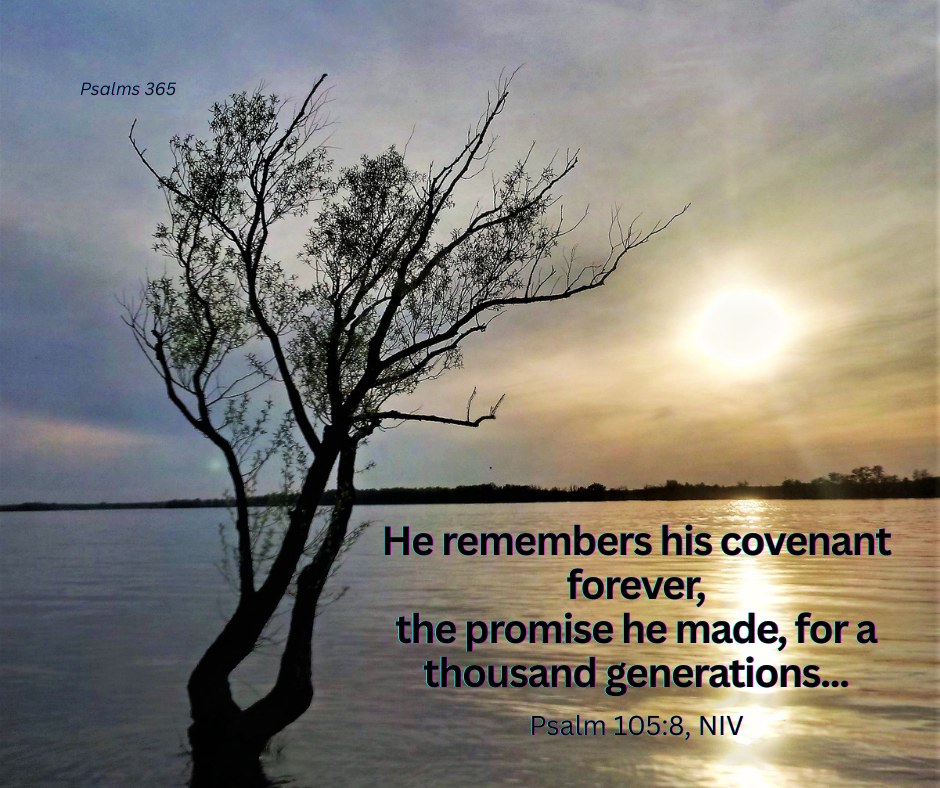
He remembers his covenant forever,
the promise he made, for a thousand generations,
the covenant he made with Abraham,
the oath he swore to Isaac.
He confirmed it to Jacob as a decree,
to Israel as an everlasting covenant:
“To you I will give the land of Canaan
as the portion you will inherit.”
When they were but few in number,
few indeed, and strangers in it,
they wandered from nation to nation,
from one kingdom to another.
He allowed no one to oppress them;
for their sake he rebuked kings:
“Do not touch my anointed ones;
do my prophets no harm” (NIV). *

Reflection
Covenant is a term that is not used much in daily speech. The Encarta Dictionary provides us with this definition of covenant: a solemn agreement that is binding on all parties. By that definition marriage is a covenant that we enter into. A sound Christian marriage is a three-way covenant between the husband, the wife, and their Creator.

Encarta also provides a biblical definition of God’s enduring covenant with His people: in the Bible, the promises that were made between God and the Israelites, who agreed to worship no other gods.

There is something very exclusive about both these covenants. In our marriage vows, we covenant or promise to love each other exclusively. No other lover may intrude. In the same way no other gods may intrude into the covenant relationship that we have with God. The LORD wants us exclusively for Himself. That is the nature of true love. It is jealous—zealous and jealous in guarding that relationship.

God’s zealous and jealous love for His people is clearly visible in today’s reading from Psalm 105. We read: He remembers his covenant forever, the promise he made, for a thousand generations (v. 8). A thousand generations is a long time, 25,000 years by the commonly used reckoning. But forever is much longer. What an incredible love the LORD has for us!

We serve a faithful, passionate God who will remain true to His covenant. The question that remains for us is, will we remain true to our end of the bargain? Will we be faithful, passionate, and committed in our love for the LORD? Through Christ we have an eternal inheritance by a covenant that is not of this world. Praise be to God for his enduring love.

Response: Father God, thank you for your love and faithfulness even when I have gone astray. You draw me back. Today, I renew my covenant with you. I commit myself afresh to loving and serving you. Amen.

Your Turn: Have you stayed faithful to your covenant? Does your covenant need to be renewed?

Para la publicación de Salmos 365 de hoy en español haga clic aquí.

bgbg_v4.3_1501818
* NEW INTERNATIONAL VERSION, COPYRIGHT ©1973, 1978, 1984, 2011 BY BIBLICA

Please pray for peace to return to Israel, Gaza, and Ukraine!

Volume I of Psalms 365: Develop a Life of Worship and Prayer won the Best Book of the Year Award from The Word Guild and Volume II has won the Best Devotional of the Year Award. For those who love God’s word, this three-book series is an ideal way to daily meet with the Lord. To purchase or for a closer look click here.

A gripping read from David Kitz.
Is a return-to-Jesus revival possible in our time?
This book points the way forward.
For details click here.

The Harvest Psalm

04 Sunday May 2025

Posted by davidkitz in Psalm 67, Psalms

≈ 1 Comment

Tags

church, evangelical, faith, God, God's blessing, great commission, harvest, praise, Prayer, Psalms, thanksgiving, the LORD

Psalm 67

For the director of music.
With stringed instruments. A psalm. A song.

May God be gracious to us and bless us
and make his face shine upon us, (Selah)
that your ways may be known on earth,
your salvation among all nations.
May the peoples praise you, O God;
May all the peoples praise you.
May the nations be glad and sing for joy,
for you rule the peoples justly
and guide the nations of the earth. (Selah)
May the peoples praise you, O God;
May all the peoples praise you.
Then the land will yield its harvest,
and God, our God, will bless us.
God will bless us,
and all the ends of the earth will fear him. (NIV)

I am glad that we celebrate Thanksgiving in early October here in Canada. I cannot imagine waiting until late November to celebrate this holiday as Americans do. It puts Thanksgiving too close to Christmas, and it delays it too long after the harvest has been gathered. By late November, harvest time is just a distant memory, and much of the country is already in winter’s icy grip. Thanksgiving is after all a harvest festival, signalling our thankfulness to God for the bounty of the earth.

When you grow up on a farm, as I did, you appreciate the traditional aspects of Thanksgiving all the more. You are reminded each day that the food on your table does not simply come from a store. You are actively engaged in producing the nourishment that sustains your own life.

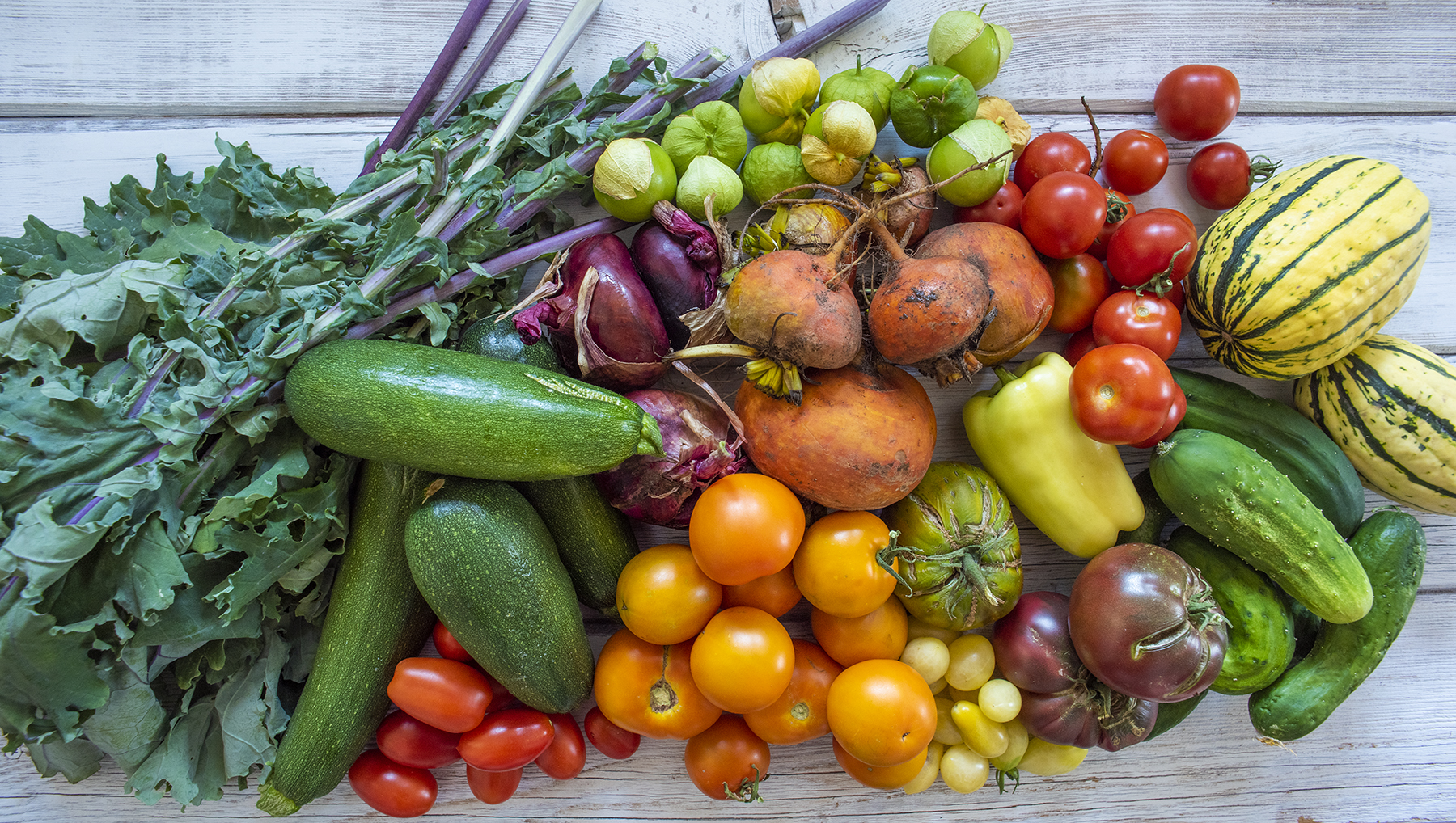
As a youngster I sat down to many a Thanksgiving feast, and almost all the food found on that groaning table was home-grown. I watched those vegetables growing in our garden in the hot summer sun. I even pulled the weeds from around those peas. And those mashed potatoes, I helped my mother hill those tubers in the spring and then dug them up after the frost hit in the fall. My brother loved growing pumpkins, and mom would turn his favourite into the best pumpkin pie east of the Rockies. And how can you eat pumpkin pie without a mound of whipped cream on top? Well let me tell you, it tastes even better, when just that morning you milked the cows that produced that sweet rich cream. Oh, and that huge turkey—we’ll miss that pompous strutting gobbler out by the henhouse. But I’m sure we’ll get over it, somehow. For now, let’s just dig in.

Let’s all dig in, and give thanks to the God, who made all this possible. This sumptuous feast has been brought to you by him. Now that’s Thanksgiving!

The great God in heaven has been kind to us. He has answered our prayers. He brought the warmth of spring and the rain of heaven. He caused his face to shine upon us. The rich earth responded to his touch. It brought forth its bounty, and now around this table we have gathered as a family to celebrate God’s great goodness to us.

The opening petition of Psalm 67 has been granted. May God be gracious to us and bless us and make his face shine upon us, that your ways may be known on earth, your salvation among all nations.

God has been gracious. We did not earn this blessing. Yes, we worked. We tilled the soil; we planted the seed. But, it was God who brought the increase. He has blessed the work of our hands. He has smiled on our efforts, and during this feast, every mouth-watering bite testifies to his amazing love and goodness. Let’s all dig in. Taste and see that the LORD is good! (Psalm 34:8).

Have you ever asked yourself why? Why is God so good? Why has he blessed you so richly? Why are his mercies new every morning? Why is he so forgiving? Why does he provide in such abundance?

The simple answer is because that is his nature. He is kind, so he loves to bless us, whether we deserve it or not. He is kind so His blessings flow like water flows down a mountainside. Can rivers flow uphill? That’s impossible. In the same way, it is impossible for God not to be loving, gracious and merciful. It is simply his nature to pour out blessings.

Like any loving parent, God draws pleasure from blessing his children. But is there a divine motivation that extends beyond the family of God. As the opening verse of this psalm makes clear, God desires to bless us, so that his ways and his salvation may be known all over this world.

So then, Psalm 67 should be our prayer, not only for us, but for the world. May God be gracious to us and bless us and make his face shine upon us, that your ways may be known on earth, your salvation among all nations (v. 1-2).

 In other words, God’s blessing is not solely for us. It is to extend around the world and beyond the family of God. Is God in fact, blessing us abundantly, so that we may in turn bless others? Is he blessing us, so that we may make his salvation known among all nations? That certainly would appear to be the plan according to Psalm 67.

This is perhaps the most evangelical of all the psalms. By that I mean there is good news in this psalm, and the good news of God’s loving-kindness, which is found here, is not to be kept to oneself. It is to be taken to the whole world.

In addition to an enormous feast, I have another childhood memory that is also linked to Thanksgiving. On Thanksgiving Sunday, as on every Sunday of the year, we would all dress up in our Sunday best and then squeeze into the family sedan for the four-mile trip to our local country church. For my mother, preparing the family brood of six children for church, and then stuffing grandma, dad, mom and six squirming kids into one car was no simple feat. I am sure that for her, stuffing a twenty-five-pound turkey was much easier, and it was accomplished with far less stress. 

On Sunday mornings, the last thing we did before leaving the house was prepare our church offering. Everybody gave. Every child and every adult had their own offering envelope, and typically, dad gave each child a dollar to put in that envelope. At a time when in town, a chocolate bar cost fifteen cents, and I could get a heaping ice-cream cone for one thin dime, this was quite a princely sum. I suppose dad could have combined all that money and put it all in one single envelope—his own. After all, every cent of it was actually his money. But, he chose to distribute it to his children, for us to put into the offering basket. I can only suppose that he wanted to train each of us to be givers.

However, Thanksgiving Sunday was different. On that Sunday unlike all the rest during the year, we did not get a dollar from dad. This was harvest time; the crop had come in. God had been good, and we were blessed. There were colorful crisp tens and twenties to go into those offering envelopes. And consequently, on Thanksgiving Sunday every child clutched their envelope a little more tightly until it landed safely in the offering basket at church.

There was something else different about Thanksgiving Sunday. On that Sunday all of our offering money went to missions. There was always a spot on the envelope to designate where we wanted our gift to go, and on Thanksgiving Sunday we were all told to mark our envelope for missions. This was dad’s way of saying that we had more than enough. This Sunday was for those who were not so blessed. It was for those people in foreign lands who did not even know about the great God, who filled our granaries and loaded down our table with a feast fit for kings.

I am not sure Dad knew he was bringing Psalm 67 to life. But he was actually doing this psalm. He was making this psalm come alive in front of his family. From the overflow of God’s blessing on his life and his family, he was channelling a portion of that blessing to the less fortunate. He was doing this, because he wanted the ways of God to be known all over the earth. He wanted the salvation of the LORD to be experienced not just here in Canada, but among all nations.

This is in fact, a psalm that addresses the nations. It extends beyond the individual or the family. It addresses every ethnic group on the face of the planet with these words. May the peoples praise you, O God; may all the peoples praise you. May the nations be glad and sing for joy, for you rule the peoples justly and guide the nations of the earth (v. 3-4).

The God of the universe is calling the peoples of the world to a festival of praise. Through the words of this psalm, we are petitioning the LORD over all nations, that his praise would ring forth from all the peoples of the earth. What a glorious day that will be when the nations break forth in joyous songs of praise to their Maker! All of nature testifies to his manifold wisdom. Already, the whole earth is full of his glory. Now our prayer is that all who live on the face of the earth would see that glory and unite in singing his praise. Now, that will be a day of thanksgiving—a day like none other!

This call for universal praise is unusual. It is unusual because it draws all of humanity into a common faith. The Jewish faith was and is a very exclusive religion. This is the faith of the chosen people—God’s chosen people. They did not choose him, but rather they were uniquely selected by God to bear his name before the nations of the world. Throughout the Old Testament we have a clear sense that God was dealing with his own special people, and they were to walk separate from the nations. They received God’s laws and were the guardians of his commands. They were instructed not to intermarry with other nations, nor be polluted by them and their idol worship. The worshippers of Yahweh were an exclusive group, a unique people, but they were not evangelical. They kept the message to themselves.

But here in Psalm 67 the constricted, exclusive God of the Old Testament appears to break out of his narrow nationalist cocoon. We see that he is truly a God for all nations, not just for the descendants of Abraham. Here we catch a glimpse of the big picture—the global perspective. All the nations of the earth are to praise him. The longstanding intent of the God Israel is that every people group should know his ways and experience his salvation. God’s great promise to Abraham will be fulfilled, “All peoples of the earth will be blessed through you” (Genesis 12:3).

In reality, throughout the Old Testament we can see a certain tension between this global view of the God of the universe, and the more restricted nationalist view of God. Most often the old covenant prophets were granted the best view of the God of the big picture—the God who rules over all nations. Isaiah was one such prophet. Now let’s hear his prophetic word for the nations:

            See, darkness covers the earth and thick darkness the peoples, but the LORD rises upon you and his glory appears over you. Nations will come to your light, and kings to the brightness of your dawn (Isaiah 60:2-3).

It is the resurrected and ascendant Christ who broke through the thick darkness. He broke the power of the chains of death. He is the one whose light has come. Nations have come to his light and people all over the world continue to come. It is Jesus who broke Judaism out of its narrow bounds and brought the faith of Abraham to the nations. The light of the world has come. He has caused his face to shine upon us, and now the gift of salvation is available through him.

This is the greatest cause for thanksgiving. As the resurrected and triumphant Christ stood before his disciples, he gave them this command:

            “All authority in heaven and on earth has been given to me. Therefore go and make disciples of all nations, baptizing them in the name of the Father and of the Son and of the Holy Spirit, and teaching them to obey everything I have commanded you. And surely I am with you always, to the very end of the age (Matthew 28:18-20).

This statement by Jesus is commonly known as the Great Commission. In Psalm 67 we can see an Old Testament version of the Great Commission. It is a commission that is rooted in thanksgiving and praise. I can only wonder if this is the fount from which all evangelism should flow, not from a browbeaten sense of guilt, but from a joy-filled heart of thanksgiving. If we have grasped the fullness of God’s blessing on us through Christ, then we are delighted to tell of his great love. We joyously spread the message.

            May the peoples praise you, O God; may all the peoples praise you. Then the land will yield its harvest, and God, our God, will bless us. God will bless us, and all the ends of the earth will fear him (v. 5-7).

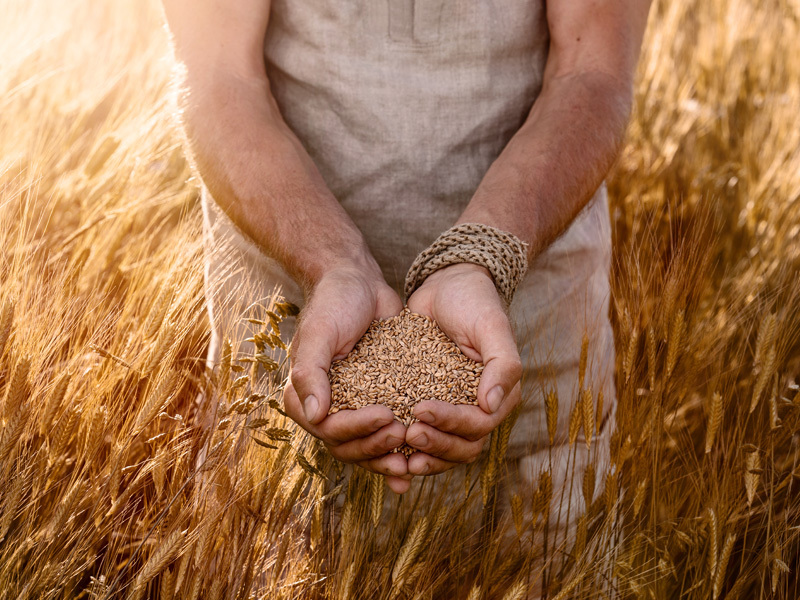
There is a great harvest day that is still coming on the earth. It is not a harvest of wheat, corn or rice, but a harvest of souls that will be swept into the Kingdom of God. If this psalm is to be believed, it is a harvest that is propelled and swelled by our praise. According to our praise it will be gathered in. Who will gather in this harvest? The sad-sack sourpusses of the church need not apply. They can keep their tight-fisted hands in their pocket, and their woe begotten complaints to themselves. The people of praise will see the harvest. With thankful hearts they will bring it home.

Now more than ever Jesus’ words ring true: “You may say there are still four months until harvest time. But I tell you look, and you will see that the fields are ripe and ready to harvest” (John 4:35).

Yesterday, I received two e-mail messages from overseas. One was from a young missionary couple who just arrived in Cambodia. The other was from a missionary couple in China. Their messages reminded me that a great international harvest is coming. It is happening even now. I am thankful that we have the LORD’s sure promise on this. Let’s dig in. It’s harvest time, and even as we praise him, God will bless us, and all the ends of the earth will fear him (v. 7).

Bringing Life to the Psalms

  1. Read Jesus’ discourse on the harvest as found in John 4:27-42. Consider that this story took place in Samaria. Already at this point Jesus was breaking out of the narrow confines of Judaism. While the disciples were getting food, Jesus was having a feast. What spiritual food sustains your faith?
  2. What are some of the family traditions that you follow at Thanksgiving? How do those traditions reflect God’s goodness to you?
  3. Take time today to count your blessings. Too often we focus on our problems and shortcomings, while there is always so much for which to be thankful.
  4. Consider making giving a significant part of your Thanksgiving celebration. If you have been blessed, why not make this an opportunity to bless others? Remember thanksgiving is a valid response to the grace of God at any time of the year.
  5. The praise induced fear of God referred to in this psalm stands in sharp contrast to the man induced terror, which lurks behind demon inspired religion. The LORD is not the author of intimidation or barrel-of-a-gun conversion. To fear God is to stand in awe of Him—in awe of His mercy, His grace and His sacrificial love. This awe-inspiring fear is the most direct path to true God pleasing worship. As you take time to thank God, pray that this wonder-filled awe of God will fall upon all nations.
  6. Reread Psalm 67. What is God saying to you by His Spirit?

    Today’s post is Chapter 10 from the book Psalms Alive! Connecting Heaven & Earth by David Kitz. To find out more or purchase click here.

← Older posts
Newer posts →

Psalms 365: Develop a Life of Worship and Prayer

Psalms 365 Volume II

Psalms 365 vol 3
— Psalms 365 Volume III

Psalms

Recent posts

  • Betrayal & Trust April 9, 2026
  • The Third Day April 8, 2026
  • What About Spiritual Hygiene? April 8, 2026
  • Jesus Walked Along with Them April 7, 2026
  • How the mighty have fallen April 7, 2026
  • Their Words Seemed Like Nonsense April 6, 2026
  • Can you forget God? April 6, 2026

Calendar

April 2026
M T W T F S S
 12345
6789101112
13141516171819
20212223242526
27282930  
« Mar    

Blog Posts

Comments

  • davidkitz on The Third Day
  • My Life in Our Father's World on The Third Day
  • davidkitz on Raised Again!

Blog at WordPress.com.

Privacy & Cookies: This site uses cookies. By continuing to use this website, you agree to their use.
To find out more, including how to control cookies, see here: Cookie Policy
  • Subscribe Subscribed
    • I love the Psalms
    • Join 1,382 other subscribers
    • Already have a WordPress.com account? Log in now.
    • I love the Psalms
    • Subscribe Subscribed
    • Sign up
    • Log in
    • Report this content
    • View site in Reader
    • Manage subscriptions
    • Collapse this bar
 

Loading Comments...