• Home
  • About
  • DavidKitz.ca
  • Youtube Videos
  • Books by David
  • Books on Amazon.com

I love the Psalms

~ Connecting daily with God through the Psalms

I love the Psalms

Tag Archives: Christianity

James the Mediator between Two Camps

31 Sunday May 2026

Posted by davidkitz in Books by David Kitz

≈ Leave a comment

Tags

Bible, Christ, Christianity, church, circumcision, faith, Gentiles, gospel, grace, James, James the brother of Jesus, Jerusalem, Jesus, leadership, legalism, Paul, Peter, Scripture

James: the Lynchpin of Our Faith — Chapter 13

As the leader of the church, James finds himself straddling the gulf between two factions: the Judaizers who insist that male Gentile coverts to Christianity be circumcised and follow the Mosaic Law, and a faith-oriented faction led by Paul that believes in the sufficiency of grace, apart from adherence to the Law. The struggle between these opposing positions informs a considerable portion of New Testament scripture. Paul’s letter to the Galatians focuses almost exclusively on this topic, but this issue or doctrine forms an underlying theme throughout Paul’s writing.

At the Jerusalem Council, James comes down decisively on the side of grace and the expansion of the Christian faith into the Gentile world. His ruling clearly endorsed the position taken by Peter and Paul, and he even tempers his remarks by placing some rather minor restrictions on the Gentile converts. Some may view this as a concession to the hardliners in the Jewish faction.

It is my judgment, therefore, that we should not make it difficult for the Gentiles who are turning to God. Instead we should write to them, telling them to abstain from food polluted by idols, from sexual immorality, from the meat of strangled animals and from blood. For the law of Moses has been preached in every city from the earliest times and is read in the synagogues on every Sabbath. (Acts 15:19–21)
James certainly does not abandon the law entirely. He is not saying, “Believe in Christ and then live as you please.” Neither do any of the apostles. In his letter to the Romans, Paul claims he is falsely accused of promoting this errant doctrine. (See Romans 6:1–3.) Instead, Paul says faith in Christ prompts conformity to the image Christ, who fulfilled the Law (Colossians 3:9–11). Spiritual rebirth initiates and instills life transformation. Believers are changed by their faith in Christ and drawn to obedience to him. Spiritual DNA expresses itself, even as natural DNA does. The child resembles his natural father. Even so, the character and conduct of the born-again believer should increasingly resemble his heavenly Father and his spiritual brother Jesus Christ.

Paul amplifies this thought in his letter to the Romans:

For those God foreknew he also predestined to be conformed to the image of his Son, that he might be the firstborn among many brothers and sisters. (Romans 8:29)

The restrictions or regulations that James places on the Gentile believers appear to be relatively inconsequential, but they had implications for the daily lives of Gentile believers. It was common for meat sold in the Gentile markets to be offered first as an animal sacrifice to idols. This made the Christian consumer of this meat an unwilling participant in pagan idolatry. Clearly this would be offensive to the sensibilities of Jewish believers.

Photo by Sora Shimazaki on Pexels.com

How strictly these regulations were adhered to remains an open question. In the fourteenth chapter of his letter to the Romans Paul discusses this issue of food and abstaining from meat at some length. He also gives these instructions to the believers in Corinth:

Eat anything sold in the meat market without raising questions of conscience, for, “The earth is the Lord’s, and everything in it.”

If an unbeliever invites you to a meal and you want to go, eat whatever is put before you without raising questions of conscience. But if someone says to you, “This has been offered in sacrifice,” then do not eat it, both for the sake of the one who told you and for the sake of conscience. I am referring to the other person’s conscience, not yours. For why is my freedom being judged by another’s conscience? If I take part in the meal with thankfulness, why am I denounced because of something I thank God for?

So whether you eat or drink or whatever you do, do it all for the glory of God. Do not cause anyone to stumble, whether Jews, Greeks or the church of God—even as I try to please everyone in every way. For I am not seeking my own good but the good of many, so that they may be saved. (1 Corinthians 10:25–33)

Similarly, the entire eighth chapter of 1 Corinthians is devoted to this topic. Clearly Paul saw James’ injunction against eating meat offered to idols as an issue of considerable importance, or he would not have addressed this topic in his epistles to the church.

Undoubtedly, the advice cited above was given in keeping with Paul’s understanding of James’ directive in Acts 15. Overall Paul’s concern is chiefly that believers keep their conscience pure. He does not see “food polluted by idols” as a clear black and white issue, but rather as a matter of the heart or the intent of the believer. Paul implies that food is sanctified if it is received with thanksgiving. In so doing, he is providing a practical interpretation of how believers can keep themselves spiritually pure while living in a pagan world.

The injunction against sexual immorality needs little explanation. The Greco-Roman world was awash in sexual immorality, much of it linked to various fertility cults. Abstinence from sexual immorality also involved a rejection of the shrine prostitutes—both male and female—and ritual orgies linked to the worship of these deities. Clearly there was a strong sense that these new Gentile believers must renounce these practices and forms of worship as they embrace a new lifestyle within the body of Christ.

James’ command to abstain “from the meat of strangled animals and from blood” stems directly from Levitical law, where God says:

I will set my face against any Israelite or any foreigner residing among them who eats blood, and I will cut them off from the people. For the life of a creature is in the blood, and I have given it to you to make atonement for yourselves on the altar; it is the blood that makes atonement for one’s life. Therefore I say to the Israelites, “None of you may eat blood, nor may any foreigner residing among you eat blood.” (Leviticus 17:10–12)

This reference to the foreigner, as cited here, has direct relevance as the Jewish believers contemplate welcoming Gentiles into their fellowship. The fellowship meal has particular significance in Middle Eastern culture. For friendship and fellowship to be sealed, the sharing of a meal together was essential. If this overture to the Gentiles was to be significant and meaningful, then Jewish Christian believers and Gentile Christian believers should be able to sit together and eat a fellowship meal together.

But truly the focal point of their fellowship must be Christ—Christ whose redeeming sacrifice was sealed in blood—Christ Jesus who instituted the Eucharist to commemorate the shedding of his blood. By his blood, atonement was made for both Jews and Gentiles. Their fellowship meals included the celebration of the Eucharist. Evidence of this can be found in Paul’s instructions on communion. (See 1 Corinthians 11:17–34.)

Surely the following words had true resonance as James considered the unity of faith between Jews and Gentiles: “it is the blood that makes atonement for one’s life.” His brother’s blood was shed to make that atonement possible. True communion centered around the sacrificial shedding of Jesus’ blood.

Photo by Kaboompics .com on Pexels.com

With James having ruled on this matter, the assembly decided to communicate its decision to those most directly affected—the Gentile churches. Their message also makes it clear that those who caused this doctrinal disturbance were not sent or authorized by the apostolic leadership.

Then the apostles and elders, with the whole church, decided to choose some of their own men and send them to Antioch with Paul and Barnabas. They chose Judas (called Barsabbas) and Silas, men who were leaders among the believers. With them they sent the following letter:

The apostles and elders, your brothers,
To the Gentile believers in Antioch, Syria and Cilicia:

Greetings.

We have heard that some went out from us without our authorization and disturbed you, troubling your minds by what they said. So we all agreed to choose some men and send them to you with our dear friends Barnabas and Paul—men who have risked their lives for the name of our Lord Jesus Christ. Therefore we are sending Judas and Silas to confirm by word of mouth what we are writing. It seemed good to the Holy Spirit and to us not to burden you with anything beyond the following requirements: You are to abstain from food sacrificed to idols, from blood, from the meat of strangled animals and from sexual immorality. You will do well to avoid these things.

Farewell.

So the men were sent off and went down to Antioch, where they gathered the church together and delivered the letter. The people read it and were glad for its encouraging message. (Acts 15:22–31)

James has decisively sided with Peter and Paul on this critical issue. The gospel of grace as opposed to Jewish legalism has triumphed. For the sake of unity, James has added some conditions onto his sweeping welcome of the Gentile believers. Despite this ruling, some Judaizers will persist in trying to force Gentile converts to be circumcised, but they will lack the authority of the church. A certain tension will remain between the proponents of grace and the proponents of legalism. It is a tension that remains in some form between legalistically-inclined and grace-centered believers to this day. Nevertheless, the message is clear: James has ruled in favor of grace.

By welcoming the Gentile believers into the church, James signaled that he fully grasps the significance of the born-again experience. He has come full circle. He has come fully around to his brother’s position, which he so vehemently opposed as a young man—when he gathered the family around him to take charge of Jesus because, by his reasoning, Jesus had gone mad (Mark 3:20–22).

On that occasion with his family waiting at the door, Jesus responded with these words:

“Who are my mother and my brothers?” he asked. Then he looked at those seated in a circle around him and said, “Here are my mother and my brothers! Whoever does God’s will is my brother and sister and mother.” (Mark 3:33–35)

According to Jesus’ reasoning the spiritual family—spiritual genetics—took precedence over the natural family. Though at the time James rejected his brother and his concept of spiritual rebirth, he now finds himself in full agreement with it. His conversion at the appearance of the risen Christ changed everything. (See 1 Corinthians 15:3–9.) What he rejected as heresy before his own rebirth, he now affirms as gospel truth. James now sees the family of believers as his true family—a family that includes even Gentiles.

On a personal level, James was now Jesus’ brother in the Spirit as well as in the flesh.

Furthermore, at the Jerusalem Council, James plays the role his brother would have him play. He institutes his brother’s will by ensuring that the gospel message was available to all throughout the world, regardless of race or gender. James recognizes that those seated before him, eager to hear the gospel message, are his brothers and sisters. He is acting as a doorkeeper to the kingdom of God. In that role, he is guaranteeing that the door is open to all. Anyone can come and enter through repentance and faith in the shed blood of his brother Jesus.

Without question this was a difficult decision to make. By welcoming the Gentiles, James may have sealed the fate of the Jewish church—the church he led. There was a point when it appeared as though Christianity might become the dominant belief system among the Jews. Then severe persecution hindered its advance. Now, with its doors open to the Gentiles, the legalistic members of the Jewish faith could quickly and easily dismiss the Christian faith as an aberrant heresy, unworthy of consideration. As a result, further church growth among the Jewish community was likely stymied.

Did James know that this would be the outcome of his decision to throw the doors open to Gentiles? He probably had some idea of how this would impede the growth of the church among the Jews in their homeland. He knew the ethos of his people. The hardline Pharisaic viewpoint was popular with many Jews, and a fierce, religiously motivated ethnic pride was even more widespread. Generations of religious indoctrination are not easily set aside. Jesus clashed with it; now James does as well.

Despite this, James chose his brother’s will—God’s will—not his own. Perhaps he caught a glimpse of the long view—a view that saw the swift rise to prominence of the church in the Greco-Roman world. Perhaps he simply recognized that this was God’s doing—a work of the Spirit—not simply the work of man. Whatever the reason, James played a pivotal role in promoting the advance of the gospel and in shaping world history for the next two thousand years. Without him Christianity may well have remained an obscure Jewish sect. He was the hinge—the doorkeeper—and he opened the gospel door to the sea of humanity.

But one question remains. How did James come to play such a prominent role in the early church?

New from David Kitz

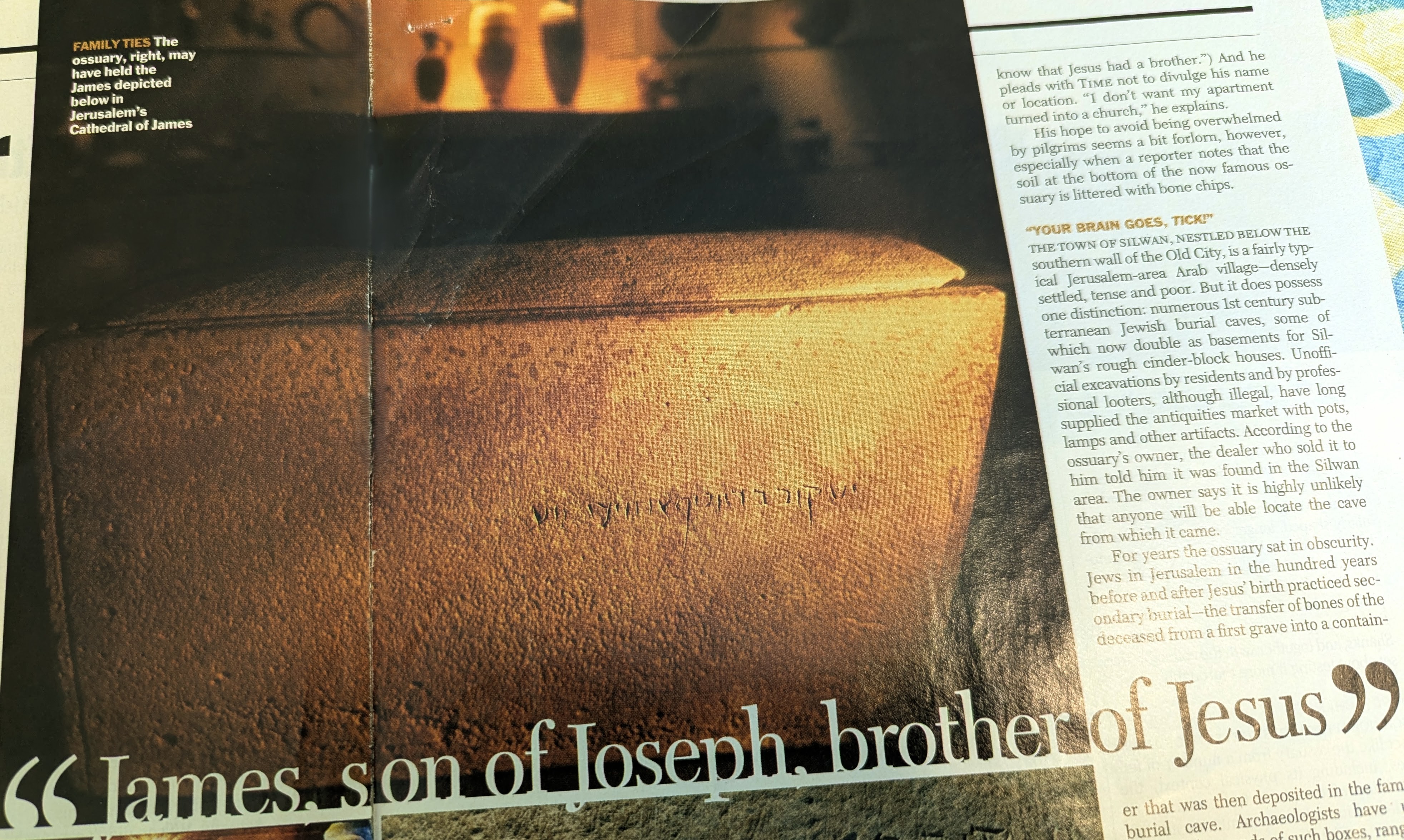
James—the brother of Jesus—who was this man? What evidence do we have that this “brother of our Lord” even existed?

David Kitz digs deep into archeology, family dynamics, church history, and the biblical texts. What emerges from his research is a portrait of a decisive, pivotal leader who embodied the will and character of Jesus Christ.

But how did James—James the unbeliever—transform to become a leader who changed the course of world history? In these pages you will uncover the answer and rediscover for yourself the life-changing power of the gospel.

To view further details or purchase directly from the author click here.

 

James the Door Hinge for the Gentile World

24 Sunday May 2026

Posted by davidkitz in Books by David Kitz

≈ Leave a comment

Tags

Bible, Christ, Christianity, church, circumcision, faith, Gentiles, gospel, James, James the brother of Jesus, Jerusalem, Jesus, leadership, Paul, Peter, Scripture, speaking in tongues

James: the Lynchpin of Our Faith — Chapter 12 — Part II

Peter’s declaration in favor of grace for the Gentiles rather than the Mosaic Law was followed by the testimony of Paul and Barnabas:

The whole assembly became silent as they listened to Barnabas and Paul telling about the signs and wonders God had done among the Gentiles through them. (Acts 15:12)

Through their testimony, Barnabas and Paul persuasively reinforced the argument Peter had presented. The conversion of the Gentiles was God’s doing. He had initiated it through Peter and now was continuing that work through Barnabas and Paul. The proof of this was in “the signs and wonders God had done.” If God was opposed to the inclusion of the Gentiles in the Christian faith, there would be no signs and wonders as the gospel message was presented. Instead, miraculous signs and wonders accompanied the preaching of the gospel, giving it credence. Large numbers of Gentiles believed the message they heard because they witnessed demonstrations of God’s power.

Signs and wonders were an integral part of the spread of the gospel as recorded in the Book of Acts. (1) Certainly, the apostles viewed these wonders as a natural extension of Jesus’ ministry. According to Mark’s Gospel, after his resurrection Jesus predicted this bursting forth of the miraculous:

Later Jesus appeared to the Eleven as they were eating; he rebuked them for their lack of faith and their stubborn refusal to believe those who had seen him after he had risen. He said to them, “Go into all the world and preach the gospel to all creation. Whoever believes and is baptized will be saved, but whoever does not believe will be condemned. And these signs will accompany those who believe: In my name they will drive out demons; they will speak in new tongues; they will pick up snakes with their hands; and when they drink deadly poison, it will not hurt them at all; they will place their hands on sick people, and they will get well.” (Mark 16:14–18)

Furthermore, Jesus had promised his disciples that they would do even greater things than he had done.

Very truly I tell you, whoever believes in me will do the works I have been doing, and they will do even greater things than these, because I am going to the Father. And I will do whatever you ask in my name, so that the Father may be glorified in the Son. You may ask me for anything in my name, and I will do it. (John14:12–14)

As the apostles heard the testimony of Paul and Barnabas, they undoubtedly harkened back to the words of Jesus. God was at work claiming a people for Himself. The proof of this was in the manifestation of signs and wonders as the gospel was presented to the Gentiles, their positive response to the message, and the demonstrable presence of the Holy Spirit among them.

There are those who see substantial differences between Peter and Paul, but there are none on display here. The core of the gospel message they present is essentially the same: the door to salvation is open to all, Jew and Gentile, by grace through faith alone in the redeeming death and resurrection of Jesus Christ.

Together here at the Jerusalem Council, Peter and Paul present a united front. They act as a tag team delivering the decisive blows that demolished the argument in favor of circumcision and adherence to Mosaic Law. We see them work in cooperation with one another here at the Council and later out on the field.

We know their position carried the day due James’ response:

When they finished, James spoke up. “Brothers,” he said, “listen to me. Simon [Peter] has described to us how God first intervened to choose a people for his name from the Gentiles. The words of the prophets are in agreement with this, as it is written:

“‘After this I will return and rebuild David’s fallen tent. Its ruins I will rebuild, and I will restore it, that the rest of mankind may seek the Lord, even all the Gentiles who bear my name, says the Lord, who does these things’—things known from long ago.'” (See Amos 9:11–12.)

“It is my judgment, therefore, that we should not make it difficult for the Gentiles who are turning to God. Instead we should write to them, telling them to abstain from food polluted by idols, from sexual immorality, from the meat of strangled animals and from blood. For the law of Moses has been preached in every city from the earliest times and is read in the synagogues on every Sabbath.” (Acts 15:13–21)


From this account one clearly has the sense that James is presiding over this gathering or Council. He is providing oversight as the question is framed and opposing arguments are debated. At the conclusion of the debate, James states his position and renders his judgment on the matter. In this regard the Jerusalem Council proceedings resemble a court case with a presiding judge, namely James, pronouncing the final verdict.

There is no indication that this is a democratic assembly where a final vote on the motion is taken. Rather the Council follows the format of a judicial council, where the matter is considered and decided by a judge or overseer. This format was customary in both Jewish and Roman practise during this time and continues in various forms to this day.

In his statement James concurs with Peter’s testimony. In essence, he concludes that this is a decision that God has already made. “Simon has described to us how God first intervened to choose a people for his name from the Gentiles” (Acts 15:14). He then goes on to reinforce his position by quoting from the prophet Amos.

There are several Old Testament scriptures that predict the Gentiles will turn in faith to the God of Israel. Why did James choose to quote this particular passage?

First and foremost, the Amos passage captures the thought that the entry of the Gentiles into God’s kingdom is God’s idea. It is the Lord “who does these things.” What Peter had described was an intervention of God in bringing the Gentiles at the household of Cornelius to faith. Similarly, Paul and Barnabas described God’s intervention by means of signs and wonders as they preached the gospel to the Gentiles on their first missionary journey. So James concludes that the conversion of the Gentiles was God’s idea and indeed God’s doing.

The phrase “David’s fallen tent” also merits some consideration. Jesus was a direct descendant from the kingly line of David. James sees God’s intervention as restoring the rule of the Davidic dynasty through the eternal reign of King Jesus. As the brother of Jesus, James may well have seen himself as part of that Davidic line extending the kingdom of God on the earth. Again, this is God’s doing, and James finds himself in the pivotal role of opening wide the door to the Gentiles.

Having stated his position on the matter, James renders his verdict. “It is my judgment, therefore, that we should not make it difficult for the Gentiles who are turning to God” (Acts 15:19). The Greek word krino is translated here as judgment. In fact, krino is translated as judge or judgment eighty-seven times in the New Testament. (2) Most modern translations render krino as judgment; however, the traditional King James Version translates krino as sentence. “Wherefore my sentence is, that we trouble not them, which from among the Gentiles are turned to God” (Acts 15:19). By translating krino in this way, the King James translators highlight the magisterial role of James at the Council. He has declared his ruling on the matter.

There can be little doubt that James is viewed as the head of the church by all those present. He fulfills the role of chief executive officer. How do we know this? He has the undisputed final word on this crucial matter of faith, practice, and doctrine.

But one gets the sense that James was not heavy handed or dictatorial in reaching his decision. Through the discussion and a full airing of the matter, he was working to reach a consensus within the church. Evidence for this can be found in the actions that follow his ruling.

Then the apostles and elders, with the whole church, decided to choose some of their own men and send them to Antioch with Paul and Barnabas. They chose Judas (called Barsabbas) and Silas, men who were leaders among the believers. (Acts 15:22)

There was agreement among the apostles, the elders, and the whole church on this matter.

With his decision James secured the future of the church. Christianity would not remain as an obscure sect within Judaism. It would spread around the world and become a dominant force in world history through the next two millennia. His decision made possible the unhindered progress of the gospel in the Roman Empire and beyond.

James’ judgment puts truth to these words, which were sung about his brother Jesus and recorded in John’s Revelation:

And they sang a new song, saying:
“You are worthy to take the scroll and to open its seals, because you were slain, and with your blood you purchased for God persons from every
tribe and language and people and nation. You have made them to be a kingdom and priests to serve our God, and they will reign on the earth.”
(Revelation 5:9–10)

(1) See Acts 3:7, Acts 5:5 & 10, Acts 5:15, Acts 9:34, Acts 9:40, Acts 13:11, Acts 14:3, Acts 14:10, Acts 19:11–12, Acts 20:10, Acts 28:5, Acts 28:8.
(2) Robert Young, Analytical Concordance to the Bible, Index-Lexicon to the New Testament, Revised by William B. Stevenson (Eerdmans, 1972), p. 78.

New from David Kitz

James—the brother of Jesus—who was this man? What evidence do we have that this “brother of our Lord” even existed?

David Kitz digs deep into archeology, family dynamics, church history, and the biblical texts. What emerges from his research is a portrait of a decisive, pivotal leader who embodied the will and character of Jesus Christ.

But how did James—James the unbeliever—transform to become a leader who changed the course of world history? In these pages you will uncover the answer and rediscover for yourself the life-changing power of the gospel.

To view further details or purchase directly from the author click here.
 

Planted by Streams of Water

16 Sunday Nov 2025

Posted by davidkitz in Psalm 1, Psalms

≈ Leave a comment

Tags

Bible, Christianity, faith, God, Jesus, judgment, praise the LORD, prosper, Psalms, the law of the LORD, the LORD, the righteous, tree

I will praise the LORD!

Photo by Pixabay on Pexels.com

Psalm 1

Listen to today’s reading by Jonathan Dent:

https://davidkitz.blog/wp-content/uploads/2025/11/ps-1-remix1.mp3

Blessed is the one
    who does not walk in step with the wicked
or stand in the way that sinners take
    or sit in the company of mockers,
but whose delight is in the law of the LORD,
    and who meditates on his law day and night.
That person is like a tree planted by streams of water,
    which yields its fruit in season
and whose leaf does not wither—
    whatever they do prospers.
Not so the wicked!
    They are like chaff
    that the wind blows away.
Therefore the wicked will not stand in the judgment,
    nor sinners in the assembly of the righteous.
For the LORD watches over the way of the righteous,
    but the way of the wicked leads to destruction. *


Para la publicación de 
Salmos 365 de hoy en español haga clic aquí.

bgbg_v4.3_1501818
* NEW INTERNATIONAL VERSION, COPYRIGHT ©1973, 1978, 1984, 2011 BY BIBLICA

Please pray for peace to return to Israel, Gaza, and Ukraine!

Volume I of Psalms 365: Develop a Life of Worship and Prayer won the Best Book of the Year Award from The Word Guild and Volume II has won the Best Devotional of the Year Award. For those who love God’s word, this three-book series is an ideal way to daily meet with the Lord. To purchase or for a closer look click here.

Available now…

James—the brother of Jesus—who was this man? What evidence do we have that this “brother of our Lord” even existed?

David Kitz digs deep into archeology, family dynamics, church history, and the biblical texts. What emerges from his research is a portrait of a decisive, pivotal leader who embodied the will and character of Jesus Christ.

But how did James—James the unbeliever—transform to become a leader who changed the course of world history? In these pages you will uncover the answer and rediscover for yourself the life-changing power of the gospel.

To view further details or purchase directly from the author click here.

He Who Is Least

09 Sunday Nov 2025

Posted by davidkitz in The Elisha Code

≈ Leave a comment

Tags

Banting, Bible, born again, Christianity, diabetes, evangelical, faith, God, gospel, humble, humility, insulin, Jesus, John the Baptist, Kingdom of God, Matthew, Old Testament, paradox, rebirth, servant, serve

On that day you, Jerusalem, will not be put to shame
for all the wrongs you have done to me,
because I will remove from you your arrogant boasters.
Never again will you be haughty on my holy hill.
But I will leave within you the meek and humble.
The remnant of Israel will trust in the name of the L
ORD
.
(Zephaniah 3:11-12, NIV)

The previous chapter concluded with Paul declaring he came to the Corinthians “in weakness with great fear and trembling” (1 Corinthians 2:3), but despite his weakness, God mightily used him to demonstrate the Spirit’s power.
There is something quite contradictory or paradoxical about Paul’s statement in 1 Corinthians 2:3-5, but this paradox of strength in weakness follows a consistent pattern in Paul’s epistles. He begins his first letter to the Corinthians by highlighting one of these apparent contradictions.

Brothers and sisters, think of what you were when you were called. Not many of you were wise by human standards; not many were influential; not many were of noble birth. But God chose the foolish things of the world to shame the wise; God chose the weak things of the world to shame the strong. God chose the lowly things of this world and the despised things—and the things that are not—to nullify the things that are, so that no one may boast before him (1 Corinthians 1:26-29, NIV).

Paul is telling us that God and his Kingdom operate on entirely different principles than the values and philosophies of this world. God uses and shows favor to those who are weak, foolish, and of low status in the eyes of the world. God’s Kingdom is a totally upside-down Kingdom according to the world’s perspective.

Paul elaborates further on the contradictory, paradoxical nature of God’s Kingdom in his second letter to the Corinthians when he states, “That is why, for Christ’s sake, I delight in weaknesses, in insults, in hardships, in persecutions, in difficulties. For when I am weak, then I am strong” (2 Corinthians 12:10).
This call for humility and submission is not confined to Paul’s letters. Peter explicitly calls for the same.

All of you, clothe yourselves with humility toward one another, because,

“God opposes the proud
but shows favor to the humble.”

Humble yourselves, therefore, under God’s mighty hand, that he may lift you up in due time. (1 Peter 5:5b-6).

James repeats this call for humility in his epistle. In fact, in their appeal James and Peter quote the same verse, Proverbs 3:34. (See James 4:6-7.)

The apostles’ teaching and lived experience simply reflected the teaching of their Lord and master Jesus Christ. Jesus’ life was a continual paradox. He was born in a stable, yet his birth was heralded by angels, the appearance of a star, and the arrival of magi from foreign lands. Then, he began his ministry with a manifesto that sets the operating principles of our world on its head.

“Blessed are the poor in spirit for theirs is the kingdom of heaven.
Blessed are those who mourn, for they will be comforted.
                                        
Blessed are the meek, for they will inherit the earth.
                                         
Blessed are those who hunger and thirst for righteousness, for they will be filled.
                                       
Blessed are the merciful, for they will be shown mercy.
                                                
Blessed are the pure in heart, for they will see God.
                                             
Blessed are the peacemakers, for they will be called children of God.
                                                

Blessed are those who are persecuted because of righteousness, for theirs is the kingdom of heaven” (Matthew 5:3-10)

Jesus’ ministry centered on the poor, the sick, the oppressed and afflicted. Peter described Jesus’ life work with these words, “God anointed Jesus of Nazareth with the Holy Spirit and power, and how he went around doing good and healing all who were under the power of the devil, because God was with him” (Acts 10:38).

Jesus was the eternal Creator of all things, yet through the miracle of incarnation he willingly subjected himself to the frailties and limitations of humanity. That included the humiliation of suffering the death of a criminal on a cruel Roman cross.

This upside-down perspective is at the heart of the Elisha code as revealed in the eleventh chapter of Matthew. In the previous chapters of this book, we recounted how the miracles of Jesus run parallel to the miracles of the prophet Elisha. In fact, there is a striking similarity in the content, style, and tenor of the ministries of Jesus and Elisha.
Furthermore, in Matthew eleven, Jesus definitively states that John the Baptist “is the Elijah who is to come” (Matthew 11:14). Again, there is a remarkable similarity in the intent, tone, and scope of the ministries of John and Elijah. So then, chapter eleven of Matthew establishes the link between the Old Testament prophetic duo of Elijah and Elisha and the New Testament duo of John the Baptist and Jesus Christ.

But in his description of John, Jesus goes on to make a statement that is rather puzzling and frequently misunderstood or misinterpreted.

Truly I tell you, among those born of women there has not risen anyone greater than John the Baptist; yet whoever is least in the kingdom of heaven is greater than he (Matthew 11:11, NIV).

The first part of this statement is very straight forward though quite startling. Clearly, Jesus held John in the highest regard—higher than any human past or present. Higher than Abraham. Higher than Moses. Higher than David. Higher than any of the Old Testament prophets. Jesus places John the Baptist at the head of the list, above all who ever lived. That is quite the honor!

But then Jesus goes on to say, “yet whoever is least in the kingdom of heaven is greater than he.”
So, who then is greater than John?

Evangelicals have puzzled over the meaning of this statement. Some have come up with a rather elaborate interpretation that relies heavily on dispensational theology. They reason that John was not born again; therefore, he is not included in the kingdom of heaven. Hence, anyone who is born again under the New Testament dispensation is greater than John.

However, this dispensational interpretation runs into several obstacles when we compare it with the whole of Scripture.

First, let’s be unequivocally clear. Spiritual rebirth is essential to anyone’s entrance into the kingdom of God. Jesus said, “Most assuredly, I say to you, unless one is born again, he cannot see the kingdom of God” (John 3:3). We must come into relationship with God—be born into his kingdom to be citizens of the kingdom.

Monarch Butterfly — photo by David Kitz

Jesus’ statement in John 3:3 raises other questions concerning the believers of the Old Testament era. Will we see them in heaven? Are they citizens of the kingdom?

There is ample biblical evidence that John the Baptist and all the great saints of the Old Testament are citizens of the Kingdom. In fact, in Luke’s Gospel, Jesus said just that.

“There will be weeping and gnashing of teeth, when you see Abraham and Isaac and Jacob and all the prophets in the kingdom of God, and yourselves thrust out. They will come from the east and the west, from the north and the south, and sit down in the kingdom of God. And indeed there are last who will be first, and there are first who will be last” (Luke 13:28-30).

Moreover, in Matthew 11, Jesus identifies John as being greater than all the prophets.

Then what did you go out to see? A prophet? Yes, I tell you, and more than a prophet. This is the one about whom it is written: “‘I will send my messenger ahead of you, who will prepare your way before you’” (Matthew 11:9-10).

If the patriarchs and prophets of the old covenant are included in the kingdom of God, then surely John who Jesus identifies as being greater than them all is included as well.

Furthermore, Hebrews 11 makes it abundantly clear that great Old Testament heroes of the faith will be present with us in glory. In fact, they are part of a great cloud of witnesses cheering us on (Hebrews 12:1-3).

So from these scriptures it is clear that the Old Testament heroes of the faith are all citizens of the kingdom. But Jesus said they cannot be citizens of the kingdom unless they are born again (John 3:3). How can they be born again when that teaching had not been introduced yet? In John 3, Jesus provides the answer to that conundrum.

“The wind blows where it wishes, and you hear the sound of it, but cannot tell where it comes from and where it goes. So is everyone who is born of the Spirit” (John 3:8).

Rebirth happens by the Spirit, and it has been happening from the very beginning. The day may come when we will meet with Enoch, Moses, and David in the kingdom.

The wind of the Spirit was blowing in the hearts of John the Baptist and the Old Testament citizens of the spiritual kingdom, and they were born again by the Spirit. This must be so, or Jesus could not say what he said in Luke 13:28-30 where he identifies them as sitting down in the kingdom of God. (They could not be sitting down in the kingdom of God unless they were born again.)

Moreover, there are not two kingdoms of God, one for the Old Testament believers and one for the New Testament born-again believers. There is only one eternal, spiritual kingdom of God, and we will all sit together in it.

Jesus is after all the great unifier of Jews and Gentiles just as Paul states.

 In reading this, then, you will be able to understand my insight into the mystery of Christ, which was not made known to people in other generations as it has now been revealed by the Spirit to God’s holy apostles and prophets. This mystery is that through the gospel the Gentiles are heirs together with Israel, members together of one body, and sharers together in the promise in Christ Jesus. (Ephesians 3:4-6)

Jesus introduced us to the teaching and the understanding of being born again, but that does not mean spiritual rebirth was not happening before he introduced that teaching. Isaac Newton introduced us to the concept of gravity, but that does not mean the laws of gravity were not working until he introduced them.

Similarly, Dr. Frederick Banting and Dr. Charles Best discovered insulin in 1921, and in January 1922 they injected insulin into a dying fourteen-year-old, type one diabetic named Leonard Thompson. The transformation in Leonard’s body was nothing short of miraculous. Until that time a diagnosis of type one diabetes was viewed as a death sentence. Most patients died within weeks or months.

Where land ends, Bruce Peninsula National Park — photo by Karen Kitz

We too like Leonard Thompson are under a death sentence. We suffer from a deadly condition called a sinful nature. The cure for this condition is spiritual rebirth at the hands of the Great Physician, Jesus Christ.

Insulin was doing its life-sustaining work in human bodies long before Banting and Best discovered it. In the same way, the Spirit was at work drawing people like Moses and David into relationship with the heavenly Father long before Jesus had his conversation with Nicodemus in John 3. And Old Testament people like Deborah, Ruth, Esther, and Jeremiah responded in faith as the Spirit of God touched their lives. They too came into a life altering relationship with God—a relationship that we now call being born again.

Logic dictates that these Old Testament saints must have experienced rebirth, or they could not sit down in the kingdom of God as Jesus declares they will in Luke 13:28-30.

Consequently, Jesus’ statement in Matthew 11:11 about “he who is least in the kingdom of God” is not about setting up a distinction between those who are born again, and those who are not born again, or drawing a distinction between the Old Testament and New Testament dispensations. Rather, it’s a passage about humility, where Jesus takes on the identity of being the one who is least in the Kingdom of God.

Now let’s again look at Matthew 11:11 with fresh eyes.

Truly I tell you, among those born of women there has not risen anyone greater than John the Baptist; yet whoever is least in the kingdom of heaven is greater than he (Matthew 11:11, NIV).

After stating that John is the greatest man who ever lived, Jesus asserts that the one who is least in the kingdom is greater than John. So, who then is greater than John?

Surely, we can all agree that Jesus is greater than John. He is after all the king of the kingdom. But in true contradictory, paradoxical fashion Jesus casts himself as being least in the kingdom of God. Jesus takes on that identity because he came to serve, suffer, and die.

So then, Matthew 11:11 is a passage that portrays Jesus humbling himself and taking the lowest position though he is King of all. This is the ultimate paradox expressed in a brilliant turn of phrase—so brilliant its meaning has eluded more than a few theologians.

Paul beautifully describes Christ’s humiliation and subsequent exaltation with these familiar words:

Who, being in very nature God,
did not consider equality with God something to be used to his own advantage;
rather, he made himself nothing
by taking the very nature of a servant,
being made in human likeness.
And being found in appearance as a man,
he humbled himself by becoming obedient to death—
even death on a cross!

Therefore God exalted him to the highest place
and gave him the name that is above every name,
that at the name of Jesus every knee should bow,
in heaven and on earth and under the earth,
and every tongue acknowledge that Jesus Christ is Lord,
to the glory of God the Father
(Philippians 2:6-11, NIV).

With his statement in Matthew 11:11, Jesus is making himself nothing and taking on the very nature of a servant just as Paul describes.

Furthermore, this self-deprecation follows a pattern that we see repeated in Matthews Gospel. Jesus repeatedly tells reverse stories, paradoxical parables where the first will be last. See Matthew 18:1-5, Matthew 19:30, Matthew 20:16, Matthew 20:28. These passages assert that Jesus and his kingdom work on principles and values that are the opposite of those found in the world. The poor have true wealth. The weak are strong. The despised are honored. Matthew 11:11 fits into this pattern of reversal with Jesus taking the lowest or least position.

But why is this emphasis on humility significant? What is the application for us today? Humility is at the core of the Elisha Code. We too need to follow in the footsteps of Jesus. We too need to humble ourselves and serve as he did.

The world will not be won to Christ by millionaire evangelists and pastors crisscrossing the globe in their private jets and preaching a gospel of prosperity and self-fulfillment. The world will be won by the meek—those who know how to humble themselves and serve—serve at the cost of their lives as the first century apostles did. That is the Jesus way—the way of the cross.

This is the nineth weekly excerpt from the award-winning book 
The Elisha Code & the Coming Revival 

A soul-gripping read.
Is a return-to-Jesus revival possible in our time?
This book points the way forward.
For details click here.
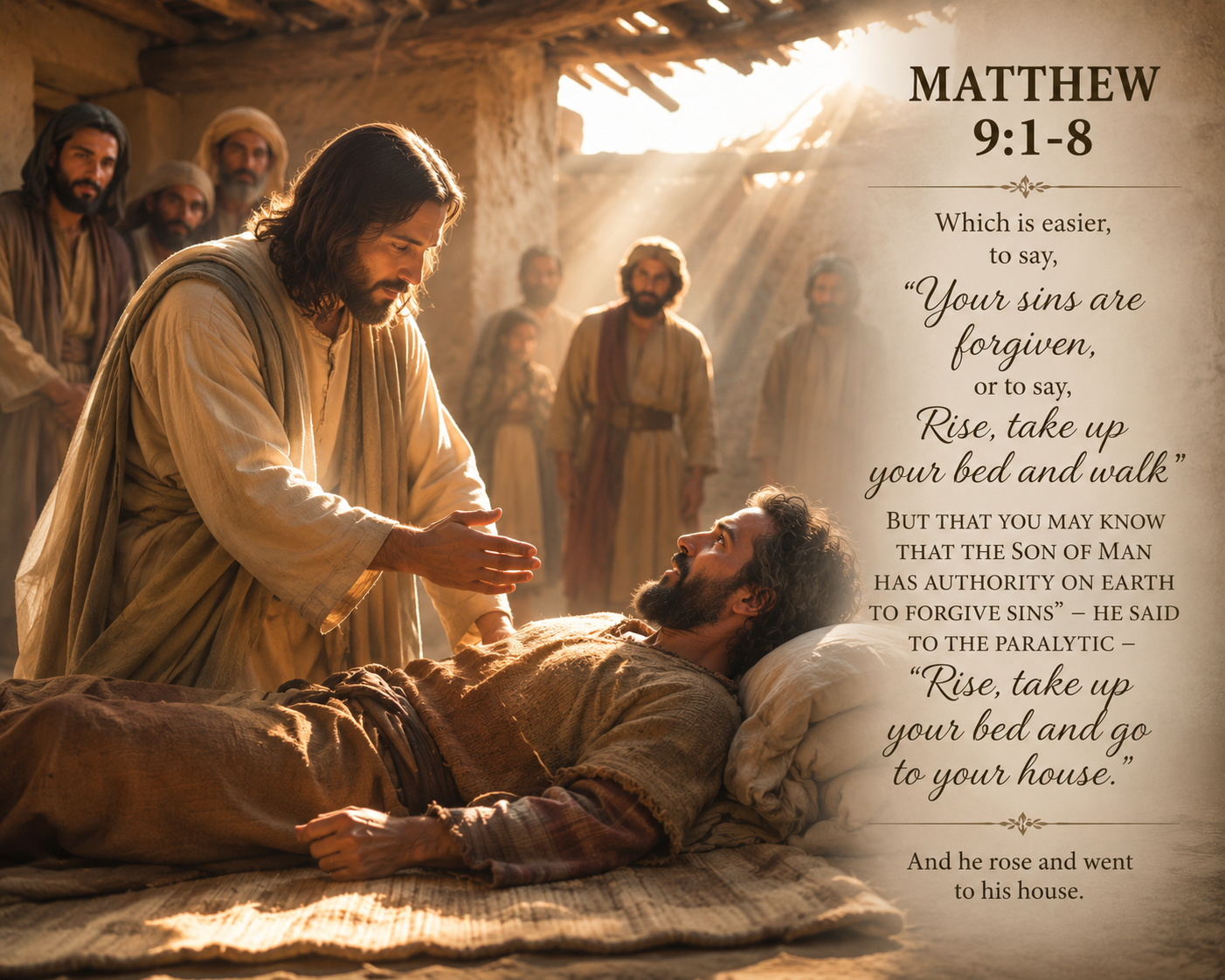
The Elisha Code & the Coming Revival

07 Sunday Sep 2025

Posted by davidkitz in revival

≈ Leave a comment

Tags

Bible, Billy Graham, Christian theology, Christianity, faith, God, God's word, gospel, Holy Spirit, Holy Spirit inspired, Jesus, Jesus Movement, preach Jesus, revival, spiritual renewal

Discovering Jesus Blueprint for Renewal

By
David Kitz & Dr. Ed Hird

Foreword by Lee Grady

I became a serious Christian at the tail end of the Jesus movement. I was too young to remember the hippie beads, tie-dyed shirts and “Jesus Is Groovy” slogans, but the songs were still popular when I was in college (including musicians such as Andrae Crouch, Love Song and Second Chapter of Acts), as were the movies—especially The Cross and the Switchblade.

The Jesus movement was like a spiritual tsunami that washed over hundreds of thousands of young people in the late 1960s and early ‘70s and brought them into a personal relationship with Christ. Some of these kids had been drug addicts and social misfits; most were just average Joes and Janes who discovered that Jesus is a lot more exciting than traditional churches had led them to believe.

Lately I find myself waxing nostalgic for those days—not because I want to return to the awkward fashions and hairstyles of 1972, but because I miss the spiritual simplicity of that era. The Jesus movement was primarily focused on—surprise!—Jesus. Theology was not complicated; pastors weren’t trying to be hip or sophisticated or tech-savvy, and we hadn’t yet created a Christian subculture with its own celebrities and political power bases.

Today, we just don’t preach enough about Jesus. In today’s ultra cool megachurch era, we’ve become experts on everything but basic Christian theology 101. In my recent travels I’ve been horrified to learn that many believers have given up the discipline of reading their Bibles even semi-regularly, and very few believers have ever led anyone to faith in Christ. One by one we are trading in our solid moral values for a squishy, spineless, whatever-is-right-for-you faith. People today prefer a steady diet of culturally relevant, fast-paced, techno-theology that is a poor substitute for biblical discipleship.

Even many Spirit-filled believers have developed the attitude that a simple focus on Christ isn’t enough. We’d rather go to a “prophetic encounter” to hear who will win the next election, or experience some exotic spiritual manifestation (gold dust, gems falling out of the ceiling). Or we prefer to ask Rev. Flash-in-the-Pan to pray for us for the sixteenth time so we can receive yet another “special anointing” that we will probably never use. 

In the midst of all this chaos, where is Jesus? Am I the only one out there who is weary of this distraction? Thankfully not. I am so pleased to read this book by Ed Hird and David Kitz because they share my concerns. The Elisha Code and the Coming Revival is a refreshing challenge to return to Jesus—and to expect spiritual revival when we clean up our message.

Call me old-fashioned, but I’ve decided to get back to the basics of the faith. That’s why I am reading What Jesus Is All About?, a classic book written 70 years ago by Henrietta Mears, a Bible teacher who helped mentor both Billy Graham and Bill Bright in the 1940s. 

Mears explains in her book how each of the four gospels give us a unique, four-dimensional portrait of the Savior. According to Mears:

  • Matthew was written to Jews to tell of a Promised Messiah who is also a King—and it uses the word “kingdom” 55 times.
  • Mark was written to Gentiles to tell of a Powerful Savior—and it reports more miracles than any other gospel.
  • Luke was written by a Gentile to tell of a Perfect Savior—and it has the most references to Jesus’ humanity.
  • John was written by “the disciple whom Jesus loved” to tell of a Personal Savior—and it has the most references to Jesus’ divine nature.

The Holy Spirit who inspired the Bible knew we needed more than a one, two, or three-dimensional look at Jesus. The Spirit gave us a four-dimensional view so that we could gaze at Him from all sides and become captivated by His magnificence—His supreme kingship, His compassionate mercy, His supernatural power, His perfect justice, His amazing humility and His love for sinners like you and me.

There’s so much more to Jesus than we realize. And there is so much more to say about Him than we are telling our generation. Instead of giving people a gospel diluted with left-wing or right-wing politics, or a message mixed with cultural “relevance,” we need to give them the real Jesus.

In this insightful book, full of keen insights from the lives of the prophets Elijah and Elisha, the authors challenge us to examine our message, repent of our unfaithfulness and embrace the raw courage to preach Jesus again. As you read this book, please allow God’s powerful Word to cut deep.

Lee Grady
Former Editor, Charisma
Author, Follow Me and The Holy Spirit Is Not for Sale
Director, The Mordecai Project

This is the first weekly excerpt from the award-winning book 
The Elisha Code & the Coming Revival 

A soul-gripping read.
Is a return-to-Jesus revival possible in our time?
This book points the way forward.
For details click here.

Enjoying the Blessings of Family

04 Monday Aug 2025

Posted by davidkitz in Psalm 128

≈ Leave a comment

Tags

adult children, Bible, blessings of children, blessings of family, bridge building, Christianity, devotion, faith, family, family unity, God, Psalms, the LORD

Today’s Devotion from Psalms 365 by David Kitz

Reading: Psalm 128

A song of ascents.

Blessed are all who fear the LORD,
    who walk in obedience to him.
You will eat the fruit of your labor;
    blessings and prosperity will be yours.
Your wife will be like a fruitful vine
    within your house;
your children will be like olive shoots
    around your table.
Yes, this will be the blessing
    for the man who fears the L
ORD.
May the LORD bless you from Zion;
    may you see the prosperity of Jerusalem
    all the days of your life.
May you live to see your children’s children—
    peace be on Israel
(NIV). *

Photo by fauxels on Pexels.com

Reflection
I got an unexpected call from my son this morning. “Can we have lunch together today?” he asked.

“Sure,” I responded without hesitation. Who can say no to such a request? We went out to a pizza place for their buffet lunch. We enjoyed a leisurely conversation. There was no urgency to our discussion. He shared a few minor work frustrations, while I did the same. This was simply a father and son enjoying each other’s company, talking a little sports and discussing whatever came to mind.

According to Psalm 128, I was appreciating one of the olive shoots around my table. Now that’s a unique way to view your son or daughter. Children are a blessing, and when adult children enjoy spending time with their parents that’s a double blessing. At a time when many adult children are estranged from their parents or separated by long distances, the opportunity to spend time together at the drop of a hat is a real blessing. As a parent you are enjoying the fruit of your labor. You are reaping the rewards from years spent pouring into the lives of your children.

This is the ninth psalm of the series of psalms known as Songs of Ascent or Psalms of Ascent. These were psalms used by pilgrims as they made the annual trek to Jerusalem for celebrations such as the Feast of Tabernacles or the Passover. In some respects, these ancient holy days roughly correspond to our present-day holidays such as Easter, Thanksgiving and Christmas. Families today often make long journeys to celebrate together what at their core are religious holidays. Family togetherness is a central feature of such events. We should not be surprised then that this entire psalm highlights the blessings of family unity.

It should be noted that the blessings of family begin with obedience and the fear of the LORD.

Response: Father God, I love my family. I am so blessed to have children who love you, Lord. Watch over them, I pray. Keep their hearts tender before you. Help them to daily hear your voice. Amen.

Your Turn: Are you estranged from family members? How can you build a bridge back to that loved one?

Para la publicación de Salmos 365 de hoy en español haga clic aquí.

bgbg_v4.3_1501818
* NEW INTERNATIONAL VERSION, COPYRIGHT ©1973, 1978, 1984, 2011 BY BIBLICA

Please pray for peace to return to Israel, Gaza, and Ukraine!

Volume I of Psalms 365: Develop a Life of Worship and Prayer won the Best Book of the Year Award from The Word Guild and Volume II has won the Best Devotional of the Year Award. For those who love God’s word, this three-book series is an ideal way to daily meet with the Lord. To purchase or for a closer look click here.
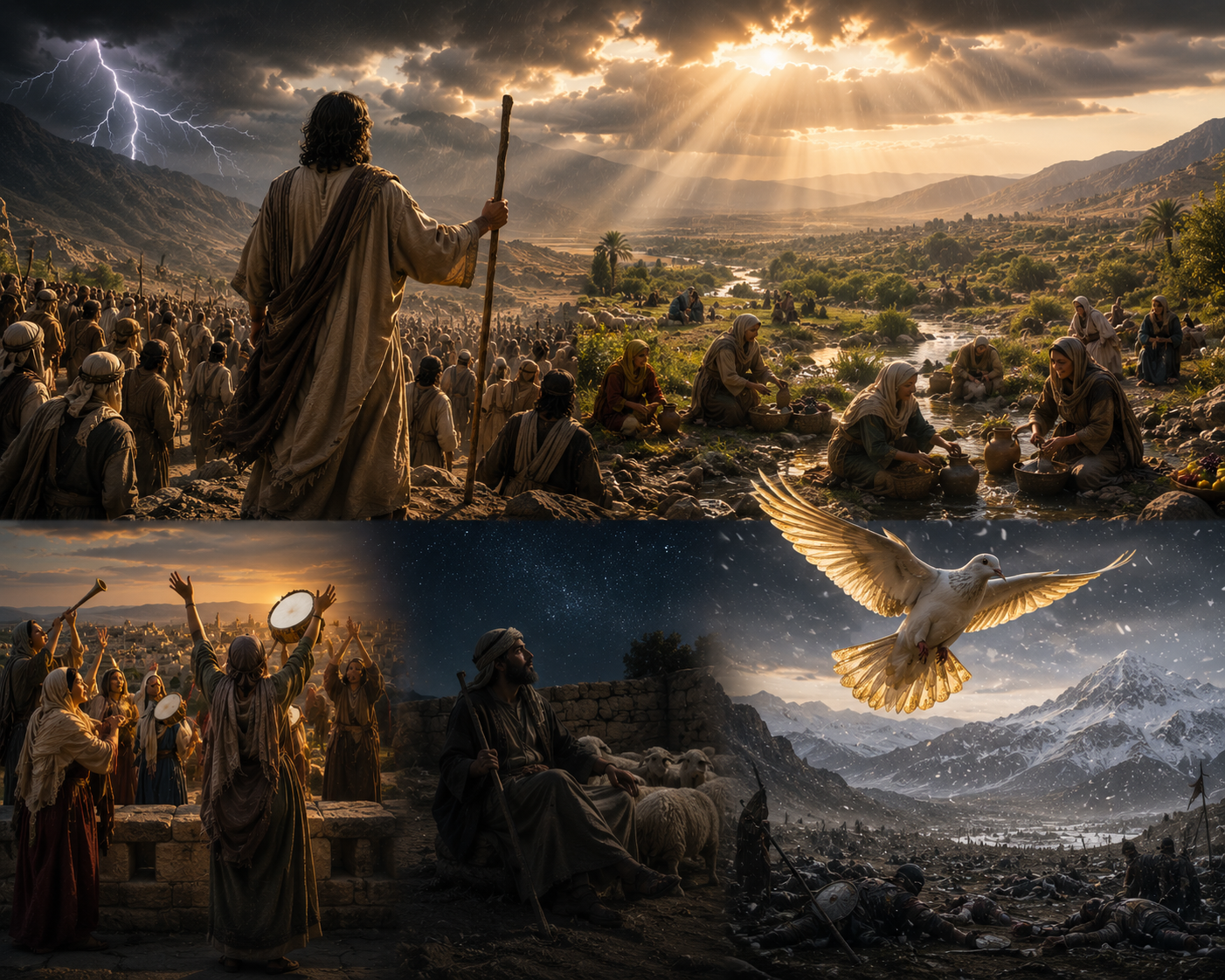
A gripping read from David Kitz.
Is a return-to-Jesus revival possible in our time?
This book points the way forward.
For details click here.


When Faith Is Tested by Fire

07 Monday Jul 2025

Posted by davidkitz in Psalms

≈ Leave a comment

Tags

Christianity, endurance, faith, freedom, hope, obedience, persecution, Prayer, Scripture, Suffering, trust

Today’s Devotion from Psalms 365 by David Kitz

Reading: Psalm 119:81-88
כ Kaph
My soul faints with longing for your salvation,
but I have put my hope in your word.
My eyes fail, looking for your promise;
I say, “When will you comfort me?”
Though I am like a wineskin in the smoke,
I do not forget your decrees.
How long must your servant wait?
When will you punish my persecutors?
The arrogant dig pits to trap me,
contrary to your law.
All your commands are trustworthy;
help me, for I am being persecuted without cause.
They almost wiped me from the earth,
but I have not forsaken your precepts.
In your unfailing love preserve my life,
that I may obey the statutes of your mouth (NIV). *

Reflection
Christians around the world are going through an unprecedented time of persecution. Broadly speaking the news media has done very little reporting on this topic. In China, new church buildings have been bulldozed to the ground. In Syria and Iraq, Christians have fled for their lives as Islamic extremist rampage through their communities raping and killing any who remain. In India several states have passed anti-conversion laws in an attempt to halt the spread of Christianity. Christmas celebrations were cancelled in Manipur state because of clashes and threats of violence from Hindu radicals.

For those who are suffering, these verses from Psalm 119 are particularly pertinent: All your commands are trustworthy; help me, for I am being persecuted without cause. They almost wiped me from the earth, but I have not forsaken your precepts (v. 86-87).

Satan and his minions are determined to wipe Christians from the face of the earth. Sensing that his end is near, he has inflamed a host of religious extremists and fanatics to attack the bride of Christ. Though he rages, he will not succeed. Closer to home court rulings have frequently trumped religious freedom, while openly promoting an LGBTQ agenda.

In their suffering, persecuted believers turn to the Lord and to his holy word. These words are their prayer: In your unfailing love preserve my life, that I may obey the statutes of your mouth (v. 89).

We ought to thank the Lord daily for the freedom we have to assemble and worship our Savior. It’s a freedom we may one day lose.

Response: Father God, have mercy on those who are suffering for their faith. Be with those who are fleeing persecution. Travel with them and be their guide. Show me how I can help. Amen.

Your Turn: Do we take our freedoms for granted? Have you faced opposition because of your faith?

Para la publicación de Salmos 365 de hoy en español haga clic aquí.

bgbg_v4.3_1501818
* NEW INTERNATIONAL VERSION, COPYRIGHT ©1973, 1978, 1984, 2011 BY BIBLICA

Please pray for peace to return to Israel, Gaza, and Ukraine!

Volume I of Psalms 365: Develop a Life of Worship and Prayer won the Best Book of the Year Award from The Word Guild and Volume II has won the Best Devotional of the Year Award. For those who love God’s word, this three-book series is an ideal way to daily meet with the Lord. To purchase or for a closer look click here.

A gripping read from David Kitz.
Is a return-to-Jesus revival possible in our time?
This book points the way forward.
For details click here.
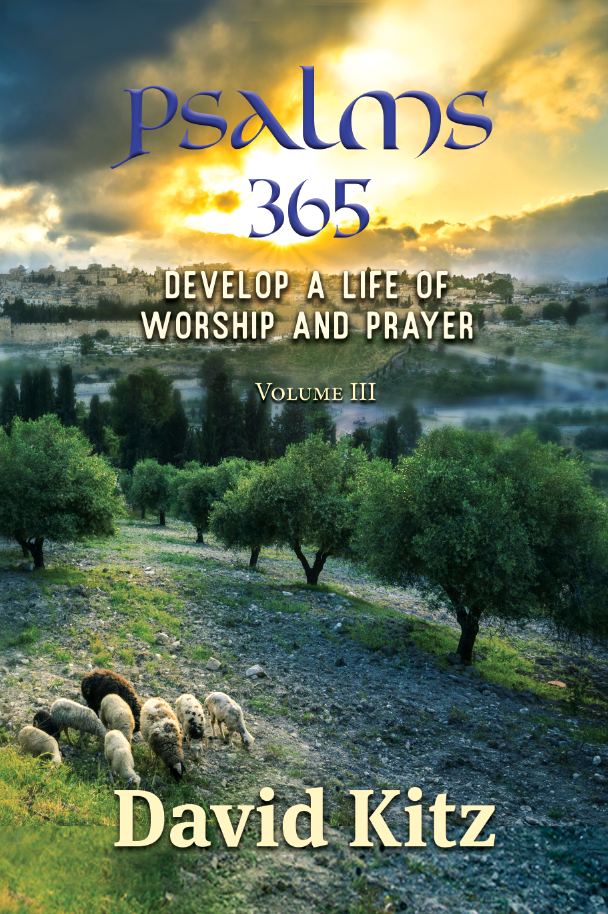
You Welcomed the Message

23 Monday Jun 2025

Posted by davidkitz in Psalm 119

≈ Leave a comment

Tags

Bible, Christianity, faith, God, Jesus

Today’s quote and prayer from
“Psalms 365: Develop a Life of Worship and Prayer”
by David Kitz.


Reading: Psalm 119:1-8

Father God,
like the psalmist
I want to fall in love with your Word.
Here is the purpose to my desire.
I want to live a blameless life
that brings honor to my Creator
because you are good.
Amen.

— — — —

For we know,
brothers and sisters loved by God,
that he has chosen you,
 because our gospel came to you
not simply with words
but also with power,
with the Holy Spirit
and deep conviction.
You know how we lived among you
for your sake.
 
You became imitators of us
and of the Lord,
for you welcomed the message
in the midst of severe suffering
with the joy given by the Holy Spirit.
 
And so you became a model
to all the believers in Macedonia and Achaia.
 
The Lord’s message rang out from you
not only in Macedonia and Achaia—
your faith in God has become known everywhere.
Therefore
we do not need to say anything about it,
 
for they themselves report
what kind of reception you gave us.
They tell how you turned to God
from idols to serve the living and true God,
 
and to wait for his Son from heaven,
whom he raised from the dead—
Jesus, who rescues us from the coming wrath.

(1 Thessalonians 1:4-10 NIV)*

Para la publicación de Salmos 365 de hoy en español haga clic aquí.

bgbg_v4.3_1501818
* NEW INTERNATIONAL VERSION, COPYRIGHT ©1973, 1978, 1984, 2011 BY BIBLICA

Please pray for peace to return to Israel, Gaza, Iran, and Ukraine!

Volume I of Psalms 365: Develop a Life of Worship and Prayer won the Best Book of the Year Award from The Word Guild and Volume II has won the Best Devotional of the Year Award. For those who love God’s word, this three-book series is an ideal way to daily meet with the Lord. To purchase or for a closer look click here.

A gripping read from David Kitz.
Is a return-to-Jesus revival possible in our time?
This book points the way forward.
For details click here.

Trusting in God’s Strength

02 Friday May 2025

Posted by davidkitz in Psalms

≈ Leave a comment

Tags

Bible, Christianity, dependence, faith, God, guidance, humility, Jesus, praise, Prayer, salvation, seeking God’s help, strength, trust, worship

Today’s Devotion from Psalms 365 by David Kitz

Reading: Psalm 105:1-7
Give praise to the LORD, proclaim his name;
make known among the nations what he has done.
Sing to him, sing praise to him;
tell of all his wonderful acts.
Glory in his holy name;
let the hearts of those who seek the LORD rejoice.
Look to the LORD and his strength;
seek his face always.
Remember the wonders he has done,
his miracles, and the judgments he pronounced,
you his servants, the descendants of Abraham,
his chosen ones, the children of Jacob.
He is the LORD our God;
his judgments are in all the earth (NIV). *

Photo by Binyamin Mellish on Pexels.com

Reflection
This past Sunday during the children’s church time the pastor led the children in a rousing chorus of “Jesus Loves Me.” In case you need a quick refresher, here is the first verse of that much loved children’s hymn: Jesus loves me! This I know, For the Bible tells me so; Little ones to Him belong; They are weak, but He is strong.

I remember singing this song with much gusto as a young tyke at Vacation Bible School. I took special comfort from this line: Little ones to Him belong; They are weak, but He is strong.

As a child I was well aware I needed the strength of Jesus, since I had so little strength of my own. As we grow up and mature into adulthood we can forget to depend on the Lord’s strength. We have plenty of our own strength. Soon we can find ourselves relying on our own intellect and resources to solve problems as they come our way. Who needs Jesus when we can make our own way in life? Maybe we don’t consciously say that, but our actions reflect that line of reasoning.

The children’s song “Jesus Loves Me” might have been inspired by a line from Psalm 105 where we read, Look to the LORD and his strength; seek his face always (v. 4).

The plain truth is that I need the LORD and His strength at every stage of my life. My strength on every level is miniscule in the sight of God. That’s why I need to seek his face continually. His wisdom surpasses my limited understanding. I have so little strength on my own, but His power is all surpassing. How foolish we are to rely on our abilities, when the Lord offers to walk through this life right beside us. Jesus said, “Take my yoke upon you and learn from me, for I am gentle and humble in heart, and you will find rest for your souls” (Matthew 11:29).

Response: Lord Jesus, you are strong—strong enough to carry the cross on my behalf—strong enough to purchase my redemption. I look to you for strength and salvation. Always guide my steps. I confess that I need you at every stage of my life. Amen.

Your Turn: Did you find it easier to trust in Jesus as a child than as an adult? Why? What changes your level of trust in God?

Para la publicación de Salmos 365 de hoy en español haga clic aquí.

bgbg_v4.3_1501818
* NEW INTERNATIONAL VERSION, COPYRIGHT ©1973, 1978, 1984, 2011 BY BIBLICA

Please pray for peace to return to Israel, Gaza, and Ukraine!

Volume I of Psalms 365: Develop a Life of Worship and Prayer won the Best Book of the Year Award from The Word Guild and Volume II has won the Best Devotional of the Year Award. For those who love God’s word, this three-book series is an ideal way to begin the new year, and daily meet with the Lord. To purchase or for a closer look click here.

RGB72PsalmsVol2

A gripping read from David Kitz.
4485 SHARABLE-2

To purchase or for a closer look click here.

The Lord Himself Will Come Down

01 Thursday May 2025

Posted by davidkitz in Psalm 104

≈ Leave a comment

Tags

Bible, Christ's coming, Christ's second coming, Christianity, faith, faith in Christ, God, Jesus, Prayer, Psalms, resurrection of the dead, the LORD

Today’s quote and prayer from
“Psalms 365: Develop a Life of Worship and Prayer”
by David Kitz.

 Reading: Psalm 104:27-35

Heavenly Father,
 send your reviving Spirit among us.
Renew our faith in your risen Son.
Come, Lord Jesus.
I long for your return.

Amen.

— — —

Brothers and sisters,
we do not want you to be uninformed 
about those who sleep in death, 
so that you do not grieve like the rest of mankind,
who have no hope.
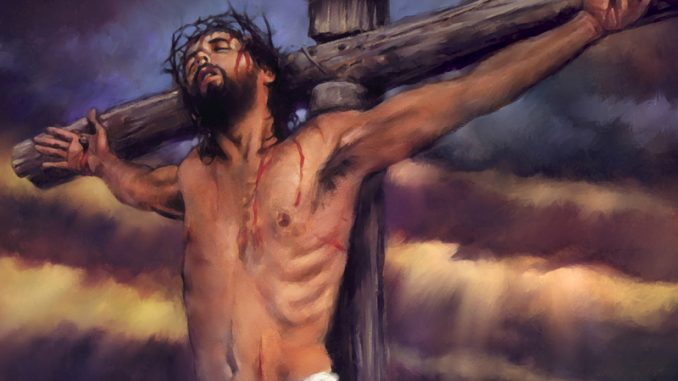
For we believe that Jesus died and rose again, 
and so we believe that God will bring with Jesus
those who have fallen asleep in him.

According to the Lord’s word,
we tell you that we who are still alive,
who are left until the coming of the Lord, 
will certainly not precede
those who have fallen asleep.

For the Lord himself will come down from heaven, 
with a loud command,
with the voice of the archangel 
and with the trumpet call of God, 
and the dead in Christ will rise first.

After that,
we who are still alive and are left 
will be caught up together with them
in the clouds to meet the Lord in the air.
And so we will be with the Lord forever.

Therefore encourage one another with these words.

(1 Thessalonians 4:13-18 NIV)*

Para la publicación de Salmos 365 de hoy en español haga clic aquí.

bgbg_v4.3_1501818
* NEW INTERNATIONAL VERSION, COPYRIGHT ©1973, 1978, 1984, 2011 BY BIBLICA

Please pray for peace to return to Israel, Gaza, and Ukraine!

Volume I of Psalms 365: Develop a Life of Worship and Prayer won the Best Book of the Year Award from The Word Guild and Volume II has won the Best Devotional of the Year Award. For those who love God’s word, this three-book series is an ideal way to daily meet with the Lord. To purchase or for a closer look click here.

RGB72PsalmsVol2

A gripping read from David Kitz.
Is a return-to-Jesus revival possible in our time?
This book points the way forward.
For details click here.

← Older posts

Psalms 365: Develop a Life of Worship & Prayer

Psalms 365 Volume II

Psalms 365 vol 3
— Psalms 365 Volume III

Now available:

Psalms

Recent posts

  • Rock of refuge in a changing world June 1, 2026
  • James the Mediator between Two Camps May 31, 2026
  • The LORD Hears the Needy May 30, 2026
  • John the Baptist Beheaded May 29, 2026
  • Still Poor and Needy May 29, 2026
  • A Prophet Without Honor May 28, 2026
  • Praise, Despite Affliction & Pain May 28, 2026

Calendar

June 2026
M T W T F S S
1234567
891011121314
15161718192021
22232425262728
2930  
« May    

Blog Posts

Comments

  • atimetoshare.me on Rock of refuge in a changing world
  • davidkitz on A Prophet Without Honor
  • A Prophet Without Honor – QuietMomentsWithGod on A Prophet Without Honor

Blog at WordPress.com.

Privacy & Cookies: This site uses cookies. By continuing to use this website, you agree to their use.
To find out more, including how to control cookies, see here: Cookie Policy
  • Subscribe Subscribed
    • I love the Psalms
    • Join 1,354 other subscribers
    • Already have a WordPress.com account? Log in now.
    • I love the Psalms
    • Subscribe Subscribed
    • Sign up
    • Log in
    • Report this content
    • View site in Reader
    • Manage subscriptions
    • Collapse this bar

Loading Comments...