• Home
  • About
  • DavidKitz.ca
  • Youtube Videos
  • Books by David
  • Books on Amazon.com

I love the Psalms

~ Connecting daily with God through the Psalms

I love the Psalms

Tag Archives: Paul

Resurrection Visitation—When and Why

19 Sunday Apr 2026

Posted by davidkitz in Books by David Kitz

≈ Leave a comment

Tags

apostles, Christ, crucifixion, forty days, gospel, James, James the brother of Jesus, Jesus, Jesus' family, Messiah, Paul, Peter, Pilate, proof of the resurrection, resurrection, Scripture, skeptics, the cross, Thomas

James: the Lynchpin of Our Faith — Chapter 9

The cataclysmic events of Good Friday left a shattered, fragmented family in its wake. In the wake of Easter Sunday, Jesus’ post-resurrection visit with James was undoubtedly aimed at restoring a healthy family relationship. There is every indication that this visitation accomplished its purpose.

Because this event is so pivotal in the life of James moving forward, it warrants a closer examination. The New Testament information is indeed scant, but it is possible to propose a sequenced time frame for when this critical meeting of the two brothers took place. First, we need to use Paul the apostle’s statement in 1 Corinthians as a guide. It is repeated here for quick reference:

For what I received I passed on to you as of first importance: that Christ died for our sins according to the Scriptures, that he was buried, that he was raised on the third day according to the Scriptures, and that he appeared to Cephas [Peter], and then to the Twelve. After that, he appeared to more than five hundred of the brothers and sisters at the same time, most of whom are still living, though some have fallen asleep. Then he appeared to James, then to all the apostles, and last of all he appeared to me also, as to one abnormally born. (1 Corinthians 15:3–7)

It should however be noted that Paul’s account of the resurrection appearances of Christ is not comprehensive or complete. It was not intended to be an exhaustive listing of these events. The gospel writers detail other appearances that are not recorded in Paul’s defence of the resurrection. For example, Paul makes no mention of the three women who first reported the resurrection to the apostles on Sunday morning, (Luke 24:1–11, Mark 16:1–8, Matthew 28:1–10) nor does he report the more personal encounter between Jesus and Mary Magdalene (Mark 16:9, John 20:10–18). The gospel writers Luke and Mark report on Jesus’ encounter with two disciples on the road to Emmaus on Sunday afternoon and evening (Mark 16:12–13, Luke 24:13–35). This was followed later that evening by his appearing to the ten in a room with other gathered followers, (Mark 16:14, Luke 24:33–43, John 20:19–23) though apparently Thomas was not present. Eight days later Jesus appeared again among the apostles, and he made a point of convincing Thomas that the story of his resurrection was not a fabrication.

John’s account of this incident bears repeating here, since it may have been similar in some respects to Christ’s encounter with his half-brother James.

Now Thomas (also known as Didymus), one of the Twelve, was not with the disciples when Jesus came. So the other disciples told him, “We have seen the Lord!”

But he said to them, “Unless I see the nail marks in his hands and put my finger where the nails were, and put my hand into his side, I will not believe.”

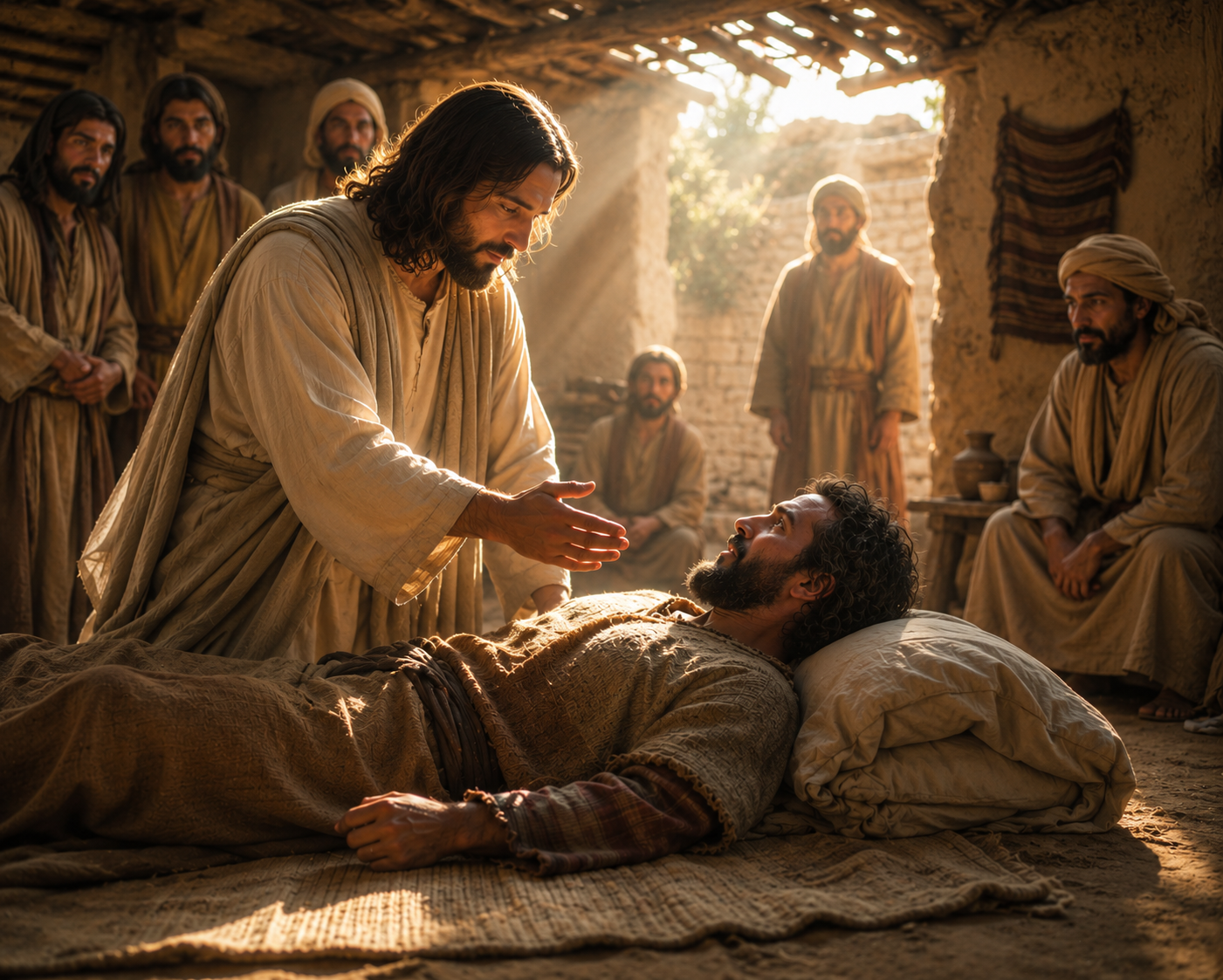
A week later his disciples were in the house again, and Thomas was with them. Though the doors were locked, Jesus came and stood among them and said, “Peace be with you!” Then he said to Thomas, “Put your finger here; see my hands. Reach out your hand and put it into my side. Stop doubting and believe.”

Thomas said to him, “My Lord and my God!”

Then Jesus told him, “Because you have seen me, you have believed; blessed are those who have not seen and yet have believed.” (John 20:24–29)

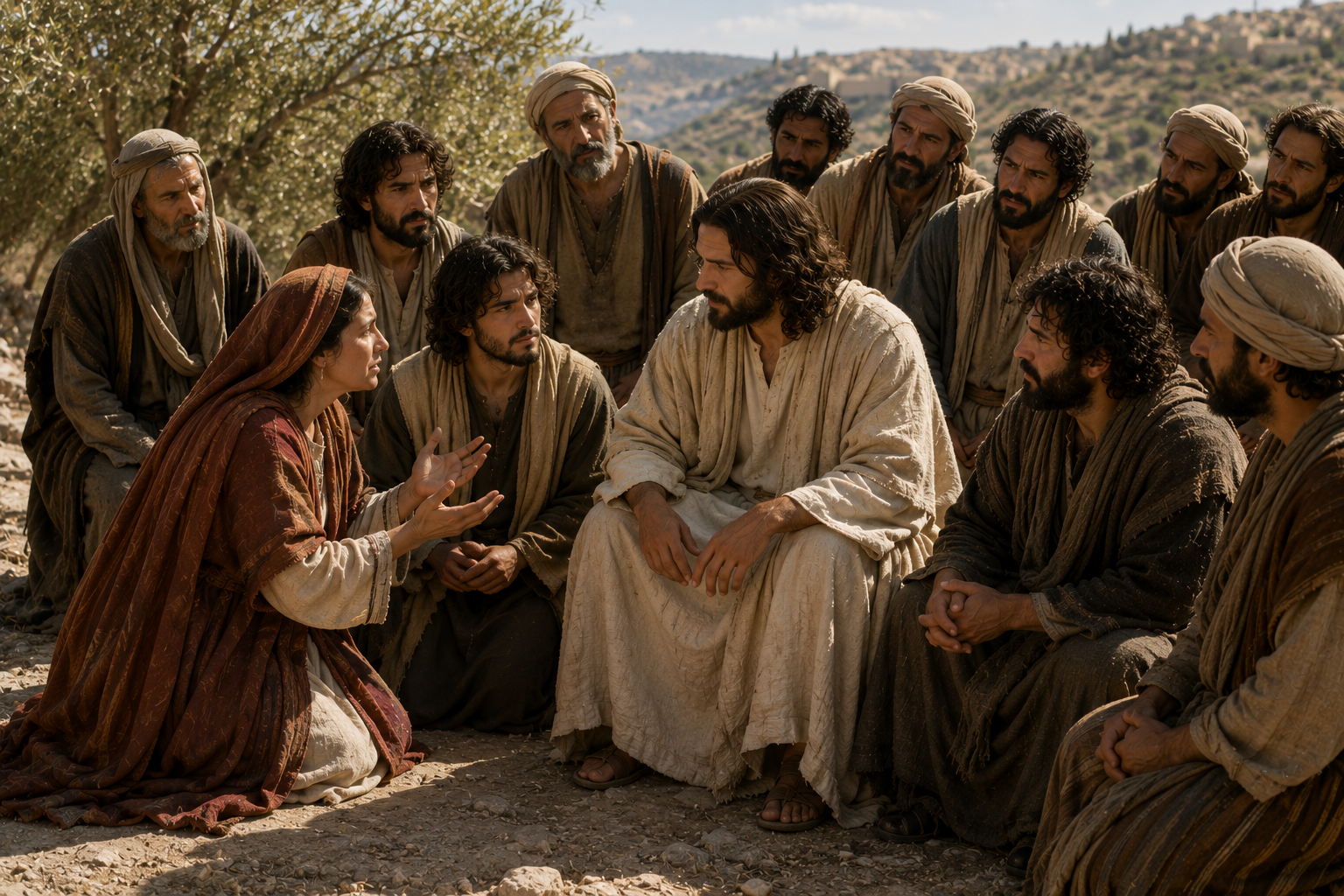
Did James need this type of hands-on encounter to convince him that Jesus was alive, was standing before him and had risen from the dead? It certainly seems likely, since the apostle John called him an unbeliever (John 7:5). Did the brothers share a meal together, thus proving that the risen Jesus had fleshly substance and was not merely a ghostly apparition? See Luke 24:36–42.

Sometimes the most difficult people to persuade are the members of our own family. They know us too well and are fully aware of our foibles and shortcomings. After all, familiarity breeds contempt. But another familial phenomenon may be at play here. When we acknowledge the strengths of our sibling, we may feel diminished before them. Having seized the leadership role in the household of Joseph, did James begrudge yielding any authority or praise to the brother whose position he usurped? From James’ perspective, he was not usurping Jesus’ position. He was simply assuming his lawful role as the firstborn heir of Joseph. But acknowledging one’s brother as Messiah and Deity is a steep step down for any man to take. Bending the knee would not come easily.

James was a difficult nut to crack. There was a hard exterior to himm built up over years of rivalry, personal pride, and ambition. Those who have read his New Testament epistle will readily acknowledge that James was a man of rock-solid conviction and impeccable zeal. Some of those characteristics were undoubted evident before his conversion. They were simply oriented in a different direction—a direction that was hostile to Jesus and his mission. In this respect, James was very similar to another New Testament character—Saul who after his encounter with the risen Christ became the zealous apostle Paul.

James the skeptic would certainly need proof of the resurrection. If stunning proof was what he needed, Jesus was willing to provide it.

Luke, the author of the Book of Acts, informs us that there was a forty-day window—from the resurrection to Christ’s ascension—within which the encounter with James must have occurred.

In my former book, Theophilus, I wrote about all that Jesus began to do and to teach until the day he was taken up to heaven, after giving instructions through the Holy Spirit to the apostles he had chosen. After his suffering, he presented himself to them and gave many convincing proofs that he was alive. He appeared to them over a period of forty days and spoke about the kingdom of God. (Acts 2:1–3)

When this passage is compared with Paul’s remarks on the resurrection in 1 Corinthians 15, it becomes clear that Christ’s visitation with James took place near the conclusion of this forty-day period. Jesus saved the encounter with his fiercest skeptic and rival until near the end. Why would this be the case?

One can reasonably assume that there was some logical plan to the appearances that Jesus made. He was providing visible, physical proof of his resurrection. Luke says just that in the Acts passage cited above.

There is also a trainload of significance to the fact that these appearances happened over a period of forty days. Throughout the scriptures the passage of forty days signals a time of testing or proving. The great flood in the days of Noah took place over forty days (Genesis 7:17). Moses spent forty days with God on Mount Sinai receiving the Law (Exodus 34:28). Elijah traveled forty days to Mount Horeb, the mountain of God, on the strength of a single meal (1 Kings 19:7-9). In the same way, Jesus fasted forty days in the wilderness where he was tempted by the devil (Matthew 4:1–11, Mark 1:12–13, Luke 4:1–13). He was severely tested before his public ministry began. During that time of testing, Jesus proved that he was victorious over a triumvirate of evil—the temptations of the flesh, the world and the devil. He proved that he was ready to take on the responsibility of his redemptive mission.

Jesus’ life on planet earth was bookended by another forty days of proving. During this final forty-day interval, he went about proving that he had overcome another triumvirate that rules all humanity—the triumvirate of death, hell and the grave.

Despite repeatedly prophesying this very outcome. See Mark 8:31–33, 9:30–32, 10:32–34. Jesus’ physical resurrection was greeted with profound astonishment and near-universal skepticism. An excerpt from Mark’s gospel account dramatically illustrates this point:

When Jesus rose early on the first day of the week, he appeared first to Mary Magdalene, out of whom he had driven seven demons. She went and told those who had been with him and who were mourning and weeping. When they heard that Jesus was alive and that she had seen him, they did not believe it.

Afterward Jesus appeared in a different form to two of them while they were walking in the country. These returned and reported it to the rest; but they did not believe them either.

Later Jesus appeared to the Eleven as they were eating; he rebuked them for their lack of faith and their stubborn refusal to believe those who had seen him after he had risen (Mark 16:9–14)

One of the strongest arguments for the truth of the four gospel accounts springs from the unbelief of the apostles. When Jesus was raised from the dead, they were completely taken aback. Words such as floored, dumbfounded and thunderstruck spring to mind. And well they should. This is a miracle that defies all the norms of human experience. Their initial unbelief paints a rather unflattering picture of the apostles. This down-to-earth realism, however, lends credibility to the gospel accounts. Who would not be incredulous at reports of someone who was horribly tortured and killed, publicly speared, and drained of his blood (John 19:33–35) suddenly rising from the dead?

Furthermore, anyone who has read the four gospel accounts of the resurrection will discover that there is a certain amount of disorderly chaos in the way the events are reported. They do not match perfectly, and on certain points they seem contradictory. Clearly, no one employed a fact checker before each of the gospels went to press. But rather than sully their credibility, this rather haphazard reporting lends credence tothe truth of the events. The gospel accounts are not carefully crafted documents created by committee and verified in advance by scholarly research. On the contrary, they are independently produced, eyewitness accounts of events that transpired thirty-five or more years prior to the date when they were penned. Some discrepancies can be expected and indeed they are present. But rather than discredit the gospels, these straightforward recollections add to their authenticity and realism.

Present-day eyewitness accounts of the same event usually vary considerably in scope and detail. Witnesses whose stories agree perfectly provide evidence of collusion, nothing more. Discrepancies occur because each witness views the event from a different perspective and with varying degrees of perception. Also, human recall of an event is fallible and can vary over time. This is precisely what we encounter when we read the gospels. When one compares the resurrection accounts in the four gospels, some details appear to be jumbled or missing, but the picture that emerges is strong and clear: To the astonishment of all, Jesus rose from the dead.

Jesus had forty days to prove his resurrection. What logical plan did he follow to convince his followers, and ultimately the world, that he is alive?

Merely appearing before people who do not know him would prove nothing. They were not acquainted with him. Any random stranger could claim to have returned from the dead, but this claim means nothing to the hearer. It seems absurd! They do not know the man and they are unable to verify his claim. Nail scars in hands and feet may be curious features, but they could be self-inflicted wounds. They do not prove that the person thus wounded has risen from the dead.

The point of this argument is this: the people that Jesus must convince are his followers and those who knew him best. They are the only ones who can verify that this man, Jesus, rose from the dead. The general public, despite his fame, cannot verify that the resurrected Jesus is the same person who was put to death. Only those who knew him well can do that. For this reason, Jesus must convince his disciples—specifically the remaining eleven apostles. (Judas had hung himself. See Matthew 27:3–5.) But what is even more important, he must convince his family—his unbelieving brothers. They knew him from his childhood to the point of his death. If he cannot convince them, Jesus has utterly failed in his mission. His resurrection will be deemed a lie nothing more than a fabrication of his deluded followers. This is why police have a family member confirm the identify of an accident or murder victim.

Convincing James is then the ultimate test. Without James and the unbelieving brothers on side, the doctrine of the resurrection is a house of cards. To refute the resurrection claim, the brothers can simply testify that Jesus is dead. It is likely that they too saw him die from a distance. Since his crucifixion was a public event, along a public thoroughfare, it can be said with some accuracy that all Jerusalem witnessed his death.

Furthermore, the brothers can assert that his disciples are babbling idiots. They were already convinced of that before the crucifixion. Now the apostles have removed all doubt by spreading this wild fantasy about Jesus rising from the dead. To convince any thinking person from the public that Jesus is alive, his brothers must first be convinced that he is alive.

James is the linchpin. Unless he is converted, the entire gospel mission is stymied—dead on arrival. James is pivotal to the birth of the church and the advance of the gospel message. At the very core of the gospel message is the death, burial and resurrection of Jesus. For this reason, Jesus must prove to James that he has risen from the dead. He must prove that he is the Son of God. If Jesus is unable to convince the members of his own family, how can the apostles expect to convince the world?

What use or purpose is there in a dead Savior? If he is not alive, the Christian faith is vain and lifeless as a corpse. It is as the apostle Paul says, “And if Christ has not been raised, our preaching is useless and so is your faith” (1 Corinthians 15:14). Only a living Savior can forgive sins and cleanse a guilt-stained heart. Only a living Savior can throw open heaven’s gates. Only the resurrection fixes forever the Father’s seal of approval on the Son. If Jesus remains dead, his death is deserved. If he rises from the dead, his life and his message are vindicated. He is who he said he was—the Son of the Most High. See Matthew 27:63–64, Luke 22:67–71.

Wild flowers — photo by David Kitz

In addition, the gospel message is a message of reconciliation. Humanity is reconciled to God and to one another through the message of the gospel. Again, Paul sheds light on this central tenet of the gospel:

Therefore, if anyone is in Christ, the new creation has come: The old has gone, the new is here! All this is from God, who reconciled us to himself through Christ and gave us the ministry of reconciliation: that God was reconciling the world to himself in Christ, not counting people’s sins against them. And he has committed to us the message of reconciliation. (2 Corinthians5:17–19)

The message of reconciliation rings hollow if Christ cannot be reconciled to his brothers. How can the practitioners of the gospel advocate for reconciliation if the founder of the faith could not be reconciled with the members of his own household? Reconciliation is applied forgiveness. Forgiveness is at the heart of Christ’s teaching, and consequently reconciliation with James is essential. In a post-resurrection world, Jesus and James must be reconciled.

The gospel accounts bear witness to the urgency that Jesus attached to this mission of converting his brothers. On the night of his betrayal, he predicted that his disciples would desert him.

“You will all fall away,” Jesus told them, “for it is written:

“‘I will strike the shepherd, and the sheep will be scattered.’

“But after I have risen, I will go ahead of you into Galilee.” (Mark 14:27–28)

In announcing the resurrection, the angel at the tomb reiterates the same instruction:

“Don’t be alarmed,” he said. “You are looking for Jesus the Nazarene, who was crucified. He has risen! He is not here. See the place where they laid him. But go, tell his disciples and Peter, ‘He is going ahead of you into Galilee. There you will see him, just as he told you.’” (Mark 16:6–7)

Jesus appeared later that day to Mary Magdalene, the tomb-visiting women, to Peter, to two disciples on the road to Emmaus, and finally to the apostles (minus Thomas) at their evening meal in Jerusalem. What urgency was there then in returning to Galilee?

Galilee was the center point of Jesus’ ministry. But, more than that, it was his home. Once again, he would meet with his disciples there. But more importantly, he would return home and meet with his brothers. He says precisely that when he encounters the women near the tomb:

So the women hurried away from the tomb, afraid yet filled with joy, and ran to tell his disciples. Suddenly Jesus met them. “Greetings,” he said. They came to him, clasped his feet and worshiped him. Then Jesus said to them, “Do not be afraid. Go and tell my brothers to go to Galilee; there they will see me.” (Matthew 28:8–10)

The use of the term brothers (adelphos in Greek) is quite curious here. By using this term, Jesus could be broadly referring to his disciples, and most commentators interpret the word in this way. But why would Jesus say this if he was seeing his disciples that evening? Could he also be using the term brothers in the traditional familial sense of the word? Was he instructing these women to tell his unbelieving brothers and related kin to return to Galilee, where he will meet with them again?

His instruction for the brothers to return to Galilee also signals an end to the mourning period. Traditionally, Jewish families are expected to sit for seven days while mourning the loss of their deceased family member. But Jesus was no longer dead, so his announcement to the two Marys (Matthew 28:1-8) was a declaration of an end to the mourning period. Since he was alive, the family members (adelphos) who were in Jerusalem were free to return home to Galilee. The Jewish shiv-ah (mourning period) was over, because the deceased was very much alive.

Typically, the first day of the week, Sunday, was a travel day for the Passover pilgrims. With the end of the Passover week and the final Sabbath, the pilgrims would begin the long journey home. Jesus’ family members in Jerusalem had delayed their departure because of his death. They were observing shiv-ah. Now these two women give the brothers, his mother and other relatives the message that Jesus is alive. He will meet them in Galilee. What a startling turn of events this must have been for James!

The report of Jesus’ words must have cut to the core. “Do not be afraid. Go and tell my brothers to go to Galilee; there they will see me” (Matthew 28:10).

It would seem clear that these words were not intended solely for the eleven apostles. They would see Jesus that evening. They were also intended for his natural adelphos—his brothers according to the flesh.

Did James go to the empty tomb, even as Peter and John did? See John 20:2–10. Did he believe the disciples stole Jesus’ body away? See Matthew 28:11–15. What did he make of the reports of his brother’s resurrection Surely word of it spread like wildfire.

That evening Jesus appeared to his huddled and perplexed disciples. But he did not appear to James, since according to Paul’s defence of the resurrection in 1 Corinthians 15 that meeting was reserved for a later date.

Why was the meeting with James delayed? Paul’s list of resurrection appearances provides us with some clues. It would seem Jesus reserved the hard cases to the end.

Broadly speaking, it would seem that Jesus’ resurrection appearances moved outward in concentric rings from his inner circle, to the outer circle of disciples, to the doubters, and finally the openly hostile. Peter and Mary Magdalene were certainly in the closest inner ring. The Eleven comprise the next circle and then come other disciples beyond the apostolic band. Thomas represents the classic doubter, but there certainly were others, unmentioned by name in the scriptures, who presumably fit in this category. Paul and James fall in the category of the openly hostile—Paul for his persecution of the church, James because of his apparent opposition to Jesus and his gospel message.

Photo by Nacho Juu00e1rez on Pexels.com

As the evidence mounted and testimonials that Jesus was alive kept coming in, it must have produced a great deal of consternation in the hostile, unbelieving James. Since the great rift had opened between them, he had lived his life as a counterpoint to Jesus. These polar opposites did not attract.

In due course, Jesus met with his disciples in Galilee. This included his early morning seaside breakfast meeting with several of them. This occurred after Peter had led the group in a return-to-their-roots fishing expedition. Jesus took this occasion to fully restore his relationship with Peter after his threefold denial on the night of his betrayal. Three times Jesus asked Peter if he loved him, and three times Peter responded in the
affirmative (John 21:1-19).

It seems only fitting that Jesus would do the same work of restoration and reconciliation with James. Did it take only one meeting, or were there several? We do not know. They met at least once accordingto Paul’s testimony. It took several meetings before the relationship with Peter was fully restored. It seems reasonable to postulate that Jesus spent a good deal of time with James and his brothers. Their relationship was in much greater need of repair. They had a great deal to talk about. Ofthose forty post-resurrection days, a good many may have been spent with family, renewing ties that had been damaged and frayed almost beyond repair.

It only seems logical that Jesus returned to Galilee and to his family to rebuild a bridge across a great divide. As we will see, there is ample evidence that he succeeded.


New from David Kitz

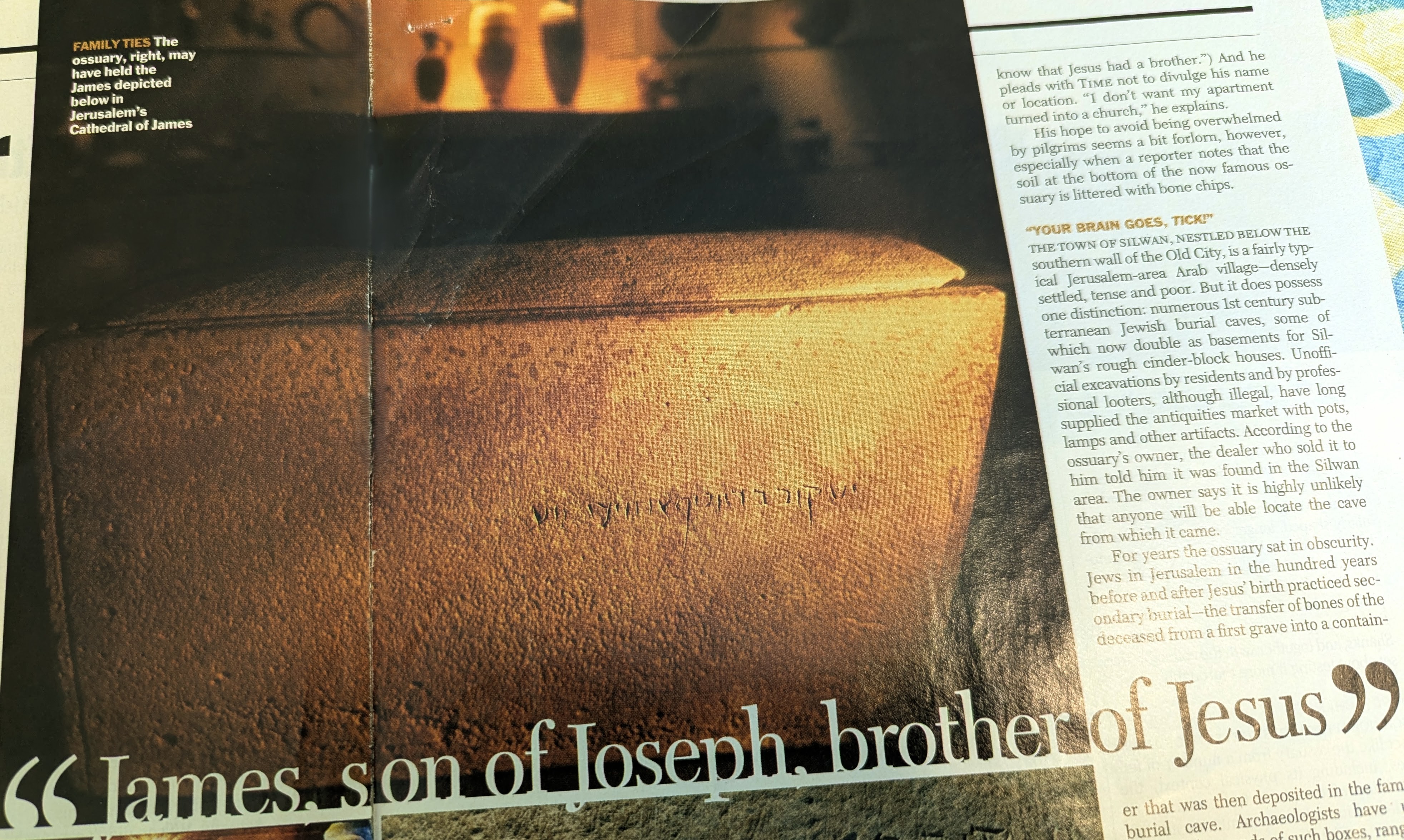
James—the brother of Jesus—who was this man? What evidence do we have that this “brother of our Lord” even existed?

David Kitz digs deep into archeology, family dynamics, church history, and the biblical texts. What emerges from his research is a portrait of a decisive, pivotal leader who embodied the will and character of Jesus Christ.

But how did James—James the unbeliever—transform to become a leader who changed the course of world history? In these pages you will uncover the answer and rediscover for yourself the life-changing power of the gospel.

To view further details or purchase directly from the author click here.

 

What brings success?

16 Monday Mar 2026

Posted by Tim K in Psalm 44, Psalms

≈ 2 Comments

Tags

creativity, God's help, Paul, Psalms, success, talents, the LORD, victory, wisdom

Today’s Devotion from Psalms 365 by David Kitz

Reading: Psalm 44:1-8

Listen to today’s reading by Jonathan Dent:
https://davidkitz.blog/wp-content/uploads/2026/03/ps-441-8-mix5final2.mp3

For the director of music. Of the Sons of Korah. A maskil.
We have heard it with our ears, O God;
our ancestors have told us what you did in their days,
in days long ago.
With your hand you drove out the nations and planted our ancestors;
you crushed the peoples and made our ancestors flourish.
It was not by their sword that they won the land,
nor did their arm bring them victory;
it was your right hand, your arm,
and the light of your face, for you loved them.
You are my King and my God, who decrees victories for Jacob.
 Through you we push back our enemies;
    through your name we trample our foes.
I put no trust in my bow, my sword does not bring me victory;
but you give us victory over our enemies,
    you put our adversaries to shame.
In God we make our boast all day long,
    and we will praise your name forever.
(NIV)*

Reflection
What brings you success? As we look forward to the future, this is a very valid question. There are thousands of books, blogs, and advice columns out there that promise you success. If you will just do this, that and this other thing, success is sure to come your way. Now don’t misunderstand me. Many of those self-improvement tips and success formulas can be helpful, if applied. And educating yourself on sound habits and business practices can be rewarding. But…

But if you succeed, what is the source of your success? The author of Psalm 44 would respond by saying success does not come from a formula, a habit, or a tip. Success and victory come from the LORD. In this psalm the psalmist refers to the conquest of Canaan by the children of Israel. It was not by their sword that they won the land, nor did their arm bring them victory; it was your right hand, your arm, and the light of your face, for you loved them.

If you succeed in your field of endeavor, what will be the reason for your success? Undoubtedly, hard work, sound practices, wisdom and creativity all play a part, but there are plenty of people who have these character traits in spades, but still, they fail to reach their potential. We only succeed—succeed in the fullest sense—when God is working with us. Paul, the apostle, reminds us of this truth, “No, in all these things we are more than conquerors through him who loved us” (Romans 8:37).

We conquer in our field of endeavor when God is working with us. If you succeed, who is the reason for your success?

Response
LORD God, any success I have comes from you. Every triumph is a victory you bring. Help me to always remember you are my source. I succeed because of your love, Lord Jesus. Amen.

Your Turn
What gifts, talents or insights have you gained in the last year? Take a moment to give thanks for God’s help.


Para la publicación de Salmos 365 de hoy en español haga clic aquí.

bgbg_v4.3_1501818
* NEW INTERNATIONAL VERSION, COPYRIGHT ©1973, 1978, 1984, 2011 BY BIBLICA

Pray for peace in Israel, Iran and the Middle East
and continue to pray for peace to return to Ukraine and Russia!

Volume I of Psalms 365: Develop a Life of Worship and Prayer won the Best Book of the Year Award from The Word Guild and Volume II has won the Best Devotional of the Year Award. For those who love God’s word, this three-book series is an ideal way to daily meet with the Lord. To purchase or for a closer look click here.


Ideal for the Season of Lent

A stunning story of Holy Week through the eyes of a Roman centurion.

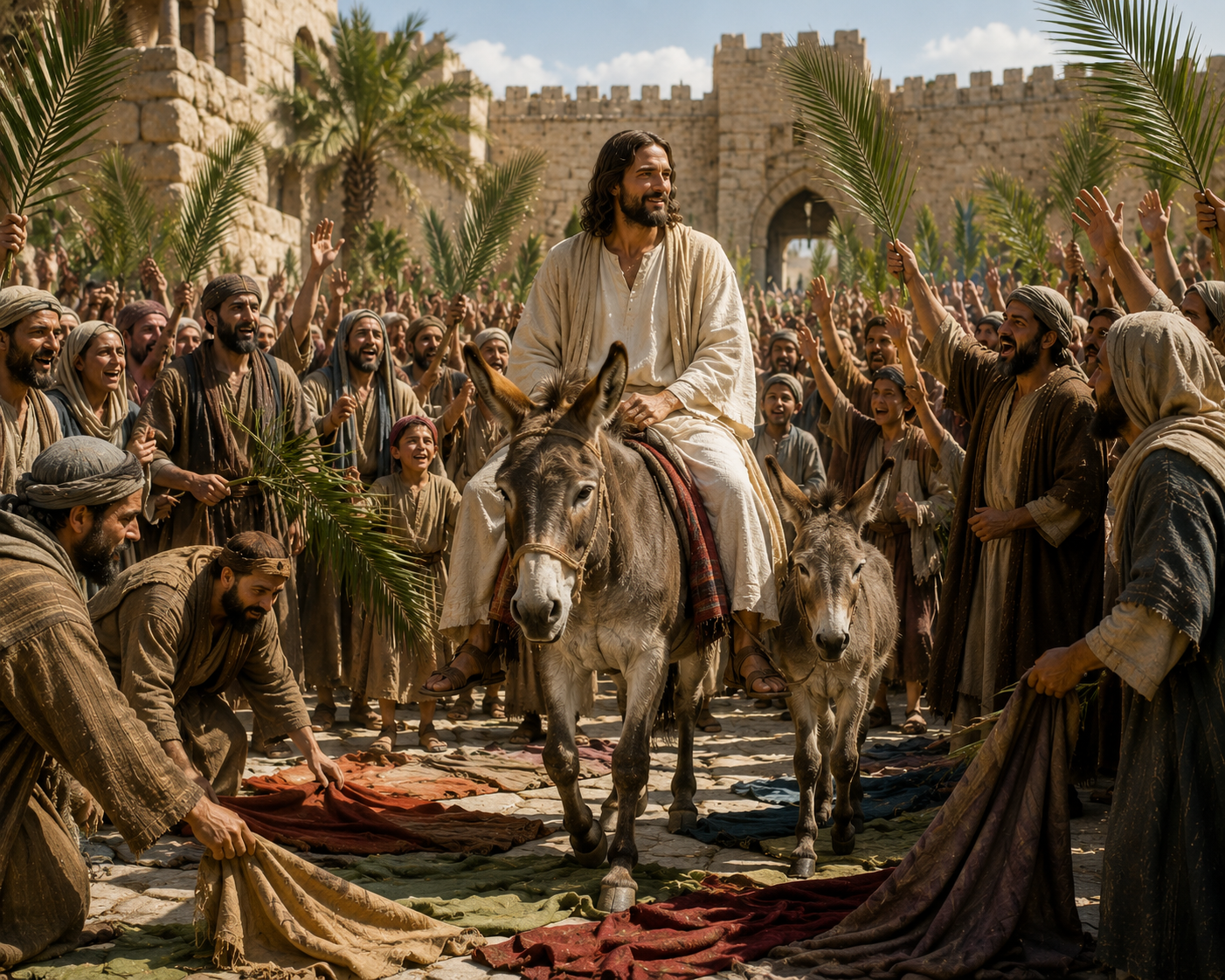
Watch the triumphal entry of the donkey-riding king through the eyes of Marcus Longinus, the centurion charged with keeping the streets from erupting into open rebellion.

Look behind the scenes at the political plotting of King Herod, known as the scheming Fox for his ruthless shrewdness.

Get a front-row seat to the confrontation between the Jewish high priest Caiaphas and the Roman governor Pontius Pilate.

Understand as never before the horror of the decision to save a brutal terrorist in order to condemn the peaceful Jew to death.

If you’ve heard the story of Passion Week so often it’s become stale, now is the time to rediscover the terrible events leading from Jesus’s humble ride into the city to his crucifixion. The Soldier Who Killed a King will stun you afresh with how completely Christ’s resurrection changed history, one life at a time.

To view further details or purchase click here.

Do You Look for a Trouble-Free Life?

04 Wednesday Feb 2026

Posted by Tim K in Psalm 35, Psalms

≈ 2 Comments

Tags

arm, armor of God, David, devil, Paul, Psalms, resurrection, Satan, spiritual warfare, sword of the Spirit, temptation, the LORD, victory, word of God

Today’s Devotion from Psalms 365 by David Kitz

Reading: Psalm 35:7-10

Listen to today’s reading by Jonathan Dent:

https://davidkitz.blog/wp-content/uploads/2026/02/ps-357-10-mixfinal.mp3

Since they hid their net for me without cause
    and without cause dug a pit for me,
may ruin overtake them by surprise—
    may the net they hid entangle them,
    may they fall into the pit, to their ruin.
Then my soul will rejoice in the LORD
    and delight in his salvation.
My whole being will exclaim,
    “Who is like you, LORD?
You rescue the poor from those too strong for them,
    the poor and needy from those who rob them.”
(NIV)*

Lutel early medieval sword (courtesy of “One lucky guy”/Flickr)


Reflection
Paul the apostle reminds us that as believers in the Lord Jesus Christ, we are engaged in spiritual warfare. Put on the full armor of God, so that you can take your stand against the devil’s schemes. For our struggle is not against flesh and blood, but against the rulers, against the authorities, against the powers of this dark world and against the spiritual forces of evil in the heavenly realms. Therefore put on the full armor of God, so that when the day of evil comes, you may be able to stand your ground, and after you have done everything, to stand (Ephesians 6:11-13).

The conflicts that David experienced in the Old Testament, reflected in the words of this portion of Psalm 35, are mirrored in the spiritual warfare experienced by New Testament believers. Make no mistake—the devil and his cohorts have dug a pit to trap you; they spread their nets to ensnare you in sin and degradation. But as was true for David, the LORD has also provided a way of escape for you and me. Once again Paul reminds us of this: No temptation has overtaken you except what is common to mankind. And God is faithful; he will not let you be tempted beyond what you can bear. But when you are tempted, he will also provide a way out so that you can endure it (1 Corinthians 10:13).

The LORD has equipped us with the armor of God and He has provided a way of escape, so then with David we can rejoice in the victory the LORD will bring.

Then my soul will rejoice in the LORD and delight in his salvation. My whole being will exclaim, “Who is like you, LORD? You rescue the poor from those too strong for them, the poor and needy from those who rob them” (v. 9-10).

Satan is a thief and a robber, who robs us of victory, peace, and joy. But like David and Paul we can overcome. Victory is possible because the victory has already been won for us at the cross, and it was confirmed on resurrection morning at the empty tomb. “Thanks be to God, who delivers me through Jesus Christ our Lord!” (Romans 7:25).

Response
Heavenly Father, I thank you that you have provided armor so I can stand against the wiles of the devil. I praise you for the power of your holy word. I have victory through your blood, Lord Jesus. Amen.

Your Turn
In your battle against sin are you using “the sword of the Spirit, which is the word of God?” (Ephesians 6:17)


Para la publicación de Salmos 365 de hoy en español haga clic aquí.

bgbg_v4.3_1501818
* NEW INTERNATIONAL VERSION, COPYRIGHT ©1973, 1978, 1984, 2011 BY BIBLICA

Please pray for peace to return to Israel, Gaza, Russia and Ukraine!

Volume I of Psalms 365: Develop a Life of Worship and Prayer won the Best Book of the Year Award from The Word Guild and Volume II has won the Best Devotional of the Year Award. For those who love God’s word, this three-book series is an ideal way to daily meet with the Lord. To purchase or for a closer look click here.


New from David Kitz

James—the brother of Jesus—who was this man? What evidence do we have that this “brother of our Lord” even existed?

David Kitz digs deep into archeology, family dynamics, church history, and the biblical texts. What emerges from his research is a portrait of a decisive, pivotal leader who embodied the will and character of Jesus Christ.

But how did James—James the unbeliever—transform to become a leader who changed the course of world history? In these pages you will uncover the answer and rediscover for yourself the life-changing power of the gospel.

To view further details or purchase directly from the author click here.
Philosophers Began to Debate with Him

27 Monday Oct 2025

Posted by davidkitz in Psalm 5

≈ Leave a comment

Tags

Athens, foreign gods, hearing God, Heavenly Father, Jesus, Paul, philosophers, Prayer, Psalms, resurrection

Today’s quote and prayer from
“Psalms 365: Develop a Life of Worship and Prayer”

Autumn reflections — photo by David Kitz


Today’s Reading: Psalm 5:1-7

Listen to today’s reading by Jonathan Dent:

https://davidkitz.blog/wp-content/uploads/2025/10/ps-51-7-remix1final1.mp3

Heavenly Father,
I call out to you.
I lay out my requests.
Teach me to wait expectantly for you.
Open my ears to hear your voice.
I want to be tuned into you
throughout my day.
Amen.

— — — —

Autumn Splendor – photo by David Kitz

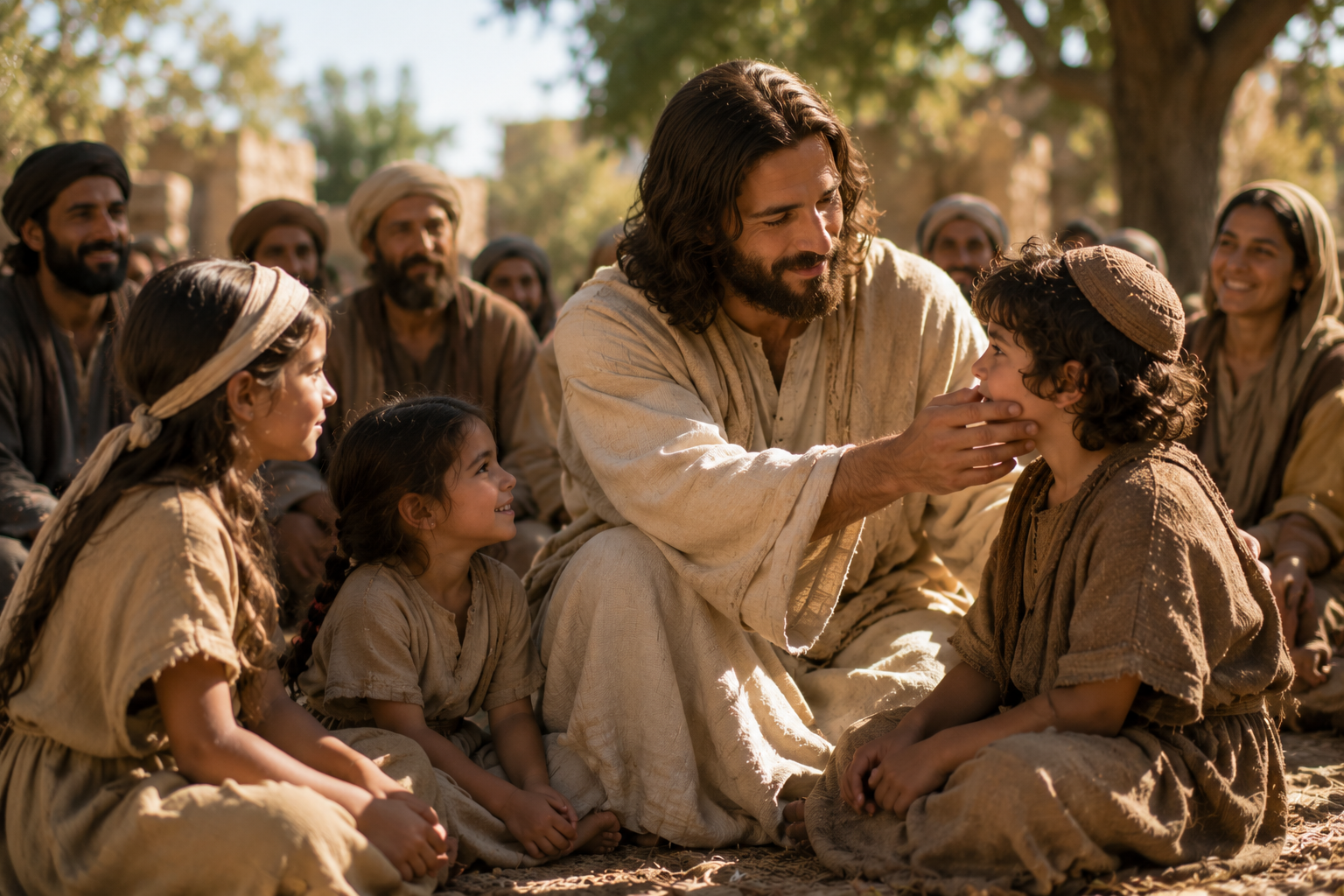
While Paul was waiting for them in Athens,
he was greatly distressed to see
that the city was full of idols.

So he reasoned in the synagogue
with both Jews and God-fearing Greeks,
as well as in the marketplace day by day
with those who happened to be there.

A group of Epicurean and Stoic philosophers
began to debate with him.
Some of them asked,
“What is this babbler trying to say?”
Others remarked,
“He seems to be advocating foreign gods.”
They said this because
Paul was preaching the good news
about Jesus and the resurrection.

(Acts 17:16-18 NIV)*

Para la publicación de Salmos 365 de hoy en español haga clic aquí.

bgbg_v4.3_1501818
* NEW INTERNATIONAL VERSION, COPYRIGHT ©1973, 1978, 1984, 2011 BY BIBLICA

Thank God for peace in Israel and Gaza,
and continue to pray for peace to return to Ukraine and Russia!

Volume I of Psalms 365: Develop a Life of Worship and Prayer won the Best Book of the Year Award from The Word Guild and Volume II has won the Best Devotional of the Year Award. For those who love God’s word, this three-book series is an ideal way to daily meet with the Lord. To purchase or for a closer look click here.
New from David Kitz

James—the brother of Jesus—who was this man? What evidence do we have that this “brother of our Lord” even existed?

David Kitz digs deep into archeology, family dynamics, church history, and the biblical texts. What emerges from his research is a portrait of a decisive, pivotal leader who embodied the will and character of Jesus Christ.

But how did James—James the unbeliever—transform to become a leader who changed the course of world history? In these pages you will uncover the answer and rediscover for yourself the life-changing power of the gospel.

Confirming the Message of His Grace

18 Friday Oct 2024

Posted by davidkitz in Psalm 44, Psalms

≈ 2 Comments

Tags

Barnabas, Bible, faith, grace, Jesus, Paul, Prayer, Psalms, signs and wonders, success, victory

Today’s quote and prayer from
“Psalms 365: Develop a Life of Worship and Prayer”
by David Kitz.
Psalm 44_1-8 -365

Reading: Psalm 44:1-8

LORD God,
any success I have comes from you.
Every triumph is a victory you bring.
Help me to always remember you are my source.
I succeed because of your love,
Lord Jesus. 

Amen.

— — —

So Paul and Barnabas spent considerable time there,
speaking boldly for the Lord,
who confirmed the message of his grace
by enabling them to perform signs and wonders.
(Acts 14:3), NIV)*

Para la publicación de Salmos 365 de hoy en español haga clic aquí.

* NEW INTERNATIONAL VERSION, COPYRIGHT ©1973, 1978, 1984, 2011 BY BIBLICA

Please pray for peace to return to Israel, Gaza, and Ukraine!

Volume I of Psalms 365: Develop a Life of Worship and Prayer won the Best Book of the Year Award from The Word Guild and Volume II has won the Best Devotional of the Year Award. For those who love God’s word, this three-book series is an ideal way to daily meet with the Lord. To purchase or for a closer look click here.

New from David Kitz
Winner of the 2024 Word Award of Merit in Biblical Studies
TheElishaCodeCVR5

To purchase or for a closer look click here.

Standing Our Ground

18 Tuesday Jun 2024

Posted by davidkitz in Psalm 11, Psalms

≈ Leave a comment

Tags

armor of God, arrows, Bible attacked, David, faith, foundation, Jesus, myths, Paul, science, the LORD, victory

Today’s Devotion from Psalms 365

Reading: Psalm 11
For the director of music. Of David.
In the LORD I take refuge.
How then can you say to me:
“Flee like a bird to your mountain.
For look, the wicked bend their bows;
they set their arrows against the strings
to shoot from the shadows at the upright in heart.
When the foundations are being destroyed,
what can the righteous do?”
The L
ORD is in his holy temple; the LORD is on his heavenly throne.
He observes everyone on earth; his eyes examine them.
The L
ORD examines the righteous,
but the wicked, those who love violence,
he hates with a passion.
On the wicked he will rain fiery coals and burning sulfur;
a scorching wind will be their lot.
For the L
ORD is righteous, he loves justice;
the upright will see his face
(NIV). *

a man shooting an arrow while riding a horse

Photo by Tima Miroshnichenko on Pexels.com

Reflection
Do you feel like your faith is under attack? It seems everywhere there are people who are mocking those who have faith in God. Believers are openly ridiculed. We are blamed for every war since time immemorial. We are told science has rock-solid evidence, while God followers rely on concocted myths handed down by unscrupulous manipulators.

The enemy is firing arrows of accusation, doubt, and distrust from the shadows at the upright in heart. The very foundation of our faith, the word of God—the Bible—is being attacked as outdated, unreliable, and historically inaccurate. Along with David we ask, “When the foundations are being destroyed, what can the righteous do?”

The righteous can do what David does in the first line of this psalm. David says, “In the LORD I take refuge.” For David, God was not a mystical concept. God was a rock-solid reality. David had a memory bank full of experiences with the LORD. The LORD was David’s helper, healer, and deliverer. In the tough times of life, God was there—was present in David’s life. The LORD brought victory for David over Goliath and over every enemy that exalted itself above God.

The same can be true for you. Put on the full armor of God, so that you can take your stand against the devil’s schemes (Ephesians 6:11). Remember the LORD is on his heavenly throne. Nothing takes Him by surprise. The LORD is with you, and He is watching your response. We need not be intimidated; we need not flee. We need to stand our ground like David and like Paul the apostle. The LORD is with us.

Response: LORD, you are my refuge. Help me to stand my ground when my faith is under attack and help other believers to do the same by the grace of Jesus. Our faith rests on you, Lord. Amen.

Your Turn: Do you have a memory bank full of experiences with the LORD you can draw on? How does reflecting on those past experiences help you now?

Para la publicación de Salmos 365 de hoy en español haga clic aquí.

* NEW INTERNATIONAL VERSION, COPYRIGHT ©1973, 1978, 1984, 2011 BY BIBLICA

BGBG_v4.3_150[1818]

Please pray for peace to return to Israel, Gaza, and Ukraine!

Volume I of Psalms 365: Develop a Life of Worship and Prayer won the Best Book of the Year Award from The Word Guild and Volume II has won the Best Devotional of the Year Award. For those who love God’s word, this three-book series is an ideal way to daily meet with the Lord. To purchase or for a closer look click here.

B1P95Jv-LtS._SY300_

Salvation Comes from the LORD

10 Friday Dec 2021

Posted by davidkitz in Psalm 37, Psalms

≈ 2 Comments

Tags

God, Paul, Psalms, the LORD

Reading: Psalm 37:35-40
I have seen a wicked and ruthless man
flourishing like a luxuriant native tree,
but he soon passed away and was no more;
though I looked for him, he could not be found.
Consider the blameless, observe the upright;
a future awaits those who seek peace.
But all sinners will be destroyed;
there will be no future for the wicked.
The salvation of the righteous comes from the LORD;
he is their stronghold in time of trouble.
The L
ORD helps them and delivers them;
he delivers them from the wicked and saves them,
because they take refuge in him
(NIV).*

img_20211027_0958107

Photo by David Kitz

Reflection
Today’s reading is the concluding portion of Psalm 37. As noted previously, this entire psalm contrasts the life of the righteous person with the individual who pursues a life of sin and illicit gain. The righteous will receive their reward and the man who does evil will be destroyed.

We all reap what we sow. If we sow seeds of selfishness, hate and discord, we will reap a harvest of ruin. Paul, the apostle, gives us this warning, “Do not be deceived: God cannot be mocked. A man reaps what he sows. Whoever sows to please their flesh, from the flesh will reap destruction; whoever sows to please the Spirit, from the Spirit will reap eternal life” (Galatians 6:7-8).

We can readily conclude that the good man will live because of his goodness. In other words the righteous person will be saved because of his righteous deeds. But that’s not what this psalm teaches. In fact, the idea that one is saved because of one’s righteousness runs contrary to the message of this psalm and the entire counsel of Holy Scripture. The psalmist clearly states, “The salvation of the righteous comes from the LORD.”

We are not saved by our righteousness. We are saved by the LORD. It is because of His great mercy that we are saved. This aligns with New Testament teaching as Paul declares, “For it is by grace you have been saved, through faith—and this is not from yourselves, it is the gift of God— not by works, so that no one can boast” (Ephesians 2:8-9).

Yes, we are called to live righteous lives and to do good works, but let’s not deceive ourselves into thinking that by these means we will earn our way to heaven. Jesus is the way to heaven. Our feeble efforts won’t take us very far. We need His forgiveness and the power of His redeeming blood. We are saved because we take refuge in Him.  

Response: LORD God, I thank you for Jesus. I am thankful I can put my complete trust in you. I am saved by your amazing grace not by my effort. Hallelujah! Lord Jesus, you are the way, the truth and the life (John 14:6). Amen.

Your Turn: Have you relied on your righteousness rather than God’s grace? How can you develop a greater appreciation for God’s grace and acceptance?

* NEW INTERNATIONAL VERSION, COPYRIGHT ©1973, 1978, 1984, 2011 BY BIBLICA

BGBG_v4.3_150[1818]

Volume I of Psalms 365: Develop a Life of Worship and Prayer has won the 2021 Best Book of the Year Award. For a closer look at Volumes II and III click here.

Help in our Daily Battles

28 Monday Jan 2019

Posted by davidkitz in Bible, Devotionals, Psalm 35, Psalms

≈ 3 Comments

Tags

armor of God, David, Paul, salvation, Satan, spiritual warfare, victory

Reading: Psalm 35
(Verses 7-10)
Since they hid their net for me without cause
and without cause dug a pit for me,
may ruin overtake them by surprise—
may the net they hid entangle them,
may they fall into the pit, to their ruin.
Then my soul will rejoice in the L
ORD
and delight in his salvation.
My whole being will exclaim,
“Who is like you, L
ORD?
You rescue the poor from those too strong for them,
the poor and needy from those who rob them”
(NIV).

20190117_l-kranz

Frost covered pines — photo courtesy of Liz Kranz

Reflection
Paul the apostle reminds us that as believers in the Lord Jesus Christ, we are engaged in spiritual warfare. Put on the full armor of God, so that you can take your stand against the devil’s schemes. For our struggle is not against flesh and blood, but against the rulers, against the authorities, against the powers of this dark world and against the spiritual forces of evil in the heavenly realms. Therefore put on the full armor of God, so that when the day of evil comes, you may be able to stand your ground, and after you have done everything, to stand (Ephesians 6:11-13).
The conflicts that David experienced in the Old Testament, reflected in the words of this portion of Psalm 35, are mirrored in the spiritual warfare experienced by New Testament believers. Make no mistake—the devil and his cohorts have dug a pit to trap you; they spread their nets to ensnare you in sin and degradation. But as was true for David, the LORD has also provided a way of escape for you and me. Once again Paul reminds us of this: No temptation has overtaken you except what is common to mankind. And God is faithful; he will not let you be tempted beyond what you can bear. But when you are tempted, he will also provide a way out so that you can endure it (1 Corinthians 10:13).

The LORD has equipped us with the armor of God and He has provided a way of escape, so then with David we can rejoice in the victory the LORD will bring.

Then my soul will rejoice in the LORD and delight in his salvation. My whole being will exclaim, “Who is like you, LORD? You rescue the poor from those too strong for them, the poor and needy from those who rob them.”

Satan is a thief and a robber, who robs us of victory, peace and joy. But like David and Paul we can overcome. Victory is possible because the victory has already been won for us at the cross, and it was confirmed on resurrection morning at the empty tomb. “Thanks be to God, who delivers me through Jesus Christ our Lord!” (Romans 7:25).

Response: Heavenly Father, I thank you that you have provided armor so that I can stand against the wiles of the devil. I praise you for the power of your holy word. I have victory through your blood, Lord Jesus. Amen.

Your Turn: In your battle against sin are you using “the sword of the Spirit, which is the word of God?”

It is Fitting for the Upright to Praise Him.

15 Tuesday Jan 2019

Posted by davidkitz in Bible, Devotionals, Psalm 33, Psalms

≈ 1 Comment

Tags

joy, joyful, Paul, praise, praise the LORD

Reading: Psalm 33
(Verses 1-5)
Sing joyfully to the LORD, you righteous;
it is fitting for the upright to praise him.
Praise the L
ORD with the harp;
make music to him on the ten-stringed lyre.
Sing to him a new song;
play skillfully, and shout for joy.
For the word of the LORD is right and true;
he is faithful in all he does.
The L
ORD loves righteousness and justice;
the earth is full of his unfailing love
(NIV).

Sally Meadows

All His works will sing His praise, Bohemian waxwing — photo courtesy of Sally Meadows

Reflection
It’s a good to wake up with a song of praise to the LORD on your lips. How do I know that’s true? I listen to birds. Their joyous songs are new every morning. If they have cause to sing praise to the LORD, surely I do as well.

Jesus said, “Are not two sparrows sold for a penny? Yet not one of them will fall to the ground outside your Father’s care. And even the very hairs of your head are all numbered. So don’t be afraid; you are worth more than many sparrows” (Matthew 10:29:31).

If a sparrow has grounds for praising the LORD each and every day, surely we have more. His constant care sustains us moment by moment. If the Father keeps count of my hair, He must be concerned about even the tiny details of my life. His loving mercy is new every morning; therefore, it is fitting for the upright to praise him.

Here in Psalm 33 we are instructed to: Praise the LORD with the harp; make music to him on the ten-stringed lyre. 

Forgive me, LORD. I’m an instrumental disaster. Playing skillfully is nigh unto impossible. But with my voice I will praise you. I can’t compete with robins and cardinals, but I will sing my praise. For the word of the LORD is right and true; he is faithful in all he does.

The steadfast love of the LORD is unchanging. My praise for Him should be just as steadfast—unaffected by my current circumstances. I have heard the birds break into song at sunrise even on a gray rainy morning. At the very least my praise for God should be as constant. Paul and Silas sang praises to God after being severely flogged and imprisoned in Philippi. See Acts chapter 16. Their worship was unaffected by their circumstances. They were obedient to the LORD’s command: Sing joyfully to the LORD, you righteous; it is fitting for the upright to praise him.

Response: Thank you, LORD God, for each day you set before me. Give me a heart of praise for you. You sustain me. Today give me a new song to praise you, O LORD. It’s always good, right and fitting to sing my praise to you. Amen.

Your Turn: Do you love to praise God? Does it lift your spirit when you do? Are there times when the Lord given you a new song to sing?

Are you a ‘god’?

06 Tuesday Feb 2018

Posted by davidkitz in Bible, Devotionals, Psalm 82, Psalms

≈ 9 Comments

Tags

gods, humility, inheritance, judgment, nations, oppressed, Paul, pedestal, serve, the LORD, the Most High, the needy

Reading:                                       Psalm 82

A song. A psalm of Asaph.
God presides in the great assembly;
he renders judgment among the “gods”:
“How long will you defend the unjust
and show partiality to the wicked?
Defend the weak and the fatherless;
uphold the cause of the poor and the oppressed.
Rescue the weak and the needy;
deliver them from the hand of the wicked.
“The ‘gods’ know nothing, they understand nothing.
They walk about in darkness;
all the foundations of the earth are shaken.
“I said, ‘You are “gods”;
you are all sons of the Most High.’
But you will die like mere mortals;
you will fall like every other ruler.”
Rise up, O God, judge the earth,
for all the nations are your inheritance
(NIV).

Reflection
How high is the pedestal you are standing on? Are you standing taller than the fellow beside you?

2018-02-03

Light of the World, shine through me — photo by David Kitz

Most of us would answer that we are not standing on a pedestal, but is that the truth. If we are honest with ourselves, I think we all can admit that we have looked down on others at times. We have considered ourselves superior to most of our peers.

Here in Psalm 82, God sets us on a pedestal. He calls us gods. This is a rather backhanded compliment, because after calling us gods, the Most High calls us to account. And what must we account for? We need to account for how we treat the weak and the poor among us. Here are the actions the LORD expects from us: Defend the weak and the fatherless; uphold the cause of the poor and the oppressed. 

Are we doing these things? Far too often I spend my time jacking up my pedestal—trying to get a bit of elevation over the fellow beside me. I’m too busy to help someone else who has fallen off their pedestal or the poor clod who can’t find one to stand on. You have to pity these folks—the ones who don’t have a pedestal. How can they hold their head up if they’re superior to no one?

Paul, the apostle, writes, “We do not dare to classify or compare ourselves with some who commend themselves. When they measure themselves by themselves and compare themselves with themselves, they are not wise” (2 Corinthians 10:12).

God will have the final say with mortals like me. This “god” needs to learn to serve in humility.

Response: LORD, you are the Most High. Help me to stop comparing myself with others. All I have comes from you. Today I want to get off my pedestal and help someone else. Show me how, Lord. Amen.

Your Turn: Do you compare yourself with others? Are you polishing your pedestal?

← Older posts

Psalms 365: Develop a Life of Worship & Prayer

Psalms 365 Volume II

Psalms 365 vol 3
— Psalms 365 Volume III

Now available:

Psalms

Recent posts

  • Awake, O My Soul! April 22, 2026
  • Like Flowers of the Field April 21, 2026
  • Eternally Safe in the Shelter of His Wings April 21, 2026
  • Like Flowers of the Field April 20, 2026
  • Praise the Life-Giving Word April 20, 2026
  • Resurrection Visitation—When and Why April 19, 2026
  • Molly Jaber’s Review April 18, 2026

Calendar

April 2026
M T W T F S S
 12345
6789101112
13141516171819
20212223242526
27282930  
« Mar    

Blog Posts

Comments

  • davidkitz on Like Flowers of the Field
  • Like Flowers of the Field | Talmidimblogging on Like Flowers of the Field
  • Eternally Safe in the Shelter of His Wings | Talmidimblogging on Eternally Safe in the Shelter of His Wings

Blog at WordPress.com.

Privacy & Cookies: This site uses cookies. By continuing to use this website, you agree to their use.
To find out more, including how to control cookies, see here: Cookie Policy
  • Subscribe Subscribed
    • I love the Psalms
    • Join 1,344 other subscribers
    • Already have a WordPress.com account? Log in now.
    • I love the Psalms
    • Subscribe Subscribed
    • Sign up
    • Log in
    • Report this content
    • View site in Reader
    • Manage subscriptions
    • Collapse this bar
 

Loading Comments...