• Home
  • About
  • DavidKitz.ca
  • Youtube Videos
  • Books by David
  • Books on Amazon.com

I love the Psalms

~ Connecting daily with God through the Psalms

I love the Psalms

Tag Archives: incarnation

Christ’s Suffering and Ours

15 Monday Dec 2025

Posted by Tim K in Psalm 22, Psalms

≈ Leave a comment

Tags

cross, crucifixion, incarnation, Jesus, praise, prophecy, Psalms, redemption, resurrection, risen, suffering of Christ, victory

Today’s Devotion from Psalms 365 by David Kitz

Reading: Psalm 22:22-26

Listen to today’s reading by Jonathan Dent:

https://davidkitz.blog/wp-content/uploads/2025/12/ps-2222-26-mix-final.mp3

I will declare your name to my people;
    in the assembly I will praise you.
You who fear the LORD, praise him!
    All you descendants of Jacob, honor him!
    Revere him, all you descendants of Israel!
For he has not despised or scorned
    the suffering of the afflicted one;
he has not hidden his face from him
    but has listened to his cry for help.
From you comes the theme of my praise in the great assembly;
    before those who fear you I will fulfill my vows.
 The poor will eat and be satisfied;
    those who seek the LORD will praise him—
    may your hearts live forever!
(NIV)*

Photo by L. Foster

Reflection
In this ongoing discussion of Psalm 22 we hit a critical turning point with yesterday’s scripture reading. The humiliated, pierced, and tortured Christ prays, “But you, LORD, do not be far from me. You are my strength; come quickly to help me. Deliver me from the sword, my precious life from the power of the dogs. Rescue me from the mouth of the lions; save me from the horns of the wild oxen” (Psalm 22:19-21).

God the Father answered the prayer of his suffering Son, not immediately, but three days later Jesus arose from the dead. Now he reigns triumphant over death, hell, and the grave. The opening words recorded here are the resurrected Christ’s song of triumph: I will declare your name to my people; in the assembly I will praise you. You who fear the LORD, praise him! All you descendants of Jacob, honor him! Revere him, all you descendants of Israel! (v. 22-23)

And why should we praise the LORD? Here is the answer: For he has not despised or scorned the suffering of the afflicted one; he has not hidden his face from him but has listened to his cry for help (v. 24).

 In the context of this psalm, Christ is the afflict one. The prophet Isaiah declares, “He was pierced for our transgressions, he was crushed for our iniquities; the punishment that brought us peace was on him, and by his wounds we are healed” (Isaiah 53:5).

Yes, praise Him! We have a Savior who can fully identify with every aspect of our humanity because he was fully human. He suffered just as we suffer, and in his body, he experienced severe loss, pain, and death. God incarnate knows all about the human condition because He lived as a human. But in all this Jesus is the victor. May your hearts live forever because of Jesus Christ who conquered death and lives now and forever.

Response:
Father, thank you for victory over death, hell and the grave through your Son Jesus. By faith his victory becomes my victory. Hallelujah! I praise you my Lord and Savior. Amen.

Your Turn:
How does the knowledge of Christ’s suffering help you in times of personal pain or loss?


Para la publicación de Salmos 365 de hoy en español haga clic aquí.

bgbg_v4.3_1501818
* NEW INTERNATIONAL VERSION, COPYRIGHT ©1973, 1978, 1984, 2011 BY BIBLICA

Please pray for peace to return to Israel, Gaza, Russia and Ukraine!

Volume I of Psalms 365: Develop a Life of Worship and Prayer won the Best Book of the Year Award from The Word Guild and Volume II has won the Best Devotional of the Year Award. For those who love God’s word, this three-book series is an ideal way to daily meet with the Lord. To purchase or for a closer look click here.

Volume I of Psalms 365: Develop a Life of Worship and Prayer won the Best Book of the Year Award from The Word Guild and Volume II has won the Best Devotional of the Year Award. For those who love God’s word, this three-book series is an ideal way to daily meet with the Lord. To purchase or for a closer look click here.


New from David Kitz

James—the brother of Jesus—who was this man? What evidence do we have that this “brother of our Lord” even existed?

David Kitz digs deep into archeology, family dynamics, church history, and the biblical texts. What emerges from his research is a portrait of a decisive, pivotal leader who embodied the will and character of Jesus Christ.

But how did James—James the unbeliever—transform to become a leader who changed the course of world history? In these pages you will uncover the answer and rediscover for yourself the life-changing power of the gospel.

To view further details or purchase directly from the author click here.

In This Mess Where is God?

17 Friday May 2024

Posted by davidkitz in Psalm 147, Psalms

≈ Leave a comment

Tags

faith in God, God's word, Holy Spirit, incarnation, Jesus, miracle, Prayer, Psalms, revelation, word of God

Today’s Devotion from the Psalms

Reading: Psalm 147:19-20
He has revealed his word to Jacob,
his laws and decrees to Israel.
He has done this for no other nation;
they do not know his laws.
Praise the LORD (NIV). *

img_20220718_2107094

Sunset on a prairie road — photo by David Kitz

Reflection
Have you ever asked yourself this question: Where is God?

It’s a valid question. But when we ask that question, it may indicate a lack of faith or at least a level of doubt. When disaster strikes it’s not unusual to wonder, where is God in all this?

There are several theologically correct answers to that question. One could reply that God is in heaven, where He always has been. Or we could say God is everywhere because the Bible teaches that the LORD is omnipresent. See Psalm 139:7-10. Still others may say that the Lord is in their heart. St. Paul reminds us of this truth with this admonition: Do you not know that your bodies are temples of the Holy Spirit, who is in you, whom you have received from God? You are not your own; you were bought at a price. Therefore honor God with your bodies (1 Corinthians 6:19-20).

The simple truth is God needs to reveal Himself to us. The most obvious way that God does this is through His written word. Today’s reading from Psalm 147 speaks of the importance of that revelation. He has revealed his word to Jacob, his laws and decrees to Israel. He has done this for no other nation; they do not know his laws.

But the written word of God can be nothing but dead words on a page to us unless those words are activated—made alive by the Spirit of God. We need the intervention of God—a revelation from God. When that happens, the written words dance off the page and into our hearts. The writer of Hebrews expresses it this way. For the word of God is alive and active. Sharper than any double-edged sword, it penetrates even to dividing soul and spirit, joints and marrow; it judges the thoughts and attitudes of the heart (Hebrews 4:12).

Just as God revealed His word to Jacob, we need God to speak to us today. He does that through His written word, but He also does that through the direct prompting of the Holy Spirit. God still speaks to people today. Are your ears open to hear His voice?

The greatest revelation of God came through the person of Jesus Christ. He is the word incarnate—the logos of God who came to dwell among us. At Christmas we celebrate the miracle of Jesus’ birth—God revealed in human flesh, but that miracle has relevance for us every day of the year.

Where is God? He is in the person of Jesus. Jesus, come and dwell in my heart.

Response: LORD God, I need a greater revelation of you. When you show yourself to me, I am changed. Come, Lord Jesus. Invigorate my life. Help me to know you better. Speak deeply to my heart.  Amen.

Your Turn: How does God speak to your heart? Does He reveal Himself to you in a variety of ways?

Para la publicación de Salmos 365 de hoy en español haga clic aquí.

* NEW INTERNATIONAL VERSION, COPYRIGHT ©1973, 1978, 1984, 2011 BY BIBLICA

BGBG_v4.3_150[1818]

Please pray for peace to return to Israel, Gaza, and Ukraine!

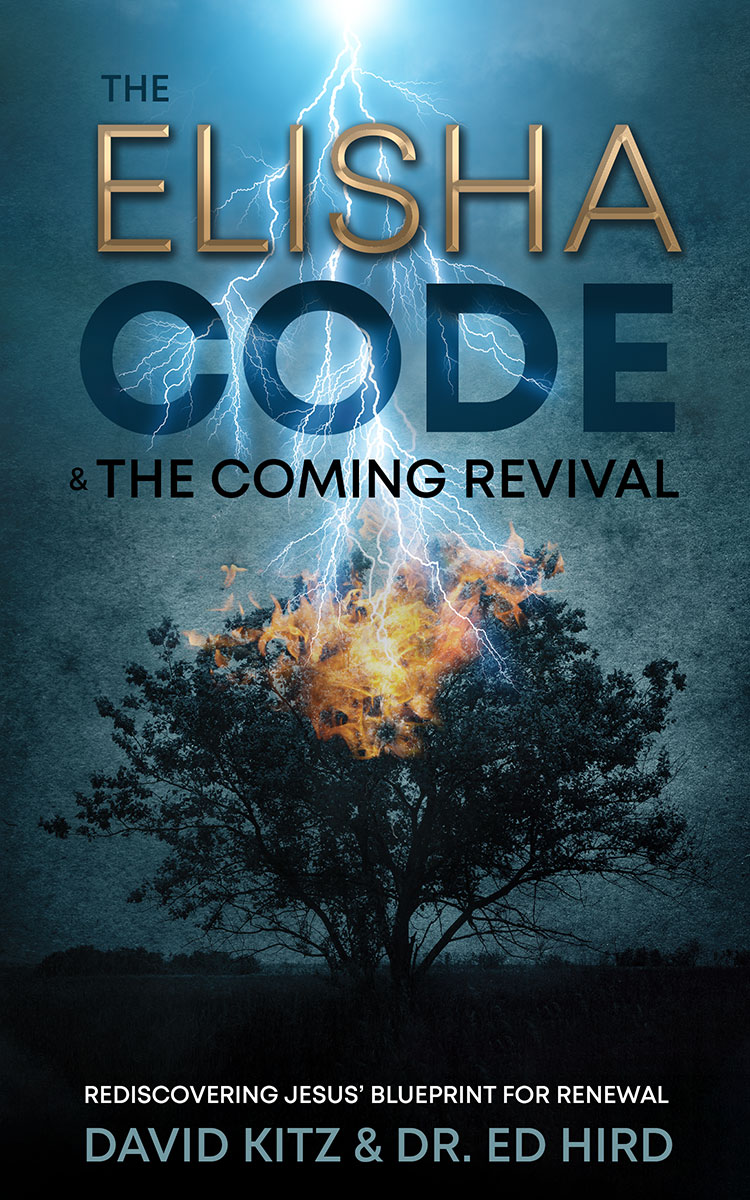
Volume I of Psalms 365: Develop a Life of Worship and Prayer won the Best Book of the Year Award from The Word Guild and Volume II has won the Best Devotional of the Year Award. For those who love God’s word, this three-book series is an ideal way to daily meet with the Lord. To purchase or for a closer look click here.TheElishaCodeCVR5

To purchase or for a closer look click here.

Whose Are You?

22 Friday Mar 2024

Posted by davidkitz in Psalm 134

≈ 2 Comments

Tags

gifts from God, House of God, identity, incarnation, Jerusalem, Jesus, Passover, pilgrims, praise the LORD, Psalms, the LORD

Today’s Devotion from the Psalms

Reading: Psalm 134
A song of ascents.
Praise the LORD, all you servants of the LORD
who minister by night in the house of the L
ORD.
Lift up your hands in the sanctuary
and praise the L
ORD.
May the LORD bless you from Zion,
he who is the Maker of heaven and earth
(NIV). *
Psalm 119_172

Reflection
This is the fifteenth and final psalm in the Songs of Ascent series. This psalm is the pilgrims’ farewell offering of worship to the LORD.  After a week or more in Jerusalem, the time has arrived for the pilgrims to return to their homes. But on the evening before they set out on the return journey, they make one last visit to Mount Zion and the great Temple of the LORD. There they lift their hands in praise to the God of Israel. Early next morning, they will begin the arduous journey back home. But for now, it’s time to bless the LORD and offer thanks.

It is likely that the twelve-year-old Jesus sang this psalm with his parents on the final evening of their Passover pilgrimage to Jerusalem. On the following day the family departed for Nazareth where Joseph would resume his trade as a carpenter. When they left the next morning, they assumed Jesus was traveling with them in the large company of other pilgrims from their hometown. See Luke 2:41-52.

Typically, we read this account of the lost twelve-year-old Jesus from the viewpoint of a parent. We identify with the stress of losing a child in a big city. We would title this story, “Mary and Joseph find lost Jesus.” But the story reads quite differently, when we view it from the perspective of a child trying to discover who he really is. Viewed from Jesus’ perspective the title of the story might well be, “Lost Boy finds Himself” or “Lost Boy Discovers His Divinity.”

How did Jesus discover he was the son of God? Some believers might well reason that the answer is obvious. Jesus is God; therefore, he is omniscient. The all-knowing Jesus would surely know that he was God’s son. But many theologians would beg to differ. They view the humanity of Christ as all pervasive. Jesus was 100% human and as such he needed to learn and discover his identity even as any child does.

If through the incarnation Jesus fully took on humanity, then the boy Jesus needed to discover his divine identity. It may have been written into every fiber of his being, but he still needed to discover it, just as any young musical prodigy needs to explore and discover his or her gift. All divine gifts must be discovered and developed to reach their maximum potential.

How do we discover our true identity? From the account in Luke, the boy Jesus apparently discovered his true identity in the House of God. Perhaps it began as he lifted his hands in worship. We cannot fully discover who we are until we discover who God is. We must know our Creator to know ourselves. Self-understanding begins with knowing whose we are. You and I belong to the Father.

Response: Father God, I thank you for loving me and inviting me into your family. Lord Jesus, thank you for purchasing my redemption. Holy Spirit, I thank you for the confirmation that I am your child. Amen.

Your Turn: Do you know whose you are? How is God the Father shaping your identity?

* NEW INTERNATIONAL VERSION, COPYRIGHT ©1973, 1978, 1984, 2011 BY BIBLICA

BGBG_v4.3_150[1818]

Please pray for peace to return to Israel, Gaza, and Ukraine!

Volume I of Psalms 365: Develop a Life of Worship and Prayer won the Best Book of the Year Award from The Word Guild and Volume II has won the Best Devotional of the Year Award. For those who love God’s word, this three-book series is an ideal way to daily meet with the Lord. To purchase or for a closer look click here.

4485 SHARABLE-2

Lent is here. Easter is approaching.
Are you ready for a journey to the cross?
For a closer look or to purchase click here.

Do You Know Whose You Are?

31 Monday Oct 2022

Posted by davidkitz in Psalm 134, Psalms

≈ 2 Comments

Tags

gift, identity, incarnation, Jesus, self-discovery

Reading: Psalm 134
A song of ascents.
Praise the LORD, all you servants of the LORD
who minister by night in the house of the L
ORD.
Lift up your hands in the sanctuary
and praise the L
ORD.
May the LORD bless you from Zion,
he who is the Maker of heaven and earth
(NIV). *

father and child walking on shore

Photo by Tatiana Syrikova on Pexels.com

Reflection
This is the fifteenth and final psalm in the Songs of Ascent series. This psalm is the pilgrims’ farewell offering of worship to the LORD.  After a week or more in Jerusalem, the time has arrived for the pilgrims to return to their homes. But on the evening before they set out on the return journey, they make one last visit to Mount Zion and the great Temple of the LORD. There they lift their hands in praise to the God of Israel. Early next morning, they will begin the arduous journey back home. But for now, it’s time to bless the LORD and offer thanks.

It is likely that the twelve-year-old Jesus sang this psalm with his parents on the final evening of their Passover pilgrimage to Jerusalem. On the following day the family departed for Nazareth where Joseph would resume his trade as a carpenter. When they left the next morning, they assumed Jesus was traveling with them in the large company of other pilgrims from their hometown. See Luke 2:41-52.

Typically, we read this account of the lost twelve-year-old Jesus from the viewpoint of a parent. We identify with the stress of losing a child in a big city. We would title this story, “Mary and Joseph find lost Jesus.” But the story reads quite differently, when we view it from the perspective of a child trying to discover who he really is. Viewed from Jesus’ perspective the title of the story might well be, “Lost Boy finds Himself” or “Lost Boy Discovers His Divinity.”

How did Jesus discover he was the son of God? Some believers might well reason that the answer is obvious. Jesus is God; therefore, he is omniscient. The all-knowing Jesus would surely know that he was God’s son. But many theologians would beg to differ. They view the humanity of Christ as all pervasive. Jesus was 100% human and as such he needed to learn and discover his identity even as any child does.

If through the incarnation Jesus fully took on humanity, then the boy Jesus needed to discover his divine identity. It may have been written into every fiber of his being, but he still needed to discover it, just as any young musical prodigy needs to explore and discover his or her gift. All divine gifts must be discovered and developed to reach their maximum potential.

How do we discover our true identity? From the account in Luke, the boy Jesus apparently discovered his true identity in the House of God. Perhaps it began as he lifted his hands in worship. We cannot fully discover who we are until we discover who God is. We must know our Creator to know ourselves. Self-understanding begins with knowing whose we are. You and I belong to the Father.

Response: Father God, I thank you for loving me and inviting me into your family. Lord Jesus, thank you for purchasing my redemption. Holy Spirit, I thank you for the confirmation that I am your child. Amen.

Your Turn: Do you know who you are? How is God the Father shaping your identity?

* NEW INTERNATIONAL VERSION, COPYRIGHT ©1973, 1978, 1984, 2011 BY BIBLICA

BGBG_v4.3_150[1818]

Please pray for the people of Ukraine!

Volume I of Psalms 365: Develop a Life of Worship and Prayer won the Best Book of the Year Award from The Word Guild, and Volume II has won the Best Devotional of the Year Award. For those who love God’s word, this three-book series is an ideal way to daily meet with the Lord. To purchase or for a closer look click here.

The Son of Mary

18 Friday Dec 2020

Posted by davidkitz in Psalms 365: Develop a Life of Worship and Prayer

≈ Leave a comment

Tags

David Kitz, incarnation, Mary, Psalms 365, Son of God

Today’s quote from “Psalms 365” by David Kitz365 Through the miracle of incarnation

The first volume of Psalms 365: Develop a Life of Worship and Prayer by award-winning author David Kitz is now available. For a closer look at this 265-page daily devotional book visit Amazon and enter David Kitz into the search bar.

God’s Firstborn

18 Friday Dec 2020

Posted by davidkitz in Psalm 89, Psalms

≈ 5 Comments

Tags

David, incarnation, Jesus, Savior

Reading: Psalm 89
(Verses 19-29)
Once you spoke in a vision,
to your faithful people you said:
“I have bestowed strength on a warrior;
I have raised up a young man from among the people.
I have found David my servant; with my sacred oil I have anointed him.
My hand will sustain him; surely my arm will strengthen him.
The enemy will not get the better of him;
the wicked will not oppress him.
I will crush his foes before him and strike down his adversaries.
My faithful love will be with him,
and through my name his horn will be exalted.
I will set his hand over the sea, his right hand over the rivers.
He will call out to me, ‘You are my Father,
my God, the Rock my Savior.’
And I will appoint him to be my firstborn,
the most exalted of the kings of the earth.
I will maintain my love to him forever,
and my covenant with him will never fail.
I will establish his line forever,
his throne as long as the heavens endure
(NIV).*

img_20201208_1747332

December sunset — photo by David Kitz

Reflection
Who is the principal figure in the Old Testament canon? Some would argue for Moses, the liberator of a nation of slaves. Others would go farther back yet to Abraham, the ancestral father of the nation of Israel. Here in Psalm 89, Ethan the Ezrahite and author of this psalm casts his vote in favor of David.

David’s name appears more frequently in the Bible than any name including the name of Jesus. Here in Psalm 89, Ethan draws a direct prophetic link to Jesus, the Son of God. He writes this about David: He will call out to me, ‘You are my Father, my God, the Rock my Savior.’ And I will appoint him to be my firstborn, the most exalted of the kings of the earth.

No other man in the Holy Scriptures can claim to be appointed as God’s firstborn. This is an honor that is reserved for David alone. But David prefigures or foreshadows Jesus, the true Son of God. Jesus was not appointed to the role of God’s son. He was conceived and born into this world as the divine Son of the Most High. Through the miracle of incarnation the son of Mary was also the Son of God and the Savior of the world. And this Mary was of royal lineage. She was a direct descendant of King David.

In Jesus Christ these words find their fulfillment: I will maintain my love to him [David] forever, and my covenant with him will never fail. I will establish his [David’s] line forever, his throne as long as the heavens endure.

Response: LORD God, I am thankful for Jesus. I am thankful that in the dark long ago, you devised a plan to send a Savior to this world. You sent a better son than David. You sent Jesus. Amen.

Your Turn: Are you thankful for God’s Son? Why?

* New International Version, Copyright ©1973, 1978, 1984, 2011 by Biblica

The first volume of Psalms 365: Develop a Life of Worship and Prayer by award-winning author David Kitz is now available. For a closer look at this 265-page daily devotional book visit Amazon and enter David Kitz into the search bar.

Looking into the Eyes of God

17 Wednesday Jun 2020

Posted by davidkitz in Psalm 34, Psalms

≈ 5 Comments

Tags

Ark of the Covenant, brokenhearted, face of God, incarnation, Mercy Seat

Reading: Psalm 34
(Verses 15-18)
The eyes of the LORD are on the righteous,
and his ears are attentive to their cry;
but the face of the L
ORD is against those who do evil,
to blot out their name from the earth.
The righteous cry out, and the LORD hears them;
he delivers them from all their troubles.
The L
ORD is close to the broken-hearted
and saves those who are crushed in spirit
(NIV).*

img_20200527_0815466

The eyes of the LORD — photo by David Kitz

Reflection
In yesterday’s discussion of Psalm 34 I asked the question, “What does God taste like?” Remember David invites us in Psalm 34:8 to “Taste and see that the LORD is good.”

As this psalm continues David again invites us to take a closer look at God. He reminds us that, “The eyes of the LORD are on the righteous, and his ears are attentive to their cry; but the face of the LORD is against those who do evil to blot out their name from the earth.” 

In this passage David depicts the LORD as having eyes, ears and a face. I always have trouble picturing God. This inability does not stem from a lack of imagination. It comes from the knowledge that God is a spirit. How do you picture something that has no physical substance or form?

But picturing God comes with further difficulties. We are specifically forbidden to create an image or likeness of God. The God of the Hebrews sat on the Mercy Seat on the Ark of the Covenant between two cherubim. But there was no image or statue there. To create an image or statue would be blasphemous. For that reason I find Michelangelo’s painting on the ceiling of the Sistine Chapel offensive. I am not offended by the depiction of a naked Adam. I’m offended by the portrayal of an old grey-haired man as God. How dare he create an image of God? I am similarly troubled by any artistic rendering of God the Father. God is so far beyond human that to render Him as having a human form demeans His Majesty.

But that’s what makes the incarnation so spectacular. This God of no fixed form took on material reality. In the person of Jesus, He became a man with eyes, ears and a human face. The God who sees all and hears all limited himself to a human body. The Creator took on the form and limitations of a creature—limitations that encompass betrayal, pain and death. In the body of Jesus, the Creator God, who sees and hears, experienced our reality—our humanity.

The psalmist, David declares, “The righteous cry out, and the LORD hears them; he delivers them from all their troubles. The LORD is close to the broken-hearted and saves those who are crushed in spirit.”

The LORD is close to the broken-hearted because in the form of Christ his heart was broken. He experienced the pain that touches you and me. His eyes are on you. He is listening when you cry out.

Response: Hear my prayer, Lord. I seek your face. Be my healer, my redeemer and deliverer. In Jesus’ name, who defeated death, I pray. Amen.

Your Turn: Do you have a picture of God? How does God look to you?

* New International Version, Copyright ©1973, 1978, 1984, 2011 by Biblica

This post by award-winning author David Kitz will be published in book format later in 2020 by Elk Lake Publishing under the title 365 Days through the Psalms.

Seeing God–What Does He Look Like?

23 Wednesday Jan 2019

Posted by davidkitz in Psalm 34, Psalms

≈ 1 Comment

Tags

Ark of the Covenant, Creator, incarnation, Jesus, Sistine Chapel

Reading: Psalm 34
(Verses 15-18)
The eyes of the LORD are on the righteous,
and his ears are attentive to their cry;
but the face of the L
ORD is against those who do evil,
to blot out their name from the earth.
The righteous cry out, and the LORD hears them;
he delivers them from all their troubles.
The L
ORD is close to the broken-hearted
and saves those who are crushed in spirit
(NIV).

IMG_20180730_1031333

Bumble bee visits rose blossom — photo by David Kitz

Reflection
In yesterday’s discussion of Psalm 34 I asked the question, “What does God taste like?” Remember David invites us in Psalm 34:8 to “Taste and see that the LORD is good.”

As this psalm continues David again invites us to take a closer look at God. He reminds us that, “The eyes of the LORD are on the righteous, and his ears are attentive to their cry; but the face of the LORD is against those who do evil to blot out their name from the earth.” 

In this passage David depicts the LORD as having eyes, ears and a face. I always have trouble picturing God. This inability does not stem from a lack of imagination. It comes from the knowledge that God is a spirit. How do you picture something that has no physical substance or form?

But picturing God comes with further difficulties. We are specifically forbidden to create an image or likeness of God. The God of the Hebrews sat on the Mercy Seat on the Ark of the Covenant between two cherubim. But there was no image or statue there. To create an image or statue would be blasphemous. For that reason I find Michelangelo’s painting on the ceiling of the Sistine Chapel offensive. I am not offended by the depiction of a naked Adam. I’m offended by the portrayal of an old grey-haired man as God. How dare he create an image of God? I am similarly troubled by any artistic rendering of God the Father. God is so far beyond human that to render Him as having a human form demeans His Majesty.

But that’s what makes the incarnation so spectacular. This God of no fixed form took on material reality. In the person of Jesus, He became a man with eyes, ears and a human face. The God who sees all and hears all limited himself to a human body. The Creator took on the form and limitations of a creature—limitations that encompass betrayal, pain and death. In the body of Jesus, the Creator God, who sees and hears, experienced our reality—our humanity.

The psalmist, David declares, “The righteous cry out, and the LORD hears them; he delivers them from all their troubles. The LORD is close to the broken-hearted and saves those who are crushed in spirit.”

The LORD is close to the broken-hearted because in the form of Christ his heart was broken. He experienced the pain that touches you and me. His eyes are on you. He is listening when you cry out.

Response: Hear my prayer, Lord. I seek your face. Be my healer, my redeemer and deliverer. In Jesus’ name, who defeated death, I pray. Amen.

Your Turn: Do you have a picture of God? How does God look to you?

The Word Revealed

03 Wednesday Oct 2018

Posted by davidkitz in Bible, Devotionals, God's word, Psalm 147, Psalms

≈ 1 Comment

Tags

God revealed, incarnation, Jesus Christ, omnipresent, revelation, word of God

Reading: Psalm 147
(Verses 19-20)
He has revealed his word to Jacob,
his laws and decrees to Israel.
He has done this for no other nation;
they do not know his laws.
Praise the LORD (NIV).

20180907_070717 L Kranz

Through the mist God’s purpose revealed — photo courtesy of Liz Kranz

Reflection
Have you ever asked yourself this question: Where is God?

It’s a valid question. But when we ask that question, it may indicate a lack of faith or at least a level of doubt. When disaster strikes it’s not unusual to wonder, where is God in all this?

There are several theologically correct answers to that question. One could reply that God is in heaven, where He always has been. Or we could say God is everywhere because the Bible teaches that the LORD is omnipresent. See Psalm 139:7-10. Still others may say that the Lord is in their heart. St. Paul reminds us of this truth with this admonition: Do you not know that your bodies are temples of the Holy Spirit, who is in you, whom you have received from God? You are not your own; you were bought at a price. Therefore honor God with your bodies (1 Corinthians 6:19-20).

The simple truth is God needs to reveal Himself to us. The most obvious way that God does this is through His written word. Today’s reading from Psalm 147 speaks of the importance of that revelation. He has revealed his word to Jacob, his laws and decrees to Israel. He has done this for no other nation; they do not know his laws.

But the written word of God can be nothing but dead words on a page to us unless those words are activated—made alive by the Spirit of God. We need the intervention of God—a revelation from God. When that happens, the written words dance off the page and into our hearts. The writer of Hebrews expresses it this way. For the word of God is alive and active. Sharper than any double-edged sword, it penetrates even to dividing soul and spirit, joints and marrow; it judges the thoughts and attitudes of the heart (Hebrews 4:12).

Just as God revealed His word to Jacob, we need God to speak to us today. He does that through His written word, but He also does that through the direct prompting of the Holy Spirit. God still speaks to people today. Are your ears open to hear His voice?

The greatest revelation of God came through the person of Jesus Christ. He is the word incarnate—the logos of God who came to dwell among us. At Christmas we celebrate the miracle of Jesus’ birth—God revealed in human flesh.

Where is God? He is in the person of Jesus. Jesus, come and dwell in my heart.

Response: LORD God, I need a greater revelation of you. When you show yourself to me, I am changed. Come, Lord Jesus. Invigorate my life. Help me to know you better. Speak deeply to my heart.  Amen.

Your Turn: How does God speak to your heart? Does He reveal Himself to you in a variety of ways?

The Revealed Word

11 Thursday May 2017

Posted by davidkitz in Psalm 147, Psalms

≈ 7 Comments

Tags

divine, divine revelation, God's word, incarnate, incarnation, Jesus Christ, logos, omnipresent, revelation, word of God, written word

Reading:                                          Psalm 147

(Verses 19-20)
He has revealed his word to Jacob,
his laws and decrees to Israel.
He has done this for no other nation;
they do not know his laws.
Praise the LORD (NIV).

Reflection

Have you ever asked yourself this question: Where is God?

IMG_20170504_170125_hdr

Shine your light on me, Lord — photo by David Kitz

It’s a valid question. But when we ask that question, it may indicate a lack of faith or at least a level of doubt. When disaster strikes it’s not unusual to wonder, where is God in all this?

There are several theologically correct answers to that question. One could reply that God is in heaven, where He always has been. Or we could say God is everywhere because the Bible teaches that the LORD is omnipresent. See Psalm 139:7-10. Still others may say that the Lord is in their heart. St. Paul reminds us of this truth with this admonition: Do you not know that your bodies are temples of the Holy Spirit, who is in you, whom you have received from God? You are not your own; you were bought at a price. Therefore honor God with your bodies (1 Corinthians 6:19-20).

The simple truth is God needs to reveal Himself to us. The most obvious way that God does this is through His written word. Today’s reading from Psalm 147 speaks of the importance of that revelation. He has revealed his word to Jacob, his laws and decrees to Israel. He has done this for no other nation; they do not know his laws.

But the written word of God can be nothing but dead words on a page to us unless those words are activated—made alive by the Spirit of God. We need the intervention of God—a revelation from God. When that happens, the written words dance off the page and into our hearts. The writer of Hebrews expresses it this way. For the word of God is alive and active. Sharper than any double-edged sword, it penetrates even to dividing soul and spirit, joints and marrow; it judges the thoughts and attitudes of the heart (Hebrews 4:12).

Just as God revealed His word to Jacob, we need God to speak to us today. He does that through His written word, but He also does that through the direct prompting of the Holy Spirit. God still speaks to people today. Are your ears open to hear His voice?

The greatest revelation of God came through the person of Jesus Christ. He is the word incarnate—the logos of God who came to dwell among us. At Christmas we celebrate the miracle of Jesus’ birth—God revealed in human flesh.

Where is God? He is in the person of Jesus. Jesus, come and dwell in my heart.

Response: LORD God, I need a greater revelation of you. When you show yourself to me, I am changed. Come, Lord Jesus. Invigorate my life. Help me to know you better. Speak deeply to my heart.  Amen.

Your Turn: How does God speak to your heart? Does He reveal Himself to you in a variety of ways?

← Older posts

Psalms 365: Develop a Life of Worship and Prayer

Psalms 365 Volume II

Psalms 365 vol 3
— Psalms 365 Volume III

Psalms

Recent posts

  • Ready for the King of Glory December 19, 2025
  • My Spirit Rejoices in God My Savior December 18, 2025
  • Joining the Generation That Seeks God December 18, 2025
  • Why Am I So Favored December 17, 2025
  • How Can You Find the Good Life? December 17, 2025
  • The Power of the Most High December 16, 2025
  •  The Earth Turns to the LORD December 16, 2025

Calendar

December 2025
M T W T F S S
1234567
891011121314
15161718192021
22232425262728
293031  
« Nov    

Blog Posts

Comments

  • davidkitz on Joining the Generation That Seeks God
  • cjsmissionaryminister on God Sent His Son
  • cjsmissionaryminister on The God of the Broken

Blog at WordPress.com.

Privacy & Cookies: This site uses cookies. By continuing to use this website, you agree to their use.
To find out more, including how to control cookies, see here: Cookie Policy
  • Subscribe Subscribed
    • I love the Psalms
    • Join 1,378 other subscribers
    • Already have a WordPress.com account? Log in now.
    • I love the Psalms
    • Subscribe Subscribed
    • Sign up
    • Log in
    • Report this content
    • View site in Reader
    • Manage subscriptions
    • Collapse this bar
 

Loading Comments...