I will praise the LORD!

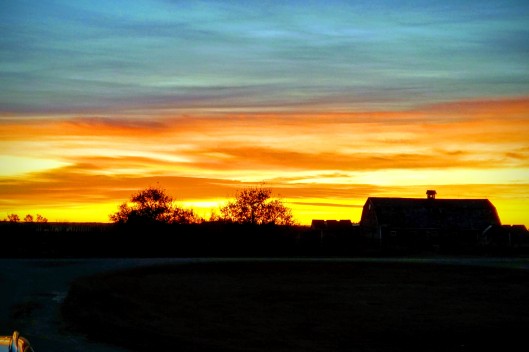
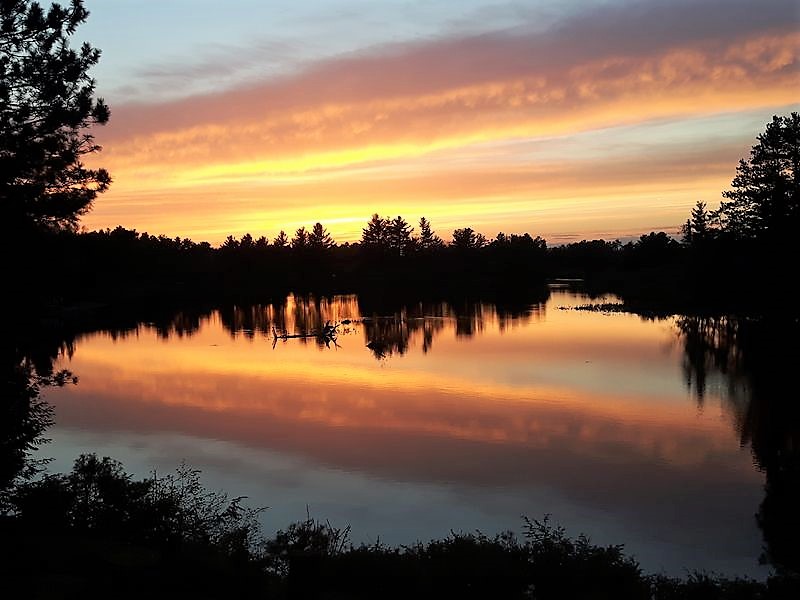
Sunset vista — photo by David Kitz
24 Sunday May 2020

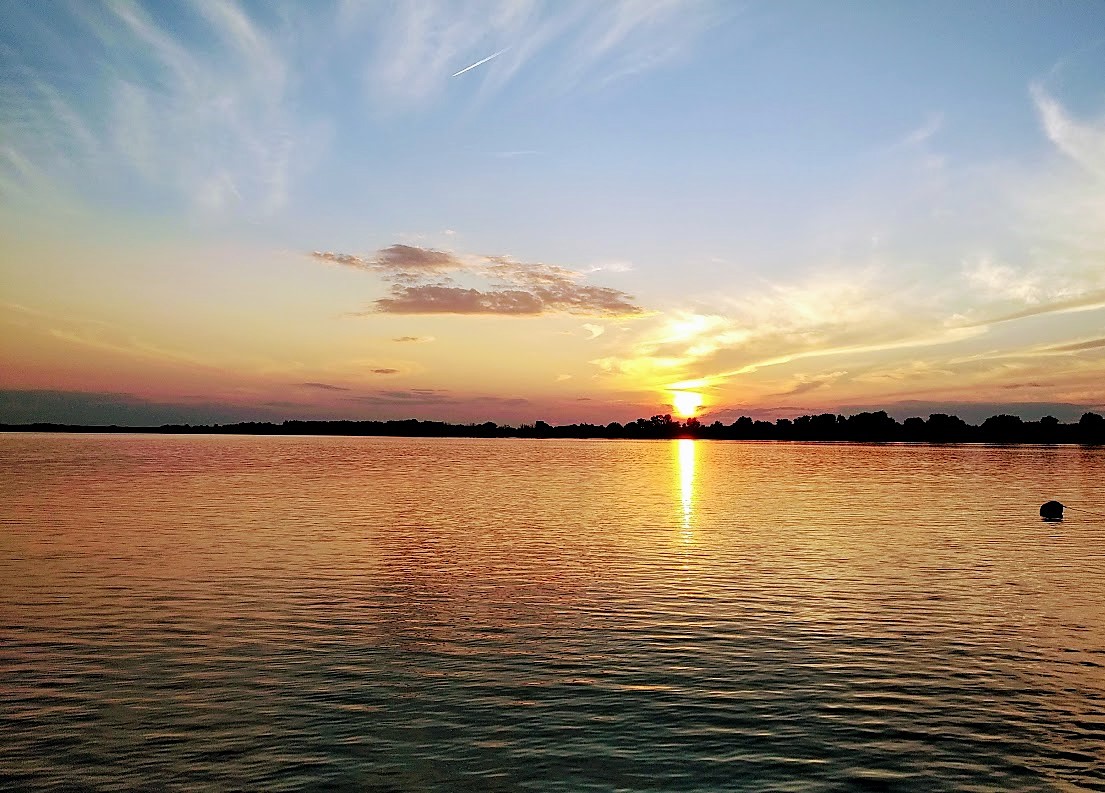
Sunset vista — photo by David Kitz
17 Sunday May 2020
Tags

Photo by David Kitz
10 Friday Jan 2020
Posted in Devotionals, Psalm 137, Psalms
Reading: Psalm 137
(Verses 1-6)
By the rivers of Babylon we sat and wept
when we remembered Zion.
There on the poplars we hung our harps,
for there our captors asked us for songs,
our tormentors demanded songs of joy;
they said, “Sing us one of the songs of Zion!”
How can we sing the songs of the LORD
while in a foreign land?
If I forget you, Jerusalem,
may my right hand forget its skill.
May my tongue cling to the roof of my mouth
if I do not remember you,
if I do not consider Jerusalem my highest joy (NIV)

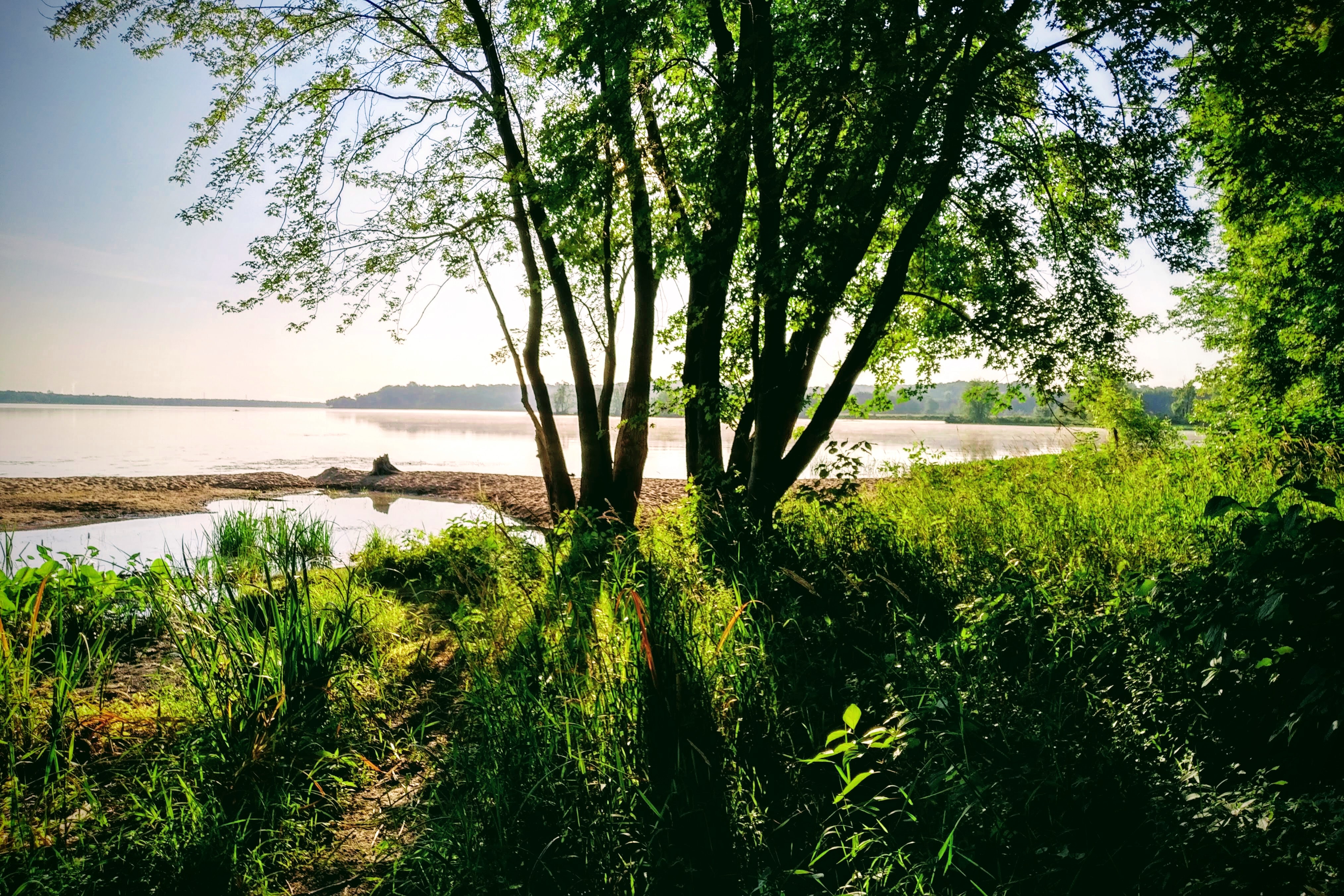
By the rivers of Babylon — photo by David Kitz
Reflection
It’s difficult to pinpoint the time in history when many of the Psalms were written. Many scholars believe that the Old Testament was compiled over a period of about 900 to 1,000 years. As for the Book of Psalms, there is considerable evidence to suggest that psalms were collected from three distinct periods: the reign of King David (1 Chronicles 23:5), the rule of Hezekiah (2 Chronicles 29:30), and during the leadership of Ezra and Nehemiah (Nehemiah 12:24).[1]
Psalm 137 is distinct, because we can tell from its content that this psalm was written early during the period of the Babylonian exile. Memories of Nebuchadnezzar’s destruction of Jerusalem in 586 BC were still fresh—etched with bitterness and pain in the mind of the author.
There are two great pivot points in the history of Old Testament Israel. The first is the liberation of Israel from Egypt and the subsequent conquest of the holy land. The second is the destruction of Jerusalem and the temple, which was followed by the seventy-year exile in Babylon. The mercy and power of God brought about the first pivotal event. The disobedience and idolatry of man set in motion the catastrophe of the second event.
From its inception the Jewish nation flirted with idolatry. While Moses was receiving the Ten Commandments, the people were reveling before a golden calf. King Solomon set up idols in Jerusalem so his foreign wives could worship their gods. See 1 Kings 11:1-8. This duplicity continued generation after generation until the Babylonians swept in and destroyed Jerusalem. Harsh judgment brought change. Will harsh judgment bring change in us, or will the mercy of God bring us to repentance?
Response: Father God, I don’t want to learn things the hard way. I want to be quick to obey you. Help me to learn from the lessons of history. You are the one, true God. I worship you. Amen.
Your Turn: How faithful are you to the LORD? Do other interests draw you away?
[1] K.R. “Dick” Iverson, Spirit Filled Life Bible, New King James Version, Jack W. Hayford, General Editor, Thomas Nelson Publishers, Nashville, TN, 1991, p. 750.
26 Thursday Dec 2019
Posted in Devotionals, Psalm 132, Psalms
Reading: Psalm 132
A song of ascents.
(Verses 1-5)
LORD, remember David
and all his self-denial.
He swore an oath to the LORD,
he made a vow to the Mighty One of Jacob:
“I will not enter my house or go to my bed,
I will allow no sleep to my eyes
or slumber to my eyelids,
till I find a place for the LORD,
a dwelling for the Mighty One of Jacob” (NIV).

The angel and the cross on Parliament Hill, Ottawa, ON
Reflection
This is the thirteenth psalm in the Songs of Ascent series. With this psalm, the author returns to a familiar theme—the glory of God’s presence in Zion. It is what has drawn the pilgrims to this holy place. They have come to worship and meet with God.
But this psalm has a different approach. It recounts the history of Zion and how this particular place was chosen as the site for Israel to worship God. It all began with David. At the prompting of the LORD, David chose Mount Zion to set up the Tabernacle of the LORD. But before Mount Zion could become a place of worship the stronghold of Zion had to be conquered. It was in enemy hands. Nevertheless, David captured the fortress of Zion—which is the City of David (2 Samuel 5:7).
In this psalm we hear of David’s vow. “I will not enter my house or go to my bed, I will allow no sleep to my eyes or slumber to my eyelids, till I find a place for the LORD, a dwelling for the Mighty One of Jacob”
In David’s case, finding a place for the LORD required self-denial. It involved a physical battle. There is a spiritual battle that we too need to fight so the LORD can occupy His rightful place in our lives. The enemy does not leave the strongholds in our mind without a fight. We must take action to evict him.
We live in a world where self-denial is rare, and often frowned upon. Our society pushes the easy life—the comfortable life—the path of least resistance. Self-denial in pursuit of a relationship with God is a foreign concept. In many churches fasting and prayer is a lost discipline.
Jesus encountered the same problem with his own disciples. While he was praying fervently in the Garden of Gethsemane, his disciples were fast asleep. “Simon,” he said to Peter, “are you asleep? Couldn’t you keep watch for one hour?” See Mark 14:32-42.
This inability to pray for an hour is an indicator that at our core we have not surrendered fully to God. Other things are more important. There is no self-denial. That TV show is more important. The game is more important. Perhaps our Zion is still occupied by the enemy and the LORD is not enthroned there.
Response: LORD God, help me to change. I want to put you first in my life. Come and occupy the throne of my life. I want my thoughts, words and actions to be governed by you, Lord Jesus. Amen.
Your Turn: Do you find self-denial difficult? Do you practice a variety of spiritual disciplines?
30 Sunday Jun 2019

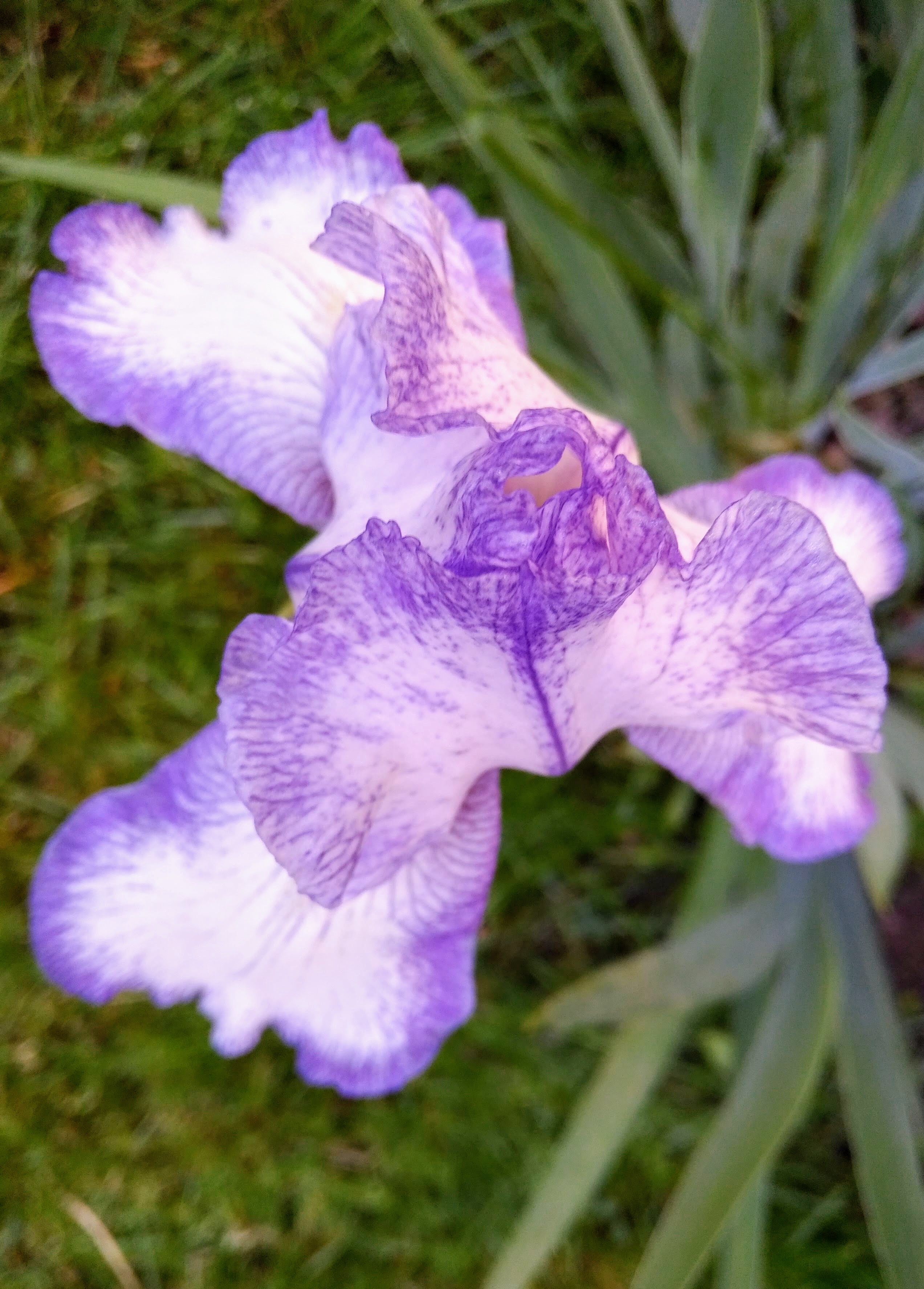
Iris blossom — photo by David Kitz
09 Sunday Jun 2019
28 Sunday Apr 2019

07 Sunday Apr 2019

Flowing stream, Orleans, ON — photo by David Kitz
20 Wednesday Mar 2019
Tags
Reading: Psalm 48
(Verses 9-14)
Within your temple, O God,
we meditate on your unfailing love.
Like your name, O God,
your praise reaches to the ends of the earth;
your right hand is filled with righteousness.
Mount Zion rejoices,
the villages of Judah are glad
because of your judgments.
Walk about Zion, go around her,
count her towers,
consider well her ramparts,
view her citadels,
that you may tell of them
to the next generation.
For this God is our God for ever and ever;
he will be our guide even to the end (NIV).

The Manhattan skyline New York — photo by David Kitz
Reflection
Have you watched a television newscast recently? Invariably at some point during that telecast you will see a cityscape—a grand view of the city skyline in all its glory. If experts from Montreal, Vancouver or Chicago are being interviewed, they will appear against the backdrop of a large photo of their city. Routinely, sports telecasts feature brief live shots of the arena and the host city’s downtown.
Why do broadcasters go to the trouble of filming these cityscapes and providing these skyline backdrops? A good part of the answer is identification. We identify a city by its skyline and by its landmark buildings and towers. Washington, D.C. is intimately linked to pictures of the Capitol, Paris with the Eiffel Tower and Toronto with the CN Tower. When the twin towers of the World Trade Center were destroyed, New York mourned not only the loss of lives, but also the loss of an element of its identity—the twin icons of its identity.
Psalm 48 is the Bible’s version of a cityscape telecast. Read the psalmist’s call: Walk about Zion, go around her, count her towers, consider well her ramparts, view her citadels that you may tell of them to the next generation.
What is the psalmist asking us to do? He is asking us to identify with the city of God. What makes Zion unique in the earth is the presence of God within her. The psalmist clearly stated, “God is in her citadels.” Is God within you? Is He reigning in your heart and mind? Is He the master of your affections? Have you had landmark experiences with God that changed the course of your life? Have you climbed towers of prayer? Have you stood guard on the ramparts of your mind? Then with conviction you can say with the psalmist, “For this God is our God forever and ever; he will be our guide even to the end.”
Response: LORD God, reign in me. Establish your capital in my heart. Govern my ways, now and forever more. I commit my thoughts and intellect to your service. Stir my heart and my affections. Amen.
Your Turn: Has Jesus come to rule your heart? Is the Lord enthroned there?
22 Saturday Dec 2018
Tags