I will praise the LORD!

View from the Lemieux Island Bridge, Ottawa, ON — photo by David Kitz

03 Sunday May 2020
View from the Lemieux Island Bridge, Ottawa, ON — photo by David Kitz
19 Sunday Apr 2020
Tags

Early morning rose — photo by David Kitz
04 Saturday Apr 2020
Tags

Photo by Bibhukalyan Acharya on Pexels.com
16 Monday Mar 2020
16 Monday Mar 2020
Tags
Reading: Psalm 5
(Verses 8-12)
Lead me, LORD, in your righteousness
because of my enemies—
make your way straight before me.
Not a word from their mouth can be trusted;
their heart is filled with malice.
Their throat is an open grave;
with their tongues they tell lies.
Declare them guilty, O God!
Let their intrigues be their downfall.
Banish them for their many sins,
for they have rebelled against you.
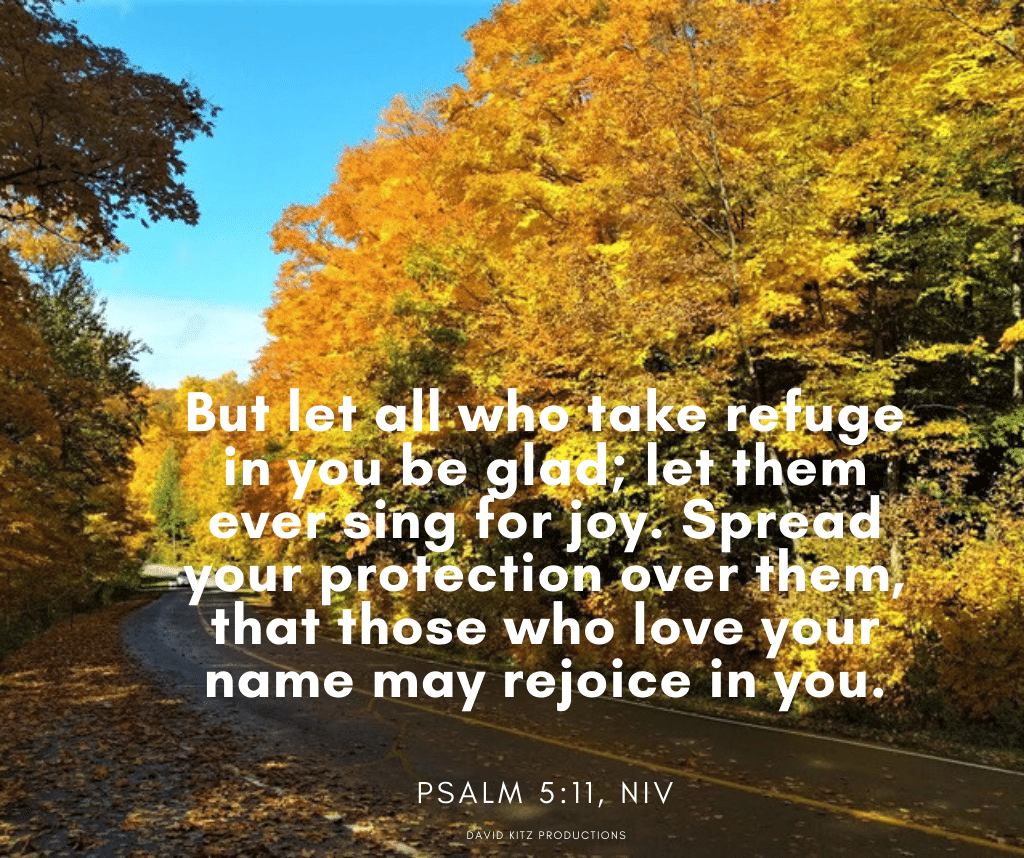
But let all who take refuge in you be glad;
let them ever sing for joy.
Spread your protection over them,
that those who love your name may rejoice in you (NIV).*

Photo by Ylanite Koppens on Pexels.com
Reflection
How good is your eyesight? Is it 20/20? How well do you score on an eye exam? I recently had elective lens replacement surgery. I simply got tired of wearing glasses. They were the bane of my childhood. I was an active lad and in those early years I can’t begin to count the number of times I broke or damaged the frames.
Going without glasses was not an option. I was practically blind without them; everything was a blur.
Today’s reading from Psalm 5 begins with David making this request: Lead me, LORD, in your righteousness because of my enemies—make your way straight before me (v. 8).
Trust me on this point. If you can’t see clearly, you may need someone to lead you. David recognized his need. Because of his enemies, he needed the LORD to lead him. He knew his enemies were waiting to ambush him at any moment. But where were they? Enemies in hiding are not easily spotted. That’s why like David, we need the LORD. He sees everything.
My greatest enemies are not parading around out in the open. They are lurking within. Pride and selfish ambition come dressed up in various disguises. It’s easy to justify that lingering eye or that wayward glance. Somehow we have 20/20 vision for that sort of thing.
The truth is I too need the LORD to lead me because of the enemies of my soul. How about you? Now here is the outcome we want: But let all who take refuge in you be glad; let them ever sing for joy. Spread your protection over them that those who love your name may rejoice in you (v. 11.
Response: LORD God, lead me. I can’t see the dangers ahead. Often I am unaware of the enemies that are trying to undermine my life and my love for you. Go before me. Show me the way, Lord Jesus, because you are the way. Amen.
Your Turn: How is your spiritual vision? Can you see the enemies that derail your progress?
This post by award-winning author David Kitz will be published in book format later in 2020 by Elk Lake Publishing under the title 365 Days through the Psalms.
05 Thursday Mar 2020
Posted in Devotionals, Psalm 150, Psalms
Tags
Holy Spirit, joy, praise, praise the LORD, Psalm 150, Psalms
Reading: Psalm 150
Praise the LORD.
Praise God in his sanctuary;
praise him in his mighty heavens.
Praise him for his acts of power;
praise him for his surpassing greatness.
Praise him with the sounding of the trumpet,
praise him with the harp and lyre,
praise him with timbrel and dancing,
praise him with the strings and pipe,
praise him with the clash of cymbals,
praise him with resounding cymbals.
Let everything that has breath praise the LORD.
Praise the LORD (NIV).*

Photo courtesy of Liz Kranz
Reflection
We have reached the crescendo—the conclusion and the high point of the Book of Psalms. Hallelujah and praise the LORD!
The word praise appears thirteen times in this final psalm. The number thirteen is suggestive of Jesus and his apostles. He is at the core—the very center of God ordained worship.
Eight forms or instruments of praise are listed in this psalm. Eight is the number of new beginnings. Seven suggests completeness, so we see that God rested on the seventh day. But eight signals a new start. In the same way, these eight means or instruments of praise do not represent a complete list. They simply suggest the varied ways in which we can express our praise to the LORD. We have only just begun to discover and explore the many ways in which we can show our gratitude to our Creator.
No one—no living being—is excluded from this call to praise. Let everything that has breath praise the LORD.
This call for all the breathing to praise the LORD is truly fitting. We received our original breath from the LORD. Then the LORD God formed a man from the dust of the ground and breathed into his nostrils the breath of life, and the man became a living being (Genesis 2:7). Now with our breath—our God-given breath—let us praise our Maker.
In the same way after his resurrection Jesus breathed on his disciples. Again Jesus said, “Peace be with you! As the Father has sent me, I am sending you.” And with that he breathed on them and said, “Receive the Holy Spirit” (John 20:21-22).
We need the breath of God in us—the breath of the Holy Spirit in us to live—to truly live in the overcoming power and joy of the psalms. For the Holy Spirit’s presence I will praise the LORD!
Response: LORD God, I praise you. You are my strength and my song. Help me to discover new ways to praise you because you are good. Let my entire life reflect your redemptive presence in me. Amen.
Your Turn: Why are you breathing? Is praising God an integral part of your purpose?
This post by award-winning author David Kitz will be published in book format later in 2020 by Elk Lake Publishing under the title 365 through the Psalms.
26 Sunday Jan 2020
Tags

13 Monday Jan 2020
Posted in Devotionals, Psalm 137, Psalms
Reading: Psalm 137
(Verses 7-9)
Remember, LORD, what the Edomites did
on the day Jerusalem fell.
“Tear it down,” they cried,
“tear it down to its foundations!”
Daughter Babylon, doomed to destruction,
happy is the one who repays you
according to what you have done to us.
Happy is the one who seizes your infants
and dashes them against the rocks (NIV).

Winter scene Montebello, Quebec — photo by David Kitz
Reflection
German is a fascinating language. It’s a language that seems to specializes in compound words—short words that are combined to form longer words. Some English language examples of compound words are quarterback, overcoat and windshield.
Schadenfreude is a compound German word. Actually, it’s such a useful and descriptive word that it has migrated into the English language and it can be found in any quality English dictionary. Schaden means harm or damage. Freude means joy. Simply put schadenfreude means joy experienced at another person’s expense—rejoicing in someone else’s suffering or loss.
Today’s reading from Psalm 137 is all about schadenfreude. The Edomites celebrated the destruction of Jerusalem. Rather than mourn over their neighbor’s calamity, they joined in calling for the destruction of the Jewish capital.
This manifestation of schadenfreude was rooted in centuries of fraternal rivalry and envy. The Edomites were the descendants of Esau, while the people of Jerusalem were the descendants of Jacob. These two people groups were linked by heredity, language and culture, and yet generation after generation they continued this brothers’ feud.
This psalm is not the only biblical counsel for us to avoid rejoicing in other people’s harm: Do not gloat when your enemy falls; when they stumble do not let your heart rejoice, or the LORD will see and disapprove and turn his wrath away from them (Proverbs 24:17-18).
If the LORD is punishing the evildoer, we should not appear too smug. We are spared by the grace of God and not by our moral superiority. The self-righteous suffer from delusions born of pride. It’s best not to identify with that camp. The opposite response is called for. Rather than crowing over someone else’s misfortune, we should be offering help, or drawing lessons on how to avoid a similar calamity.
When I see others experiencing calamity, I need to replace my schadenfreude with the genuine joy found in extending mercy, grace and compassion.
Response: LORD God, at times I have been guilty of schadenfreude. Help me to show compassion rather than smug indifference when I see others experience loss. Thank you for your ongoing mercy. Amen.
Your Turn: Have you experienced schadenfreude? How do you keep it in check?
28 Saturday Dec 2019
Tags

Photo by Radu Andrei Razvan on Pexels.com
23 Monday Dec 2019
 And there were shepherds living out in the fields nearby,
Reflection
Know this: If you are born again by the Spirit of God, you have received this good news with great joy. Our Savior, the Messiah has been born.
 I love the Psalms