Tags
joy, Law, praise, the LORD, word of God
I will praise Him!

Champlain Lookout, Gatineau Park — photo by David Kitz
28 Sunday Oct 2018
Posted in Bible, God's word, Psalm 19, Psalms
Tags
joy, Law, praise, the LORD, word of God

Champlain Lookout, Gatineau Park — photo by David Kitz
18 Thursday Oct 2018
Posted in Bible, Devotionals, Psalm 4, Psalms
Tags
Reading: Psalm 4
For the director of music. With stringed instruments. A psalm of David.
Answer me when I call to you,
my righteous God.
Give me relief from my distress;
have mercy on me and hear my prayer.
How long will you people turn my glory into shame?
How long will you love delusions and seek false gods?
Know that the LORD has set apart his faithful servant for himself;
the LORD hears when I call to him.
Tremble and do not sin;
when you are on your beds,
search your hearts and be silent.
Offer the sacrifices of the righteous and trust in the LORD.
Many, LORD, are asking, “Who will bring us prosperity?”
Let the light of your face shine on us.
Fill my heart with joy when their grain and new wine abound.
In peace I will lie down and sleep,
for you alone, LORD, make me dwell in safety (NIV).

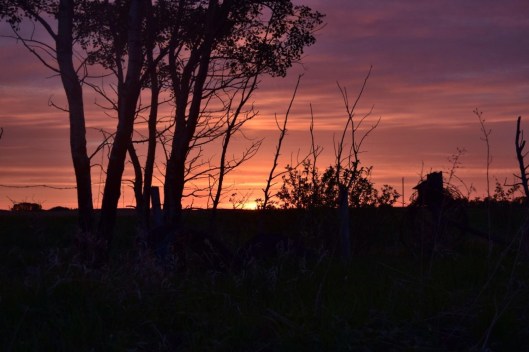
Setting sun near MacNutt, SK — photo courtesy of Donald Adam
Reflection
Where are you looking?
Think about it for a moment, where you look is where you go. If you are walking, you are looking where you are going. If you are driving, you are looking where you are going, and if you don’t fix your eyes on where you are going, your journey will surely come to an abrupt end—an accident. As you move through your day—as you move through life—where you look is where you go.
If you look to the internet for porn, you are sure to find it, and be trapped by it. If you look to television for entertainment, you are sure to find it. It too in subtle ways can ensnare and deaden the spirit. If you look to others, they will often disappoint you. As David points out in this Psalm, all too often we love delusions and seek false gods. We are looking in the wrong places and consequently we steer our life into the ditch.
In Psalm 4, David’s approach is totally different. He is looking to the LORD. He is calling out to God. He fears the LORD (trembles and does not sin). In silence he searches his heart and encourages us to do the same. Have you offered a sacrifice of righteousness recently? Right living has a cost. But it also pays enormous dividends.
As we trust in the LORD and look to Him, as a loving Father, He turns His face to us. The light of His face shines on us. Wow! That fills my heart with joy.
Response: Heavenly Father, today let the light of your face shine on me. Guide me in the way of truth. I want to look to you and walk in the way you have prepared for me. Amen.
Your Turn: Has the light of God’s face shone on you recently? What was that like?
29 Saturday Sep 2018
Posted in Bible, God's word, Psalm 16, Psalms
Tags

Morning mist, Grey Nuns Park, Orleans, ON
20 Monday Aug 2018
Posted in Bible, Devotionals, Psalm 137, Psalms
Reading: Psalm 137
(Verses 7-9)
Remember, LORD, what the Edomites did
on the day Jerusalem fell.
“Tear it down,” they cried,
“tear it down to its foundations!”
Daughter Babylon, doomed to destruction,
happy is the one who repays you
according to what you have done to us.
Happy is the one who seizes your infants
and dashes them against the rocks (NIV).

The Parthenon, Athens, Greece — photo by David Kitz
Reflection
German is a fascinating language. It’s a language that seems to specializes in compound words—short words that are combined to form longer words. Some English language examples of compound words are homerun, overcoat and windshield.
Schadenfreude is a compound German word. Actually, it’s such a useful and descriptive word that it has migrated into the English language and it can be found in any quality English dictionary. Schaden means harm or damage. Freude means joy. Simply put schadenfreude means joy experienced at another person’s expense—rejoicing in someone else’s suffering or loss.
Today’s reading from Psalm 137 is all about schadenfreude. The Edomites celebrated the destruction of Jerusalem. Rather than mourn over their neighbor’s calamity, they joined in calling for the destruction of the Jewish capital.
This manifestation of schadenfreude was rooted in centuries of fraternal rivalry and envy. The Edomites were the descendants of Esau, while the people of Jerusalem were the descendants of Jacob. These two people groups were linked by heredity, language and culture, and yet generation after generation they continued this brothers’ feud.
This psalm is not the only biblical counsel for us to have to avoid rejoicing in other people’s harm: Do not gloat when your enemy falls; when they stumble do not let your heart rejoice, or the LORD will see and disapprove and turn his wrath away from them (Proverbs 24:17-18).
If the LORD is punishing the evildoer, we should not appear too smug. We are spared by the grace of God and not by our moral superiority. The self-righteous suffer from delusions of pride. It’s best not to identify with that camp. The opposite response is called for. Rather than crowing over someone else’s misfortune, we should be offering help or drawing lessons on how to avoid a similar calamity.
When I see others experiencing calamity, I need to replace my schadenfreude with the genuine joy found in extending mercy, grace and compassion.
Response: LORD God, at times I have been guilty of schadenfreude. Help me to show compassion rather than smug indifference when I see others experience loss. Thank you for your ongoing mercy. Amen.
Your Turn: Have you experienced schadenfreude? How do you keep it in check?
12 Sunday Aug 2018
Posted in Bible, God's word, Psalm 5, Psalms

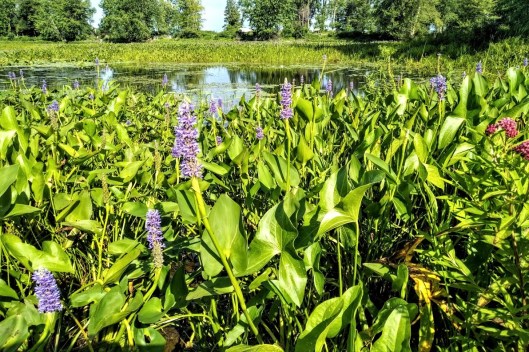
Marsh blossoms, Petrie Island, Ottawa, ON — photo by David Kitz
05 Sunday Aug 2018
Posted in Bible, God's word, Psalm 4, Psalms
Tags

Be still before the LORD — photo by David Kitz
24 Tuesday Jul 2018
Posted in Bible, Devotionals, Psalm 126, Psalms
Tags
harvest, Holy Spirit, joy, Prayer, restore, Songs of Ascent, sowing tears
Reading: Psalm 126
A song of ascents.
When the LORD restored the fortunes of Zion,
we were like those who dreamed.
Our mouths were filled with laughter,
our tongues with songs of joy.
Then it was said among the nations,
“The LORD has done great things for them.”
The LORD has done great things for us,
and we are filled with joy.
Restore our fortunes, LORD,
like streams in the Negev.
Those who sow with tears
will reap with songs of joy.
Those who go out weeping,
carrying seed to sow,
will return with songs of joy,
carrying sheaves with them (NIV).

Like streams in the Negev — photo by David Kitz
Reflection
This is a psalm that has two parts—two sharply contrasting perspectives. It begins with jubilation, but it transitions to sober reflection and a prayer for restoration.
The historical context of this psalm is readily identifiable. The psalmist is commenting on the joyous return of the exiles following the seventy-year Babylonian captivity—an event that occurred in the sixth century before the birth of Christ. When the LORD restored the fortunes of Zion, we were like those who dreamed. Our mouths were filled with laughter, our tongues with songs of joy.
The LORD had brought back the people of Israel and they were filled with joy. Have you experienced the glorious liberating power of God in your life? Have you experienced the pure joy of the Lord as you realized your sins are forgiven? And oh joy—this God you serve is as near as your next breath!
I remember a time like that—a time when I was filled with the Holy Spirit. The joy I experienced was so all encompassing that I remember waking in the morning with my face muscles aching because of the smile that had been permanently etched there.
But alas, we can’t live on that mountain-top high forever. In our pilgrimage with God, we eventually reach this line in Psalm 126: Restore our fortunes, LORD, like streams in the Negev. The Negev is the parched desert region to the south of the land of Judah. Streams in the Negev are intermittent. A raging torrent one day becomes a mere trickle on the next day, and then nothing on the third day. The boisterous river of joy turns into a dry gulch—a blank line on the desert floor. Then we join with the psalmist and pray. Restore our fortunes, LORD. Our prayer becomes a plea for a return to the joy of harvest.
Response: Father God, I thank you for times of great joy, when we experience your salvation and your felt presence. Help me to sow the seeds of your gospel message today. Amen.
Your Turn: What season are you in? What season is your church in? Is it seed planting time or harvest?
21 Saturday Jul 2018
Posted in Bible, God's word, Psalm 126, Psalms

Like streams in the Negev — photo by David Kitz
27 Sunday May 2018
Posted in Bible, God's word, Psalm 119, Psalms

Golden sunset — photo by David Kitz
04 Wednesday Apr 2018
Posted in Bible, Devotionals, Psalm 100, Psalms
Tags
feast, gladness, gratitude, joy, prairie, praise, prayers, psalm of praise, Regina, Saskatchewan, sheep, thanks, thanksgiving, the LORD
Reading: Psalm 100
A psalm. For giving grateful praise.
Shout for joy to the LORD, all the earth.
Worship the LORD with gladness;
come before him with joyful songs.
Know that the LORD is God.
It is he who made us, and we are his;
we are his people, the sheep of his pasture.
Enter his gates with thanksgiving
and his courts with praise;
give thanks to him and praise his name.
For the LORD is good and his love endures forever;
his faithfulness continues through all generations (NIV).
Reflection
When you grow up on a prairie farm, as I did, you appreciate the traditional aspects of Thanksgiving all the more. You are reminded each day that the food on your table does not simply come from a store. You are actively engaged in producing the nourishment that sustains your own life. Though today may be a long way from Thanksgiving, I know I need daily reminders to be thankful. How about you?

Early morning sunrise, Regina, Saskatchewan — photo by David Kitz
As a youngster I sat down to many a Thanksgiving feast, and almost all the food found on that groaning table was home-grown. I watched those vegetables growing in our garden in the hot summer sun. I even pulled the weeds from around those peas. And those mashed potatoes, I helped my mother hill those tubers in the spring and then dug them up after the frost hit in the fall.
My brother loved growing pumpkins, and mom would turn his favorite into the best pumpkin pie east of the Rockies. And how can you eat pumpkin pie without a mound of whipped cream on top? Well let me tell you, it tastes even better, when just that morning you milked the cows that produced that sweet rich cream. Oh, and that huge turkey—we’ll miss that pompous strutting gobbler out by the hen-house. But I’m sure we’ll get over it, somehow. For now, let’s just dig in.
Let’s all dig in, and give thanks to the God, who made all this possible. This sumptuous feast has been brought to you by Him. Now that’s Thanksgiving!
The great God in heaven has been kind to us. He has answered our prayers. He brought the warmth of spring and the rain of heaven. He caused his face to shine upon us. The rich earth responded to his touch. It brought forth its bounty, and now around this table we have gathered together as a family to celebrate God’s great goodness to us.
As the psalmist declares, “It is he who made us, and we are his; we are his people, the sheep of his pasture.” So today with joy-filled hearts we enter his gates with thanksgiving and his courts with praise. We give thanks to him and praise his name.
Response: Heavenly Father, thank you for all your kindness. You have been so good to us! Help us to maintain an attitude of gratitude all year long and not only on Thanksgiving Day, but every day. Amen.
Your Turn: What blessings from God’s hand are you most grateful for? Say a prayer of thanks right now.