I will praise the LORD!

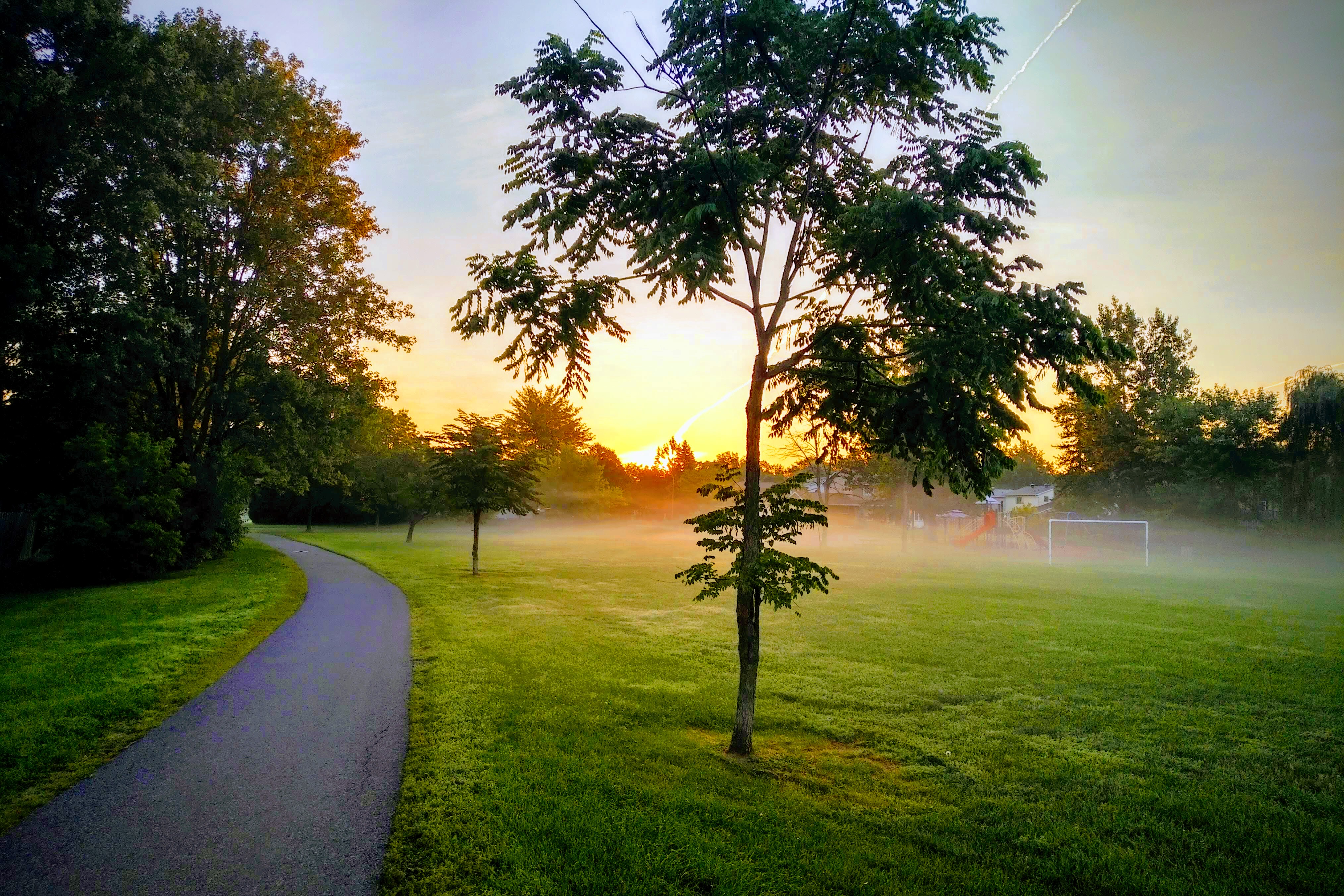
It is you who watch over my way — photo by David Kitz
16 Saturday May 2020

It is you who watch over my way — photo by David Kitz
20 Sunday Oct 2019
Tags

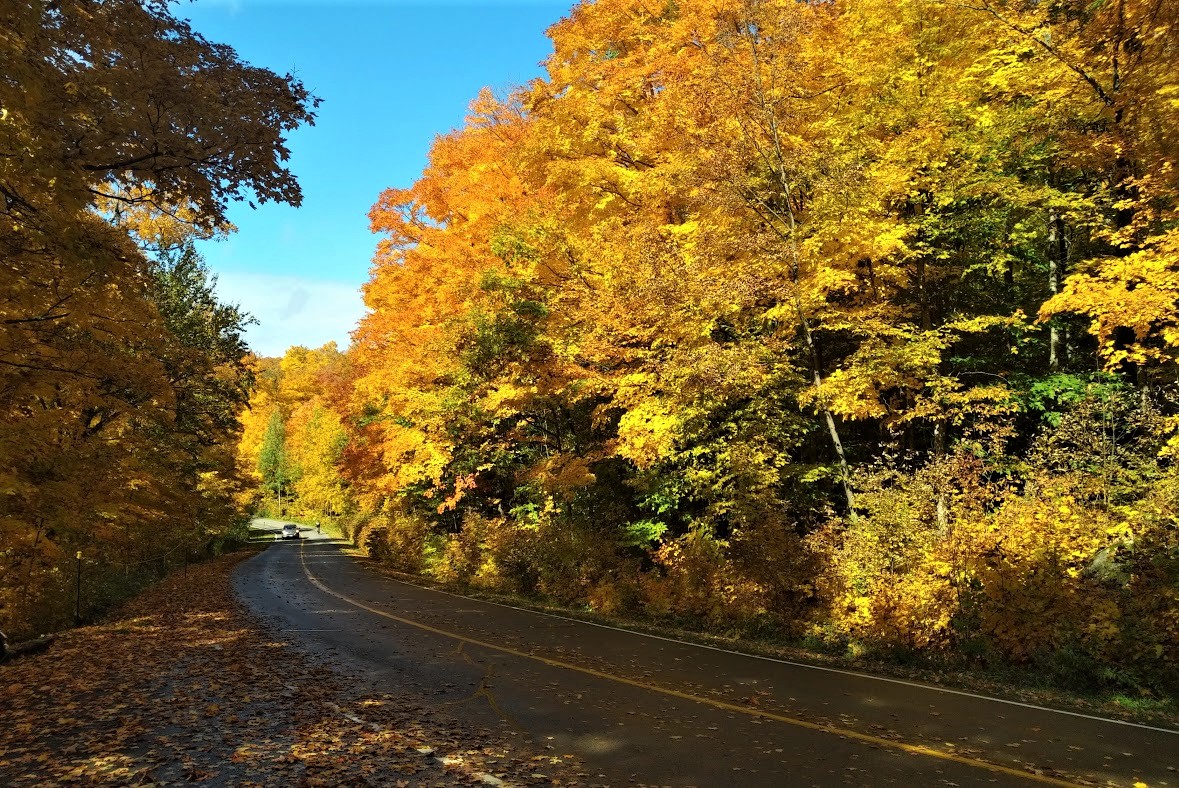
The beauty of the LORD — Gatineau Park, Quebec — photo by David Kitz
05 Friday Jul 2019
Tags
Reading: Psalm 84
For the director of music. According to gittith. Of the Sons of Korah. A psalm.
(Verses 1-7)
How lovely is your dwelling place, LORD Almighty!
My soul yearns, even faints,
for the courts of the LORD;
my heart and my flesh cry out for the living God.
Even the sparrow has found a home,
and the swallow a nest for herself,
where she may have her young—
a place near your altar,
LORD Almighty, my King and my God.
Blessed are those who dwell in your house;
they are ever praising you.
Blessed are those whose strength is in you,
whose hearts are set on pilgrimage.
As they pass through the Valley of Baka,
they make it a place of springs;
the autumn rains also cover it with pools.
They go from strength to strength,
till each appears before God in Zion (NIV).
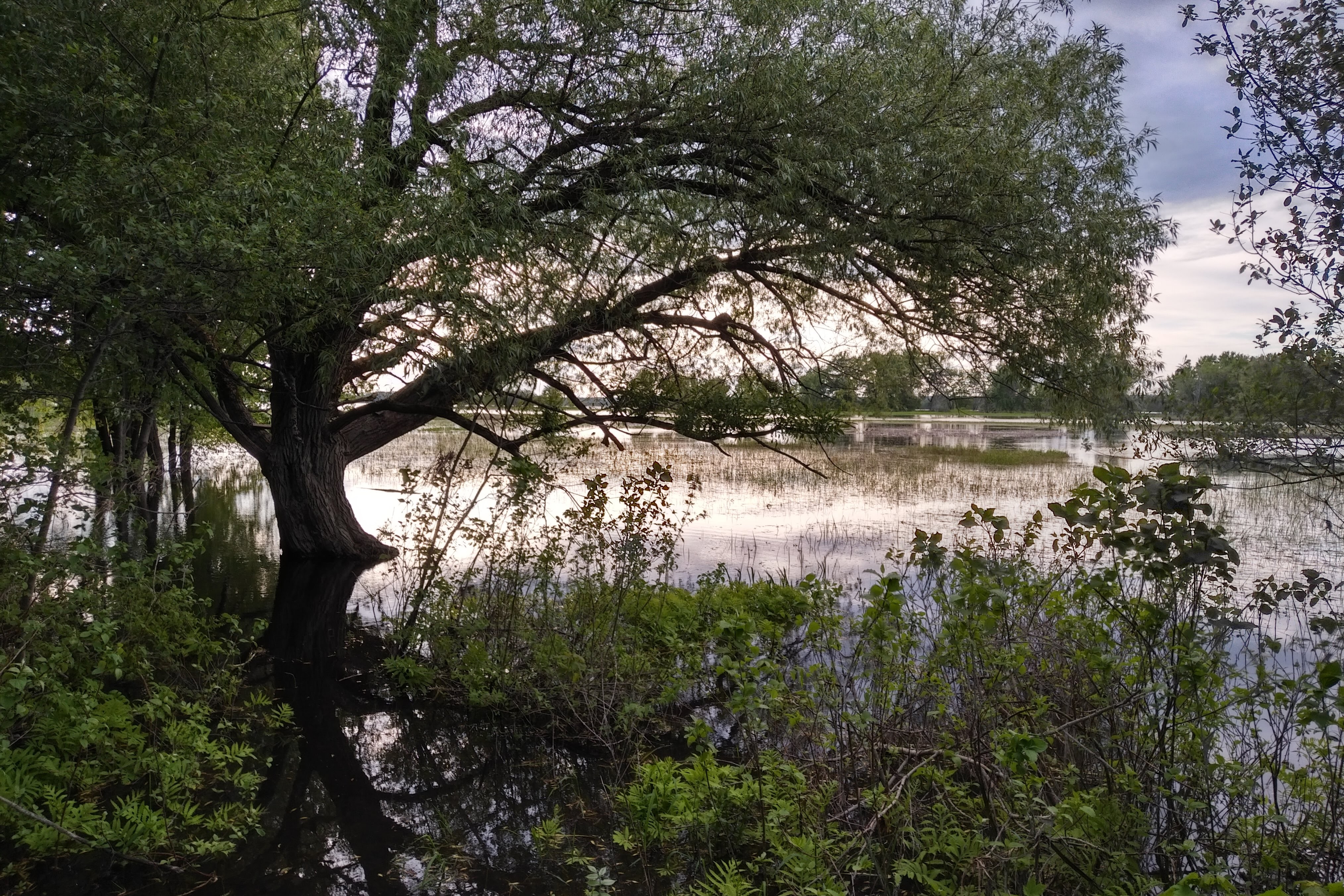
Blessed are those whose strength is in you — photo by David Kitz
Reflection
Where does God live? If you were going to pay God a visit where would you go? Some of us would head off to a church. The psalmist speaks of travelling to the temple in Jerusalem. Psalm 84 was often used by pilgrims as they made the long journey to the holy city to be near to God in His temple.
When I read the phrase, “How lovely is your dwelling place, O LORD Almighty!” my mind instantly flashes to pictures of nature. I see God there, in the dazzling sunset, in the mountain grandeur, in the forest depths, in expansive prairie vistas, in the wind whipped ocean breakers, and by the sunlit babbling stream. God is there. This is His dwelling place. It is just as David declared, “The earth is the LORD‘s, and everything in it, the world, and all who live in it” (Psalm 24:1).
Nature is God’s domain. He formed it, planned it, spoke it into existence. It is his dwelling place. Our attempts to create a dwelling place for him are feeble at best. After overseeing the construction of one of the seven wonders of the ancient world, King Solomon, that master temple builder of the Old Testament declared, “There is not enough room in heaven for you, LORD God. How can you possibly live on earth in this temple I have built?” (1 Kings 8:27).
But here in Psalm 84 the psalmist marvels that nature has invaded the temple. Swallows have built their nest in the temple, close by the altar of God. He exclaims, “Blessed are those who dwell in your house; they are ever praising you.” Indeed, there is no better place to be than near to the heart of God.
Response: LORD God, I want to be near to you today. I want to dwell where you are. Please come and stay with me. Be as close to me as my next breath. Amen.
Your Turn: Where are you closest to God? Do you long to be near Him?
25 Saturday May 2019

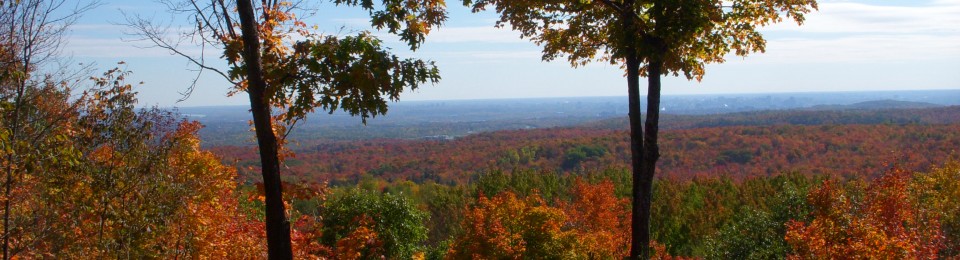
Misty morning sunrise, Grey Nuns Park, Orleans, ON — photo by David Kitz
20 Wednesday Mar 2019
Tags
Reading: Psalm 48
(Verses 9-14)
Within your temple, O God,
we meditate on your unfailing love.
Like your name, O God,
your praise reaches to the ends of the earth;
your right hand is filled with righteousness.
Mount Zion rejoices,
the villages of Judah are glad
because of your judgments.
Walk about Zion, go around her,
count her towers,
consider well her ramparts,
view her citadels,
that you may tell of them
to the next generation.
For this God is our God for ever and ever;
he will be our guide even to the end (NIV).

The Manhattan skyline New York — photo by David Kitz
Reflection
Have you watched a television newscast recently? Invariably at some point during that telecast you will see a cityscape—a grand view of the city skyline in all its glory. If experts from Montreal, Vancouver or Chicago are being interviewed, they will appear against the backdrop of a large photo of their city. Routinely, sports telecasts feature brief live shots of the arena and the host city’s downtown.
Why do broadcasters go to the trouble of filming these cityscapes and providing these skyline backdrops? A good part of the answer is identification. We identify a city by its skyline and by its landmark buildings and towers. Washington, D.C. is intimately linked to pictures of the Capitol, Paris with the Eiffel Tower and Toronto with the CN Tower. When the twin towers of the World Trade Center were destroyed, New York mourned not only the loss of lives, but also the loss of an element of its identity—the twin icons of its identity.
Psalm 48 is the Bible’s version of a cityscape telecast. Read the psalmist’s call: Walk about Zion, go around her, count her towers, consider well her ramparts, view her citadels that you may tell of them to the next generation.
What is the psalmist asking us to do? He is asking us to identify with the city of God. What makes Zion unique in the earth is the presence of God within her. The psalmist clearly stated, “God is in her citadels.” Is God within you? Is He reigning in your heart and mind? Is He the master of your affections? Have you had landmark experiences with God that changed the course of your life? Have you climbed towers of prayer? Have you stood guard on the ramparts of your mind? Then with conviction you can say with the psalmist, “For this God is our God forever and ever; he will be our guide even to the end.”
Response: LORD God, reign in me. Establish your capital in my heart. Govern my ways, now and forever more. I commit my thoughts and intellect to your service. Stir my heart and my affections. Amen.
Your Turn: Has Jesus come to rule your heart? Is the Lord enthroned there?
19 Tuesday Mar 2019
Reading: Psalm 48
A song. A psalm of the Sons of Korah.
(Verses 1-8)
Great is the LORD, and most worthy of praise,
in the city of our God, his holy mountain.
Beautiful in its loftiness, the joy of the whole earth,
like the heights of Zaphon is Mount Zion,
the city of the Great King.
God is in her citadels;
he has shown himself to be her fortress.
When the kings joined forces,
when they advanced together,
they saw her and were astounded;
they fled in terror.
Trembling seized them there,
pain like that of a woman in labor.
You destroyed them like ships of Tarshish
shattered by an east wind.
As we have heard, so we have seen
in the city of the LORD Almighty,
in the city of our God:
God makes her secure forever (NIV).

Looking south from the War Memorial in Downtown Ottawa — photo by David Kitz
Reflection
I grew up on a farm in wide open rural Saskatchewan, Canada. It was a cross-country mile to the nearest neighbour, but if you stood at the right spot in our farmyard, you could see our neighbour’s house. I loved growing up on the farm and I still love visiting. Who wouldn’t? I was living in God’s country surrounded by the wild beauty of nature in all its varied, changing forms.
But I have spent the last forty years living in the city—actually three rather large cities with populations of more than a million. Is the God of the open country the God of the city too? The psalmist seemed to think so. He begins Psalm 48 with this declaration: Great is the LORD, and most worthy of praise, in the city of our God, his holy mountain.
Of course the sons of Korah were referring to biblical Jerusalem, more specifically Mount Zion, the fortified citadel within the walls of ancient Israel’s capital. God was within her. During the reign of David the Ark of the Covenant—the seat of the LORD’s rule—was housed in the sacred tabernacle on Mount Zion. This was where God dwelt.
Where does God dwell today? As partakers of the new covenant, through the blood of Christ we are the temples of God. Paul, the apostle, asks, “Don’t you know that you yourselves are God’s temple and that God’s Spirit dwells in your midst?” (1 Corinthians 3:16). God dwells in the city too—your city. Whether it’s Calgary, Ottawa, New York, Helsinki or Tokyo, God is within her because His redeemed people live there.
Response: LORD, I thank you because you live within us! Help me to let my light shine in my city. Amen.
Your Turn: How would you characterize your city? How is God revealing His presence there?
08 Saturday Sep 2018
Posted in Bible, God's word, Psalm 11, Psalms

The Lord is on his heavenly throne — photo by David Kitz
22 Wednesday Aug 2018
Posted in Bible, Devotionals, Psalm 138, Psalms
Tags
Reading: Psalm 138
(Verses 6-8)
Though the LORD is exalted, he looks kindly on the lowly;
though lofty, he sees them from afar.
Though I walk in the midst of trouble,
you preserve my life.
You stretch out your hand against the anger of my foes;
with your right hand you save me.
The LORD will vindicate me;
your love, LORD, endures forever—
do not abandon the works of your hands (NIV).

The abandoned McNeill Estate in the Spirit Rock Conservation Area, Wiarton, Ontario — photo by David Kitz
Reflection
There is something tragic about an abandoned house. An empty house has a missing soul. It was built to have souls—people—in it, so an absence of life invokes feelings of sadness in me. At one point hopes and dreams were alive in that house. It was a place of comfort and love—a refuge from nature’s elements. Perhaps it echoed with the voices of children at play, but now it sits empty and forlorn.
I find it surprising how quickly a home or community deteriorates after it’s abandoned. Have you viewed videos or the haunting images of the abandoned communities around the Chernobyl and Fukushima nuclear plants? In a few short years everything constructed by humans has become completely overgrown, and it begins to decay and breakdown.
Turning to today’s reading, we see that David ends this psalm with both a confession of faith and a prayer: The LORD will vindicate me; your love, LORD, endures forever—do not abandon the works of your hands.
David lives in confidence that the LORD is with him and will vindicate him—will side with him in the battles of life. But he adds this petition—do not abandon the works of your hands.
What happens when God abandons us? I dread the thought. When the LORD no longer lives among us, our lives—our spiritual lives—begin to deteriorate like an abandoned house in a nuclear exclusion zone. Around Fukushima wild boars have taken over. With no one to oppose them, they have ravaged the countryside and have moved into the abandoned towns.
Will the LORD abandon us? There is little chance of that happening. The far greater concern is that we abandon the LORD. I have witnessed firsthand the devastation that occurs when that happens. When people who respond to the gospel turn their backs on their Savior, over time the outcome resembles the ravages of nature on an abandoned home.
We need to recall these words: Though the LORD is exalted, he looks kindly on the lowly; though lofty, he sees them from afar. Though I walk in the midst of trouble, you preserve my life.
Response: LORD God, I want you to be fully at home in my heart and my mind. Show me your kindness. My body is a temple for your Holy Spirit. Live in me and through me, Lord Jesus. Amen.
Your Turn: How do you feel about abandoned houses? Is your inner man (woman) occupied by God?
11 Saturday Aug 2018
Posted in Bible, God's word, Psalm 5, Psalms
Tags

Wild morning glory — photo by David Kitz
08 Wednesday Aug 2018
Posted in Bible, Devotionals, God's word, Psalm 134, Psalms
Tags
child of God, Creator, identity, Jerusalem, Jesus, Songs of Ascent, temple
Reading: Psalm 134
A song of ascents.
Praise the LORD, all you servants of the LORD
who minister by night in the house of the LORD.
Lift up your hands in the sanctuary
and praise the LORD.
May the LORD bless you from Zion,
he who is the Maker of heaven and earth (NIV).
![IMG_20180629_1750359[3581]](https://davidkitz.blog/wp-content/uploads/2018/07/img_20180629_17503593581.jpg)
Columns at the gateway to the Acropolis in Athens, Greece — photo by David Kitz
It is likely that the twelve-year-old Jesus sang this psalm with his parents on the final evening of their Passover pilgrimage to Jerusalem. On the following day the family departed for Nazareth where Joseph would resume his trade as a carpenter. When they left the next morning, they assumed Jesus was traveling with them in the large company of other pilgrims from their hometown. See Luke 2:41-52.
Typically, we read this account of the lost twelve-year-old Jesus from the viewpoint of a parent. We identify with the stress of losing a child in a big city. We would title this story, “Mary and Joseph find lost Jesus.” But the story reads quite differently, when we view it from the perspective of a child trying to discover who he really is. Viewed from Jesus’ perspective the title of the story might well be, “Lost Boy finds Himself” or “Lost Boy Discovers His Divinity.”
How did Jesus discover he was the son of God? Some believers might well reason that the answer is obvious. Jesus is God; therefore, he is omniscient. The all-knowing Jesus would surely know that he was God’s son. But many theologians would beg to differ. They view the humanity of Christ as all pervasive. Jesus was 100% human and as such he needed to learn and discover his identity even as any child does.
If through the incarnation Jesus fully took on humanity, then the boy Jesus needed to discover his divine identity. It may have been written into every fibre of his being, but he still needed to discover it, just as any young musical prodigy needs to explore and discover his or her gift. All divine gifts must be discovered and developed to reach their maximum potential.
How do we discover our true identity? From the account in Luke, it would appear that the boy Jesus discovered his true identity in the House of God. Perhaps it began as he lifted his hands in worship. We cannot fully discover who we are until we discover who God is. We must know our Creator to know ourselves. Self-understanding begins with knowing whose we are. You and I belong to the Father.
Response: Father God, I thank you for loving me and inviting me into your family. Lord Jesus, thank you for purchasing my redemption. Holy Spirit, I thank you for the confirmation that I am your child. Amen.
Your Turn: Do you know who you are? How is God the Father shaping your identity?