• Home
  • About
  • DavidKitz.ca
  • Youtube Videos
  • Books by David
  • Books on Amazon.com

I love the Psalms

~ Connecting daily with God through the Psalms

I love the Psalms

Tag Archives: Ten Commandments

A Lament for Jerusalem

26 Tuesday Aug 2025

Posted by davidkitz in Psalm 137

≈ Leave a comment

Tags

Babylon, Babylonian exile, Bible, destruction of Jerusalem, devotion, God, idolatry, Jerusalem, judgment, mercy of God, Psalms, repentance, Ten Commandments, Zion

Reading: Psalm 137:1-6

By the rivers of Babylon we sat and wept
when we remembered Zion.
There on the poplars we hung our harps,
 for there our captors asked us for songs,
our tormentors demanded songs of joy;
they said, “Sing us one of the songs of Zion!”
How can we sing the songs of the LORD
while in a foreign land?
If I forget you, Jerusalem,
may my right hand forget its skill.
May my tongue cling to the roof of my mouth
if I do not remember you,
if I do not consider Jerusalem my highest joy
(NIV) *
Reflection
It’s difficult to pinpoint the time in history when many of the Psalms were written. Many scholars believe that the Old Testament was compiled over a period of about 900 to 1,000 years. As for the Book of Psalms, there is considerable evidence to suggest that psalms were collected from three distinct periods: the reign of King David (1 Chronicles 23:5), the rule of Hezekiah (2 Chronicles 29:30), and during the leadership of Ezra and Nehemiah (Nehemiah 12:24).[1]

Psalm 137 is distinct, because we can tell from its content that this psalm was written early during the period of the Babylonian exile. Memories of Nebuchadnezzar’s destruction of Jerusalem in 586 BC were still fresh—etched with bitterness and pain in the mind of the author.

There are two great pivot points in the history of Old Testament Israel. The first is the liberation of Israel from Egypt and the subsequent conquest of the holy land. The second is the destruction of Jerusalem and the temple, which was followed by the seventy-year exile in Babylon. The mercy and power of God brought about the first pivotal event. The disobedience and idolatry of man set in motion the catastrophe of the second event.

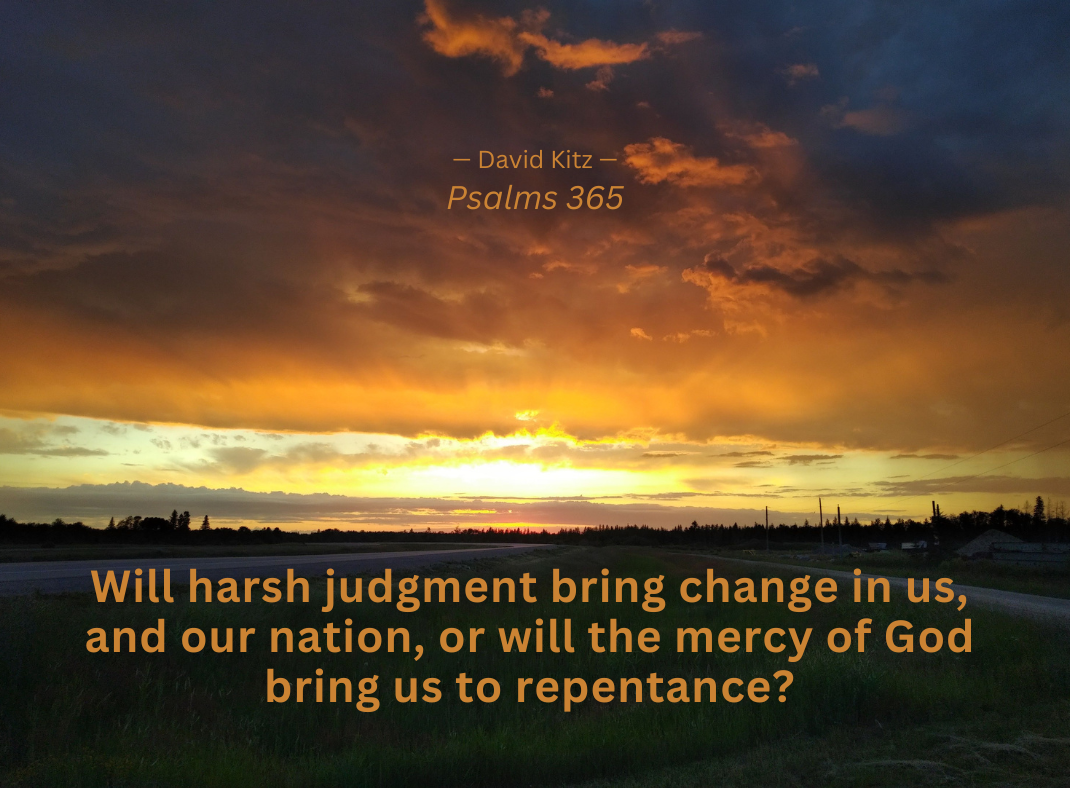
From its inception the Jewish nation flirted with idolatry. While Moses was receiving the Ten Commandments, the people were reveling before a golden calf. King Solomon set up idols in Jerusalem so his foreign wives could worship their gods. See 1 Kings 11:1-8. This duplicity continued generation after generation until the Babylonians swept in and destroyed Jerusalem. Harsh judgment brought change. Will harsh judgment bring change in us, or will the mercy of God bring us to repentance?

Response: Father God, I don’t want to learn things the hard way. I want to be quick to obey you. Help me to learn from the lessons of history. You are the one, true God. I worship you. Amen.

Your Turn: How faithful are you to the LORD? Do other interests draw you away?

[1] K.R. “Dick” Iverson, Spirit Filled Life Bible, New King James Version, Jack W. Hayford, General Editor, Thomas Nelson Publishers, Nashville, TN, 1991, p. 750.

Para la publicación de Salmos 365 de hoy en español haga clic aquí.

bgbg_v4.3_1501818
* NEW INTERNATIONAL VERSION, COPYRIGHT ©1973, 1978, 1984, 2011 BY BIBLICA


Please pray for peace to return to Israel, Gaza, and Ukraine!

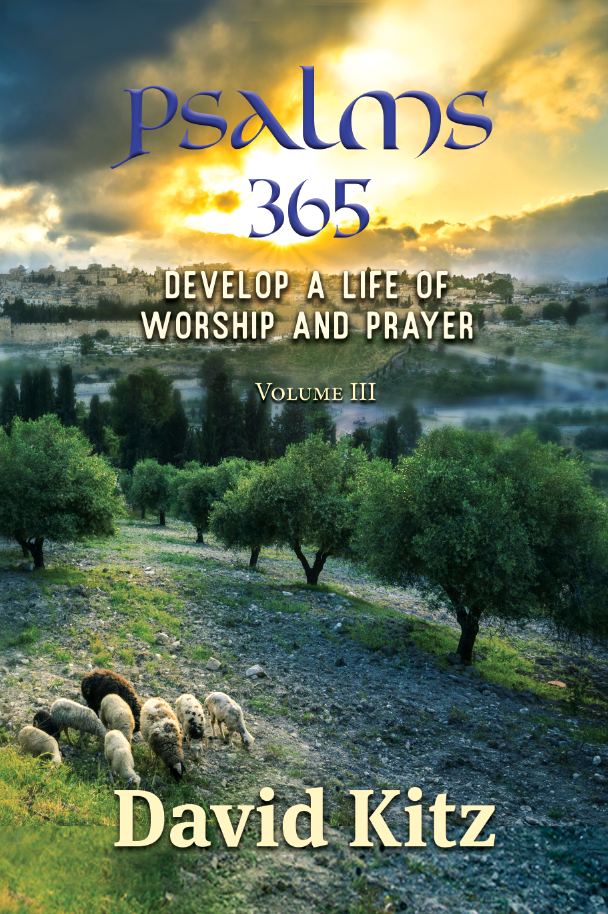
Volume I of Psalms 365: Develop a Life of Worship and Prayer won the Best Book of the Year Award from The Word Guild and Volume II has won the Best Devotional of the Year Award. For those who love God’s word, this three-book series is an ideal way to daily meet with the Lord. To purchase or for a closer look click here.

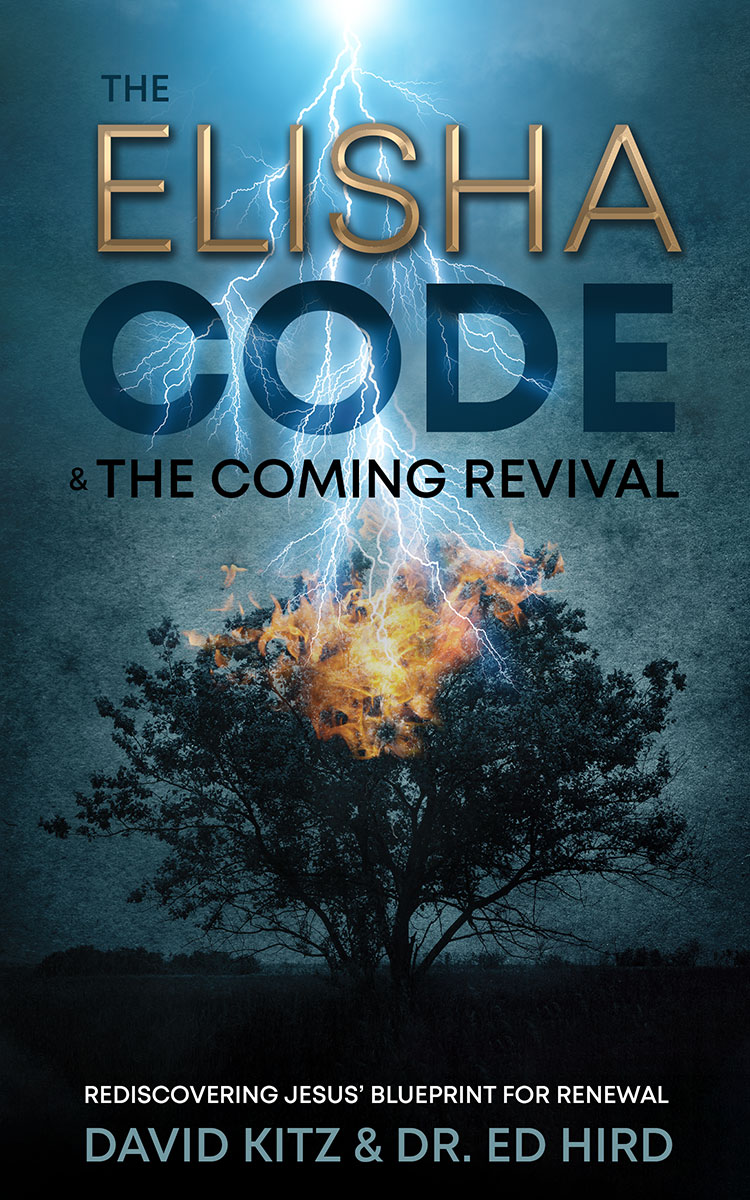
A gripping read from David Kitz.
Is a return-to-Jesus revival possible in our time?
This book points the way forward.
For details click here.

A Healthy Dose of Godly Fear

03 Tuesday Jun 2025

Posted by davidkitz in Psalm 111

≈ Leave a comment

Tags

Bible, consequences of sin, faith, fearing God, God, godly fear, holy, Jesus, Old Testament, Prayer, Psalms, Ten Commandments, the LORD

Today’s Devotion from Psalms 365 by David Kitz

Reading: Psalm 111

Praise the LORD!
I will give thanks to the L
ORD with my whole heart,
    in the company of the upright, in the congregation.
Great are the works of the L
ORD, studied by all who delight in them.
Full of honor and majesty is his work,
    and his righteousness endures forever.
He has gained renown by his wonderful deeds;
    the L
ORD is gracious and merciful.
He provides food for those who fear him; he is ever mindful of his covenant.
He has shown his people the power of his works,
    in giving them the heritage of the nations.
The works of his hands are faithful and just; all his precepts are trustworthy.
They are established forever and ever,
    to be performed with faithfulness and uprightness.
He sent redemption to his people; he has commanded his covenant forever.
    Holy and awesome is his name.
The fear of the L
ORD is the beginning of wisdom;
    all those who practice it have a good understanding.
    His praise endures forever
(NIV). *

The eyes of the LORD are on those who fear him — photo by David Kitz

Reflection
If the beginning of wisdom is the fear of the LORD, what is the end point or objective of this inducement to wisdom? I have often heard it argued that the fear of the LORD, which is frequently extolled in the Old Testament, has little to do with the common meaning for fear. We are to reverence or be in awe of the LORD, not be afraid of Him. To an extent this is true; however, I suspect we often push this fearless approach to God too far. The Lion of the Tribe of Judah is not toothless. He has claws.

A healthy dose of godly fear can prevent a massive case of sin enslavement and heartache.

The reaction of God’s people when the Ten Commandments were given at Mount Sinai is well worth noting. When the people saw the thunder and lightning and heard the trumpet and saw the mountain in smoke, they trembled with fear. They stayed at a distance and said to Moses, “Speak to us yourself and we will listen. But do not have God speak to us or we will die” (Exodus 20:18-19).

The very human fear expressed in this Exodus passage went well beyond a sense of awe and wonder. This was knee-buckling, heart-racing fear—the kind of fear that makes us dread doing anything that might offend this all-knowing, all-seeing, holy God. That’s a healthy fear—a fear that helps us to live and walk straight. Why would God want to induce this kind of fear?

God wants us to fear Him because He loves us. He wants to spare us from the agony of the terrible consequences of sin. A healthy fear of God leads us to an awe-induced love for Him. Now that’s wisdom.

Response: Father God, help me see your love for me in your commandments. In love, you correct me when I stray. Grant me understanding that comes through a healthy fear and love for you. Amen.

Your Turn: What does fearing God mean to you? Is God your chum, your friend, or your master?

Para la publicación de Salmos 365 de hoy en español haga clic aquí.

bgbg_v4.3_1501818
* NEW INTERNATIONAL VERSION, COPYRIGHT ©1973, 1978, 1984, 2011 BY BIBLICA

Please pray for peace to return to Israel, Gaza, and Ukraine!

Volume I of Psalms 365: Develop a Life of Worship and Prayer won the Best Book of the Year Award from The Word Guild and Volume II has won the Best Devotional of the Year Award. For those who love God’s word, this three-book series is an ideal way to daily meet with the Lord. To purchase or for a closer look click here.

A gripping read from David Kitz.
Is a return-to-Jesus revival possible in our time?
This book points the way forward.
For details click here.

A Healthy Dose of Fear

09 Tuesday Jan 2024

Posted by davidkitz in Psalm 111

≈ Leave a comment

Tags

fear of God, fearing God, holy, Ten Commandments, wisdom

Reading: Psalm 111
Praise the LORD!
I will give thanks to the L
ORD with my whole heart,
in the company of the upright, in the congregation.
Great are the works of the L
ORD, studied by all who delight in them.
Full of honor and majesty is his work,
and his righteousness endures forever.
He has gained renown by his wonderful deeds;
the L
ORD is gracious and merciful.
He provides food for those who fear him; he is ever mindful of his covenant.
He has shown his people the power of his works,
in giving them the heritage of the nations.
The works of his hands are faithful and just; all his precepts are trustworthy.
They are established forever and ever,
to be performed with faithfulness and uprightness.
He sent redemption to his people; he has commanded his covenant forever.
Holy and awesome is his name.
The fear of the L
ORD is the beginning of wisdom;
all those who practice it have a good understanding.
His praise endures forever
(NIV). *

img_20230114_1430091

Light of life shine down — photo by David Kitz

Reflection
If the beginning of wisdom is the fear of the LORD, what is the end point or objective of this inducement to wisdom? I have often heard it argued that the fear of the LORD, which is frequently extolled in the Old Testament, has little to do with the common meaning for fear. We are to reverence or be in awe of the LORD, not be afraid of Him. To an extent this is true; however, I suspect we often push this fearless approach to God too far. The Lion of the Tribe of Judah is not toothless. He has claws.

A healthy dose of godly fear can prevent a massive case of sin enslavement and heartache.

The reaction of God’s people when the Ten Commandments were given at Mount Sinai is well worth noting. When the people saw the thunder and lightning and heard the trumpet and saw the mountain in smoke, they trembled with fear. They stayed at a distance and said to Moses, “Speak to us yourself and we will listen. But do not have God speak to us or we will die” (Exodus 20:18-19).

The very human fear expressed in this Exodus passage went well beyond a sense of awe and wonder. This was knee-buckling, heart-racing fear—the kind of fear that makes us dread doing anything that might offend this all-knowing, all-seeing, holy God. That’s a healthy fear—a fear that helps us to live and walk straight. Why would God want to induce this kind of fear?

God wants us to fear Him because He loves us. He wants to spare us from the agony of the terrible consequences of sin. A healthy fear of God leads us to an awe-induced love for Him. Now that’s wisdom.

Response: Father God, help me see your love for me in your commandments. In love, you correct me when I stray. Grant me understanding that comes through a healthy fear and love for you. Amen.

Your Turn: What does fearing God mean to you? Is God your chum, your friend, or your master?

* NEW INTERNATIONAL VERSION, COPYRIGHT ©1973, 1978, 1984, 2011 BY BIBLICA

BGBG_v4.3_150[1818]

Please pray for peace to return to Israel and Ukraine!

Volume I of Psalms 365: Develop a Life of Worship and Prayer won the Best Book of the Year Award from The Word Guild and Volume II has won the Best Devotional of the Year Award. For those who love God’s word, this three-book series is an ideal way to daily meet with the Lord. To purchase or for a closer look click here.TheElishaCodeCVR5

To purchase or for a closer look click here.

The Song of the Homesick Captive

09 Wednesday Nov 2022

Posted by davidkitz in Psalm 137, Psalms

≈ 2 Comments

Tags

Holy Land, Old Testament, Ten Commandments

Reading: Psalm 137:1-6
By the rivers of Babylon we sat and wept
when we remembered Zion.
There on the poplars we hung our harps,
 for there our captors asked us for songs,
our tormentors demanded songs of joy;
they said, “Sing us one of the songs of Zion!”
How can we sing the songs of the LORD
while in a foreign land?
If I forget you, Jerusalem,
may my right hand forget its skill.
May my tongue cling to the roof of my mouth
if I do not remember you,
if I do not consider Jerusalem my highest joy
(NIV) *

img_20221021_1333186

Photo by David Kitz

Reflection
It’s difficult to pinpoint the time in history when many of the Psalms were written. Many scholars believe that the Old Testament was compiled over a period of about 900 to 1,000 years. As for the Book of Psalms, there is considerable evidence to suggest that psalms were collected from three distinct periods: the reign of King David (1 Chronicles 23:5), the rule of Hezekiah (2 Chronicles 29:30), and during the leadership of Ezra and Nehemiah (Nehemiah 12:24).[1]

Psalm 137 is distinct, because we can tell from its content that this psalm was written early during the period of the Babylonian exile. Memories of Nebuchadnezzar’s destruction of Jerusalem in 586 BC were still fresh—etched with bitterness and pain in the mind of the author.

There are two great pivot points in the history of Old Testament Israel. The first is the liberation of Israel from Egypt and the subsequent conquest of the holy land. The second is the destruction of Jerusalem and the temple, which was followed by the seventy-year exile in Babylon. The mercy and power of God brought about the first pivotal event. The disobedience and idolatry of man set in motion the catastrophe of the second event.

From its inception the Jewish nation flirted with idolatry. While Moses was receiving the Ten Commandments, the people were reveling before a golden calf. King Solomon set up idols in Jerusalem so his foreign wives could worship their gods. See 1 Kings 11:1-8. This duplicity continued generation after generation until the Babylonians swept in and destroyed Jerusalem. Harsh judgment brought change. Will harsh judgment bring change in us, or will the mercy of God bring us to repentance?

Response: Father God, I don’t want to learn things the hard way. I want to be quick to obey you. Help me to learn from the lessons of history. You are the one, true God. I worship you. Amen.

Your Turn: How faithful are you to the LORD? Do other interests draw you away?

[1] K.R. “Dick” Iverson, Spirit Filled Life Bible, New King James Version, Jack W. Hayford, General Editor, Thomas Nelson Publishers, Nashville, TN, 1991, p. 750.

* NEW INTERNATIONAL VERSION, COPYRIGHT ©1973, 1978, 1984, 2011 BY BIBLICA

BGBG_v4.3_150[1818]

Please pray for the people of Ukraine!

Volume I of Psalms 365: Develop a Life of Worship and Prayer won the Best Book of the Year Award from The Word Guild and Volume II has won the Best Devotional of the Year Award. For those who love God’s word, this three-book series is an ideal way to daily meet with the Lord. To purchase or for a closer look click here.
I Envied the Arrogant

01 Monday Jan 2018

Posted by davidkitz in Bible, Devotionals, Psalm 73, Psalms

≈ 5 Comments

Tags

arrogant, attitude, covet, covetousness, envy, God, prosperity, prosperity of the wicked, psalmist, Ten Commandments

Reading:                                      Psalm 73

A psalm of Asaph
(Verses 1-11)
Surely God is good to Israel,
to those who are pure in heart.
But as for me, my feet had almost slipped;
I had nearly lost my foothold.
For I envied the arrogant
when I saw the prosperity of the wicked.
They have no struggles; their bodies are healthy and strong.
They are free from common human burdens;
they are not plagued by human ills.
Therefore pride is their necklace;
they clothe themselves with violence.
From their callous hearts comes iniquity;
their evil imaginations have no limits.
They scoff, and speak with malice;
with arrogance they threaten oppression.
Their mouths lay claim to heaven,
and their tongues take possession of the earth.
Therefore their people turn to them
and drink up waters in abundance.
They say, “How would God know?
Does the Most High know anything?”
(NIV).

Reflection
The last of the Ten Commandments warns us against the sin of covetousness. In one important respect this commandment is different from the other nine. Covetousness or envy is a sin of the mind. It is theft in germ form. It is the seed thought of adultery. Envy is the precondition of a sinful act, not the act itself.

2017-12-30

Frozen apples on a neighbor’s apple tree — photo by David Kitz

Here in Psalm 73 the psalmist catches himself on a slippery slope leading to a more serious sin. But as for me, my feet had almost slipped; I had nearly lost my foothold. For I envied the arrogant, when I saw the prosperity of the wicked.

I certainly can identify with the psalmist. I think we all have had moments when we thought in our hearts that God is not fair. Why is that person prospering when I am not? To the best of my abilities I am doing everything right—by the book—yet the road is hard and the rewards are meagre. Meanwhile, arrogant unbelievers are prospering—seemingly blessed by God. Where is the justice in that?

The root issue here is envy—our envy. God is not accountable to us; we are accountable to Him. Our hearts need tending, not God’s heart. In His time and His way God will deal with the arrogant and evil person. It’s my responsibility to deal with my thoughts and the attitude of my heart.

Response: LORD God, as I begin this new year help me to tend to the garden of my own heart. When envy raises its head, help me to decapitate that thought. I fix my affections on you and not the things of this world. Amen.

Your Turn: Do you have moments of envy? What works for you in countering such thoughts?

The Song of the Homesick Captive

14 Tuesday Mar 2017

Posted by davidkitz in Psalm 137, Psalms

≈ 1 Comment

Tags

Babylon, David Kitz, history, idolatry, Israel, Jewish nation, King Solomon, Moses, Old Testament, Psalms, Ten Commandments

Reading:                                         Psalm 137

(Verses 1-6)

By the rivers of Babylon we sat and wept
when we remembered Zion.
There on the poplars we hung our harps,
 for there our captors asked us for songs,
our tormentors demanded songs of joy;
they said, “Sing us one of the songs of Zion!”

How can we sing the songs of the LORD
while in a foreign land?
If I forget you, Jerusalem,
may my right hand forget its skill.
May my tongue cling to the roof of my mouth
if I do not remember you,
if I do not consider Jerusalem
my highest joy
(NIV)

Reflection

It’s difficult to pinpoint the time in history when many of the Psalms were written. Many scholars believe that the Old Testament was compiled over a period of about 900 to 1,000 years. As for the Book of Psalms, there is considerable evidence to suggest that psalms were collected from three distinct periods: the reign of King David (1 Chronicles 23:5), the rule of Hezekiah (2 Chronicles 29:30), and during the leadership of Ezra and Nehemiah (Nehemiah 12:24).[1]

img_20160928_182728_hdr

There on the poplars we hung our harps — photo by David Kitz

Psalm 137 is distinct, because we can tell from its content that this psalm was written early during the period of the Babylonian exile. Memories of Nebuchadnezzar’s destruction of Jerusalem in 586 BC were still fresh—etched with bitterness and pain in the mind of the author.

There are two great pivot points in the history of Old Testament Israel. The first is the liberation of Israel from Egypt and the conquest of the holy land. The second is the destruction of Jerusalem and the temple, and the subsequent seventy-year exile in Babylon. The mercy and power of God brought about the first pivotal event. The disobedience and idolatry of man set in motion the catastrophe of the second event.

From its inception the Jewish nation flirted with idolatry. While Moses was receiving the Ten Commandments, the people were reveling before a golden calf. King Solomon set up idols in Jerusalem so his foreign wives could worship their gods. See 1 Kings 11:1-8. This duplicity continued generation after generation until the Babylonians swept in and destroyed Jerusalem. Judgment brought change.

Response: Father God, I don’t want to learn things the hard way. I want to be quick to obey you. Help me to learn from the lessons of history. You are the one, true God. I worship you. Amen.

Your Turn: How faithful are you to the LORD? Do other interests draw you away?

[1] K.R. “Dick” Iverson, Spirit Filled Life Bible, New King James Version, Jack W. Hayford, General Editor, Thomas Nelson Publishers, Nashville, TN, 1991, p. 750.


Envying the Arrogant

15 Tuesday Mar 2016

Posted by davidkitz in Psalm 73, Psalms

≈ 2 Comments

Tags

covet, envy, God, Ottawa, Rideau Falls, sin, slippery slope, Ten Commandments

Reading:                                      Psalm 73

A psalm of Asaph

Verses 1-11

Surely God is good to Israel,
to those who are pure in heart.

But as for me, my feet had almost slipped;
I had nearly lost my foothold.
For I envied the arrogant
when I saw the prosperity of the wicked.

They have no struggles; their bodies are healthy and strong.
They are free from common human burdens;
they are not plagued by human ills.
Therefore pride is their necklace;
they clothe themselves with violence.
From their callous hearts comes iniquity;
their evil imaginations have no limits.
They scoff, and speak with malice;
with arrogance they threaten oppression.
Their mouths lay claim to heaven,
and their tongues take possession of the earth.
Therefore their people turn to them
and drink up waters in abundance.
They say, “How would God know?
Does the Most High know anything?”
(NIV).

Reflection

The last of the Ten Commandments warns us against the sin of covetousness. In one important respect this command is different from the other nine. Covetousness or envy is a sin of the mind. It is theft in germ form. It is the seed thought of adultery. Envy is the precondition of a sinful act, not the act itself.

IMG_20140529_163407

Rideau Falls, Ottawa, ON — photo by David Kitz

Here in Psalm 73 the psalmist catches himself on a slippery slope to more serious sin. But as for me, my feet had almost slipped; I had nearly lost my foothold. For I envied the arrogant, when I saw the prosperity of the wicked.

I certainly can identify with the psalmist. I think we all have had moments when we thought in our hearts that God is not fair. Why is that person prospering when I am not? To the best of my abilities I am doing everything right and yet the road is hard. Meanwhile, arrogant unbelievers are prospering—seemingly blessed by God. Where is the justice in that?

The root issue here is envy—our envy. God is not accountable to us; we are accountable to Him. Our hearts need tending, not God’s heart. In His time and His way God will deal with the arrogant and evil person.

Response: LORD God, help me to tend to the garden of my own heart. When envy raises its head, help me to decapitate that thought. I fix my affections on you and not the things of this world. Amen.

Your Turn: Do you have moments of envy? What works for you in countering those thoughts?

Psalms 365: Develop a Life of Worship and Prayer

Psalms 365 Volume II

Psalms 365 vol 3
— Psalms 365 Volume III

Psalms

Recent posts

  • Ready for the King of Glory December 19, 2025
  • My Spirit Rejoices in God My Savior December 18, 2025
  • Joining the Generation That Seeks God December 18, 2025
  • Why Am I So Favored December 17, 2025
  • How Can You Find the Good Life? December 17, 2025
  • The Power of the Most High December 16, 2025
  •  The Earth Turns to the LORD December 16, 2025

Calendar

December 2025
M T W T F S S
1234567
891011121314
15161718192021
22232425262728
293031  
« Nov    

Blog Posts

Comments

  • davidkitz on Joining the Generation That Seeks God
  • cjsmissionaryminister on God Sent His Son
  • cjsmissionaryminister on The God of the Broken

Blog at WordPress.com.

Privacy & Cookies: This site uses cookies. By continuing to use this website, you agree to their use.
To find out more, including how to control cookies, see here: Cookie Policy
  • Subscribe Subscribed
    • I love the Psalms
    • Join 1,378 other subscribers
    • Already have a WordPress.com account? Log in now.
    • I love the Psalms
    • Subscribe Subscribed
    • Sign up
    • Log in
    • Report this content
    • View site in Reader
    • Manage subscriptions
    • Collapse this bar
 

Loading Comments...