• Home
  • About
  • DavidKitz.ca
  • Youtube Videos
  • Books by David
  • Books on Amazon.com

I love the Psalms

~ Connecting daily with God through the Psalms

I love the Psalms

Tag Archives: church

Opening Blind Eyes

12 Sunday Oct 2025

Posted by davidkitz in The Elisha Code

≈ 2 Comments

Tags

apostles, blind, church, Elisha, Jesus, New Testament, Old Testament history, Pharisees, prophetic, prophets, repentance, spirtual blindness

In that day the deaf will hear the words of the scroll,
and out of gloom and darkness the eyes of the blind will see.
(Isaiah 29:18, NIV)

In 1546, the English writer and poet, John Heywood, penned this proverb, “There are none so blind as those who will not see.”[i]
            Heywood’s proverb is as relevant to our times as it was in his day. The most damaging condition modern humanity suffers from is spiritual blindness. But alas, this condition has been afflicting humans since we exited Eden.
            Perhaps no biblical account portrays spiritual blindness better than the story of Elisha and his servant as they are trapped in the besieged city of Samaria. On the first morning of the siege, Elisha’s servant panicked when he saw the foreign army, but the prophet responded with these words:

             “Don’t be afraid,” the prophet answered. “Those who are with us are more than those who are with them.”
             And Elisha prayed, “Open his eyes, LORD, so that he may see.” Then the LORD opened the servant’s eyes, and he looked and saw the hills full of horses and chariots of fire all around Elisha
(2 Kings 6:16-17, NIV).

            As is so often the case, the servant was blind to the spiritual realm. Today, the servants of God suffer from the same short-sightedness. It took the prayer of Elisha to open the servant’s eyes. In our day, it also takes the Holy Spirit and present-day prophets to open our eyes.  
            This eye-opening miracle was paired with a mass-blinding miracle on an unprecedented scale.

             As the enemy came down toward him, Elisha prayed to the Lord, “Strike this army with blindness.” So he struck them with blindness, as Elisha had asked.
            Elisha told them, “This is not the road and this is not the city. Follow me, and I will lead you to the man you are looking for.” And he led them to Samaria
(2 Kings 6:18-19, NIV).

          Elisha led the enemy army into the presence of the king of Israel in the heart of the capital. The king then inquired if he should slaughter his enemies. But Elisha counseled kindness rather than retribution, and a feast was prepared for the Aramean army. This act of unprecedented grace and generosity led to a time of peace between these two warring nations (2 Kings 6:23).
            Eight centuries before Christ, Elisha’s advice to the king puts into practice the words of Jesus from his Sermon on the Mount. 

           “But to you who are listening I say: Love your enemies, do good to those who hate you, bless those who curse you, pray for those who mistreat you. If someone slaps you on one cheek, turn to them the other also. If someone takes your coat, do not withhold your shirt from them. Give to everyone who asks you, and if anyone takes what belongs to you, do not demand it back. Do to others as you would have them do to you (Luke 6:27-31).

          There is an uncanny link between Elisha, the Old Testament prophet, and Jesus, his New Testament counterpart. Both men see beyond the natural realm to the astonishment of the people of their day, and both prophets counsel kindness rather than revenge in dealing with enemies.
            Though there are many outstanding miracles recorded in the Old Testament, there is no account of the physically blind receiving their sight. Yet, time after time in the Gospels, Jesus restored sight to the blind.[ii] These physical miracles were signposts pointing to an even more significant restoration of sight—the restoration of spiritual eyesight—eyesight that allows us to see who Jesus truly is and what he is doing.
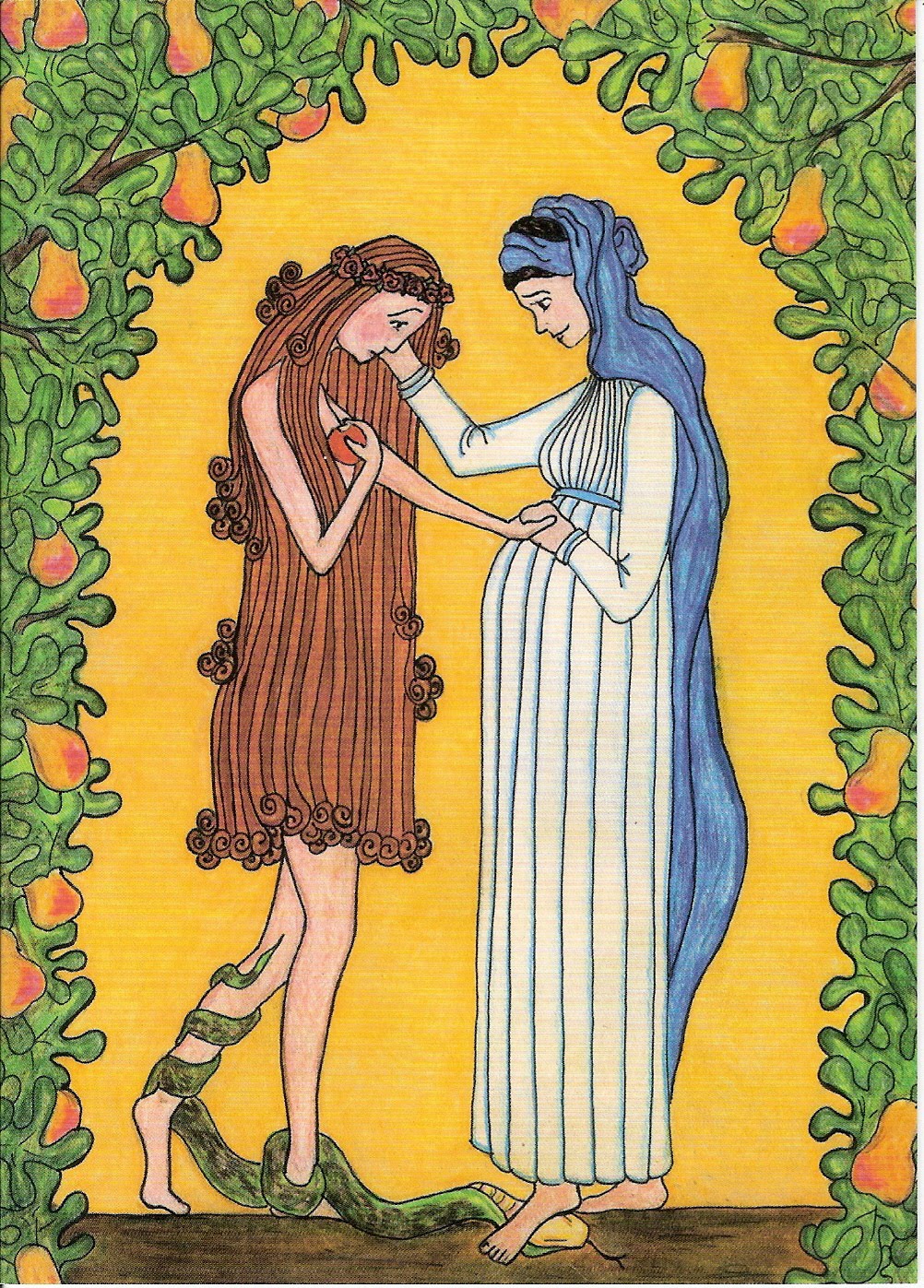
            The account of Jesus healing the blindman at the Pool of Siloam is entirely about opening the eyes of those who are both physically and spiritually blind. (See John 9.) The man who received his sight was blind from birth. This was not simply a miracle of restoration. It was a creative miracle, on par with the Adam and Eve account in Genesis 2, as Jesus so aptly demonstrated.

              While I am in the world, I am the light of the world.”
 After saying this, he spit on the ground, made some mud with the saliva, and put it on the man’s eyes. “Go,” he told him, “wash in the Pool of Siloam” (this word means “Sent”). So the man went and washed, and came home seeing
(John 9:5-7, NIV).

             Jesus opened the eyes of the blindman, but as the story continues, we see he is unable to open the eyes of the spiritually blind Pharisees. John Heywood’s proverb proves true, “There are none so blind as those who will not see.”
            The Pharisees in this account were wilfully blind. Many today suffer from the same willful blindness. Due to their stubborn hearts, they are unable to see who Jesus truly is.
            The entirety of John 9 is about seeing—seeing and recognizing who Jesus is. The miracle of the man blind from birth receiving his sight should have alerted the Pharisees and temple authorities to the divine nature of Jesus, the miracle worker. But the Pharisees could not see past the fact this miracle had been wrought on the Sabbath. The miracle worker had violated the Sabbath, so they reasoned, he must be a sinner and unworthy of respect.

                 Then they turned again to the blind man, “What have you to say about him? It was your eyes he opened.”
               
The man replied, “He is a prophet.” (John 9:17, NIV)

                The healed blindman stated what was patently obvious to him. He recognized that he had been touched by the hand of God. He saw Jesus as a prophet. All of Israel was waiting expectantly for a prophet—a prophet who would once again demonstrate the power of the Almighty. Surely, restoring sight to one who was born blind was a demonstration of this power. But the Pharisees questioned the validity of the miracle and the miracle worker.
                Why were many Pharisees so spiritually blind? Despite the evidence of multiple miracles, they were unwilling to recognize Jesus as a prophet. But this blindness was not a new condition. They had already rejected John the Baptist the forerunner of the Messiah. They refused to recognize John as a prophet too. See Matthew 21:25-27.
                And why did most Pharisees reject John the Baptist? The simple answer is because John preached a message of repentance. Repentance requires an acknowledgement of sin and a turning away from it. But the Pharisees, like many people nowadays, saw themselves as righteous already. They were blind to their sin, so they saw no need for repentance. Furthermore, repentance requires humility, a character quality they shunned in favor of obstinate pride—pride in their self-professed righteousness.
                Because the Pharisees did not recognize the first prophet, John, they were blind to the second prophet, Jesus. But Jesus was far more than a prophet. As his name implies, he was and is the Savior of the world. But the proud and the self-righteous have no felt need for a Savior. They see themselves as saved already—saved through their own efforts. In their own eyes—their spiritually blind eyes—they see no need for a Savior.
                This same spiritual blindness afflicts many in both the church and society today. The cure for spiritual blindness is repentance and rebirth by the power of the Holy Spirit. That was the message of our two New Testament prophets John the Baptist and Jesus.
                A gospel message that is preached without a call to repentance is not a gospel message at all. Coming to faith in Jesus requires—no, demands repentance. Real repentance is real change. Change from the inside out. Change that is deep, meaningful, and evident in daily life.
                John demanded change from those who came to be baptized, whatever their station in life, and that included Pharisees who in their pride believed no change was required. See Matthew 3:1-12.
                Furthermore, we should not see repentance simply as a one-time occurrence. Yes, it is the vital starting point in our walk of faith,[iii] but true repentance goes far beyond that. Repentance must be incorporated into our way of life—a life of continual turning away from sin and living in humble service to our Savior-King.[iv]
                Though the blindman received his sight, the Pharisees persisted in their spiritual blindness even though the miracle-working Savior was standing before them. 

                 Jesus said, “For judgment I have come into this world, so that the blind will see and those who see will become blind.”
                Some Pharisees who were with him heard him say this and asked, “What? Are we blind too?”
                Jesus said, “If you were blind, you would not be guilty of sin; but now that you claim you can see, your guilt remains.
(John 9:39-41, NIV)  

                For the Pharisees of Jesus day and the spiritually blind of our day, this maxim holds true: If we don’t recognize the prophet, we won’t recognize the Savior.
                Jesus’ words remain relevant today:      

                Whoever welcomes a prophet as a prophet will receive a prophet’s reward, and whoever welcomes a righteous person as a righteous person will receive a righteous person’s reward. (Matthew 10:41, NIV)

                The voice of the prophet is needed today just as it was in Jesus’ day. A national call to repentance is needed now. Who will voice that call? Where are the prophets for our time?
                The relative absence of legitimate prophetic voices in the church today should trouble us. There was a four-hundred-year prophetic gap between the Old and New Testament—a gap when the Spirit of God was silent. But then suddenly John the Baptist and Jesus appeared on the scene. The first two chapters of Luke describe an astonishing flurry of Spirit initiated activity as heaven set the great redemption story into motion. Will there be a similar flood of Spirit directed activity before Christ’s second coming?
                It is clear from the Scriptures prophets were active within the New Testament church, and furthermore, Paul considered them essential to the proper functioning of the body of Christ.

               So Christ himself gave the apostles, the prophets, the evangelists, the pastors and teachers, to equip his people for works of service, so that the body of Christ may be built up until we all reach unity in the faith and in the knowledge of the Son of God and become mature, attaining to the whole measure of the fullness of Christ. (Ephesians 4:11-13, NIV)

                In Acts we read that there were numerous prophets active in the church. Some of them are listed by name. They include Agabus, Barnabas, Simeon called Niger, Lucius of Cyrene, Manaen, and Saul.[v] This Saul is also known as Paul, and he and Barnabas were commissioned by the church leadership in Antioch to go on the first great missionary journey (Acts 13:1-3).
                Where would the church be today if these prophets had not spoken the word of the Lord over Paul and Barnabas? Would there be a church in Europe? Would we even know of the ministry of Paul? The New Testament church grew as it received prophetic direction from those who were tuned to hear the plans of God.

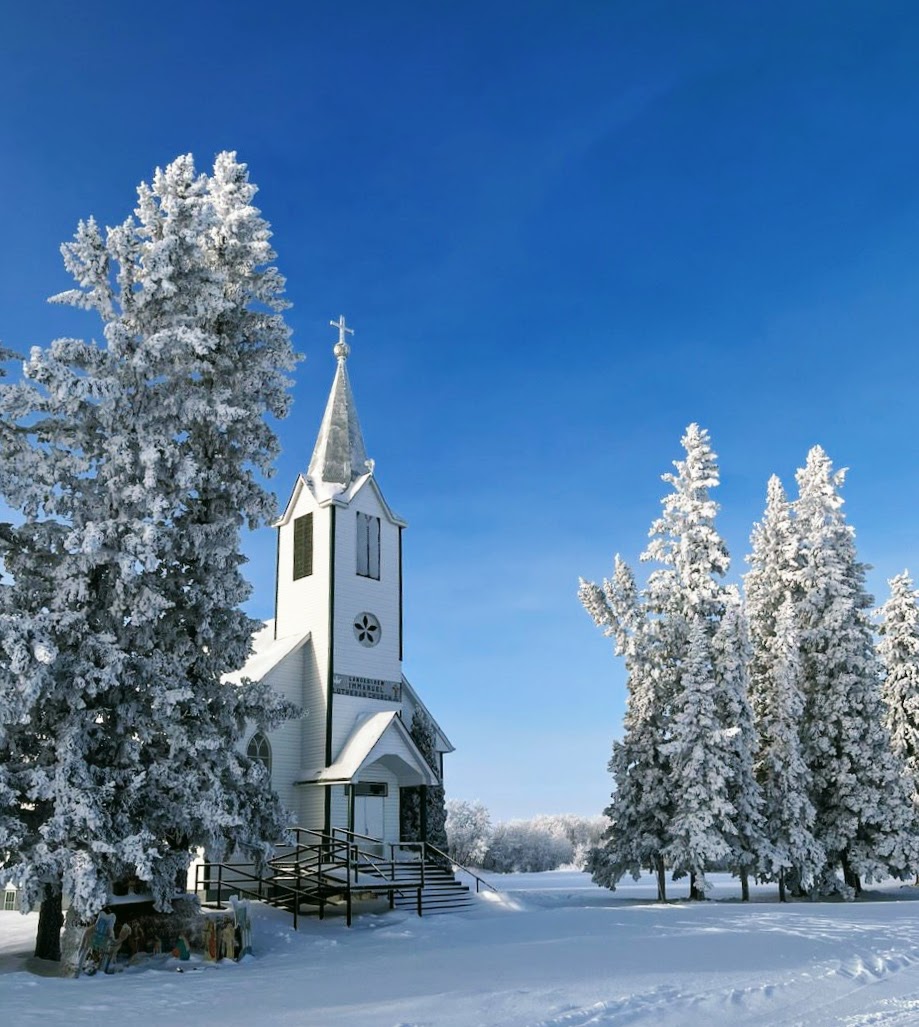
Landestreu Church

                The church of God grows and flourishes when there are men and women who hear what the Spirit is saying, see what the Spirit is doing, and then declare it to the church and the world. That is the role of the prophet.
                We need leaders with prophetic hindsight, insight, and foresight for the church to reach its full potential.
                Prophetic vision is not always forward looking or predictive. Sometimes it looks back at events in the past and sees them with heaven-endowed clarity. For example, Jesus spoke to the Samaritan woman at the well about her past marriages and current living arrangement (John 4:15-19). As a result, the Samaritan woman immediately recognized Jesus as a prophet. This gift of prophetic hindsight was pivotal in this entire community coming to faith.

                Many of the Samaritans from that town believed in him because of the woman’s testimony, “He told me everything I ever did.” So when the Samaritans came to him, they urged him to stay with them, and he stayed two days. And because of his words many more became believers. (John 4:39-41, NIV)

                The same prophetic hindsight is need today to capture the attention of individuals and reach whole communities estranged from Christ and the gospel.
                A word of caution is in order. Not all who call themselves prophets or apostles are prophets and apostles. A true prophet or apostle will be known by the fruit of their ministry, not by the self-styled handle on their business card. There have been false prophets throughout history. We should not be surprised when we see a raft of them emerge today. But the emergence of the counterfeit should not keep us from heeding those who genuinely hear from God and declare his word.
                Paul’s admonition to the Thessalonians remains valid:

                Do not quench the Spirit. Do not despise prophecies. Test all things; hold fast what is good. Abstain from every form of evil. (1 Thessalonians 5:19-22, NKJV)

                Humility and service to others are the hallmarks of genuine faith. Pride and self-aggrandizement are flashing red lights signalling error and deception. Know the Scriptures, heed the Spirit, and proceed with caution. God guides those who humbly seek him. Jesus still opens the eyes of the blind and he still uses prophetic voices to do just that.
                The third key that helps us unlock the Elisha code is prophetic vision or spiritual insight. It is vitally needed today.

[i] Who wrote the proverb “There are… | Trivia Answers | QuizzClub

[ii] Matthew 12:22, Matthew 15:30, Mark 8:22-26, Mark 10:46-52, Luke 7:2, John 9

[iii] Peter replied, “Repent and be baptized, every one of you, in the name of Jesus Christ for the forgiveness of your sins. And you will receive the gift of the Holy Spirit (Acts 2:28, NIV).

[iv] If we claim to be without sin, we deceive ourselves and the truth is not in us. If we confess our sins, he is faithful and just and will forgive us our sins and purify us from all unrighteousness. If we claim we have not sinned, we make him out to be a liar and his word is not in us (1 John 1:8-10, NIV).

[v] Acts 11:27-28, Acts 13:1-3, Acts 15:32, Acts 21:8-10

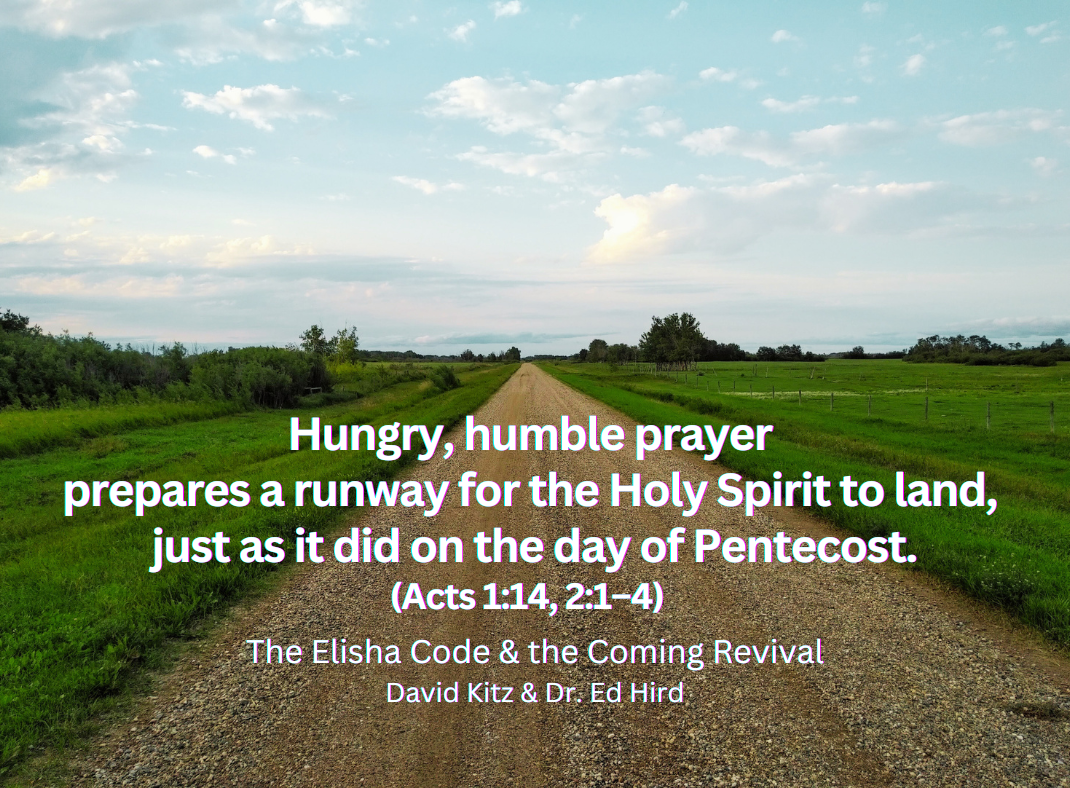
This is the fifth weekly excerpt from the award-winning book 
The Elisha Code & the Coming Revival 

A soul-gripping read.
Is a return-to-Jesus revival possible in our time?
This book points the way forward.
For details click here.

Introduction to “The Elisha Code”

14 Sunday Sep 2025

Posted by davidkitz in The Elisha Code

≈ Leave a comment

Tags

anointing, Bible, biblical truth, Christ's miracles, church, church history, disciples, Jesus, Martin Luther, miraculous, mission, pestilence, political turmoil, prophet, revival

Discovering Jesus Blueprint for Renewal

By
David Kitz & Dr. Ed Hird

Is there a hidden code to the Bible? Is there some secret interpretation—hidden in plain sight—that we have been missing for generations? If so, what is it, and what are the implications for Christians today?

The book you are holding cracks the code—the code Jesus revealed to his disciples. Furthermore, it signals the pattern for the coming global revival—revivals that may well be marked by miraculous signs and wonders on an unprecedented scale.

We live in dark times—times of fear, pestilence, national and international intrigue, and political turmoil. Many are in despair. But into this darkness, the prophet Isaiah speaks:

         “The land of Zebulun and the land of Naphtali, 
           By the way of the sea, beyond the Jordan,
           Galilee of the Gentiles:
           The people who sat in darkness have seen a great light,
           And upon those who sat in the region and shadow of death
           Light has dawned” (Matthew 4:15-16, NKJV).

At the darkest time, in the darkest region, Jesus appeared on the scene. There he began his ministry. In these dark and divided times, as the truth of the Elisha Code is brought to light, we too will see Jesus revealing his grace and power among us.

Throughout the centuries-long history of the church, biblical truths have been lost—lost through sin, unbelief, and neglect—later to be rediscovered by thirsty souls searching for transformative change in dark times. Martin Luther triggered the reformation with his rediscovery of the truth of salvation by faith through grace. The truth of sanctification triggered the Great Awakening and the Methodist renewal with revival-fire starters such as the Wesley brothers, George Whitefield, and John Newton. The twentieth century began with a fresh outpouring of the Holy Spirit as the truths of Pentecost were brought to the fore through the globe-spanning Welsh revival and the Azusa Street outpouring.

When biblical truth is restored, revival often follows. A harvest of souls is swept into the Kingdom of God, as surely as the morning dawns on a new day.

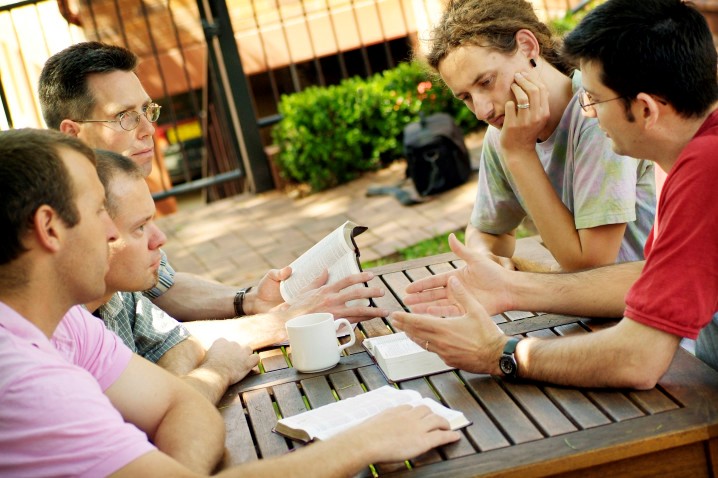
Sydney Missionary Bible College (Flickr CC).

Let’s return to his Holy Word and uncover the foundation Jesus has already laid. Let’s return to truths we have overlooked for far too long. Jesus is the Master Builder of the church. By studying his earthly ministry, we can discover the blueprint he was following to launch and establish the church of the first century. It is a blueprint that is patterned after the prophetic Old Testament ministries of Elijah and Elisha.

Within this volume, there are chapters that explore this neglected connection to these two prophets of the old covenant. Often, these chapters are then followed by biographical snapshots of individuals in church history who have tapped into key truths. These principles have catapulted the gospel message forward to powerfully impact the world of their time.

To fulfill its divine mission, the church of the twenty-first century does not need to discover new and different truths for this current age. It needs to return to, and rediscover lived truths taught by Jesus and the apostles of the first century church and put into practise by leading men and women of God down through the ages.     

Together, let’s crack the Elisha Code and become participants in the next great end-times revival—a revival marked by a double portion of Christ’s miraculous anointing.

Let the quest begin!

This is the second weekly excerpt from the award-winning book 
The Elisha Code & the Coming Revival 

A soul-gripping read.
Is a return-to-Jesus revival possible in our time?
This book points the way forward.
For details click here.

A Secret Addiction

25 Monday Aug 2025

Posted by davidkitz in Psalm 136

≈ Leave a comment

Tags

addiction, Bible, church, confess, devotion, his love endures forever, Jesus, Prayer, pride, rescue from sin and death, Savior, trust in Christ, turning to God

Reading: Psalm 136:17-26

to him who struck down great kings,
His love endures forever.
and killed mighty kings—
His love endures forever.
Sihon king of the Amorites
His love endures forever.
and Og king of Bashan—
His love endures forever.
and gave their land as an inheritance,
His love endures forever.
an inheritance to his servant Israel.
His love endures forever.
He remembered us in our low estate
His love endures forever.
and freed us from our enemies.
His love endures forever.
He gives food to every creature.
His love endures forever.
Give thanks to the God of heaven.
His love endures forever (NIV). *

Reflection
In recent months I have transitioned from attending an established church to involvement in a new church plant. In many respects the change has been refreshing. This new church has a clear focus on reaching the lost in our city, specifically those who are trapped in addictions. Almost weekly new converts are coming forward to put their trust in Christ. The church itself is a place of transition, as deadly habits are broken, and the healing power of Jesus is applied to long festering inner wounds.

So how does this connect with our reading from Psalm 136? In his description of Israel, the psalmist makes this statement: He remembered us in our low estate… and freed us from our enemies (v. 24-25).

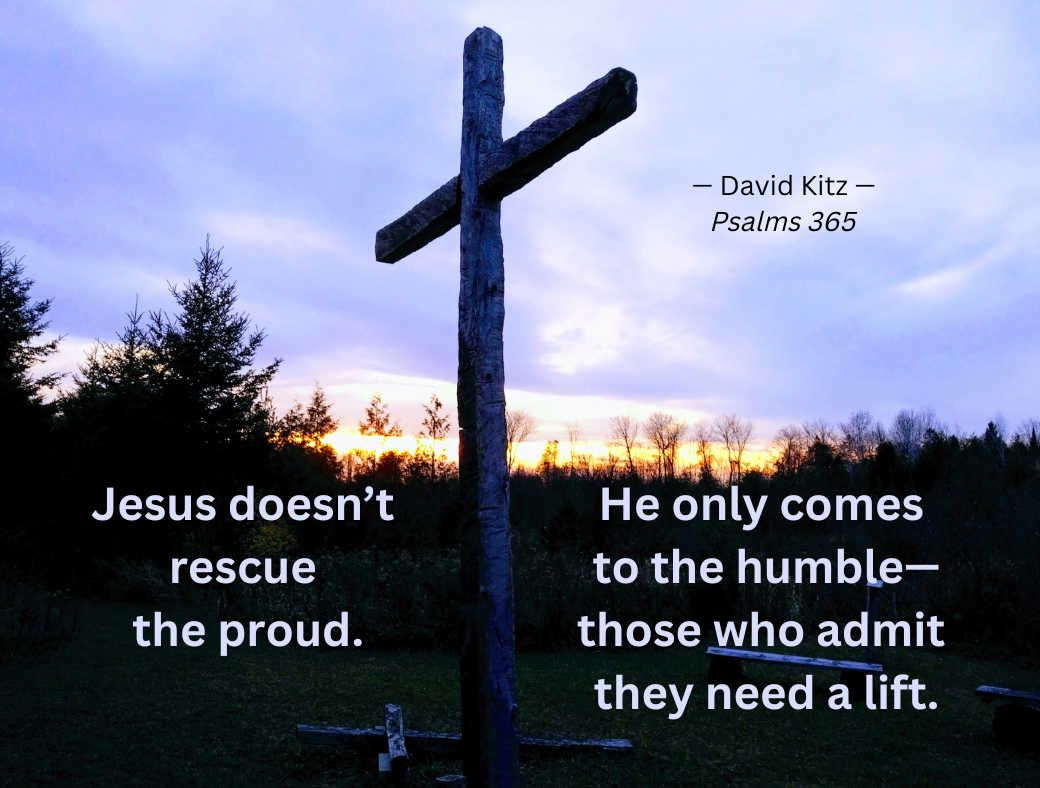
We serve a God who rescues us at our lowest point, in our low estate. In our foolish pride, we would never turn to God. But when we hit bottom—when there is no way forward, but up—then we turn to the Lord. You see, Christ has been patiently waiting for us to acknowledge our need. But Jesus doesn’t rescue the proud. He doesn’t save those who see no need for salvation. He only comes to the humble—those who admit they need a lift from the hole they find themselves in.

Sadly, there are many who sit in fine churches that have never discovered their low estate. Actually, they have become experts at hiding it. We all have a secret addiction to sin. Even St. Paul wrote, “For I do not do the good I want to do, but the evil I do not want to do—this I keep on doing” (Romans 7:19). The only one who can turn us around is Jesus, our Savior. See Romans 7:25.

Response: Father God, I admit my need for Jesus, your Son, my Savior. His love endures forever. Amen.

Your Turn: Why do we hide our sins rather than confess them? Does pride hold you back?

Para la publicación de Salmos 365 de hoy en español haga clic aquí.

bgbg_v4.3_1501818
* NEW INTERNATIONAL VERSION, COPYRIGHT ©1973, 1978, 1984, 2011 BY BIBLICA


Please pray for peace to return to Israel, Gaza, and Ukraine!

Volume I of Psalms 365: Develop a Life of Worship and Prayer won the Best Book of the Year Award from The Word Guild and Volume II has won the Best Devotional of the Year Award. For those who love God’s word, this three-book series is an ideal way to daily meet with the Lord. To purchase or for a closer look click here.

A gripping read from David Kitz.
Is a return-to-Jesus revival possible in our time?
This book points the way forward.
For details click here.


Great Persecution Broke Out

05 Tuesday Aug 2025

Posted by davidkitz in Psalm 129

≈ Leave a comment

Tags

Bible, church, faith, Jerusalem, persecution, Prayer, prison, Psalms

Today’s quote and prayer from
“Psalms 365: Develop a Life of Worship and Prayer”
by David Kitz.


Reading: Psalm 129

Father God,
I pray for those who are facing severe persecution,
whatever their faith may be.
But I pray especially for my brothers
and sisters in Christ.
Have mercy on them for Jesus’ sake.
Amen.

— — — —

On that day a great persecution broke out
against the church in Jerusalem,
and all except the apostles were scattered
throughout Judea and Samaria.
 
Godly men buried Stephen
and mourned deeply for him.
 
But Saul began to destroy the church.
Going from house to house,
he dragged off both men and women
and put them in prison.

(Acts 8:1-3
NIV)*

Para la publicación de Salmos 365 de hoy en español haga clic aquí.

bgbg_v4.3_1501818
* NEW INTERNATIONAL VERSION, COPYRIGHT ©1973, 1978, 1984, 2011 BY BIBLICA

Please pray for peace to return to Israel, Gaza, Iran, and Ukraine!

Volume I of Psalms 365: Develop a Life of Worship and Prayer won the Best Book of the Year Award from The Word Guild and Volume II has won the Best Devotional of the Year Award. For those who love God’s word, this three-book series is an ideal way to daily meet with the Lord. To purchase or for a closer look click here.

A gripping read from David Kitz.
Is a return-to-Jesus revival possible in our time?
This book points the way forward.

God’s Household

25 Friday Jul 2025

Posted by davidkitz in Psalm 122

≈ 2 Comments

Tags

Bible, Christ, church, God's house, God's household, Israel, Jerusalem, Jesus, peace, Prayer, Psalms, shalom, truth

Today’s quote and prayer from
“Psalms 365: Develop a Life of Worship and Prayer”
by David Kitz.


Reading: Psalm 122

Father God,
we pray for your peace—
the shalom of God.
May your peace come to Jerusalem,
and to all of Israel,
and especially to all the followers
of your dear son, Jesus,
the living Christ.
Amen.

— — — —

 I am writing you these instructions so that,
if I am delayed,
you will know how people
ought to conduct themselves in God’s household,
which is the church of the living God,
the pillar and foundation of the truth.

Beyond all question,
the mystery from which true godliness springs is great:


He appeared in the flesh,
    was vindicated by the Spirit,
was seen by angels,
    was preached among the nations,
was believed on in the world,
    was taken up in glory.
(1 Timothy 3:14-16 NIV)*

Para la publicación de Salmos 365 de hoy en español haga clic aquí.

bgbg_v4.3_1501818
* NEW INTERNATIONAL VERSION, COPYRIGHT ©1973, 1978, 1984, 2011 BY BIBLICA

Please pray for peace to return to Israel, Gaza, Iran, and Ukraine!

Volume I of Psalms 365: Develop a Life of Worship and Prayer won the Best Book of the Year Award from The Word Guild and Volume II has won the Best Devotional of the Year Award. For those who love God’s word, this three-book series is an ideal way to daily meet with the Lord. To purchase or for a closer look click here.

A gripping read from David Kitz.
Is a return-to-Jesus revival possible in our time?
This book points the way forward.

He Gathered All Israel

26 Monday May 2025

Posted by davidkitz in Psalm 108

≈ Leave a comment

Tags

church, David, Holy Spirit, Israel, Kingdom of God, Prayer, Psalms

Today’s quote and prayer from
“Psalms 365: Develop a Life of Worship and Prayer”
by David Kitz.


Reading: Psalm 108:6-13


Father God,
I want to play my part
in turning things around in your church.
Today let your Kingdom come
and your will be done
through the power of your Holy Spirit.
Amen.

— — — —

After the Arameans saw
that they had been routed by Israel,
they regrouped.

Hadadezer had Arameans brought
from beyond the Euphrates River;
they went to Helam, with Shobak
the commander of Hadadezer’s army leading them.

When David was told of this,
he gathered all Israel,
crossed the Jordan and went to Helam.
The Arameans formed their battle lines
to meet David and fought against him.
 
But they fled before Israel,
and David killed seven hundred of their charioteers
and forty thousand of their foot soldiers.
 He also struck down Shobak
the commander of their army,
and he died there.
 
When all the kings who were vassals of Hadadezer
saw that they had been routed by Israel,
they made peace with the Israelites
and became subject to them.

(2 Samuel 10:15-19 NIV)*

Para la publicación de Salmos 365 de hoy en español haga clic aquí.

bgbg_v4.3_1501818
* NEW INTERNATIONAL VERSION, COPYRIGHT ©1973, 1978, 1984, 2011 BY BIBLICA

Please pray for peace to return to Israel, Gaza, and Ukraine!

Volume I of Psalms 365: Develop a Life of Worship and Prayer won the Best Book of the Year Award from The Word Guild and Volume II has won the Best Devotional of the Year Award. For those who love God’s word, this three-book series is an ideal way to daily meet with the Lord. To purchase or for a closer look click here.

A gripping read from David Kitz.
Is a return-to-Jesus revival possible in our time?
This book points the way forward.
For details click here.

With God, Victory Is Certain

26 Monday May 2025

Posted by davidkitz in Psalms

≈ 2 Comments

Tags

calling, church, David, deliverance, faith, hope, leadership, Prayer, Scripture, unity, victory

Today’s Devotion from Psalms 365 by David Kitz

Reading: Psalm 108:6-13
Save us and help us with your right hand,
that those you love may be delivered.
God has spoken from his sanctuary:
“In triumph I will parcel out Shechem
and measure off the Valley of Sukkoth.
Gilead is mine, Manasseh is mine;
Ephraim is my helmet, Judah is my scepter.
Moab is my washbasin,
on Edom I toss my sandal;
over Philistia I shout in triumph.”
Who will bring me to the fortified city?
Who will lead me to Edom?
Is it not you, God, you who have rejected us
and no longer go out with our armies?
Give us aid against the enemy,
for human help is worthless.
With God we will gain the victory,
and he will trample down our enemies (NIV). *

Reflection
In today’s reading from Psalm 108, we get into the meat of David’s request or petition. He makes his plea before God: Save us and help us with your right hand that those you love may be delivered (v. 6).

It’s difficult to pinpoint exactly when David penned this Psalm, but it likely came early in his reign as king over Judah or Israel. When David assumed the leadership of Judah, Israel was in dire straits. The nation had been weakened by division under King Saul. The Philistines won a major battle which resulted in the death of King Saul and his heir apparent, Prince Jonathan. The nation was divided, despondent and in disarray. Meanwhile, enemies on every side were seizing the moment to press their advantage.

In many respects Christendom and the church world finds itself in a similar position today—divided, despondent and in disarray. We need a David or a number of Davids to arise and rally God’s people against spiritual foes and machinations too numerous to mention. Where are the Davids? Are you one of them? Over a number of years through a series of battles the David of the Bible turned things around.

But we need to always keep this in mind. Though God calls various people to leadership roles, He is the One who brings victory, and He is the One who deserves the credit. David clearly expressed this truth in his prayer. Give us aid against the enemy, for human help is worthless. With God we will gain the victory, and he will trample down our enemies (v. 12-13).

We look to the LORD for victory and deliverance. David did, and so must we.

Response: Father God, I want to play my part in turning things around in your church. Today let your Kingdom come and your will be done through the power of your Holy Spirit. Amen.

Your Turn: Are you a present-day David or Deborah? (See Judges 4&5.) What has God called you to do?

Para la publicación de Salmos 365 de hoy en español haga clic aquí.

bgbg_v4.3_1501818
* NEW INTERNATIONAL VERSION, COPYRIGHT ©1973, 1978, 1984, 2011 BY BIBLICA

Please pray for peace to return to Israel, Gaza, and Ukraine!

Volume I of Psalms 365: Develop a Life of Worship and Prayer won the Best Book of the Year Award from The Word Guild and Volume II has won the Best Devotional of the Year Award. For those who love God’s word, this three-book series is an ideal way to begin the new year, and daily meet with the Lord. To purchase or for a closer look click here.

RGB72PsalmsVol2

A gripping read from David Kitz.
4485 SHARABLE-2

To purchase or for a closer look click here.

How Lovely Is Your Dwelling Place

11 Sunday May 2025

Posted by davidkitz in Psalms

≈ Leave a comment

Tags

altar, church, God, Jesus, King Solomon, Lion of Judah, Prayer, Psalms, temple, the LORD

Psalm 84:1-4

Of the Sons of Korah

How lovely is your dwelling place, O LORD Almighty!
My soul yearns, even faints, for the courts of the LORD;
my heart and flesh cry out for the living God.
Even the sparrow has found a home,
and the swallow a nest for herself,
where she may have her young—a place near your altar,
O LORD Almighty, my King and my God.
Blessed are those who dwell in your house;
they are ever praising you. (Selah)

Maybe it’s because Canadian Christendom is architecturally challenged, but images of a church do not spring to mind, when I read the opening lines of this psalm. Perhaps if I lived in Europe, the lovely dwelling place of the LORD referred to here would instantly prompt me to imagine one of the grand cathedrals, such as Chartres, Notre Dame in Paris or St. Paul’s in London.

Carcassonne Cathedral, France — photo by David Kitz

Nevertheless, I identify with this psalm. There are times when I am in full agreement with the Psalmist. I echo his thoughts. My soul yearns, even faints, for the courts of the LORD; my heart and flesh cry out for the living God. 

I want to be with God. I want to be close to him. I want to be lost in wonder and sense his glory all around me. There are times when I have known that closeness; I have experienced that wonder. Now I long for a return to that closeness. Like a desert wanderer yearns for water, I yearn for God. My heart and flesh cry out for the living God. 

Sometimes I have found that closeness to God in a church. For me it comes most frequently during times of corporate worship. As songs of praise and worship reach a crescendo, I sense the LORD’s nearness; his presence is all around me. At such times it is no great stretch to reach out and touch the LORD as he passes by. He is here, in the house of God, and for this time, this precise location is his dwelling place.

There are other times in church when it is the spoken word of God that grabs me. I am under arrest. I have been found by God. I could swear the preacher has been reading my heart and he has been following me around all week. He is describing my life—my hidden thought patterns. I have this uncanny sense that this has all been a huge set up. I have been set up by God. He has brought me to this place, backed me in a corner, and now the loving LORD Almighty is pouncing upon me. The Lion of Judah has found his prey. And when it’s all over, I am so glad he has. His holy word has penetrated my heart, and I am changed. Into my darkness the Light has come. I walk out of that place with new direction and purpose.

I can only say, “How lovely is your dwelling place, O LORD Almighty!”

Despite these wonderful experiences within church buildings, it is not the buildings themselves that attract me, though unlike some people in our society, I certainly have no aversion to church buildings. In the same vein, as someone trained in design, I believe I can truly appreciate beautiful architecture in churches and other public buildings. Yet again, it is not the architecture that attracts me. It is the presence of God that I seek.

Yes, and despite all this, when I read the phrase, “How lovely is your dwelling place, O LORD Almighty!” my mind instantly flashes to pictures of nature. I see God there, in the dazzling sunset, in the mountain grandeur, in the forest depths, in expansive prairie vistas, in the wind whipped ocean breakers, by the sunlit babbling stream. God is there. This is his dwelling place. It is just as David declared, “The earth is the LORD’s, and everything in it, the world, and all who live in it” (Psal 24:1).

Early April sunrise — photo by David Kitz

Nature is God’s domain. He formed it, planned it, spoke it into existence. It is his dwelling place. Our attempts to create a dwelling place for him are feeble at best. After overseeing the construction of one of the seven wonders of the ancient world, King Solomon, that master temple builder of the Old Testament declared, “There is not enough room in heaven for you, LORD God. How can you possibly live on earth in this temple I have built?” (1 Kings 8:27).

Our God cannot be contained. He is always spilling over the sides, pushing out of our narrow confines, and showing up in unexpected places.

Perhaps this is what the psalmist was referring to here in Psalm 84, when he discovered that nature had invaded the sanctuary of the LORD. Even the sparrow has found a home, and the swallow a nest for herself, where she may have her young—a place near your altar.

The psalmist’s response is very enlightening. He did not see the arrival of these birds in the House of God as something strange or offensive. He did not treat this intrusion of nature as an indignity, ritually prohibited in this, the earthly residence of Deity. His response is in fact, just the opposite. He is delighted by his discovery of nesting birds near the altar of God.

The psalmist views the birds’ presence as an indicative of all of creation’s desire to be close to the Creator. The birds are exactly where the psalmist wants to be—permanently in God’s presence—constantly singing their LORD’s praise. They occupy an envied position. Blessed are those who dwell in your house; they are ever praising you.

Western bluebird — photo by Warwick Burgess

And we should note that these birds are not just visiting; they are not passing through. They have made God’s house their home. This is their nesting place. Here they will raise their family.

How about you? Where are you nesting? Are you nesting in God’s presence? Will you raise your family here, near the altar of God?

In my childhood I recall an occasion when at the close of a church service a barn swallow somehow found its way into our country church. I suppose this bird may have come in through an open front door or possibly through the belfry. Children in the congregation were both excited and amused as this swallow careened about the sanctuary in a display of aerial acrobatics. On the other hand, many of the adults were mortified. After all, this bird might soil the carpet. Quite unexpectedly, nature had invaded the sanctuary of the LORD, and the people of God were not entirely pleased.

In retrospect, and in light of Psalm 84, I believe the LORD may have been as delighted as the young children with the arrival of that swallow. All our formal church-style stuffiness suddenly went right out the window. The outside had come in. Why not enjoy it? Why not swoop and sing God’s praises just like that barn swallow? Why not for a moment be as free as a bird?

Oh, and don’t worry about the carpet. Real life is like that. Accidents happen. Humanity isn’t clean. That’s why there’s an altar.

The truly remarkable thing is that the LORD God Almighty chose, and continues to choose, to live with us. He did not confine himself to the heavens. He chose to swoop down from heaven’s heights and nest among us. Sometimes he even shows up in these barns that we call churches. On the day of dedication, without warning, God showed up in Solomon’s temple as the priests were singing the LORD’s praises.

                Suddenly a cloud filled the temple as the priests were leaving the holy place. The LORD’s glory was in that cloud, and the light from it was so bright that the priests could not stay inside to do their work (2 Chronicles 5:13-14).

Why does God choose to do this? Why does he come to live among us? Doesn’t he know that we will soil his carpet? We will mess things up. Doesn’t he know that the lovely dwelling place of the LORD Almighty will only be lovely until the humans show up? Yet in spite of us, and our nest-fouling ways, God chooses to dwell among us.

We can see this clearly in this psalm. Just as the LORD puts up with the nest building birds and their droppings, so the LORD puts up with us. Actually, God goes beyond putting up with us. He welcomes us. Just as the psalmist expresses his delight with the birds, God is delighted that we have come. He is so glad that we have come into his house, his dwelling place. He is not put off or surprised by our mess ups.

What parent throws out their infant on the first occasion when they soil their diapers? Every parent knows that baby messes come with the baby. Changing diapers quickly becomes a part of the family routine. As a father of two infant sons, I had ample opportunity to practise my diaper changing skills. If the need arose at home, most often my wife or I would use a specially designed change table for this job. I would lay the baby on the change table and in a minute or two everything was fixed up—put to right—on that change table.

Photo by Andreas Wohlfahrt on Pexels.com

Every rightly built house of God has a change table. Most often it’s called an altar. God fixes us up there. That altar can look quite different depending on which church tradition you follow. But the purpose for the altar is always the same. It is the place where we are cleaned up. Sin is washed away.

God is intimate with us there. The outward trappings of righteousness are stripped away. He sees us completely. You see there is no place for human pride at the altar of God. Our heavenly Father gently lays us down and does his work on us. There is nothing we can hide. Why would we want to? Let’s deal with all of it.

Cleanse me should be our only cry.

Have you been altered at the altar? Has God changed you there—really changed you in the hidden places?

But isn’t the altar just for babies? LORD, haven’t I grown and matured since my first trip to your altar? I would like to think so. I’m not tripped up by the same things anymore. Surely, I don’t have to humble myself yet again!

If we have outgrown the altar, then we have outgrown God. And that’s preposterous! The LORD God Almighty has not lost any of his awesome power or majesty, simply because we have grown older and supposedly wiser. We are still in need of his correction, his discipline, his mercy and his love. I still need to get onto God’s change table on a regular basis. Moral perfection keeps eluding me. The smugger I feel about my self-deluding, superior spirituality complex, the more I prove that I need to be altered on the altar.

I hear God whispering “Lay down. Lay it all down. I want to change you.”

Over the years I have watched far too many Christians outgrow God. They have become mature in their faith, or so they say, and the altar becomes a place for others to go. The reasoning goes something like this, “It’s a fine place for the wayward and the prodigal, but we are beyond that now.”

In my mind I can hear them say, “Since I came to Christ, I have grown in my understanding. I am sure it won’t be long, and the LORD God Almighty will be calling upon me for advice.”

Of course no one would dare say that. But the attitude is there. That superior older brother attitude comes to dominate. I know it well because I recognize it in myself.

Soon the house of God loses its appeal. Nature calls. “After all, God is present in nature. I can worship him out by the cottage or down by the lake.”

Petrie Island in May — photo by David Kitz

And of course that’s true. God can, and does meet people in all those locations, and ten thousand places in addition to these. But is there an altar there? Does God’s Word wash over you? Remember that that’s where real change happens. 

You see Solomon was right. The great God of the heavens was not content to stay there. The heavens could not contain him. He swooped down from there and decided to live among us, to nest with mankind. But God did not stop there. No, the LORD went far beyond that. Through the sacrifice of his Son, he brought us into his nest—into his family.

Wherever I go, I am in his house now. You see, I belong to him. I’m in the family of God. I am nesting in his presence. And right along with the psalmist I can say, “How lovely is your dwelling place, O LORD Almighty! My soul yearns, even faints, for the courts of the LORD; my heart and flesh cry out for the living God.” 

And if my heart should stray, “Take me back to your altar, LORD. Cleanse me,” is my only cry.

Bringing Life to the Psalms

  1. Over a two-week period consider doing a daily reading through, “The Songs of Ascent”—Psalm 120 through to Psalm 134. What insights were you able to glean from these psalms? Can you see how the theme of pilgrimage is integral to these psalms?
  2. Have you ever undertaken a major endeavour and fallen short of your goal? What did you learn from that experience? Sometimes we learn far more from our failures than from our successes. How have your failures helped to shape your life? Remember that God can turn our failures into stepping stones to success.
  3. Are you building spiritual muscle or turning into a faithless couch potato? What spiritual disciplines are you exercising on a regular basis? Choose a spiritual discipline to focus on this week. Set an achievable goal, such as ten minutes of daily prayer. If you are in a study group, report back to others on your ability to meet that goal.
  4. What can church leadership do to increase the sense of group pilgrimage within your congregation? Can you think of ways to build a greater sense connectedness within your faith community? What role might God want you to play in this regard?

Today’s post is Chapter 12 from the book Psalms Alive! Connecting Heaven & Earth by David Kitz. To find out more or purchase click here.

The Harvest Psalm

04 Sunday May 2025

Posted by davidkitz in Psalm 67, Psalms

≈ 1 Comment

Tags

church, evangelical, faith, God, God's blessing, great commission, harvest, praise, Prayer, Psalms, thanksgiving, the LORD

Psalm 67

For the director of music.
With stringed instruments. A psalm. A song.

May God be gracious to us and bless us
and make his face shine upon us, (Selah)
that your ways may be known on earth,
your salvation among all nations.
May the peoples praise you, O God;
May all the peoples praise you.
May the nations be glad and sing for joy,
for you rule the peoples justly
and guide the nations of the earth. (Selah)
May the peoples praise you, O God;
May all the peoples praise you.
Then the land will yield its harvest,
and God, our God, will bless us.
God will bless us,
and all the ends of the earth will fear him. (NIV)

I am glad that we celebrate Thanksgiving in early October here in Canada. I cannot imagine waiting until late November to celebrate this holiday as Americans do. It puts Thanksgiving too close to Christmas, and it delays it too long after the harvest has been gathered. By late November, harvest time is just a distant memory, and much of the country is already in winter’s icy grip. Thanksgiving is after all a harvest festival, signalling our thankfulness to God for the bounty of the earth.

When you grow up on a farm, as I did, you appreciate the traditional aspects of Thanksgiving all the more. You are reminded each day that the food on your table does not simply come from a store. You are actively engaged in producing the nourishment that sustains your own life.

As a youngster I sat down to many a Thanksgiving feast, and almost all the food found on that groaning table was home-grown. I watched those vegetables growing in our garden in the hot summer sun. I even pulled the weeds from around those peas. And those mashed potatoes, I helped my mother hill those tubers in the spring and then dug them up after the frost hit in the fall. My brother loved growing pumpkins, and mom would turn his favourite into the best pumpkin pie east of the Rockies. And how can you eat pumpkin pie without a mound of whipped cream on top? Well let me tell you, it tastes even better, when just that morning you milked the cows that produced that sweet rich cream. Oh, and that huge turkey—we’ll miss that pompous strutting gobbler out by the henhouse. But I’m sure we’ll get over it, somehow. For now, let’s just dig in.

Let’s all dig in, and give thanks to the God, who made all this possible. This sumptuous feast has been brought to you by him. Now that’s Thanksgiving!

The great God in heaven has been kind to us. He has answered our prayers. He brought the warmth of spring and the rain of heaven. He caused his face to shine upon us. The rich earth responded to his touch. It brought forth its bounty, and now around this table we have gathered as a family to celebrate God’s great goodness to us.

The opening petition of Psalm 67 has been granted. May God be gracious to us and bless us and make his face shine upon us, that your ways may be known on earth, your salvation among all nations.

God has been gracious. We did not earn this blessing. Yes, we worked. We tilled the soil; we planted the seed. But, it was God who brought the increase. He has blessed the work of our hands. He has smiled on our efforts, and during this feast, every mouth-watering bite testifies to his amazing love and goodness. Let’s all dig in. Taste and see that the LORD is good! (Psalm 34:8).

Have you ever asked yourself why? Why is God so good? Why has he blessed you so richly? Why are his mercies new every morning? Why is he so forgiving? Why does he provide in such abundance?

The simple answer is because that is his nature. He is kind, so he loves to bless us, whether we deserve it or not. He is kind so His blessings flow like water flows down a mountainside. Can rivers flow uphill? That’s impossible. In the same way, it is impossible for God not to be loving, gracious and merciful. It is simply his nature to pour out blessings.

Like any loving parent, God draws pleasure from blessing his children. But is there a divine motivation that extends beyond the family of God. As the opening verse of this psalm makes clear, God desires to bless us, so that his ways and his salvation may be known all over this world.

So then, Psalm 67 should be our prayer, not only for us, but for the world. May God be gracious to us and bless us and make his face shine upon us, that your ways may be known on earth, your salvation among all nations (v. 1-2).

 In other words, God’s blessing is not solely for us. It is to extend around the world and beyond the family of God. Is God in fact, blessing us abundantly, so that we may in turn bless others? Is he blessing us, so that we may make his salvation known among all nations? That certainly would appear to be the plan according to Psalm 67.

This is perhaps the most evangelical of all the psalms. By that I mean there is good news in this psalm, and the good news of God’s loving-kindness, which is found here, is not to be kept to oneself. It is to be taken to the whole world.

In addition to an enormous feast, I have another childhood memory that is also linked to Thanksgiving. On Thanksgiving Sunday, as on every Sunday of the year, we would all dress up in our Sunday best and then squeeze into the family sedan for the four-mile trip to our local country church. For my mother, preparing the family brood of six children for church, and then stuffing grandma, dad, mom and six squirming kids into one car was no simple feat. I am sure that for her, stuffing a twenty-five-pound turkey was much easier, and it was accomplished with far less stress. 

On Sunday mornings, the last thing we did before leaving the house was prepare our church offering. Everybody gave. Every child and every adult had their own offering envelope, and typically, dad gave each child a dollar to put in that envelope. At a time when in town, a chocolate bar cost fifteen cents, and I could get a heaping ice-cream cone for one thin dime, this was quite a princely sum. I suppose dad could have combined all that money and put it all in one single envelope—his own. After all, every cent of it was actually his money. But, he chose to distribute it to his children, for us to put into the offering basket. I can only suppose that he wanted to train each of us to be givers.

However, Thanksgiving Sunday was different. On that Sunday unlike all the rest during the year, we did not get a dollar from dad. This was harvest time; the crop had come in. God had been good, and we were blessed. There were colorful crisp tens and twenties to go into those offering envelopes. And consequently, on Thanksgiving Sunday every child clutched their envelope a little more tightly until it landed safely in the offering basket at church.

There was something else different about Thanksgiving Sunday. On that Sunday all of our offering money went to missions. There was always a spot on the envelope to designate where we wanted our gift to go, and on Thanksgiving Sunday we were all told to mark our envelope for missions. This was dad’s way of saying that we had more than enough. This Sunday was for those who were not so blessed. It was for those people in foreign lands who did not even know about the great God, who filled our granaries and loaded down our table with a feast fit for kings.

I am not sure Dad knew he was bringing Psalm 67 to life. But he was actually doing this psalm. He was making this psalm come alive in front of his family. From the overflow of God’s blessing on his life and his family, he was channelling a portion of that blessing to the less fortunate. He was doing this, because he wanted the ways of God to be known all over the earth. He wanted the salvation of the LORD to be experienced not just here in Canada, but among all nations.

This is in fact, a psalm that addresses the nations. It extends beyond the individual or the family. It addresses every ethnic group on the face of the planet with these words. May the peoples praise you, O God; may all the peoples praise you. May the nations be glad and sing for joy, for you rule the peoples justly and guide the nations of the earth (v. 3-4).

The God of the universe is calling the peoples of the world to a festival of praise. Through the words of this psalm, we are petitioning the LORD over all nations, that his praise would ring forth from all the peoples of the earth. What a glorious day that will be when the nations break forth in joyous songs of praise to their Maker! All of nature testifies to his manifold wisdom. Already, the whole earth is full of his glory. Now our prayer is that all who live on the face of the earth would see that glory and unite in singing his praise. Now, that will be a day of thanksgiving—a day like none other!

This call for universal praise is unusual. It is unusual because it draws all of humanity into a common faith. The Jewish faith was and is a very exclusive religion. This is the faith of the chosen people—God’s chosen people. They did not choose him, but rather they were uniquely selected by God to bear his name before the nations of the world. Throughout the Old Testament we have a clear sense that God was dealing with his own special people, and they were to walk separate from the nations. They received God’s laws and were the guardians of his commands. They were instructed not to intermarry with other nations, nor be polluted by them and their idol worship. The worshippers of Yahweh were an exclusive group, a unique people, but they were not evangelical. They kept the message to themselves.

But here in Psalm 67 the constricted, exclusive God of the Old Testament appears to break out of his narrow nationalist cocoon. We see that he is truly a God for all nations, not just for the descendants of Abraham. Here we catch a glimpse of the big picture—the global perspective. All the nations of the earth are to praise him. The longstanding intent of the God Israel is that every people group should know his ways and experience his salvation. God’s great promise to Abraham will be fulfilled, “All peoples of the earth will be blessed through you” (Genesis 12:3).

In reality, throughout the Old Testament we can see a certain tension between this global view of the God of the universe, and the more restricted nationalist view of God. Most often the old covenant prophets were granted the best view of the God of the big picture—the God who rules over all nations. Isaiah was one such prophet. Now let’s hear his prophetic word for the nations:

            See, darkness covers the earth and thick darkness the peoples, but the LORD rises upon you and his glory appears over you. Nations will come to your light, and kings to the brightness of your dawn (Isaiah 60:2-3).

It is the resurrected and ascendant Christ who broke through the thick darkness. He broke the power of the chains of death. He is the one whose light has come. Nations have come to his light and people all over the world continue to come. It is Jesus who broke Judaism out of its narrow bounds and brought the faith of Abraham to the nations. The light of the world has come. He has caused his face to shine upon us, and now the gift of salvation is available through him.

This is the greatest cause for thanksgiving. As the resurrected and triumphant Christ stood before his disciples, he gave them this command:

            “All authority in heaven and on earth has been given to me. Therefore go and make disciples of all nations, baptizing them in the name of the Father and of the Son and of the Holy Spirit, and teaching them to obey everything I have commanded you. And surely I am with you always, to the very end of the age (Matthew 28:18-20).

This statement by Jesus is commonly known as the Great Commission. In Psalm 67 we can see an Old Testament version of the Great Commission. It is a commission that is rooted in thanksgiving and praise. I can only wonder if this is the fount from which all evangelism should flow, not from a browbeaten sense of guilt, but from a joy-filled heart of thanksgiving. If we have grasped the fullness of God’s blessing on us through Christ, then we are delighted to tell of his great love. We joyously spread the message.

            May the peoples praise you, O God; may all the peoples praise you. Then the land will yield its harvest, and God, our God, will bless us. God will bless us, and all the ends of the earth will fear him (v. 5-7).

There is a great harvest day that is still coming on the earth. It is not a harvest of wheat, corn or rice, but a harvest of souls that will be swept into the Kingdom of God. If this psalm is to be believed, it is a harvest that is propelled and swelled by our praise. According to our praise it will be gathered in. Who will gather in this harvest? The sad-sack sourpusses of the church need not apply. They can keep their tight-fisted hands in their pocket, and their woe begotten complaints to themselves. The people of praise will see the harvest. With thankful hearts they will bring it home.

Now more than ever Jesus’ words ring true: “You may say there are still four months until harvest time. But I tell you look, and you will see that the fields are ripe and ready to harvest” (John 4:35).

Yesterday, I received two e-mail messages from overseas. One was from a young missionary couple who just arrived in Cambodia. The other was from a missionary couple in China. Their messages reminded me that a great international harvest is coming. It is happening even now. I am thankful that we have the LORD’s sure promise on this. Let’s dig in. It’s harvest time, and even as we praise him, God will bless us, and all the ends of the earth will fear him (v. 7).

Bringing Life to the Psalms

  1. Read Jesus’ discourse on the harvest as found in John 4:27-42. Consider that this story took place in Samaria. Already at this point Jesus was breaking out of the narrow confines of Judaism. While the disciples were getting food, Jesus was having a feast. What spiritual food sustains your faith?
  2. What are some of the family traditions that you follow at Thanksgiving? How do those traditions reflect God’s goodness to you?
  3. Take time today to count your blessings. Too often we focus on our problems and shortcomings, while there is always so much for which to be thankful.
  4. Consider making giving a significant part of your Thanksgiving celebration. If you have been blessed, why not make this an opportunity to bless others? Remember thanksgiving is a valid response to the grace of God at any time of the year.
  5. The praise induced fear of God referred to in this psalm stands in sharp contrast to the man induced terror, which lurks behind demon inspired religion. The LORD is not the author of intimidation or barrel-of-a-gun conversion. To fear God is to stand in awe of Him—in awe of His mercy, His grace and His sacrificial love. This awe-inspiring fear is the most direct path to true God pleasing worship. As you take time to thank God, pray that this wonder-filled awe of God will fall upon all nations.
  6. Reread Psalm 67. What is God saying to you by His Spirit?

    Today’s post is Chapter 10 from the book Psalms Alive! Connecting Heaven & Earth by David Kitz. To find out more or purchase click here.

The Mighty Strength

02 Friday May 2025

Posted by davidkitz in Psalm 105

≈ Leave a comment

Tags

authority, Christ, church, faith, Jesus, mighty, power, Prayer, Psalms, redemption, salvation, strength, the cross

Today’s quote and prayer from
“Psalms 365: Develop a Life of Worship and Prayer”
by David Kitz.

 Reading: Psalm 105:1-7

Lord Jesus,
you are strong—
strong enough to carry the cross on my behalf—
strong enough to purchase my redemption.
I look to you for strength and salvation.
Always guide my steps.
I confess that I need you
at every stage of my life.

Amen.

— — —

I pray that the eyes of your heart
may be enlightened
in order that you may know the hope
to which he has called you,
the riches of his glorious inheritance
in his holy people,

and his incomparably great power
for us who believe.
That power is the same
as the mighty strength
he exerted
when he raised Christ from the dead 
and seated him at his right hand 
in the heavenly realms,

far above all rule and authority,
power and dominion, 
and every name that is invoked,
not only in the present age
but also in the one to come.

And God placed all things under his feet 
and appointed him to be head 
over everything for the church,

which is his body, 
the fullness of him who fills everything
in every way.

(Ephesians 1:18-23 NIV)*

Para la publicación de Salmos 365 de hoy en español haga clic aquí.

bgbg_v4.3_1501818
* NEW INTERNATIONAL VERSION, COPYRIGHT ©1973, 1978, 1984, 2011 BY BIBLICA

Please pray for peace to return to Israel, Gaza, and Ukraine!

Volume I of Psalms 365: Develop a Life of Worship and Prayer won the Best Book of the Year Award from The Word Guild and Volume II has won the Best Devotional of the Year Award. For those who love God’s word, this three-book series is an ideal way to daily meet with the Lord. To purchase or for a closer look click here.

A gripping read from David Kitz.
Is a return-to-Jesus revival possible in our time?
This book points the way forward.
For details click here.

← Older posts

Psalms 365: Develop a Life of Worship and Prayer

Psalms 365 Volume II

Psalms 365 vol 3
— Psalms 365 Volume III

Psalms

Recent posts

  • Ready for the King of Glory December 19, 2025
  • My Spirit Rejoices in God My Savior December 18, 2025
  • Joining the Generation That Seeks God December 18, 2025
  • Why Am I So Favored December 17, 2025
  • How Can You Find the Good Life? December 17, 2025
  • The Power of the Most High December 16, 2025
  •  The Earth Turns to the LORD December 16, 2025

Calendar

December 2025
M T W T F S S
1234567
891011121314
15161718192021
22232425262728
293031  
« Nov    

Blog Posts

Comments

  • davidkitz on Joining the Generation That Seeks God
  • cjsmissionaryminister on God Sent His Son
  • cjsmissionaryminister on The God of the Broken

Blog at WordPress.com.

Privacy & Cookies: This site uses cookies. By continuing to use this website, you agree to their use.
To find out more, including how to control cookies, see here: Cookie Policy
  • Subscribe Subscribed
    • I love the Psalms
    • Join 1,378 other subscribers
    • Already have a WordPress.com account? Log in now.
    • I love the Psalms
    • Subscribe Subscribed
    • Sign up
    • Log in
    • Report this content
    • View site in Reader
    • Manage subscriptions
    • Collapse this bar
 

Loading Comments...