• Home
  • About
  • DavidKitz.ca
  • Youtube Videos
  • Books by David
  • Books on Amazon.com

I love the Psalms

~ Connecting daily with God through the Psalms

I love the Psalms

Tag Archives: forgiveness

Living the Crucified Life

07 Sunday Dec 2025

Posted by davidkitz in The Elisha Code

≈ 5 Comments

Tags

concentration camp, Corrie ten Boom, England, faith, forgiveness, Gestapo, Jesus, John Newton, Nazi Germany, Nazi soldiers, parliament, slave, slavery, Wilberforce

I have been crucified with Christ;
it is no longer I who live, but Christ lives in me;
 and the life which I now live in the flesh 
I live by faith in the Son of God, 
who loved me and gave Himself for me.
(Galatians 2:20, NKJV)

The Elisha Code is all about dying to self and living for Christ. Christ is the second Adam—the new man who fully bears the image of God. In Eden, the tempter succeeded in marring the image of God that was so beautifully evident in Adam and Eve before the fall. Sin robs and defiles. Jesus redeems and restores.
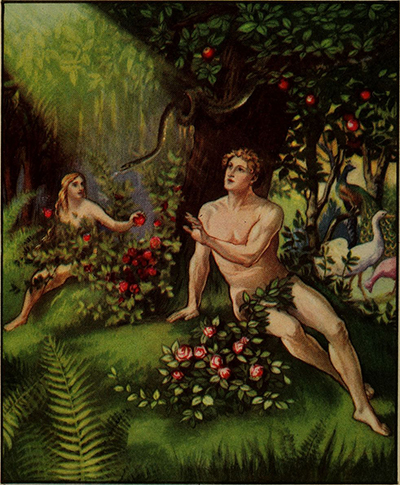
Art by Hult –www.biblicalarchaeology.org

Two people who lived the crucified life were William Wilberforce and Corrie ten Boom. Both fought hatred and the dehumanizing forces of slavery and racism. Their most powerful weapon was relentless love. Today, those who embrace the Christ of the cross are called to do the same.

Abraham Lincoln once said that every school child should know about William Wilberforce.[i] For twenty long years from 1787 to 1807, Wilberforce persistently campaigned for the abolition of the slave trade. It was incredibly painful and often deeply discouraging work.

What kept him from giving up as he faced defeat after defeat? Wilberforce had previously lived a self-indulgent life as a very wealthy upper-class Englishman. What motivated him to stop wasting his life in drinking, gambling, and endless parties? He was a popular Member of Parliament who wowed crowds with his remarkable singing and wit. Prime Minister William Pitt said that Wilberforce had the greatest natural eloquence of all the men he had ever known.[ii] What caused him to choose the unpopular path of putting principle above politics, and conscience over ambition?

With the death of Wilberforce’s father at just age 40, William’s comfortable world was radically shaken. At the age of eight, because of his mother’s serious illness, he was shipped off to his Uncle William and Aunt Hannah in Wimbledon. Unbeknownst to his mother, he was mentored by Rev. John Newton, the former slave-ship captain and author of the song Amazing Grace. Some trace Wilberforce’s hatred of slavery back to this earliest encounter.

When Wilberforce’s wealthy grandfather got wind of his new spirituality, he threatened to disinherit him. So, Wilberforce’s mother promptly rescued him and did her best to cure him through endless parties and upper-class distractions. For a while, the cure was effective. After his grandfather’s death, Wilberforce inherited the family fortune which funded his election as an 18-year-old English member of parliament.

While spending the winter at the fashionable French and Italian Rivieras, he was suddenly called back to London in support of William Pitt’s Parliamentary Reform Bill. While crossing the Swiss Alps, Wilberforce read The Rise and Progress of Religion in the Soul by Philip Doddridge. Both Doddridge and John Wesley were instrumental in reintroducing the forgotten teachings of Richard Baxter about self-examination, solitude, devotions, and diligence.[iii]

In discussing Doddridge’s book with his former tutor Isaac Milner, Wilberforce’s life was radically changed. He rediscovered his childhood faith at an adult level. Wilberforce, with Milner’s assistance, began reading the Bible in the original Greek. He wanted to find out for himself what the Christian faith was truly about. He discovered that it was not about a system of gloomy prohibitions. True faith is about peace, hope, and joy. When Wilberforce fell in love with Jesus, he also fell in love with God’s creation.
Rather than drop out of politics as he was tempted to do, Wilberforce turned his new-found faith into practical action. Prime Minister Pitt wrote him, saying: “Surely the principles as well as the practice of Christianity are simple, and lead not to meditation only but to action.”

Reconnecting with his old mentor, the converted slave-ship captain, John Newton, Wilberforce realized that God could use him to end the slave trade: “God almighty has set before me two great objects: the suppression of the Slave Trade and the reformation of manners.”

Eighteenth-century England was rife with epidemic alcohol abuse, child prostitution, child labor, and animal exploitation. There were over 14,000 slaves in England alone, but hundreds of thousands more in the rich Caribbean English colonies where it was out of sight and out of mind.[iv] The future King of England George IV was famous for his immorality and gambling debts, keeping lockets of hair from all 7,000 women that he had seduced.[v] The King and his royal brothers dismissed abolitionists like Wilberforce as fanatics and hypocrites.[vi]

Because England was the foremost slave-trading nation on earth, it was initially unthinkable for them to give it up. As one merchant accurately put it, the African slave trade was “the foundation of our commerce…the life of our navigation, and first cause of our national industry and riches.”[vii]

Eighty per cent of overseas British income came from the Caribbean slave plantations.[viii] Wilberforce was naively asking England to commit commercial suicide. In Bristol, after the initial defeat of Wilberforce’s bill, bells were rung, a bonfire was lit, and a half-day holiday was awarded to sailors and workers.[ix] The passion for profit and slave-produced sugar had killed their conscience.

While fighting the slave trade, Wilberforce also invested in improving the life of England’s poor, giving one quarter of his income, representing the equivalent of $300,000 away each year. He started cancer hospitals, eye clinics and many faith-based schools for the poor.[x]

William Willberforce portrait (John Russell)

The slave trade was abolished in 1807; however, the slaves were not liberated until just before Wilberforce’s death. On July 31st, 1834, 800,000 Afro-Caribbeans were set free. While moving a motion for abolition, Wilberforce said, “Africa! Africa! Your sufferings have been the theme that has arrested and engages my heart – your sufferings no tongue can express; no language impart.”[xi]

In the 1940’s, Corrie ten Boom also learned to act on her strong faith. The Nazis conquered the Netherlands in May 1940, and during the German occupation 100,000 Dutch Jews were sent to concentration camps. Corrie prayed, “Lord Jesus, I offer myself for your people. In any way. Any place. Any time.”[xii]

By disguising themselves as Nazi soldiers, her underground team saved 100 Jewish babies from being killed in an orphanage.

A well-known architect built them a secret two-and-a-half foot-wide hiding place behind a new brick wall in Corrie’s bedroom.[xiii] Even after arresting the ten Booms, the Gestapo were never able to find the Jews hidden in this ‘angel-crib’ hiding place.[xiv]

At the time of the arrest, Corrie’s interrogator painfully slapped her in the face after every question. Corrie cried out: “Lord Jesus, protect me!”

He hissed at her, “If you mention that name again once more, I will kill you.”

But miraculously, he stopped beating her.[xv]

Corrie and her sister Betsie hid over 800 Jewish people in their Haarlem watchmaker home, before being sent to Ravensbruck Concentration Camp in eastern Germany where 96,000 women died. “The sufferings of Jesus,” said Corrie, “became very real to me at Ravensbruck.”[xvi]

She lost four family members in the concentration camps, including her beloved older sister Betsie who forgave and prayed for the guards even as they mercilessly beat her.

Photo by RODNAE Productions on Pexels.com

“Don’t hate,” Betsie pleaded to Corrie. Three days before Betsie died, she shared with Corrie the vision of opening healing homes in Holland and Germany, before going around the world sharing about Jesus’ love and forgiveness. Two weeks later, Corrie was set free through a God-ordained clerical error.[xvii] One week after this, all the other women her age at Ravensbruck were taken to be killed in the gas chamber.

Upon returning to Holland, Corrie opened a home in Holland to bring healing for people, even including the ostracized Dutch collaborators. She was knighted by the Queen of the Netherlands for her work.
Corrie told God that she was willing to go where he wanted her to go but hoped that he would never send her back to Germany. Finally, after sensing a blockage in her prayer life, she repented, saying, “Yes, Lord, I’ll go to Germany too.”[xviii]

God sent her back to Ravensbruck to lead Bible studies with former guards, now in that prison. Then, she rented and cleaned up a former concentration camp in Germany to bring temporary housing and healing to some of the nine million Germans who had been bombed or driven out of their homes.[xix]

In 1946, a former Ravensbruck guard said to Corrie in Munich, “How grateful I am for your message, Fraulein. To think, as you said, that he washes my sins away!”

Corrie later wrote, “His hand was thrust out to shake mine… Even as angry, vengeful thoughts boiled through me, I saw the sin of them. Jesus Christ had died for this man. Was I going to ask for more? Lord Jesus, I prayed, forgive me and help me to forgive him… Again, I silently prayed ‘Jesus, I cannot forgive him. Give me your forgiveness.’ As I took his hand, my heart felt an overwhelming love for this stranger.”[xx
Corrie became a penniless tramp for the Lord, travelling for three decades to sixty-two countries, and sleeping in over a thousand different beds.[xxi] Wherever she went globally, Corrie shared from her Ravensbruck experience that the light and love of Jesus Christ is deeper than the deepest darkness. She was the favorite travelling companion of the Bible-smuggler Brother Andrew as they both did missionary work behind the Iron Curtain, in Vietnam and twelve other Communist countries. In Vietnam, they gave her the honorific title of “Double-old Grandmother.”

While in the Soviet Union, she intentionally preached the gospel in her hotel room, knowing that everything she said was being listened to and recorded by communist officials.

Through her deep friendship with Rev. Billy and Ruth Graham, Corrie’s The Hiding Place book was turned into a movie reaching tens of millions. Ruth Graham said: “I didn’t know anyone who had suffered so intensely for the Lord and for his people, as Corrie had, and come through with absolutely nothing but love in her heart for her captors—she forgave them.”[xxii]

In 1967, Corrie was recognized by Israel as a righteous Gentile, with the planting of a tree in her honor.[xxiii] When people kept telling her how brave she was, Corrie transparently prayed, “What little courage I have… I was not brave. I was often like a timid, fluttering bird, looking for a hiding place… Lord, I am weak and cowardly and of little faith; do hold me close. Thou art the conqueror. May that assurance give me courage and loyalty.”[xxiv]

Because of her work blessing indigenous people, Corrie was adopted into the Hopi First Nation and given the name Beautiful Flower.[xxv] While staying at a Kansas farm, Corrie challenged her host who had recently kicked his son out, telling him to never darken his doorstep again. She said to the farmer: “If you believe in Jesus Christ and belong to Him, your sins have been cast into the depths of the sea, and that’s very deep. But then he expects also that you forgive the sins of your boy and cast them into the depths of the sea. Just imagine how you would feel if there should be another war, if your son had to go back into service and was killed in action. Don’t you think you should forgive him right now?”

After riding together in silence, the farmer invited Corrie to go with him as he asked his son to forgive him. His son replied, “But, Father. I should ask you for forgiveness.”[xxvi]

In her late sixties, Corrie was betrayed and hurt by some Christians she loved and trusted: “You would have thought that having been able to forgive the guards in Ravensbruck, forgiving Christian friends would be child’s play. It wasn’t. For weeks, I seethed inside. But at last, I asked God again to work His miracle in me… I was restored to the Father.”

She later burnt the painful letters from her friends, as a sign of letting go.[xxvii] She, like Wilberforce, lived the crucified life. Unlike Adam and Eve, Wilberforce and ten Boom did not run from God. They found their hiding place in God (Psalm 32:7). In tumultuous times, they courageously fought against forms of racism that mar and debase the image of God that we all bear.

So God created mankind in his own image,
in the image of God he created them;
male and female he created them.
(Genesis 1:27, NIV)

This is the thirteenth weekly excerpt from the award-winning book 
The Elisha Code & the Coming Revival 

A soul-gripping read.
Is a return-to-Jesus revival possible in our time?
This book points the way forward.
For details click here.

[i] Lincoln on abolition in England and the United States, 1858 | Gilder Lehrman Institute of American History (accessed April 13th 2023).

[ii] Eric Metaxas, Amazing Grace (Harper Collins Publishers, New York, NY, 2007), 41.

[iii] William Hague, William Wilberforce: the Life of the Great Anti-Slave Trade Campaigner, (HarperCollins Publishers, London, UK, 2007), 74.

[iv] Metaxas, Amazing Grace, 94.

[v] Metaxas, 72.

[vi] Metaxas, 158.

[vii] Hague, 119.

[viii] Hague, 119.

[ix] Hague, 225.

[x] Hague, 221.

[xi] Metaxas, 151.

[xii] Corrie ten Boom, The Hiding Place (Chosen Books, Bantam Books, Fleming H Revell, New York, New York, 1971), 114.

[xiii] Ten Boom, The Hiding Place, 120.

[xiv] Corrie ten Boom, A Prisoner—and Yet (Christian Literature Crusade, London, UK, 1954), 12.

[xv] Ten Boom, A Prisoner—and Yet, 13.

[xvi] Ten Boom, A Prisoner—and Yet, 87.

[xvii] Ten Boom, The Hiding Place, 241

[xviii] Corrie ten Boom, Amazing Love, (Christian Literature Crusade, London, UK, 1954), p. 27.

[xix] Ten Boom, Amazing Love, 36.

[xx] Ten Boom The Hiding Place, 238.

[xxi] Corrie ten Boom & Jamie Buckingham, Tramp for the Lord (BBS Publishing Company, New York, 1975, 1995), 185.

[xxii] Corrie Ten Boom “The Lives She Touched” video Ruth Graham: “When I met Corrie, the thing that really impressed me was the twinkle in her eye. There was nothing but love and forgiveness.”

[xxiii] Ten Boom, The Hiding Place, 138.

[xxiv] Ten Boom, A Prisoner— and Yet, 129.

[xxv] Corrie ten Boom “The Lives She Touched” video.

[xxvi] Ten Boom, Amazing Love, 10.

[xxvii] Ten Boom & Buckingham, Tramp for the Lord, 310.

Who Needs Forgiveness?

04 Thursday Dec 2025

Posted by Tim K in Psalm 19, Psalms

≈ Leave a comment

Tags

conscience, David, forgiveness, forgiveness of sins, Holy Spirit, Psalms, Redeemer, the LORD

Today’s Devotion from Psalms 365 by David Kitz

Reading: Psalm 19:12-14

Listen to today’s reading by Jonathan Dent:

https://davidkitz.blog/wp-content/uploads/2025/12/psalm-1912-14-mix1-final1-declick.mp3


But who can discern their own errors?
Forgive my hidden faults.
Keep your servant also from willful sins;
may they not rule over me.
Then I will be blameless,
innocent of great transgression.
May these words of my mouth
and this meditation of my heart
be pleasing in your sight,
L
ORD, my Rock and my Redeemer (NIV).*

Reflection
What is your response to God’s word and His voice as it speaks to your heart? In this final portion of Psalm 19 we see David’s response to God. God has been doing the talking thus far. The LORD has been speaking to David through the stars, through the night sky, and the blazing heat of the sun—the first witness. He has spoken to him through the Word of God—His written revelation—the second witness. Now as this Psalm draws to a close, we hear David responding back to God.

Actually, David is responding to the third witness. His heart is bearing witness to the reality of God. His conscience is convicting him of his sin and of the righteousness of God. We all have this third witness within us—a witness that will not be silenced, though we may try to drown out this inner voice of the Spirit. The Holy Spirit is at work in every case when we respond in a right way to God.

If along with David, we have heard the voices of the first and second witness, then there is only one appropriate response. It is the response recorded here in Holy Scriptures. If we see and grasp the awesome power and majesty of God, if through His word we have glimpsed His holiness, then we are brought low. We are humbled before him. Our greatest achievements are nothing. Our pride dissolves. Our weakness, our smallness is self-evident in the presence of the LORD of heaven and earth. We are exposed; our sin is exposed before this holy, magnificent God.

Along with David we cry out, “But who can discern their own errors? Forgive my hidden faults. Keep your servant also from willful sins; may they not rule over me” (v. 12-13). 

If we perceive God correctly, and if we assess ourselves accurately and honestly, then we quickly realize our greatest need. Our greatest need is for forgiveness. This is the solid bedrock on which any human relationship with God is built.

Here is the truth. I need forgiveness. My failings and shortcomings are many. What about you?

Response:

Heavenly Father, please forgive my sins. Often, I have lived according to my will, not yours. Forgive my selfish ways. May these words of my mouth and this meditation of my heart be pleasing in your sight, LORD, my Rock and my Redeemer. Amen.

Your Turn:

Have you confessed your hidden sins to God? Have you admitted your need for a Savior from yourself?


Para la publicación de Salmos 365 de hoy en español haga clic aquí.

bgbg_v4.3_1501818
* NEW INTERNATIONAL VERSION, COPYRIGHT ©1973, 1978, 1984, 2011 BY BIBLICA

Please pray for peace to return to Israel, Gaza, Russia and Ukraine!

Volume I of Psalms 365: Develop a Life of Worship and Prayer won the Best Book of the Year Award from The Word Guild and Volume II has won the Best Devotional of the Year Award. For those who love God’s word, this three-book series is an ideal way to daily meet with the Lord. To purchase or for a closer look click here.

Volume I of Psalms 365: Develop a Life of Worship and Prayer won the Best Book of the Year Award from The Word Guild and Volume II has won the Best Devotional of the Year Award. For those who love God’s word, this three-book series is an ideal way to daily meet with the Lord. To purchase or for a closer look click here.


New from David Kitz

James—the brother of Jesus—who was this man? What evidence do we have that this “brother of our Lord” even existed?

David Kitz digs deep into archeology, family dynamics, church history, and the biblical texts. What emerges from his research is a portrait of a decisive, pivotal leader who embodied the will and character of Jesus Christ.

But how did James—James the unbeliever—transform to become a leader who changed the course of world history? In these pages you will uncover the answer and rediscover for yourself the life-changing power of the gospel.

To view further details or purchase directly from the author click here.

The Empty Space Without God

07 Friday Nov 2025

Posted by davidkitz in Psalm 10, Psalms

≈ 2 Comments

Tags

faith, forgiveness, humility, Jesus, judgment, No room for God, obedience, pride, Reflection, repentance, SelfDeception, wickedness

Today’s Devotion from Psalms 365 by David Kitz

Reading: Psalm 10:5-11

Listen to today’s reading by Jonathan Dent:

https://davidkitz.blog/wp-content/uploads/2025/11/psalm-105-11-final-mix.mp3

His ways are always prosperous;
your laws are rejected by him;
he sneers at all his enemies.
He says to himself, “Nothing will ever shake me.”
He swears, “No one will ever do me harm.”
His mouth is full of lies and threats;
trouble and evil are under his tongue.
He lies in wait near the villages;
from ambush he murders the innocent.
His eyes watch in secret for his victims;
like a lion in cover he lies in wait.
He lies in wait to catch the helpless;
he catches the helpless and drags them off in his net.
His victims are crushed, they collapse;
they fall under his strength.
He says to himself, “God will never notice;
he covers his face and never sees” (NIV). *

Photo by David Kitz

Reflection
Yesterday’s reading from Psalm 10 was an introduction to the man who has no room for God in his life. The psalmist states, “In his pride the wicked man does not seek him; in all his thoughts there is no room for God” (v. 4).

Today’s reading continues to describe in disturbing detail, the thoughts, deeds, and attitudes of the heart of such a person. He says to himself, “Nothing will ever shake me.” He swears, “No one will ever do me harm.” His mouth is full of lies and threats; trouble and evil are under his tongue (v. 6-7).

Nature abhors a vacuum. All manner of things will rush in to fill an empty space. When God is removed from His rightful place as the Master of our life, selfishness and pride rise to the top. If Jesus isn’t the Lord of my life, then my selfish nature will rise to the occasion. But when my selfish nature rules, all manner of sin follows. Worst of all self-deception follows. We deceive ourselves into believing a lie.

The psalmist states: He says to himself, “God will never notice; he covers his face and never sees” (v. 11).

Of course, God does see. Our pride and ignorance are on full display before Him. Jesus has these words to say about this topic. “But I tell you that everyone will have to give account on the day of judgment for every empty word they have spoken” (Matthew 12:36).

I have spoken more than a few empty words. How about you? The simple truth is I need a Lord and Master like Jesus to help me govern my life. I also need his love and forgiveness when I slip up.

Response: Lord Jesus, you are the Lord and Master of the universe. Even the wind and the waves obey you. I want to obey you too. Holy Spirit, blow into my life and fill me with your presence today. Amen.

Your Turn: What fills the vacuum in your life? Take some time to let Jesus fill that empty spot today.

Para la publicación de Salmos 365 de hoy en español haga clic aquí.

bgbg_v4.3_1501818
* NEW INTERNATIONAL VERSION, COPYRIGHT ©1973, 1978, 1984, 2011 BY BIBLICA

Thank God for peace in Israel and Gaza,
and continue to pray for peace to return to Ukraine and Russia!

Volume I of Psalms 365: Develop a Life of Worship and Prayer won the Best Book of the Year Award from The Word Guild and Volume II has won the Best Devotional of the Year Award. For those who love God’s word, this three-book series is an ideal way to daily meet with the Lord. To purchase or for a closer look click here.

New from David Kitz

James—the brother of Jesus—who was this man? What evidence do we have that this “brother of our Lord” even existed?

David Kitz digs deep into archeology, family dynamics, church history, and the biblical texts. What emerges from his research is a portrait of a decisive, pivotal leader who embodied the will and character of Jesus Christ.

But how did James—James the unbeliever—transform to become a leader who changed the course of world history? In these pages you will uncover the answer and rediscover for yourself the life-changing power of the gospel.

The Boomerang Effect of Evil

31 Friday Oct 2025

Posted by davidkitz in Psalm 7, Psalms

≈ Leave a comment

Tags

consequences, forgiveness, getting even, humility, justice, mercy, pride, revenge, Righteousness, the LORD, Wile E. Coyote and The Road Runner, wisdom

Today’s Devotion from Psalms 365 by David Kitz

Reading: Psalm 7:10-17

Listen to today’s reading by Jonathan Dent:

https://davidkitz.blog/wp-content/uploads/2025/10/psalm-710-end-final-2-mix.mp3

My shield is God Most High,
who saves the upright in heart.
God is a righteous judge,
a God who displays his wrath every day.
If he does not relent, he will sharpen his sword;
he will bend and string his bow.
He has prepared his deadly weapons;
he makes ready his flaming arrows.
Whoever is pregnant with evil
conceives trouble and gives birth to disillusionment.
Whoever digs a hole and scoops it out
falls into the pit they have made.
The trouble they cause recoils on them;
their violence comes down on their own heads.
I will give thanks to the LORD because of his righteousness;
I will sing the praises of the name of the LORD Most High (NIV). *

Photo by Sora Shimazaki on Pexels.com

Reflection
Ah justice, sweet justice! When we take justice into our own hands, it always has a boomerang effect. I am reminded of Wile E. Coyote and the Roadrunner when I read these words from Psalm 7: Whoever digs a hole and scoops it out falls into the pit they have made.

In those Saturday cartoons of my youth, poor Wile E. must have dug a hundred pits and he fell into them every time. Every clever scheme backfired catastrophically. The Roadrunner always escaped. To paraphrase the words of this psalm, the trouble Wile E. caused recoiled on him; his violence came down on his own head. Even now can you picture the anvil falling on the hapless coyote, as he lies in a crumpled heap at the bottom of the canyon? The cartoonist and the psalmist must have been reading from the same script!

Somehow, we often have the mistaken impression getting even works—that scoring points at the expense of our neighbor elevates us somehow. If snide sarcasm and putdowns elevate us, then it’s the kind of elevation we often see in cartoons. Our clever, cutting remarks run us out off the edge of a cliff, and like the cartoons, there we stand in the middle of thin air—the last one to realize we are heading down fast. That’s justice, sweet justice, Psalm 7 style.

If as this psalm states, God displays his wrath every day, it’s because we reap the reward of our sinful actions. In our selfishness, we harm instead of building up those around us. We try to pull ahead by pulling others down. It’s a strategy doomed to failure. It always backfires. God and the Roadrunner will see to that.

Response: Heavenly Father, today show me how I can build others up instead of tearing them down. I want to be more like you, Lord Jesus. You came to lift others. In my interactions today, help me do the same. Amen.

Your Turn: Have you encouraged someone lately with a positive word? Did that bring a reward?

Para la publicación de Salmos 365 de hoy en español haga clic aquí.

bgbg_v4.3_1501818
* NEW INTERNATIONAL VERSION, COPYRIGHT ©1973, 1978, 1984, 2011 BY BIBLICA

Thank God for peace in Israel and Gaza,
and continue to pray for peace to return to Ukraine and Russia!

Volume I of Psalms 365: Develop a Life of Worship and Prayer won the Best Book of the Year Award from The Word Guild and Volume II has won the Best Devotional of the Year Award. For those who love God’s word, this three-book series is an ideal way to daily meet with the Lord. To purchase or for a closer look click here.

New from David Kitz

James—the brother of Jesus—who was this man? What evidence do we have that this “brother of our Lord” even existed?

David Kitz digs deep into archeology, family dynamics, church history, and the biblical texts. What emerges from his research is a portrait of a decisive, pivotal leader who embodied the will and character of Jesus Christ.

But how did James—James the unbeliever—transform to become a leader who changed the course of world history? In these pages you will uncover the answer and rediscover for yourself the life-changing power of the gospel.


The Beauty of Redemption

21 Tuesday Oct 2025

Posted by davidkitz in Psalms

≈ 2 Comments

Tags

Calvary, faith, forgiveness, fruitfulness, grace, redemption, Reflection, Righteousness, salvation

Today’s Devotion from Psalms 365 by David Kitz

Reading: Psalm 1
Blessed is the one
who does not walk in step with the wicked
or stand in the way that sinners take
or sit in the company of mockers,
but whose delight is in the law of the LORD,
and who meditates on his law day and night.
That person is like a tree planted by streams of water,
which yields its fruit in season
and whose leaf does not wither—
whatever they do prospers.
Not so the wicked!
They are like chaff that the wind blows away.
Therefore the wicked will not stand in the judgment,
nor sinners in the assembly of the righteous.
For the LORD watches over the way of the righteous,
but the way of the wicked leads to destruction (NIV). *

Photo by 4FLY RJ on Pexels.com

Reflection
Have you ever noticed the prominent role trees play in the Bible? The creation account in Genesis begins with God planting two very special trees in the Garden of Eden: the Tree of Life and the Tree of the Knowledge of Good and Evil. After our first parent’s disobedience, we were banned from access to the Tree of Life. But the amazing, good news of the Bible is that at the end of the book, in the last chapter of the book of Revelation, God restores our access to the Tree of Life (Revelation 22:1-5).

In a very real sense, the Bible is a story about trees.

Here in the very first Psalm, the life of the righteous is compared to a fruit-bearing tree, flourishing by streams of water. The psalmist presents a picture of tranquil beauty. Is that a picture of my life, or am I caught up in busyness? Sometimes I feel more like windblown chaff—rather worthless and lacking a sense of direction.

But that’s where the other tree at the heart of the Bible comes into play. It stands on a hill called Calvary. There my Savior bled and died. There he showed me my true worth. There my sins were washed away, never to be remembered again. That’s where I became righteous, not by works that I had done, but by the grace and forgiveness of Christ.

What a beautiful tree! The tree on Mount Calvary isn’t t beautiful because of its leaves. It’s beautiful because of its fruit—the fruit of redemption purchased by the blood of Jesus. My righteousness is solely due to him.

Response: Dear Lord Jesus, thank you for your sacrifice. Help me to always remember you are the true source of my righteousness. At your prompting help me to rid myself of the worthless chaff in my life. Wind of God, blow on me. Water of life, refresh my soul. May I be fruitful, Lord, for you. Amen.

Your Turn: Have you knelt before the tree on Mount Calvary? Today, how can you show your appreciation for the tree God planted there?

Para la publicación de Salmos 365 de hoy en español haga clic aquí.

bgbg_v4.3_1501818
* NEW INTERNATIONAL VERSION, COPYRIGHT ©1973, 1978, 1984, 2011 BY BIBLICA

Thank God for peace in Israel and Gaza,
and continue to pray for peace to return to Ukraine and Russia!

Volume I of Psalms 365: Develop a Life of Worship and Prayer won the Best Book of the Year Award from The Word Guild and Volume II has won the Best Devotional of the Year Award. For those who love God’s word, this three-book series is an ideal way to daily meet with the Lord. To purchase or for a closer look click here.

Coming soon…

James—the brother of Jesus—who was this man? What evidence do we have that this “brother of our Lord” even existed?

David Kitz digs deep into archeology, family dynamics, church history, and the biblical texts. What emerges from his research is a portrait of a decisive, pivotal leader who embodied the will and character of Jesus Christ.

But how did James—James the unbeliever—transform to become a leader who changed the course of world history? In these pages you will uncover the answer and rediscover for yourself the life-changing power of the gospel.

The Prominent Role of Trees in the Bible

21 Tuesday Oct 2025

Posted by davidkitz in Psalm 1, Psalms

≈ 2 Comments

Tags

Bible, blood of Jesus, Calvary, forgiveness, grace of God, law of the LORD, Psalms, Savior, the LORD, the righteous, the wicked, Tree of Knowledge of Good and Evil, Tree of Life

Today’s Devotion from Psalms 365 by David Kitz

Reading: Psalm 1

Listen to Psalm 1 as read by Jonathan Dent:


https://davidkitz.blog/wp-content/uploads/2025/10/psalm-1-final-mix-3-2.mp3

Blessed is the one
who does not walk in step with the wicked
or stand in the way that sinners take
or sit in the company of mockers,
but whose delight is in the law of the L
ORD,
and who meditates on his law day and night.
That person is like a tree planted by streams of water,
which yields its fruit in season
and whose leaf does not wither—
whatever they do prospers.
Not so the wicked!
They are like chaff that the wind blows away.
Therefore the wicked will not stand in the judgment,
nor sinners in the assembly of the righteous.
For the LORD watches over the way of the righteous,
but the way of the wicked leads to destruction
(NIV).

Be a fruitful tree of life — photo by David Kitz

Reflection
Have you ever noticed the prominent role trees play in the Bible? The creation account in Genesis begins with God planting two very special trees in the Garden of Eden: the Tree of Life and the Tree of the Knowledge of Good and Evil. After our first parent’s disobedience, we were banned from access to the Tree of Life. But the amazing, good news of the Bible is that at the end of the book, in the last chapter of the book of Revelation, God restores our access to the Tree of Life (Revelation 22:1-5).

In a very real sense, the Bible is a story about trees.

Here in the very first Psalm, the life of the righteous is compared to a fruit-bearing tree, flourishing by streams of water. The psalmist presents a picture of tranquil beauty. Is that a picture of my life, or am I caught up in busyness? Sometimes I feel more like windblown chaff—rather worthless and lacking a sense of direction.

But that’s where the other tree at the heart of the Bible comes into play. It stands on a hill called Calvary. There my Savior bled and died. There he showed me my true worth. There my sins were washed away, never to be remembered again. That’s where I became righteous, not by works that I had done, but by the grace and forgiveness of Christ.

What a beautiful tree! The tree on Mount Calvary isn’t t beautiful because of its leaves. It’s beautiful because of its fruit—the fruit of redemption purchased by the blood of Jesus. My righteousness is solely due to him.

Response: Dear Lord Jesus, thank you for your sacrifice. Help me to always remember you are the true source of my righteousness. At your prompting help me to rid myself of the worthless chaff in my life. Wind of God, blow on me. Water of life, refresh my soul. May I be fruitful, Lord, for you. Amen.

Your Turn: Have you knelt before the tree on Mount Calvary? Today, how can you show your appreciation for the tree God planted there?

Para la publicación de Salmos 365 de hoy en español haga clic aquí.

bgbg_v4.3_1501818
* NEW INTERNATIONAL VERSION, COPYRIGHT ©1973, 1978, 1984, 2011 BY BIBLICA

Thank God for peace in Israel and Gaza,
and continue to pray for peace to return to Ukraine and Russia!

Volume I of Psalms 365: Develop a Life of Worship and Prayer won the Best Book of the Year Award from The Word Guild and Volume II has won the Best Devotional of the Year Award. For those who love God’s word, this three-book series is an ideal way to daily meet with the Lord. To purchase or for a closer look click here.

New from David Kitz

James—the brother of Jesus—who was this man? What evidence do we have that this “brother of our Lord” even existed?

David Kitz digs deep into archeology, family dynamics, church history, and the biblical texts. What emerges from his research is a portrait of a decisive, pivotal leader who embodied the will and character of Jesus Christ.

But how did James—James the unbeliever—transform to become a leader who changed the course of world history? In these pages you will uncover the answer and rediscover for yourself the life-changing power of the gospel.


Stop Hate the Cycle

04 Thursday Sep 2025

Posted by davidkitz in Psalms

≈ 2 Comments

Tags

Bible, devotion, enemies, faith, forgiveness, grace, healing, hurt, Jesus, love, Prayer, Psalms, reconciliation, Reflection

Today’s Devotion from Psalms 365 by David Kitz

Reading: Psalm 139:19-22
If only you, God, would slay the wicked!
Away from me, you who are bloodthirsty!
They speak of you with evil intent;
your adversaries misuse your name.
Do I not hate those who hate you, LORD,
and abhor those who are in rebellion against you?
I have nothing but hatred for them;
I count them my enemies. *

Photo by Porapak Apichodilok on Pexels.com

Reflection
As much as I love the psalms of the Bible, there are some psalms, or verses within psalms that I would just like to skip. I wish they weren’t there. Today’s reading from Psalm 139 is a prime example. The author’s words are filled with venom. Why are they even in the Bible? (Please bear with me.)

Passages like today’s reading are particularly troubling in light of Jesus’ teaching in the New Testament. In his great Sermon on the Mount, he gave us this teaching: “You have heard that it was said, ‘Love your neighbor and hate your enemy.’ But I tell you, love your enemies and pray for those who persecute you, that you may be children of your Father in heaven. He causes his sun to rise on the evil and the good, and sends rain on the righteous and the unrighteous” (Matthew 5:43-45).

Reconciling today’s reading from Psalm 139 with Jesus’ words makes my head hurt. Jesus calls us to an incredibly high standard—God’s standard. God shows kindness and love even to the unrighteous. They like us receive both sunshine and rain. Let’s face it, when someone hurts me, my default position is to hurt them back. That’s the natural human response. That’s the way it has been since the beginning, and the world is full of lasting scars—intergenerational scars because of it. Wounded people have been busy hurting other wounded people as hate builds on hate in the home, at work and internationally.

But Jesus came to interrupt that corrosive cycle. He asks us to counter that hurt—that slight—that injury with love. Now that’s truly revolutionary. It’s a revolt against the status quo of hatred that has poisoned human relations in our country and the world. Has someone gone out of their way to hurt you? Retaliate with an act of love. That’s what Jesus is saying.

Is that hard? Absolutely. It’s much easier to respond like the author of today’s reading from Psalm 139. So why is this portion of Psalm 139 in the Bible? Maybe it should be redacted—blacked over like a secret government file.

Psalm 139 like all the psalms, began as someone’s personal prayer—their personal interaction with God. They are pouring out their heart before God. It’s a heart that has been wounded by others. Should they bottle-up those feelings and never express them to God? Of course not. We need to pour out our hurts to God. He alone can heal and change that wounded heart.

Response: LORD God, you know all my hurts. I bring them before you. Pour your love into me, so I can love my enemies. Show me the way forward. Jesus, you forgave even those who killed you. Amen.

Your Turn: Have you changed your default position from hate to love?

Para la publicación de Salmos 365 de hoy en español haga clic aquí.

bgbg_v4.3_1501818
* NEW INTERNATIONAL VERSION, COPYRIGHT ©1973, 1978, 1984, 2011 BY BIBLICA

Please pray for peace to return to Israel, Gaza, and Ukraine!

Volume I of Psalms 365: Develop a Life of Worship and Prayer won the Best Book of the Year Award from The Word Guild and Volume II has won the Best Devotional of the Year Award. For those who love God’s word, this three-book series is an ideal way to daily meet with the Lord. To purchase or for a closer look click here.

A gripping read from David Kitz.
Is a return-to-Jesus revival possible in our time?
This book points the way forward.
For details click here.

Seeking God Instead of Hiding

02 Tuesday Sep 2025

Posted by davidkitz in Psalms

≈ Leave a comment

Tags

devotion, faith, forgiveness, gospel, grace, hope, Jesus, Light, mercy, Psalm, redemption, Reflection, salvation, Scripture, truth

Today’s Devotion from Psalms 365 by David Kitz

Reading: Psalm 139:7-12
Where can I go from your Spirit?
Where can I flee from your presence?
If I go up to the heavens, you are there;
if I make my bed in the depths, you are there.
If I rise on the wings of the dawn,
if I settle on the far side of the sea,
even there your hand will guide me,
your right hand will hold me fast.
If I say, “Surely the darkness will hide me
and the light become night around me,”
even the darkness will not be dark to you;
the night will shine like the day,
for darkness is as light to you (NIV). *

My soul finds rest in God — photo by David Kitz

Reflection
One of my favorite games as a child was hide and seek. Whenever a group of kids got together, it wouldn’t take long before someone would say, “Hey, let’s play hide ’n’ seek.” We settled on who would be the seeker, and off we went, happily playing until the adults eventually called an end to our fun.

I preferred being the hider rather than the seeker. What about you? There seems to be something fun, even natural about hiding. We should be good at it. Humankind has been hiding since that fateful day in the Garden of Eden. After willfully disobeying God, what was the first thing Adam and Eve did? They hid. First, they hid their nakedness from each other; then they hid from their loving Creator. Humanity has been playing hide and seek from God ever since. And yes, we are the hiders.

We should be the seekers—seekers after God. Instead, we find ourselves hiding our sins and hiding from our God and Savior. What utter foolishness this is? The psalmist expresses this reality so well. Where can I go from your Spirit? Where can I flee from your presence? If I go up to the heavens, you are there; if I make my bed in the depths, you are there (v. 7-8).

We can’t hide from God. Why can’t we, you ask. Because He is God—all knowing—present everywhere. This behavior—this hiding from God—is nothing more than profound stupidity on our part. Why do we even attempt such an impossible feat? Are we so blinded by guilt and shame that we can’t face the One to whom we must give an account? But the Grand Accountant has also provided the remedy for our sin and the guilt and shame that follows.

The remedy is the blood of Jesus. He is the atoning sacrifice that brings us back into fellowship with God. He became one of us so he could lead us, like errant sheep back to our Father God. There is no need to hide. Speaking of himself, Jesus said, “For the Son of Man came to seek and to save the lost” (Luke 19:10).

Response: LORD God, you know me. You know all my sins, my weaknesses and shortcomings. Yet you love me. I bring all these things before you. Wash me clean. Jesus, your shed blood is my remedy. Amen.

Your Turn: Have you been playing hide and seek with God? Is it time to stop hiding and start seeking?

Para la publicación de Salmos 365 de hoy en español haga clic aquí.

bgbg_v4.3_1501818
* NEW INTERNATIONAL VERSION, COPYRIGHT ©1973, 1978, 1984, 2011 BY BIBLICA

Please pray for peace to return to Israel, Gaza, and Ukraine!

Volume I of Psalms 365: Develop a Life of Worship and Prayer won the Best Book of the Year Award from The Word Guild and Volume II has won the Best Devotional of the Year Award. For those who love God’s word, this three-book series is an ideal way to daily meet with the Lord. To purchase or for a closer look click here.

A gripping read from David Kitz.
Is a return-to-Jesus revival possible in our time?
This book points the way forward.
For details click here.

God’s Promise, My Peace

01 Tuesday Jul 2025

Posted by davidkitz in Psalms

≈ Leave a comment

Tags

comfort, eternity, faith, forgiveness, healing, hope, mindset, obedience, promise, repentance, Scripture, struggle, Suffering

Happy Canada Day to my Readers in Canada!

Today’s Devotion from Psalms 365 by David Kitz

Reading: Psalm 119:49-56
ז Zayin
Remember your word to your servant,
for you have given me hope.
My comfort in my suffering is this:
Your promise preserves my life.
The arrogant mock me unmercifully,
but I do not turn from your law.
I remember, LORD, your ancient laws,
and I find comfort in them.
Indignation grips me because of the wicked,
who have forsaken your law.
Your decrees are the theme of my song
wherever I lodge.
In the night, LORD, I remember your name,
that I may keep your law.
This has been my practice:
I obey your precepts (NIV). *

The promise of resurrection — photo by David Kitz

Reflection
Raise your hand if you want a dose of suffering. There aren’t many volunteers when that question is asked. But in all seriousness, we do volunteer for suffering, if we believe there is a benefit.

As a youngster growing up on a farm, I remember getting a sliver in my finger. It took some convincing from my mother to allow her to dig it out with a needle. Once that sliver was gone, the suffering stopped almost immediately. A small dose of short term pain brought long-lasting relief.

There’s a similar principle at work in a statement from today’s reading. My comfort in my suffering is this: Your promise preserves my life.

It’s the promise of a better future that helps us endure suffering in the present. I’ll endure the suffering of surgery, if it comes with the promise of a pain-free future. But the LORD’s promises are on a grand scale. He doesn’t just preserve my life for the present; He promises to preserve it for eternity. That’s an enormous promise, but our God is far beyond enormous. How do you measure infinity?

Now let’s return to that sliver. You can’t walk through this life without picking up mental slivers—foreign objects that lodge in your mind. It could be an erotic picture, an emotional scar, or an errant thought that grows into a bad habit. Brain slivers aren’t easily removed. And yes, they fester and become infected. It isn’t long and they may begin to take over your whole thought pattern. You can try to remove them yourself, but Jesus is the best brain-sliver remover that I know. Go to him. A little repentant pain can bring eternal relief.

Response: Father God, remove my brain slivers. Forgive me for allowing wrong thoughts and habits to fester. I remember, LORD, your ancient laws, and I find comfort in them. Preserve my life. Amen.

Your Turn: Are there brain slivers that have invaded your mind? Set your mind on God’s promise.

Para la publicación de Salmos 365 de hoy en español haga clic aquí.

bgbg_v4.3_1501818
* NEW INTERNATIONAL VERSION, COPYRIGHT ©1973, 1978, 1984, 2011 BY BIBLICA

Please pray for peace to return to Israel, Gaza, and Ukraine!

Volume I of Psalms 365: Develop a Life of Worship and Prayer won the Best Book of the Year Award from The Word Guild and Volume II has won the Best Devotional of the Year Award. For those who love God’s word, this three-book series is an ideal way to daily meet with the Lord. To purchase or for a closer look click here.

A gripping read from David Kitz.
Is a return-to-Jesus revival possible in our time?
This book points the way forward.
For details click here.

Are You Being a Blessing?

29 Thursday May 2025

Posted by davidkitz in Psalms

≈ Leave a comment

Tags

blessing children, blessings of children, forgiveness, generosity, God's blessing, grace, Prayer, Psalms, thankful, the LORD

Today’s quote and prayer from
“Psalms 365: Develop a Life of Worship and Prayer”
by David Kitz.


Reading: Psalm 109:16-20


Father God,
today I want to be a blessing
and pronounce a blessing on those around me.
Lord, I am thankful for the generosity
of your love, forgiveness, and grace.
It’s more than I deserve.
Amen.

— — — —

The wicked borrow and do not repay,
    but the righteous give generously;
those the LORD blesses will inherit the land,
    but those he curses will be destroyed.
The LORD makes firm the steps
    of the one who delights in him;
though he may stumble, he will not fall,
    for the LORD upholds him with his hand.
I was young and now I am old,
    yet I have never seen the righteous forsaken
    or their children begging bread.
They are always generous and lend freely;
    their children will be a blessing.

(Psalm 37:21-26 NIV)*

Para la publicación de Salmos 365 de hoy en español haga clic aquí.

bgbg_v4.3_1501818
* NEW INTERNATIONAL VERSION, COPYRIGHT ©1973, 1978, 1984, 2011 BY BIBLICA

Please pray for peace to return to Israel, Gaza, and Ukraine!

Volume I of Psalms 365: Develop a Life of Worship and Prayer won the Best Book of the Year Award from The Word Guild and Volume II has won the Best Devotional of the Year Award. For those who love God’s word, this three-book series is an ideal way to daily meet with the Lord. To purchase or for a closer look click here.

A gripping read from David Kitz.
Is a return-to-Jesus revival possible in our time?
This book points the way forward.
For details click here.

← Older posts
Newer posts →

Psalms 365: Develop a Life of Worship and Prayer

Psalms 365 Volume II

Psalms 365 vol 3
— Psalms 365 Volume III

Psalms

Recent posts

  • Generosity Is Never out of Season February 20, 2026
  • Your Heart’s Delight February 20, 2026
  • Generosity Is Never out of Season February 19, 2026
  • Givers & Takers February 19, 2026
  • Teach Me Your Paths February 18, 2026
  • Who holds you up? February 18, 2026
  • A Lesson from the Flowers February 17, 2026

Calendar

February 2026
M T W T F S S
 1
2345678
9101112131415
16171819202122
232425262728  
« Jan    

Blog Posts

Comments

  • K.L. Hale on Teach Me Your Paths
  • davidkitz on Teach Me Your Paths
  • K.L. Hale on Teach Me Your Paths

Blog at WordPress.com.

Privacy & Cookies: This site uses cookies. By continuing to use this website, you agree to their use.
To find out more, including how to control cookies, see here: Cookie Policy
  • Subscribe Subscribed
    • I love the Psalms
    • Join 1,385 other subscribers
    • Already have a WordPress.com account? Log in now.
    • I love the Psalms
    • Subscribe Subscribed
    • Sign up
    • Log in
    • Report this content
    • View site in Reader
    • Manage subscriptions
    • Collapse this bar
 

Loading Comments...