Reading: Psalm 145
(Verses 8-13)
The LORD is gracious and compassionate,
slow to anger and rich in love.
The LORD is good to all;
he has compassion on all he has made.
All your works praise you, LORD;
your faithful people extol you.
They tell of the glory of your kingdom
and speak of your might,
so that all people may know of your mighty acts
and the glorious splendor of your kingdom.
Your kingdom is an everlasting kingdom,
and your dominion endures through all generations (NIV).*

The work of his hands — photo courtesy of Liz Kranz
Reflection
Adolf Hitler boasted that his rise to power would lead to the thousand-year reign of the Third Reich. Instead, his diabolical reign of terror came to an end after twelve years with millions dead and Europe lying in ruins. His brand of race-based nationalism ended in an unparalleled catastrophe.
Where did Hitler get his idea of a thousand-year reign? Undoubtedly, he stole the concept from the millennial rule of Christ, which is described in the Revelation of Jesus Christ to John. Blessed and holy are those who share in the first resurrection. The second death has no power over them, but they will be priests of God and of Christ and will reign with him for a thousand years (Revelation 20:6).
The contrast between the reign of Christ and his kingdom, and the reign of a tyrant like Hitler is stunning. In today’s reading from Psalm 145 we catch a glimpse of the reign of God. All your works praise you, LORD; your faithful people extol you. They tell of the glory of your kingdom and speak of your might, so that all people may know of your mighty acts and the glorious splendor of your kingdom.
What makes the reign of God so wonderful—so glorious? The answer lies in the character of the King. The LORD is gracious and compassionate; slow to anger and rich in love. The LORD is good to all; he has compassion on all he has made.
Yes, the LORD is good to all. He is good even to the wayward and disobedient, including me. He shows compassion to those who don’t deserve it. His compassion isn’t based on race. But even more surprising, it’s not based on conduct or performance; for all have sinned and fall short of the glory of God (Romans 3:23). No, God’s compassion looks beyond that. He is the God of grace—unmerited favor.
This unmerited favor flows from a King whose blood flowed to save us—flowed to purchase our redemption. A blood stained cross stood on a hill to declare these words to the world: The LORD is gracious and compassionate; slow to anger and rich in love. Have you surrendered to His love?
Response: LORD God, I thank you that I am a citizen of your kingdom. Your grace and compassion have won my heart. I want to serve you. Your dominion endures through all generations. I praise you. Amen.
Your Turn: Are you a citizen of the LORD’s kingdom—His everlasting kingdom?

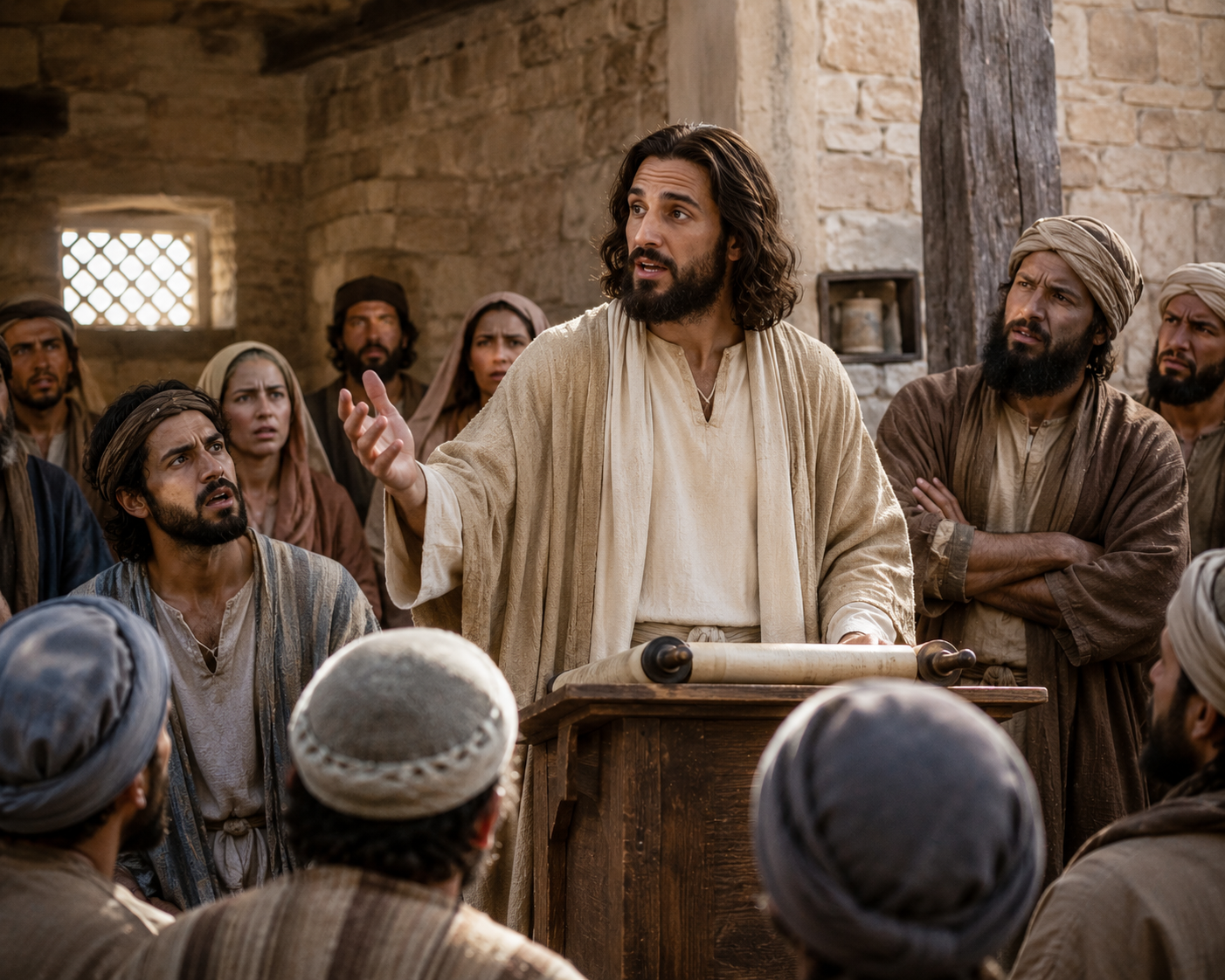
“I wasn’t too sure myself at first. I knew he said this as a rebuke to the high priest and the religious establishment. Everyone there knew he was telling this story against them. But later I asked the man beside me what he thought Jesus meant by this parable. He said the landowner was God, the religious leaders were the renters, and the servants who came to collect the rent were the prophets of the past. We just weren’t sure who the son was. I suggested that Jesus himself might be the son. But he just looked at me like I was a complete idiot, shook his head, and said, ‘God doesn’t have a son.’ I kept my mouth shut after that.”


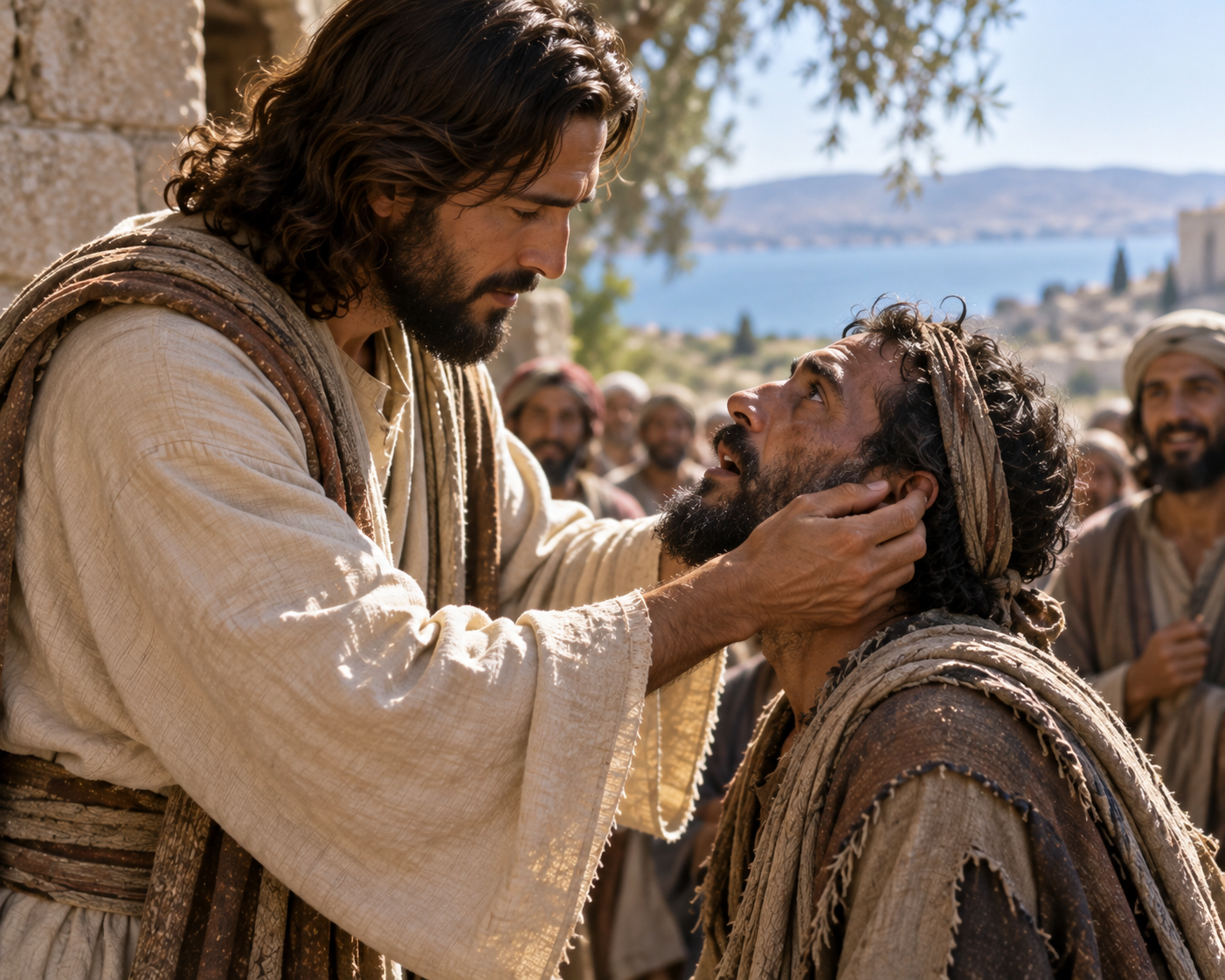
“Oh, yes,” she’d said. “Almost a year ago he healed a blind beggar from the Lower City. Jesus made some mud, put it on the beggar’s eyes, and sent him to wash in the Pool of Siloam. When he washed, he could see. It was a miracle. I’ve seen this man myself. I know it’s true,” she earnestly avowed.
“I wasn’t too sure myself at first. I knew he said this as a rebuke to the high priest and the religious establishment. Everyone there knew he was telling this story against them. But later I asked the man beside me what he thought Jesus meant by this parable. He said the landowner was God, the religious leaders were the renters, and the servants who came to collect the rent were the prophets of the past. We just weren’t sure who the son was. I suggested that Jesus himself might be the son. But he just looked at me like I was a complete idiot, shook his head, and said, ‘God doesn’t have a son.’ I kept my mouth shut after that.”
“Ha!” he scoffed. “Bring him on!” He reached for his flagon. Finding it empty, he bellowed, “Where’s my wine?”
and stroked the pattern. “We supply market stalls in Galilee. One of our sellers there told me of this prophet. He had seen him in Galilee.”