• Home
  • About
  • DavidKitz.ca
  • Youtube Videos
  • Books by David
  • Books on Amazon.com

I love the Psalms

~ Connecting daily with God through the Psalms

I love the Psalms

Tag Archives: Jesus

Keep Me Safe, LORD

08 Monday Sep 2025

Posted by davidkitz in Psalm 140

≈ Leave a comment

Tags

armor of God, Bible, gospel, Jesus, Prayer, Psalms, shield of faith, spiritual battles, sword of the Spirit, the LORD, victory

Today’s quote and prayer from
“Psalms 365: Develop a Life of Worship and Prayer”

Today’s Reading: Psalm 140:1-5

LORD God,
keep me alert.
A spiritual battle is raging around me.
I want to be a warrior
who knows and hears his Commander.
Jesus,
your blood was shed to secure my victory.
Thank you.
Amen.

— — — —
 
Finally,
be strong in the Lord
and in his mighty power.
 
Put on the full armor of God, 
so that you can take your stand
against the devil’s schemes.
 
For our struggle is not against flesh and blood, 
but against the rulers,
against the authorities, 
against the powers of this dark world
and against the spiritual forces of evil
in the heavenly realms.
 
Therefore put on the full armor of God, 
so that when the day of evil comes,
you may be able to stand your ground,
and after you have done everything, to stand.
 
Stand firm then,
with the belt of truth buckled around your waist, 
with the breastplate of righteousness in place,
 
and with your feet fitted with the readiness
that comes from the gospel of peace.
 
In addition to all this,
take up the shield of faith, 
with which you can extinguish
all the flaming arrows of the evil one.
 
Take the helmet of salvation 
and the sword of the Spirit, 
which is the word of God.

(Ephesians 6:10-17 NIV)*

Para la publicación de Salmos 365 de hoy en español haga clic aquí.

bgbg_v4.3_1501818
* NEW INTERNATIONAL VERSION, COPYRIGHT ©1973, 1978, 1984, 2011 BY BIBLICA

Please pray for peace to return to Israel, Gaza, Sudan, and Ukraine!

Volume I of Psalms 365: Develop a Life of Worship and Prayer won the Best Book of the Year Award from The Word Guild and Volume II has won the Best Devotional of the Year Award. For those who love God’s word, this three-book series is an ideal way to daily meet with the Lord. To purchase or for a closer look click here.

A gripping read from David Kitz.
Is a return-to-Jesus revival possible in our time?
This book points the way forward.

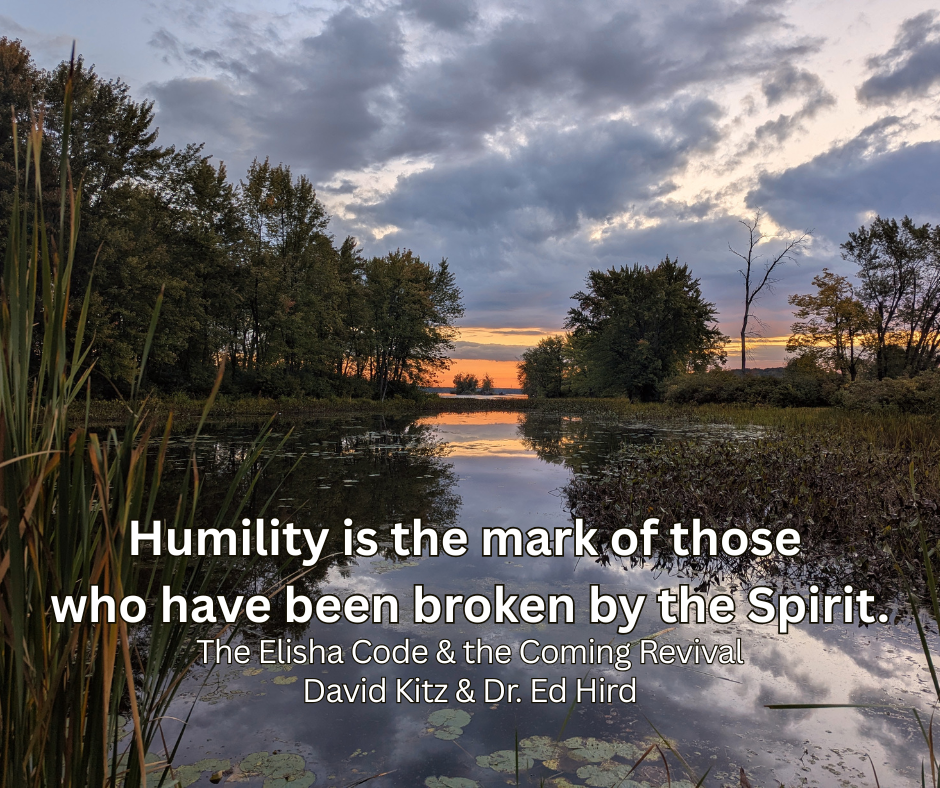
The Elisha Code & the Coming Revival

07 Sunday Sep 2025

Posted by davidkitz in revival

≈ Leave a comment

Tags

Bible, Billy Graham, Christian theology, Christianity, faith, God, God's word, gospel, Holy Spirit, Holy Spirit inspired, Jesus, Jesus Movement, preach Jesus, revival, spiritual renewal

Discovering Jesus Blueprint for Renewal

By
David Kitz & Dr. Ed Hird

Foreword by Lee Grady

I became a serious Christian at the tail end of the Jesus movement. I was too young to remember the hippie beads, tie-dyed shirts and “Jesus Is Groovy” slogans, but the songs were still popular when I was in college (including musicians such as Andrae Crouch, Love Song and Second Chapter of Acts), as were the movies—especially The Cross and the Switchblade.

The Jesus movement was like a spiritual tsunami that washed over hundreds of thousands of young people in the late 1960s and early ‘70s and brought them into a personal relationship with Christ. Some of these kids had been drug addicts and social misfits; most were just average Joes and Janes who discovered that Jesus is a lot more exciting than traditional churches had led them to believe.

Lately I find myself waxing nostalgic for those days—not because I want to return to the awkward fashions and hairstyles of 1972, but because I miss the spiritual simplicity of that era. The Jesus movement was primarily focused on—surprise!—Jesus. Theology was not complicated; pastors weren’t trying to be hip or sophisticated or tech-savvy, and we hadn’t yet created a Christian subculture with its own celebrities and political power bases.

Today, we just don’t preach enough about Jesus. In today’s ultra cool megachurch era, we’ve become experts on everything but basic Christian theology 101. In my recent travels I’ve been horrified to learn that many believers have given up the discipline of reading their Bibles even semi-regularly, and very few believers have ever led anyone to faith in Christ. One by one we are trading in our solid moral values for a squishy, spineless, whatever-is-right-for-you faith. People today prefer a steady diet of culturally relevant, fast-paced, techno-theology that is a poor substitute for biblical discipleship.

Even many Spirit-filled believers have developed the attitude that a simple focus on Christ isn’t enough. We’d rather go to a “prophetic encounter” to hear who will win the next election, or experience some exotic spiritual manifestation (gold dust, gems falling out of the ceiling). Or we prefer to ask Rev. Flash-in-the-Pan to pray for us for the sixteenth time so we can receive yet another “special anointing” that we will probably never use. 

In the midst of all this chaos, where is Jesus? Am I the only one out there who is weary of this distraction? Thankfully not. I am so pleased to read this book by Ed Hird and David Kitz because they share my concerns. The Elisha Code and the Coming Revival is a refreshing challenge to return to Jesus—and to expect spiritual revival when we clean up our message.

Call me old-fashioned, but I’ve decided to get back to the basics of the faith. That’s why I am reading What Jesus Is All About?, a classic book written 70 years ago by Henrietta Mears, a Bible teacher who helped mentor both Billy Graham and Bill Bright in the 1940s. 

Mears explains in her book how each of the four gospels give us a unique, four-dimensional portrait of the Savior. According to Mears:

  • Matthew was written to Jews to tell of a Promised Messiah who is also a King—and it uses the word “kingdom” 55 times.
  • Mark was written to Gentiles to tell of a Powerful Savior—and it reports more miracles than any other gospel.
  • Luke was written by a Gentile to tell of a Perfect Savior—and it has the most references to Jesus’ humanity.
  • John was written by “the disciple whom Jesus loved” to tell of a Personal Savior—and it has the most references to Jesus’ divine nature.

The Holy Spirit who inspired the Bible knew we needed more than a one, two, or three-dimensional look at Jesus. The Spirit gave us a four-dimensional view so that we could gaze at Him from all sides and become captivated by His magnificence—His supreme kingship, His compassionate mercy, His supernatural power, His perfect justice, His amazing humility and His love for sinners like you and me.

There’s so much more to Jesus than we realize. And there is so much more to say about Him than we are telling our generation. Instead of giving people a gospel diluted with left-wing or right-wing politics, or a message mixed with cultural “relevance,” we need to give them the real Jesus.

In this insightful book, full of keen insights from the lives of the prophets Elijah and Elisha, the authors challenge us to examine our message, repent of our unfaithfulness and embrace the raw courage to preach Jesus again. As you read this book, please allow God’s powerful Word to cut deep.

Lee Grady
Former Editor, Charisma
Author, Follow Me and The Holy Spirit Is Not for Sale
Director, The Mordecai Project

This is the first weekly excerpt from the award-winning book 
The Elisha Code & the Coming Revival 

A soul-gripping read.
Is a return-to-Jesus revival possible in our time?
This book points the way forward.
For details click here.

Interrupting the Cycle of Hate

04 Thursday Sep 2025

Posted by davidkitz in Psalm 139, Psalms

≈ Leave a comment

Tags

Bible, evil, Father in heaven, forgive, Jesus, love your neighbor, Prayer, Psalms, righteous, the LORD

Today’s quote and prayer from
“Psalms 365: Develop a Life of Worship and Prayer”


Today’s Reading: Psalm 139:19-22

LORD God,
you know all my hurts.
I bring them before you.
Pour your love into me,
so I can love even my enemies.
Show me the way forward.
Jesus,
you forgave even those who killed you.
Help me walk in the way of love
and peace.
Amen.

— — — —
 
 Jesus said…

“You have heard that it was said,
‘Love your neighbor and hate your enemy.’
But I tell you,
love your enemies
and pray for those who persecute you,
that you may be children of your Father in heaven.
He causes his sun to rise on the evil
and the good,
and sends rain on the righteous
and the unrighteous”

(Matthew 5:43-45 NIV)*

Para la publicación de Salmos 365 de hoy en español haga clic aquí.

bgbg_v4.3_1501818
* NEW INTERNATIONAL VERSION, COPYRIGHT ©1973, 1978, 1984, 2011 BY BIBLICA

Please pray for peace to return to Israel, Gaza, and Ukraine!

Volume I of Psalms 365: Develop a Life of Worship and Prayer won the Best Book of the Year Award from The Word Guild and Volume II has won the Best Devotional of the Year Award. For those who love God’s word, this three-book series is an ideal way to daily meet with the Lord. To purchase or for a closer look click here.

A gripping read from David Kitz.
Is a return-to-Jesus revival possible in our time?
This book points the way forward.

Stop Hate the Cycle

04 Thursday Sep 2025

Posted by davidkitz in Psalms

≈ 2 Comments

Tags

Bible, devotion, enemies, faith, forgiveness, grace, healing, hurt, Jesus, love, Prayer, Psalms, reconciliation, Reflection

Today’s Devotion from Psalms 365 by David Kitz

Reading: Psalm 139:19-22
If only you, God, would slay the wicked!
Away from me, you who are bloodthirsty!
They speak of you with evil intent;
your adversaries misuse your name.
Do I not hate those who hate you, LORD,
and abhor those who are in rebellion against you?
I have nothing but hatred for them;
I count them my enemies. *

Photo by Porapak Apichodilok on Pexels.com

Reflection
As much as I love the psalms of the Bible, there are some psalms, or verses within psalms that I would just like to skip. I wish they weren’t there. Today’s reading from Psalm 139 is a prime example. The author’s words are filled with venom. Why are they even in the Bible? (Please bear with me.)

Passages like today’s reading are particularly troubling in light of Jesus’ teaching in the New Testament. In his great Sermon on the Mount, he gave us this teaching: “You have heard that it was said, ‘Love your neighbor and hate your enemy.’ But I tell you, love your enemies and pray for those who persecute you, that you may be children of your Father in heaven. He causes his sun to rise on the evil and the good, and sends rain on the righteous and the unrighteous” (Matthew 5:43-45).

Reconciling today’s reading from Psalm 139 with Jesus’ words makes my head hurt. Jesus calls us to an incredibly high standard—God’s standard. God shows kindness and love even to the unrighteous. They like us receive both sunshine and rain. Let’s face it, when someone hurts me, my default position is to hurt them back. That’s the natural human response. That’s the way it has been since the beginning, and the world is full of lasting scars—intergenerational scars because of it. Wounded people have been busy hurting other wounded people as hate builds on hate in the home, at work and internationally.

But Jesus came to interrupt that corrosive cycle. He asks us to counter that hurt—that slight—that injury with love. Now that’s truly revolutionary. It’s a revolt against the status quo of hatred that has poisoned human relations in our country and the world. Has someone gone out of their way to hurt you? Retaliate with an act of love. That’s what Jesus is saying.

Is that hard? Absolutely. It’s much easier to respond like the author of today’s reading from Psalm 139. So why is this portion of Psalm 139 in the Bible? Maybe it should be redacted—blacked over like a secret government file.

Psalm 139 like all the psalms, began as someone’s personal prayer—their personal interaction with God. They are pouring out their heart before God. It’s a heart that has been wounded by others. Should they bottle-up those feelings and never express them to God? Of course not. We need to pour out our hurts to God. He alone can heal and change that wounded heart.

Response: LORD God, you know all my hurts. I bring them before you. Pour your love into me, so I can love my enemies. Show me the way forward. Jesus, you forgave even those who killed you. Amen.

Your Turn: Have you changed your default position from hate to love?

Para la publicación de Salmos 365 de hoy en español haga clic aquí.

bgbg_v4.3_1501818
* NEW INTERNATIONAL VERSION, COPYRIGHT ©1973, 1978, 1984, 2011 BY BIBLICA

Please pray for peace to return to Israel, Gaza, and Ukraine!

Volume I of Psalms 365: Develop a Life of Worship and Prayer won the Best Book of the Year Award from The Word Guild and Volume II has won the Best Devotional of the Year Award. For those who love God’s word, this three-book series is an ideal way to daily meet with the Lord. To purchase or for a closer look click here.

A gripping read from David Kitz.
Is a return-to-Jesus revival possible in our time?
This book points the way forward.
For details click here.

The Foreknowledge of God the Father

02 Tuesday Sep 2025

Posted by davidkitz in Psalm 139, Psalms

≈ Leave a comment

Tags

Bible, blood of Christ, chosen by God, foreknowledge, God's elect, God's grace, Jesus, peace, Prayer, Psalms, remedy, the LORD

Today’s quote and prayer from
“Psalms 365: Develop a Life of Worship and Prayer”

Today’s Reading: Psalm 139:7-12

LORD God,
you know me.
You know all my sins,
my weaknesses and shortcomings.
Yet you love me.
I bring all these things before you.
Wash me clean.
Jesus,
your shed blood is my remedy.
Amen.

— — — —
 
Peter, an apostle of Jesus Christ,
To God’s elect,
exiles scattered throughout the provinces of Pontus,
Galatia, Cappadocia, Asia and Bithynia,
who have been chosen
according to the foreknowledge of God the Father,
through the sanctifying work of the Spirit,
to be obedient to Jesus Christ
and sprinkled with his blood:
Grace and peace be yours in abundance.

(1 Peter 1:1-2 NIV)*

Para la publicación de Salmos 365 de hoy en español haga clic aquí.

bgbg_v4.3_1501818
* NEW INTERNATIONAL VERSION, COPYRIGHT ©1973, 1978, 1984, 2011 BY BIBLICA

Please pray for peace to return to Israel, Gaza, Iran, and Ukraine!

Volume I of Psalms 365: Develop a Life of Worship and Prayer won the Best Book of the Year Award from The Word Guild and Volume II has won the Best Devotional of the Year Award. For those who love God’s word, this three-book series is an ideal way to daily meet with the Lord. To purchase or for a closer look click here.

A gripping read from David Kitz.
Is a return-to-Jesus revival possible in our time?
This book points the way forward.

Seeking God Instead of Hiding

02 Tuesday Sep 2025

Posted by davidkitz in Psalms

≈ Leave a comment

Tags

devotion, faith, forgiveness, gospel, grace, hope, Jesus, Light, mercy, Psalm, redemption, Reflection, salvation, Scripture, truth

Today’s Devotion from Psalms 365 by David Kitz

Reading: Psalm 139:7-12
Where can I go from your Spirit?
Where can I flee from your presence?
If I go up to the heavens, you are there;
if I make my bed in the depths, you are there.
If I rise on the wings of the dawn,
if I settle on the far side of the sea,
even there your hand will guide me,
your right hand will hold me fast.
If I say, “Surely the darkness will hide me
and the light become night around me,”
even the darkness will not be dark to you;
the night will shine like the day,
for darkness is as light to you (NIV). *

My soul finds rest in God — photo by David Kitz

Reflection
One of my favorite games as a child was hide and seek. Whenever a group of kids got together, it wouldn’t take long before someone would say, “Hey, let’s play hide ’n’ seek.” We settled on who would be the seeker, and off we went, happily playing until the adults eventually called an end to our fun.

I preferred being the hider rather than the seeker. What about you? There seems to be something fun, even natural about hiding. We should be good at it. Humankind has been hiding since that fateful day in the Garden of Eden. After willfully disobeying God, what was the first thing Adam and Eve did? They hid. First, they hid their nakedness from each other; then they hid from their loving Creator. Humanity has been playing hide and seek from God ever since. And yes, we are the hiders.

We should be the seekers—seekers after God. Instead, we find ourselves hiding our sins and hiding from our God and Savior. What utter foolishness this is? The psalmist expresses this reality so well. Where can I go from your Spirit? Where can I flee from your presence? If I go up to the heavens, you are there; if I make my bed in the depths, you are there (v. 7-8).

We can’t hide from God. Why can’t we, you ask. Because He is God—all knowing—present everywhere. This behavior—this hiding from God—is nothing more than profound stupidity on our part. Why do we even attempt such an impossible feat? Are we so blinded by guilt and shame that we can’t face the One to whom we must give an account? But the Grand Accountant has also provided the remedy for our sin and the guilt and shame that follows.

The remedy is the blood of Jesus. He is the atoning sacrifice that brings us back into fellowship with God. He became one of us so he could lead us, like errant sheep back to our Father God. There is no need to hide. Speaking of himself, Jesus said, “For the Son of Man came to seek and to save the lost” (Luke 19:10).

Response: LORD God, you know me. You know all my sins, my weaknesses and shortcomings. Yet you love me. I bring all these things before you. Wash me clean. Jesus, your shed blood is my remedy. Amen.

Your Turn: Have you been playing hide and seek with God? Is it time to stop hiding and start seeking?

Para la publicación de Salmos 365 de hoy en español haga clic aquí.

bgbg_v4.3_1501818
* NEW INTERNATIONAL VERSION, COPYRIGHT ©1973, 1978, 1984, 2011 BY BIBLICA

Please pray for peace to return to Israel, Gaza, and Ukraine!

Volume I of Psalms 365: Develop a Life of Worship and Prayer won the Best Book of the Year Award from The Word Guild and Volume II has won the Best Devotional of the Year Award. For those who love God’s word, this three-book series is an ideal way to daily meet with the Lord. To purchase or for a closer look click here.

A gripping read from David Kitz.
Is a return-to-Jesus revival possible in our time?
This book points the way forward.
For details click here.

Learn from Me

01 Monday Sep 2025

Posted by davidkitz in Psalm 139

≈ Leave a comment

Tags

Bible, burdens, cleansing from sin, faith, grace of God, inner healing, Jesus, Prayer, Psalms, the LORD

Today’s quote and prayer from
“Psalms 365: Develop a Life of Worship and Prayer”

Today’s Reading: Psalm 139:1-6

LORD God,
turn on your light inside of me.
You know my deep hurts
and inner struggles.
You are familiar with all my ways.
Cleanse me
and heal me from within.
By grace and faith,
I am your child.
Amen.

— — — —
 
Jesus says…

“Come to me,
all you who are weary and burdened,
and I will give you rest.
Take my yoke upon you
and learn from me,
for I am gentle and humble in heart,
and you will find rest for your souls.

For my yoke is easy
and my burden is light.”

(Matthew 11:28-30 NIV)*

Para la publicación de Salmos 365 de hoy en español haga clic aquí.

bgbg_v4.3_1501818
* NEW INTERNATIONAL VERSION, COPYRIGHT ©1973, 1978, 1984, 2011 BY BIBLICA

Please pray for peace to return to Israel, Gaza, Iran, and Ukraine!

Volume I of Psalms 365: Develop a Life of Worship and Prayer won the Best Book of the Year Award from The Word Guild and Volume II has won the Best Devotional of the Year Award. For those who love God’s word, this three-book series is an ideal way to daily meet with the Lord. To purchase or for a closer look click here.

A gripping read from David Kitz.
Is a return-to-Jesus revival possible in our time?
This book points the way forward.

Full Redemption

31 Sunday Aug 2025

Posted by davidkitz in Psalms, Psalms Alive!

≈ Leave a comment

Tags

forgiveness of sins, God, Jesus, mercy of God, Prayer, Psalm 130, Psalms, redemption, the LORD

Psalm 130

A Song of Ascents

Out of the depths I cry out to you, O LORD;
O Lord, hear my voice.
Let your ears be attentive to my cry for mercy.
If you, O LORD, kept a record of sins,
O Lord, who could stand?
But with you there is forgiveness;
therefore you are feared.

I wait for the LORD, my soul waits,
and in his word I put my hope.
My soul waits for the Lord
more than watchmen wait for the morning,
more than watchmen wait for the morning.

O Israel, put your hope in the LORD,
for with the LORD is unfailing love
and with him is full redemption.
He himself will redeem Israel
from all their sins. (NIV)

I have a secret to share. One of the reasons I love the psalms so much is because by reading them I can become a spiritual voyeur. The psalms let me see what most people hide. They take me gently by the hand and lead me into the inner sanctum of the human soul. Here I see men in travail with their God. Here I see the ecstasy of worship—joyous and unrestrained. Here I see everything laid bare before the One who sees all. Here I discover what it means to know God and be fully known by Him.

I come away saying, “So this is what loving God looks like. So, this is what it means to be in a soul-bonding relationship with the Maker of the universe.”

In the psalms we catch a glimpse of these intimate times with God, and we discover how these times can become our own. This is the Bible’s explicit, How-to-Manual for Intimacy with God.

Psalm 130 is a perfect example of a psalm that brings us into the private inner sanctum of communion with God. Here is a portrait of a fallen man—a man on his knees before his Maker, the eternal One. Hear him now as he agonizes in prayer, “Out of the depths I cry out to you, O LORD; O Lord, hear my voice. Let your ears be attentive to my cry for mercy.”

Photo by cottonbro on Pexels.com

The opening lines of this psalm leave little doubt as to what has transpired. The psalmist has failed; he has missed the mark. He has transgressed, yet again. There is an abject poverty of spirit reflected in these words—a poverty that almost makes us cringe.

We do not know what sin, or list of sins has brought the psalmist to this wretched state. The transgression is left unstated. Was it anger, malice, or unbridled lust? Was it pride, greed or wilful dishonesty? Was this a transgression of the mind, of the tongue, of action or inaction? Or was it some combination or permutation of all of these? God knows. We are left guessing.

But a forthright appraisal of my own soul leaves ample latitude for the scope and the severity of sin. I am always somewhat skeptical of those who sanctimoniously claim they could never commit this or that sin. I think we rarely comprehend the depravity of our own hearts. Pushed into wrong circumstances, in the wrong environment, with the wrong peer group, who can plumb the depths to which a man or woman may sink?

I am human, tainted by the fall, by the original transgression. I can identify with the psalmist. I have added my own pile of dung to this world’s heap of moral filth. I too have found myself in the psalmist’s position, sobbing out these words, “Out of the depths I cry out to you, O LORD; O Lord, hear my voice. Let your ears be attentive to my cry for mercy.”   

But … despite my failings, despite my moral poverty, this great God—this God of holiness—is approachable. He is a God of mercy. The psalmist reminds himself and the LORD of His merciful nature.

            “If you, O LORD, kept a record of sins, O Lord, who could stand? But with you there is forgiveness; therefore you are feared.”

I need daily reminders of the mercy of God. God the moral accountant is also the Lord of forgiveness. No one does forgiveness better than God. He destroys the record. What accountant does that?

It is income tax time right now, as I complete this manuscript. So, I find myself caught between completing this book and completing my tax return. My accountant always insists that I keep all my receipts, all my records, and every slip of paper. He warns that at some point in the future the revenue department may decide to do an audit of my tax account.

But with God there is no future audit. Every sin I have brought to Him has been erased. It’s been destroyed. The LORD has no record of it. He can’t find it, and He’s not even looking for it. It’s gone. Gone forever! 

Wow! What an amazing God! He makes sins disappear. He keeps no records. He is a forgiving God; hence He is feared. The psalmist clearly states, “But with you there is forgiveness; therefore you are feared.”

Now that is a rather curious statement. The forgiveness of God produces in us a reverent fear of the Great Forgiver. We respect, honor, and worship the LORD because He forgives—not because He mocks us for our errors, and slams us into the jail cell of guilt. No, just the opposite is true. God forgives, not once or twice, but repeatedly. He forgives on day one thousand just as freely as He did on day one. He has no remembrance of our first offence. He has no record of it. A purposeful, divine senility has set in. Yet the Ancient of Days is still omniscient; He knows everything. He chooses to forgive me, and to see me as faultless. I have an unblemished record, because there is no record of my wrongs.

Because He forgives, I love Him. Because He forgives, I fear Him, and I will serve Him all the days of my life. He is a shelter for the fallen. He is help for the failing. He is an anchor for the wayward. When I cry out from the depths, He hears. The LORD is there.

And He is here now. He listens. He is listening to your thoughts. His Holy Spirit convicts us of sin and then wrenches us into alignment with the Almighty. Yes, the gentle Holy Spirit forces us into soul-altering repentance. By forcing us, I mean the Spirit works on our stubborn, hell-bent will until we yield to the will of God. This is the soul-wrenching experience of every God-encountering believer, and we are witnessing such an encounter here within this psalm.    

Psalm 130 can be divided into three distinct sections: the confessional approach, the wait, and the LORD’s response. Thus far, we have been looking at the confessional approach. The psalmist comes before his God and pours out his heart. In desperation he pleads for mercy and forgiveness. At the same time, he acknowledges the extreme mercy of God. He knows full well that this God forgives the undeserving.

Now, the psalmist waits.

            “I wait for the LORD, my soul waits, and in his word I put my hope. My soul waits for the Lord more than watchmen wait for the morning, more than watchmen wait for the morning.”

This is the step that is most frequently missing in our communion with God. We cannot wait. We rush on. We have things to do, people to see, a life to live. We have no time to wait for the LORD’s response.

But without waiting, we cannot hear the LORD speaking to our hearts. The rush of life takes over. We do not hear Him speak the words of divine pardon. We do not hear the voice of our Saviour. Prayer is reduced to one way communication. We speak into the silence and allow no time for the God of silence to answer back. By our actions we insist that God must respect our timetable.

How many times has the LORD tried to call you and all that He has heard from your end of the line is an annoying busy signal? Will our merciful God continue to call?

What a different response we see from the psalmist. “I wait for the LORD, my soul waits, and in his word I put my hope. My soul waits for the Lord more than watchmen wait for the morning, more than watchmen wait for the morning.”

Misty morning sunrise — Orleans, ON — photo by David Kitz

The repetition of that last line adds a certain gravity to every word. There is resolute determination in these words. I can hear the psalmist saying to himself, “I’m not going anywhere until the LORD answers. I need to hear His voice for myself. I need to hear the pardon from His lips.”

In this time of waiting, the psalmist turns to the written word of God. He states, “In his word I put my hope.”

Where do you turn as you wait for God to answer your prayers?

Turn to God’s word. Read it. Meditate on it. Let it fill your soul. From the pages of His word, God speaks. Put your hope in God’s enduring word.

Now in Psalm 130, we encounter the third transition within the poetic structure of this psalm. There is a one-line break and then the psalmist continues.  There is a dramatic change from this point on. Here is the third section—the LORD’s response. The psalmist is no longer addressing the LORD in humble prayer. Now he is addressing us. It is as though the psalmist has heard from God within that blank line on the page. The waiting is over. God has spoken, and now the psalmist rises to his feet. He has a message from the LORD for us—the Israel of God.

            “O Israel, put your hope in the LORD, for with the LORD is unfailing love and with him is full redemption.”

For Israel, there was a long wait. The promised Messiah was a long time in coming. The centuries slipped by. Generation after generation passed on, but the word of the LORD stood firm. A redeemer was coming. The ongoing question remained, “Will he come in my day? Will I see his face?”

With an uncanny accuracy the Old Testament prophets foretold the coming of the Christ. Many of those prophesies are found within the Book of Psalms. In Psalm 22, with agonizing detail, David portrayed Christ’s suffering on the cross. Jesus himself drew attention to this prophetic link, as he cried out from the cross, “My God, my God, why have you forsaken me?” (Psalm 22:1; Matthew 27:46).  

Now speaking with personal assurance that his sins are forgiven, the psalmist declares, “O Israel, put your hope in the LORD, for with the LORD is unfailing love and with him is full redemption.”

The LORD is our fount of hope. He is love and the source of unfailing love. It is He who will redeem us, body, soul and spirit.

            “He himself will redeem Israel from all their sins.”

This is not a job for sacrificial lambs and goats, or the ashes of a heifer. The LORD “himself will redeem Israel from all their sins.”

What a revelation! Redemption in the old covenant involved the shedding of blood. From the time of the first Passover, the firstborn of Israel belonged to the LORD. They were to be redeemed by an animal sacrifice. But here through the voice of the psalmist the LORD makes clear that the old sacrificial system will be superseded. “He himself will redeem Israel from all their sins.”

The God of heaven will come in person—He Himself. He will come in human form and stretch out His hands to draw all humanity to Himself—every infant, every girl and boy, every woman and man—all are included. He will Himself redeem us from our sins. He will take the spikes on our behalf, in our stead. He will bleed for us. The remedy for sin will be found at the foot of the cross.

The psalmist closing words echo Abraham’s words on the way to Mount Moriah, the hill of sacrifice. Abraham told Isaac, “God himself will provide the lamb for the burnt offering, my son” (Genesis 22:8).

God Himself will provide. He will provide Himself. He will provide “the Lamb of God, who takes away the sin of the world” (John 1:29).

Photo by Kat Jayne on Pexels.com

So through the psalms, this spiritual voyeur is brought from beneath the starry hosts to the most intimate place—the place of the cross. There water and blood flowing mingling down. Filthy and naked I come, and there I am washed clean—clean by the blood of the Lamb. 

Bringing Life to the Psalms

  1. In what respect are the psalms a How-to-Manual for Intimacy with God? Do you agree or disagree with this description?
  2. Take time to consider the three sections of this psalm, the confessional approach, the wait, and the LORD’s response. Can this become a pattern for your own times of prayer?
  3. There is a prophetic element to this psalm. Where does that prophetic element come from? Does it come from waiting on God? Read Psalm 22 and reflect on the revelation given to David in that psalm.
  4. Take time to read Genesis 22. Read it from a father’s perspective. Then read it from Isaac’s perspective. Finally try to view this account from our heavenly Father’s perspective. What do you believe was God’s intent in all of this?
  5. Rejoice. The LORD Himself has stretched out His hands and redeemed you from all your sins. 

Today’s post is Chapter 26, the last chapter from the book Psalms Alive! Connecting Heaven & Earth by David Kitz. To find out more or purchase click here.


Abandoned and Desolate

29 Friday Aug 2025

Posted by davidkitz in Psalm 138

≈ Leave a comment

Tags

abandoning God, Bible, blessed, children, desolation, God's kindness, Jerusalem, Jesus, Prayer, prophets, Psalms, temple of the Holy Spirit, the LORD

Today’s quote and prayer from
“Psalms 365: Develop a Life of Worship and Prayer”

Today’s Reading: Psalm 138:6-8

LORD God,
I want you to be fully at home
in my heart and my mind.
Show me your kindness.
My body is a temple
for your Holy Spirit.
Live in me and through me,
Lord Jesus.
Amen.

— — — —
 
“Jerusalem, Jerusalem,
you who kill the prophets
and stone those sent to you,
how often
I have longed to gather your children together,
as a hen gathers her chicks under her wings,
and you were not willing.

Look,
your house is left to you desolate.
I tell you,
you will not see me again until you say,
‘Blessed is he
who comes in the name of the Lord.’”

(Luke 13:34-35 NIV)*

Para la publicación de Salmos 365 de hoy en español haga clic aquí.

bgbg_v4.3_1501818
* NEW INTERNATIONAL VERSION, COPYRIGHT ©1973, 1978, 1984, 2011 BY BIBLICA

Please pray for peace to return to Israel, Gaza, Iran, and Ukraine!

Volume I of Psalms 365: Develop a Life of Worship and Prayer won the Best Book of the Year Award from The Word Guild and Volume II has won the Best Devotional of the Year Award. For those who love God’s word, this three-book series is an ideal way to daily meet with the Lord. To purchase or for a closer look click here.

A gripping read from David Kitz.
Is a return-to-Jesus revival possible in our time?
This book points the way forward.

Will the LORD Abandon Us?

29 Friday Aug 2025

Posted by davidkitz in Psalm 138

≈ Leave a comment

Tags

abandoned, abandoned houses, abandoning God, Bible, devotion, gospel, Holy Spirit, Jesus, Prayer, Psalms, Savior, the LORD

Reading: Psalm 138:6-8

Though the LORD is exalted, he looks kindly on the lowly;
    though lofty, he sees them from afar.
 Though I walk in the midst of trouble,
    you preserve my life.
You stretch out your hand against the anger of my foes;
    with your right hand you save me.
The L
ORD will vindicate me;
    your love, L
ORD, endures forever—
    do not abandon the works of your hands
(NIV). *

The abandoned McNeill Estate in the Spirit Rock Conservation Area, Wiarton, Ontario — photo by David Kitz.

Reflection
There is something tragic about an abandoned house. An empty house has a missing soul. It was built to have souls—people—in it, so an absence of life invokes feelings of sadness in me. At one point, hopes and dreams were alive in that house. It was a place of comfort and love—a refuge from nature’s elements. Perhaps it echoed with the voices of children at play, but now it sits empty and forlorn.

I find it surprising how quickly a home or community deteriorates after it’s abandoned. Have you viewed videos or the haunting images of the abandoned communities around the Chernobyl and Fukushima nuclear plants? In a few short years everything constructed by humans has become completely overgrown, and it begins to decay and breakdown.  

Turning to today’s reading, we see that David ends this psalm with both a confession of faith and a prayer: The LORD will vindicate me; your love, LORD, endures forever—do not abandon the works of your hands (v. 8).

David lives in confidence that the LORD is with him and will vindicate him—will side with him in the battles of life. But he adds this petition—do not abandon the works of your hands.

What happens when God abandons us? I dread the thought. When the LORD no longer lives among us, our lives—our spiritual lives—begin to deteriorate like an abandoned house in a nuclear exclusion zone. Around Fukushima wild boars have taken over. With no one to oppose them, they have ravaged the countryside and have moved into the abandoned towns. 

Will the LORD abandon us? There is little chance of that happening. The far greater concern is that we abandon the LORD. I have witnessed firsthand the devastation that occurs when that happens. When people who respond to the gospel turn their backs on their Savior, over time the outcome resembles the ravages of nature on an abandoned home.

We need to recall these words: Though the LORD is exalted, he looks kindly on the lowly; though lofty, he sees them from afar. Though I walk in the midst of trouble, you preserve my life (v. 6-7a).

Response: LORD God, I want you to be fully at home in my heart and my mind. Show me your kindness. My body is a temple for your Holy Spirit. Live in me and through me, Lord Jesus. Amen.

Your Turn: How do you feel about abandoned houses? Is your inner man (woman) occupied by God?

Para la publicación de Salmos 365 de hoy en español haga clic aquí.

bgbg_v4.3_1501818
* NEW INTERNATIONAL VERSION, COPYRIGHT ©1973, 1978, 1984, 2011 BY BIBLICA


Please pray for peace to return to Israel, Gaza, and Ukraine!

Volume I of Psalms 365: Develop a Life of Worship and Prayer won the Best Book of the Year Award from The Word Guild and Volume II has won the Best Devotional of the Year Award. For those who love God’s word, this three-book series is an ideal way to daily meet with the Lord. To purchase or for a closer look click here.

A gripping read from David Kitz.
Is a return-to-Jesus revival possible in our time?
This book points the way forward.
For details click here.

← Older posts
Newer posts →

Psalms 365: Develop a Life of Worship and Prayer

Psalms 365 Volume II

Psalms 365 vol 3
— Psalms 365 Volume III

Psalms

Recent posts

  • They Do Not Know What They Are Doing January 12, 2026
  • Don’t Step into the Hate Trap January 12, 2026
  • A Fortress of Salvation January 11, 2026
  • Finishing Well and Growing in Fruitfulness  January 11, 2026
  • I Call to You for Help January 10, 2026
  • Above All Gods January 9, 2026
  • The Need for a Place of Refuge January 9, 2026

Calendar

January 2026
M T W T F S S
 1234
567891011
12131415161718
19202122232425
262728293031  
« Dec    

Blog Posts

Comments

  • davidkitz on Finishing Well and Growing in Fruitfulness 
  • My Life in Our Father's World on Finishing Well and Growing in Fruitfulness 
  • davidkitz on Above All Gods

Blog at WordPress.com.

Privacy & Cookies: This site uses cookies. By continuing to use this website, you agree to their use.
To find out more, including how to control cookies, see here: Cookie Policy
  • Subscribe Subscribed
    • I love the Psalms
    • Join 1,380 other subscribers
    • Already have a WordPress.com account? Log in now.
    • I love the Psalms
    • Subscribe Subscribed
    • Sign up
    • Log in
    • Report this content
    • View site in Reader
    • Manage subscriptions
    • Collapse this bar
 

Loading Comments...