• Home
  • About
  • DavidKitz.ca
  • Youtube Videos
  • Books by David
  • Books on Amazon.com

I love the Psalms

~ Connecting daily with God through the Psalms

I love the Psalms

Tag Archives: Jerusalem

The Son of David’s Endless Rule

01 Thursday Mar 2018

Posted by davidkitz in Bible, Devotionals, Psalm 89, Psalms

≈ 2 Comments

Tags

Assyrian, Babylonians, David, idolatry, Jerusalem, Jesus, Jewish, Judea, King David, King Solomon, Kingdom of Judah, pagan, Samaria

Reading:                                     Psalm 89

(Verses 30-37)
“If his sons forsake my law
and do not follow my statutes,
if they violate my decrees
and fail to keep my commands,
I will punish their sin with the rod,
their iniquity with flogging;
but I will not take my love from him,
nor will I ever betray my faithfulness.
I will not violate my covenant
or alter what my lips have uttered.
Once for all, I have sworn by my holiness—
and I will not lie to David—
that his line will continue forever
and his throne endure before me like the sun;
it will be established forever like the moon,
the faithful witness in the sky”
(NIV).

Reflection
Today’s reading from Psalm 89 continues on the theme of King David’s endless rule through his offspring. Once for all, I have sworn by my holiness—and I will not lie to David—that his line will continue forever and his throne endure before me like the sun; it will be established forever like the moon, the faithful witness in the sky.”

img_20170101_085151-2

“The the faithful witness in the sky”  — photo by David Kitz

There is however a sizeable problem with this promise to David for those who know biblical Jewish history. After the death of David’s son, the wise King Solomon, Israel was divided. The rebellious people of the northern Kingdom fell into idolatry and chose a new king, who was not a descendant of David. Despite warning after warning from prophets sent by God, Israel continued in its idolatrous ways until the nation was destroyed and swept away by Assyrian invaders in 720 BC.

On the other hand for hundreds of years, generation after generation a descendant of David sat on the throne of the southern Kingdom of Judah. For the most part these were kings who followed in the footsteps of their ancestor David. They worshipped the LORD, unlike the idolatrous northern kings of Israel who ruled from their capital Samaria. But eventually pagan practises found their way into Judea as well. In succession, several kings—descendants of David—turned to worship idols. God’s judgment fell on Judah too when the Babylonians invaded and destroyed Jerusalem in 582 BC.

So what is the point of this brief history lesson? The point is precisely this: These words from Psalm 89 are a lie and God is a liar—a sworn liar to David—unless we view Jesus as the royal heir who rules for all eternity. The Jewish kingdom came to an end. No Jewish king has ruled over a Jewish kingdom for more than 2,000 years. But Jesus, the eternal son of David reigns. Is he reigning over your life?

Response: LORD God, I submit to the reign of Jesus. You are my King—my King now and forever. Help me to govern my life according to your will and purpose. I praise you, my Savior and King. Amen.

Your Turn: Is Jesus your King? How can you show your submission to his rule today?
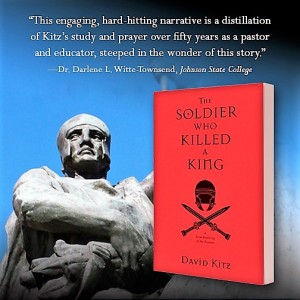
Excerpt 5 for Lent from “The Soldier Who Killed a King”

23 Friday Feb 2018

Posted by davidkitz in Books by David Kitz, Lent

≈ Leave a comment

Tags

Alexandria, blind, demons, Galilee, Jericho, Jerusalem, Jesus, Kidron Valley, Longinus, repentance, Son of David

A journey to the cross is a journey to repentance. It’s a journey to deep personal change. Will you take this journey with me?

In today’s reading, Marcus Longinus the centurion, disguised in his civilian clothes, is waiting by the city gate for the arrival of Jesus. It is the morning of the second day of Passover Week.

Then someone ahead of me pointed and yelled, “That’s him! He’s coming!”
Necks craned. I raised my hand to shade my eyes. Just over the brow of the hill, a figure in white rabbinical robes was beginning his descent into the Kidron Valley. It soon became apparent he was not alone. A clutch of young bearded men surrounded him, and trailing behind was an assortment of wives, children, and barking dogs of both types, canine and human. The whole entourage may have numbered a hundred twenty. There was no donkey today and, to my relief, no thronging thousands. I’m sure there was a collective sigh of relief above the gate as well.
The near-giddy anticipation of these spectators was something I had not expected. I wasFree WWe SHARABLE-1 (2) surprised to find myself caught up in it. The front edges of the crowd by the wall surged forward to line the roadside. Meanwhile, others continued to pour through the gate.

The man to my left stepped forward, planting his foot on my toes. I grunted in pain and instinctively pushed my thumb and knuckles into his ribs. This brought the desired relief, and the man turned to face me. It was the man with the boy on his shoulders.
“My toes!” I gestured.
“Sorry, my friend.”
I felt slightly embarrassed by the gruffness of my response. “You’re waiting to see Jesus,” I offered, stating the obvious.
“Yeah. The kids are crazy about him.” He nodded in the direction of the brood to my right. “It’s all they talked about since we came yesterday.”
I could tell from his accent that he was from Galilee, so I continued. “Do you know much about him? See, I’m a Passover pilgrim from Alexandria in Egypt. All I know is what I saw yesterday.”
“That was incredible!” he enthused. “Did you see him come in on the donkey? That’s fulfillment of a prophecy.”
Then he took on a more distant, thoughtful look, and he began to quote. “Rejoice greatly, Daughter Zion! Shout, Daughter Jerusalem!” And now his eyes brightened. “See, your king comes to you, righteous and victorious.” He slowed for emphasis, and with his free hand stabbed the air. “Lowly and riding on a donkey, on a colt, the foal of a donkey.”
It always amazed me how these people memorized their Scriptures. “So, do you think he’s”—I hesitated—“the Christ?”
“Shh!” He gestured with a finger to his lips and a glance to the wall. “Or the stones will hear.”
He continued. “There is no one like him. He drives out demons. He heals the sick. Even the dead have been raised. And yesterday”—his voice raced with excitement— “yesterday I saw this with my own eyes. He healed a man born blind.”
Seeing my interest, he pressed on.
“In the morning, we were leaving Jericho, the whole throng from Galilee, and by the side of the road was this blind beggar. He was yelling, ‘Jesus, Son of David, have mercy on me!’ Jesus stopped and touched the man’s eyes.”
He made as though he would touch my eyes.
“And he was healed!” His own bright eyes beamed at me as he smiled broadly. The boy on his shoulders also joined in his father’s enthusiasm as for the first time he smiled down at me.
We began to reposition ourselves, for the object of our conversation was now drawing near.
He nudged my shoulder. “And when he speaks, it’s like God is talking to me. None of the rabbis speak like him. It’s like he has seen heaven and heard the voice of the Holy One.” A girl in her teens near the front edge of the crowd shouted, “Hosanna to the Son of David!”
Soon others joined in. The masses surged around him, and together we squeezed through the Messiah Gate and pressed on toward the temple.

Is Your Town a City of God?

20 Tuesday Feb 2018

Posted by davidkitz in Bible, Devotionals, Psalm 87, Psalms

≈ 1 Comment

Tags

Ark of the Covenant, capital, city, city of God, community, David, galleries, Gatineau River, historic buildings, Holy Spirit, Jerusalem, Jesus, John Ceprano, museums, Ottawa, Ottawa River, Remic Rapids Park, Rideau Falls, Rideau River, Zion

Reading:                                       Psalm 87

Of the Sons of Korah. A psalm. A song.
He has founded his city on the holy mountain.
The L
ORD loves the gates of Zion
more than all the other dwellings of Jacob.
Glorious things are said of you,
city of God:
“I will record Rahab and Babylon
among those who acknowledge me—
Philistia too, and Tyre, along with Cush—
and will say, ‘This one was born in Zion.’”
Indeed, of Zion it will be said,
“This one and that one were born in her,
and the Most High himself will establish her.”
The L
ORD will write in the register of the peoples:
“This one was born in Zion.”
As they make music they will sing,
“All my fountains are in you”
(NIV).

Reflection
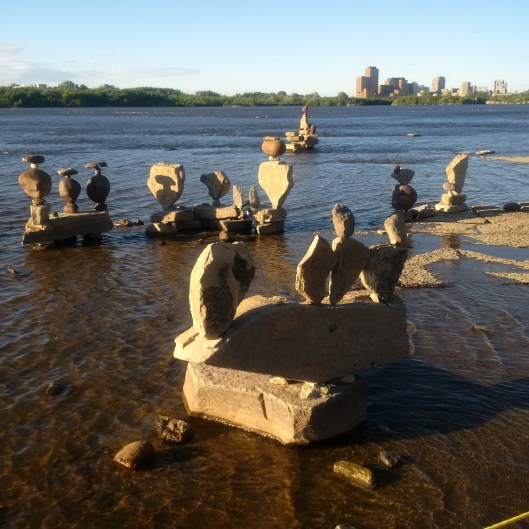
Do you love your hometown? I hope you do. I certainly love my hometown, or to be more accurate, my home city. I live in Ottawa, Canada’s capital city. Though I wasn’t born or raised in Ottawa, I chose to live here. There’s a lot to love about Ottawa. Like any major world capital, there are plenty of grand museums, galleries, historic buildings and monuments. But I think it’s their situation or setting that makes the city so attractive.

IMG_20160702_191646

Remic Rapids Park, Ottawa, ON, balanced rock sculptures by John Ceprano — photo by David Kitz

 Ottawa is situated at the juncture point of three rivers. The scenic Rideau River winds its way through the city from the south before it plunges into the Ottawa River at the Rideau Falls. On the north shore of the Ottawa River the Gatineau River makes its entry after passing through the rugged Gatineau Hills. With three scenic rivers there’s an abundance of city parks and green space.

According to the psalmist, the LORD loves his hometown too. The LORD loves the gates of Zion more than all the other dwellings of Jacob. Glorious things are said of you, city of God.

During the Old Testament era the LORD chose to dwell in Zion the citadel within Jerusalem. It was David who first brought the Ark of the Covenant to Zion after one of his successful military campaigns. (See 2 Samuel 6.) From that time forward Jerusalem has been called the city of God. It became the city of God because God dwelt there. In due course, His temple was built there.

What about your city or town? Does God dwell there? What truly makes a place remarkable or special is the One who lives there. The presence of God can turn a hut or a humble stable into the portal to heaven. If Jesus is enthroned in your heart then God is truly with you. He is in your city.

Response: LORD God, my body is a temple of the Holy Spirit. Thank you for being so personal—so intimate with me. I want to honor and serve you in my community. Be present and active here. Amen.

Your Turn: What do you like most about your community/city? Is God active in your community?

Excerpts for Lent from “The Soldier Who Killed a King”

19 Monday Feb 2018

Posted by davidkitz in Books by David Kitz, Christ's Passion, Lent

≈ Leave a comment

Tags

David Kitz, Hosanna, Jerusalem, Messiah, Palm Sunday, Passion Week, Passover, pilgrims, Roman soldiers, soldier, Son of David, The Soldier Who Killed a King, triumphal entry

A journey to the cross is a journey to repentance. It’s a journey to deep personal change. Will you take this journey with me?

Four in the afternoon, Sunday, April 2, AD 30
It was never like this before. biblical-fiction-award-2017_orig
I had been posted in Jerusalem for ten years now, but in all that time, I had never seen a Passover crowd like this.
It wasn’t the numbers. I had seen that before.
The Passover pilgrims always come plodding into the city in reverent caravans. Some of them chant psalms. Others are silent, looking bone-weary as they trudge, like fretful herdsmen with children in tow. Undoubtedly, many are relieved that their holy city is finally in view.
But this year it was different. There was this man—at the center of the whole procession. There had never been a central figure before. Every movement within that huge throng seemed focused on him.
Squinting in a futile attempt to get a better view, I gave Claudius a backhanded slap to the shoulder and demanded, “What are they doing?”
“They’re climbing the trees, sir.”
“I can see that!” I snapped. “But what are they doing?”
“They seem to be tearing off the palm branches, sir.”
“What is going on here?” I said it more to myself than to any of the men standing near me. An uncomfortable feeling crept into me as the procession advanced.
“They don’t usually do this?” Claudius questioned.
“No . . . They’ve never done this before.” There was worry in my voice. Claudius had been recently assigned to this place, the festering armpit of the empire, and I was at a loss to explain what was happening before us. We were standing on the wall above the gate of Jerusalem, and less than a half mile away, we could see the jubilant pilgrims surging toward us in alarming numbers.
“They’re laying the palm branches on the road in front of that man—the man on the donkey.”
Until Claudius said it, I hadn’t noticed the donkey. Its small size and the frenzy of activity round about must have obscured this detail in the picture before me. What an odd way for this man to come. I could make no sense of it.
“They’re throwing down their cloaks before him.”
The sweat- glistened bodies of several men were clearly visible. Outer garments were being cast down before this man as a sign of homage. At the same time the rhythmic chanting of their voices became more distinct.
What were they singing? Could I pick up the words?
     “Hosanna to the Son of David!”
     “Blessed is he who comes in the name of the Lord!”
     “Hosanna in the highest heaven!”
That’s when it hit me like a barbarian’s club. I realized what I was witnessing. It was a triumphal entry—the entry of a king.
It was the words. The words they were now boisterously shouting. He was their Messiah. The Son of David! The one they were waiting for! The one who would rid them of the Romans. He would set up his glorious Jewish kingdom, here, in Jerusalem! This is what I had been warned about since the day I first set foot on this cursed Judean soil. And we, I and my men and the garrison in the city, were all that stood in their way.

Forgive our Sins for Your Name’s Sake

30 Tuesday Jan 2018

Posted by davidkitz in Bible, Devotionals, Psalm 79, Psalms

≈ 4 Comments

Tags

foreign armies, intergenerational sins, Jerusalem, Lord, mercy, minorities, national sins, Savior, sins

Reading:                                      Psalm 79

(Verses 8-13)
Do not hold against us the sins of past generations;
may your mercy come quickly to meet us,
for we are in desperate need.
Help us, God our Savior,
for the glory of your name;
deliver us and forgive our sins for your name’s sake.
Why should the nations say,
“Where is their God?”
Before our eyes, make known among the nations
that you avenge the outpoured blood of your servants.
May the groans of the prisoners come before you;
with your strong arm preserve those condemned to die.
Pay back into the laps of our neighbors seven times
the contempt they have hurled at you, Lord.
Then we your people, the sheep of your pasture,
will praise you forever;
from generation to generation
we will proclaim your praise
(NIV).

Reflection
Psalm 79 began with the psalmist lamenting that Jerusalem had been invaded by foreign armies. Destruction and bloodshed were everywhere. O God, the nations have invaded your inheritance; they have defiled your holy temple, they have reduced Jerusalem to rubble (Psalm 79:1). Now at the conclusion of this psalm there is a plea for God’s help and mercy. Do not hold against us the sins of past generations; may your mercy come quickly to meet us, for we are in desperate need.

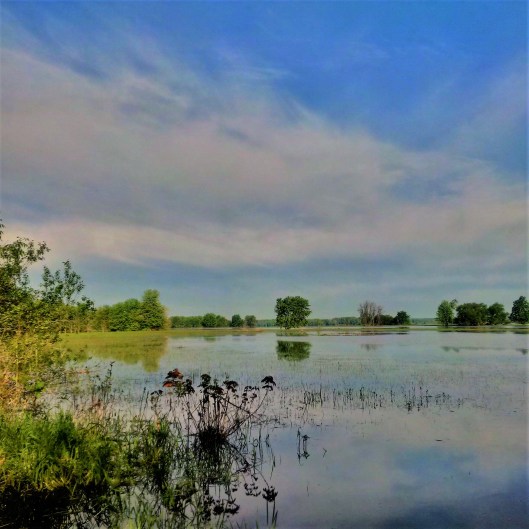
2017-06-04b

Ottawa River backwaters, Orleans, ON — photo by David Kitz

It becomes clear from this psalm and other passages in scripture that there are personal sins and there are corporate or national sins. Here specifically the psalmist is reflecting on the sins of the nation. Both personal and national sins can be intergenerational. They are passed down from generation to generation with terrible consequences. The father who disrespects and abuses his wife is far more likely to raise a son who does the same to his partner.
The nation that mistreats racial, religious or ethnic minorities within its borders can expect dire national consequences. The LORD hears the cries of the oppressed. He heard the cries of the people of Israel when they were enslaved in Egypt, and the LORD hasn’t suddenly changed. His ears are still open to the cries of any people who cry out to Him for mercy.

But as for us, we need to recognize our collective or national sins even as we recognize and repent of our personal sins. Why should the nations say, “Where is their God?” As always, our God is watching us. He is watching over the nations and He sees how we treat our neighbors here and around the world.

Response: LORD God, deliver us and forgive our sins for your name’s sake. Forgive the sins we have committed against minorities within our borders.  You hold us accountable. Show us your mercy.  Amen.

Your Turn: Does the LORD care only about us, or all people? How can we reflect God’s love for all?

The Conquering King

12 Tuesday Dec 2017

Posted by davidkitz in Bible, Devotionals, Psalm 68, Psalms

≈ 3 Comments

Tags

conquer, conquest, David, Egypt, God, Jerusalem, Jesus, Kingdom of God, military conquest, submission, submit, the LORD, triumph, triumphant, victorious

Reading:                                      Psalm 68

(Verses 24-31)
Your procession, God, has come into view,
the procession of my God and King into the sanctuary.
In front are the singers, after them the musicians;
with them are the young women playing the timbrels.
Praise God in the great congregation;
praise the L
ORD in the assembly of Israel.
There is the little tribe of Benjamin, leading them,
there the great throng of Judah’s princes,
and there the princes of Zebulun and of Naphtali.
Summon your power, God;
show us your strength, our God, as you have done before.
Because of your temple at Jerusalem
kings will bring you gifts.
Rebuke the beast among the reeds,
the herd of bulls among the calves of the nations.
Humbled, may the beast bring bars of silver.
Scatter the nations who delight in war.
Envoys will come from Egypt;
Cush will submit herself to God
(NIV).

Reflection
All of Psalm 68 is a hymn of triumph—national triumph. In today’s reading it is apparent that this psalm is a triumphant processional song penned by David. The enemies of Israel have been vanquished and God’s army has returned victorious.

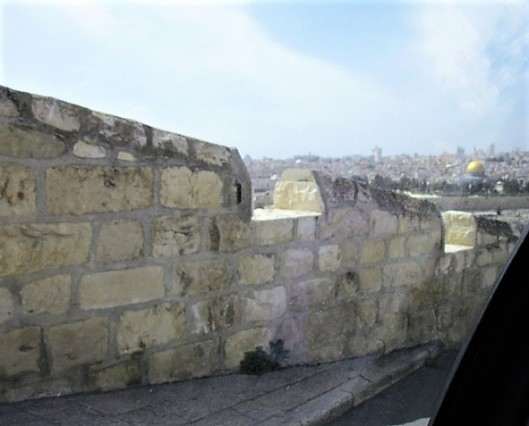
via-dolorosa

Via-Dolorosa in Jerusalem — photo courtesy of Lois Morrow

For Christians today, does this psalm hold a deeper significance? Does it signify more than a celebration after a military conquest?

The King we serve—the one born in a stable—didn’t come to establish an earthly kingdom by means of guns and war. In his defence before Pilate Jesus said, “My kingdom is not of this world. If it were, my servants would fight to prevent my arrest by the Jewish leaders. But now my kingdom is from another place” (John 18:36).

Make no mistake; Jesus calls us to be citizens in his heavenly Kingdom. It is a Kingdom that is headquartered in heaven, but its address on the earth is the human heart—your heart—my heart. Furthermore, that Kingdom grows in power and influence as we yield our will to God and joyfully become more like His son, Jesus. For followers of Jesus, battles are won as we submit our will to God.

There are nations—Egypt and Cush (the upper Nile region) are mentioned here—that will submit themselves to God. But for us today, submission must first come from our own stubborn heart.

Response: LORD God, I yield my will to you. Conquer my heart with your love. Through Jesus sacrifice on the cross I am yours. Help me to joyfully live as a productive citizen of your Kingdom on earth. Amen.

Your Turn: Have you been conquered by the love of God? Where is your primary citizenship?

Written for a Future Generation

29 Sunday Oct 2017

Posted by davidkitz in Bible, Psalm 102, Psalms

≈ 3 Comments

Tags

generations, Jerusalem, praise, prisoners, sanctuary, the LORD, worship, Zion

I will praise Him!

IMG_2185

Autumn glory — photo courtesy of Liz Kranz

Let this be written for a future generation,
    that a people not yet created may praise the LORD:
“The LORD looked down from his sanctuary on high,
    from heaven he viewed the earth,
to hear the groans of the prisoners
    and release those condemned to death.”
So the name of the LORD will be declared in Zion
    and his praise in Jerusalem
when the peoples and the kingdoms
    assemble to worship the LORD.

(Psalm 102:18-22, NIV)

The God of the City

20 Friday Oct 2017

Posted by davidkitz in Bible, Devotionals, Psalm 48, Psalms

≈ Leave a comment

Tags

Ark of the Covenant, cities, city, God's Spirit, Jerusalem, Lord Almighty, MacNutt, Mount Zion, New Covenant, praise, Saskatchewan, temple, the LORD

Reading:                                       Psalm 48

A song. A psalm of the Sons of Korah.
(Verses 1-8)
Great is the LORD, and most worthy of praise,
in the city of our God, his holy mountain.
Beautiful in its loftiness, the joy of the whole earth,
like the heights of Zaphon is Mount Zion,
the city of the Great King.
God is in her citadels;
he has shown himself to be her fortress.
When the kings joined forces,
when they advanced together,
they saw her and were astounded;
they fled in terror.
Trembling seized them there,
pain like that of a woman in labor.
You destroyed them like ships of Tarshish
shattered by an east wind.
As we have heard, so we have seen
in the city of the L
ORD Almighty,
in the city of our God:
God makes her secure forever
(NIV).

Reflection
I grew up on a farm in wide open rural Saskatchewan, Canada. It was a cross-country mile to the nearest neighbour, but if you stood at the right spot in our farmyard, you could see our neighbour’s house. I loved growing up on the farm and I still love visiting. Who wouldn’t? I was living in God’s country surrounded by the wild beauty of nature in all its varied, changing forms.

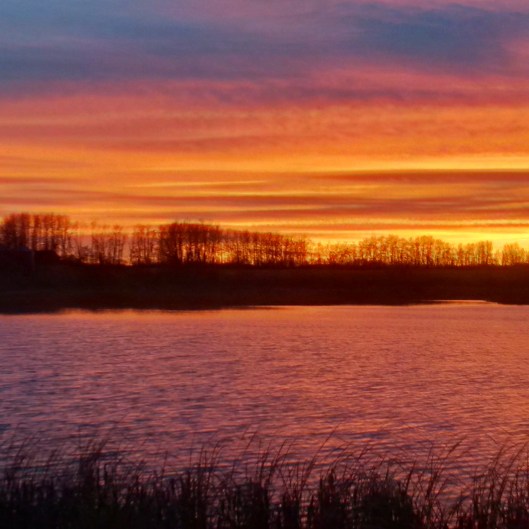
img_20161108_172452_hdr

Autumn sunset near MacNutt, Saskatchewan — photo by David Kitz

 But I have spent the last forty years living in the city—actually three rather large cities with populations of more than a million. Is the God of the open country the God of the city too? The psalmist seemed to think so. He begins Psalm 48 with this declaration: Great is the LORD, and most worthy of praise, in the city of our God, his holy mountain.

Of course the sons of Korah were referring to biblical Jerusalem, more specifically Mount Zion, the fortified citadel within the walls of ancient Israel’s capital. God was within her. During the reign of David the Ark of the Covenant—the seat of the LORD’s rule—was housed in the sacred tabernacle on Mount Zion. This was where God dwelt.

Where does God dwell today? As partakers of the new covenant, through the blood of Christ we are the temples of God. Paul, the apostle, asks, “Don’t you know that you yourselves are God’s temple and that God’s Spirit dwells in your midst?” (1 Corinthians 3:16). God dwells in the city too—your city. Whether it’s Calgary, Ottawa, New York or Tokyo, God is within her because His redeemed people live there.

Response: LORD, I thank you because you live within us! Help me to let my light shine in my city. Amen.

Your Turn: How would you characterize your city? How is God revealing His presence there?

Welcoming the King of Glory

18 Tuesday Jul 2017

Posted by davidkitz in Bible, Devotionals, Psalm 24, Psalms

≈ 1 Comment

Tags

Almighty, David, Holy Spirit, Jerusalem, Jesus, king, King David, King of glory, Palm Sunday, pure, seeking God, temple, the LORD, triumphal entry, warrior

Reading:                                      Psalm 24

(Verses 7-10)

Lift up your heads, you gates;
be lifted up, you ancient doors,
that the King of glory may come in.
Who is this King of glory?
The L
ORD strong and mighty,
the L
ORD mighty in battle.
Lift up your heads, you gates;
lift them up, you ancient doors,
that the King of glory may come in.
Who is he, this King of glory?
The L
ORD Almighty—
he is the King of glory
(NIV).

Reflection
Are you ready? The King is coming.

2017-07-12c

Lift up your head — Montebello, Quebec — photo by David Kitz

All of Psalm 24 is a psalm of anticipation. David, the shepherd king, is anticipating the arrival of the LORD. The LORD is coming to His city—to His temple. Have you prepared your heart and your mind for the moment of His arrival? Are you ready to receive Him as your King? He often shows up at the moment we least expect Him.

Undoubtedly, David, the warrior King, was reflecting on his own triumphant entry into the city after the defeat of his enemies in battle. But here in this psalm, he projects the victorious arrival of a much greater monarch—the King of glory.

There is a prophetic expectancy to this psalm that forms a very natural bridge to the Palm Sunday triumphal entry of Jesus into Jerusalem. Jesus, the long anticipated King, came suddenly to His temple. Some were ready for Him; most were not. This should infuse our preparations for the King with an element of urgency. We can miss his appearing. Earlier in this psalm David asks, “Who may stand in his holy place?”

Purity of heart and action are essential. Blessing and vindication awaits those who seek His face. Again I ask, “Are you ready?” God can show up in your life today in an unexpected way. Will you recognize Him? Or like the busy people of Jerusalem will that moment pass you by? Will you be too caught up in buying and selling and the commerce of our times? Will you be too distracted by social media to recognize the medium of the Holy Spirit?

Lift up your head. Open your eyes. Take your attention off the mundane things of this world and focus the eyes of your heart on the Lord. Seek His face in your daily routine. The King of glory may be passing by today.

Response: Come, Lord Jesus, come. I open my heart and my mind to you. I want to see you at work in my daily circumstances. King of Glory, help me to anticipate your appearing in my life today. Grant me a pure heart so I can recognize your coming. Amen.

Your Turn: Has the King of glory appeared in your life recently? What are you doing to prepare for Him?

Where I Live

14 Wednesday Jun 2017

Posted by davidkitz in Psalm 15, Psalms

≈ 1 Comment

Tags

address, dwelling, God's presence, holy mountain, Jerusalem, Mount Zion, omnipresent, temple, Tent of Meeting, the LORD

Reading:                                         Psalm 15

A psalm of David.

LORD, who may dwell in your sacred tent?
Who may live on your holy mountain?
The one whose walk is blameless,
who does what is righteous,
who speaks the truth from their heart;
whose tongue utters no slander,
who does no wrong to a neighbor,
and casts no slur on others;
who despises a vile person
but honors those who fear the L
ORD;
who keeps an oath even when it hurts,
and does not change their mind;
who lends money to the poor without interest;
who does not accept a bribe against the innocent.
Whoever does these things
will never be shaken
(NIV).

Reflection

Where are you living? Please note, I did not ask, “What is your address?”

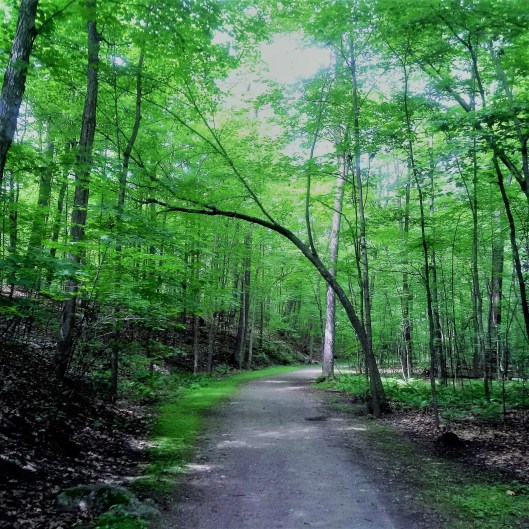
2017-06-04e

Quiet waters, Petrie Island, Orleans, ON — photo by David Kitz

For the Old Testament believer, God had an address. He lived in the Tent of Meeting on Mount Zion in Jerusalem. Later this was the location of the great temple built by Solomon. But this entire psalm is based on the premise that we can live in the presence of God. Why else would David ask, “LORD, who may dwell in your sacred tent? Who may live on your holy mountain?”

It would appear that wherever we are, it is possible to live one’s life in the conscious presence of the LORD. What an awesome privilege. But how is that possible? On an intellectual level, this is a no brainer. God is present everywhere. We are continually living our lives in full view of an omnipresent God.

Am I always aware of His presence? No, not always.

What can I do to change that? The psalmist lists some requirements for living in the LORD’s presence. Apparently, God is vitally concerned with the way we walk out our life of faith—the words we speak, and our interactions with neighbours and friends. The list of requirements found in this psalm is all about practical day to day living, being true to our word, loving our neighbour, and being generous to those in need.

The day is coming when I will meet the LORD face to face, but can I see Him before that final day? Do I see Him in the face of my neighbour?

Response: Heavenly Father, I don’t want to come for an occasional visit. I want to live in your presence now and in eternity. Today, help me interact with others with the knowledge that you are watching every thought, word and action. I’m living with you. Amen.

Your Turn: When are you most conscious of God’s presence in your life?

← Older posts
Newer posts →

Psalms 365: Develop a Life of Worship and Prayer

Psalms 365 Volume II

Psalms 365 vol 3
— Psalms 365 Volume III

Psalms

Recent posts

  • This Is My Body January 29, 2026
  • Tasting God January 29, 2026
  • Much Superior to the Angels January 28, 2026
  • Praise Always for Answered Prayer January 28, 2026
  • All About Hope January 27, 2026
  • It Is Good to Wait Quietly January 26, 2026
  • The Plans of Nations January 26, 2026

Calendar

January 2026
M T W T F S S
 1234
567891011
12131415161718
19202122232425
262728293031  
« Dec    

Blog Posts

Comments

  • davidkitz on Tasting God
  • pastorpete51 on Tasting God
  • davidkitz on A Strong Fortress to Save Me

Blog at WordPress.com.

Privacy & Cookies: This site uses cookies. By continuing to use this website, you agree to their use.
To find out more, including how to control cookies, see here: Cookie Policy
  • Subscribe Subscribed
    • I love the Psalms
    • Join 1,383 other subscribers
    • Already have a WordPress.com account? Log in now.
    • I love the Psalms
    • Subscribe Subscribed
    • Sign up
    • Log in
    • Report this content
    • View site in Reader
    • Manage subscriptions
    • Collapse this bar
 

Loading Comments...