• Home
  • About
  • DavidKitz.ca
  • Youtube Videos
  • Books by David
  • Books on Amazon.com

I love the Psalms

~ Connecting daily with God through the Psalms

I love the Psalms

Tag Archives: gospel

The Power of the Most High

16 Tuesday Dec 2025

Posted by davidkitz in Psalm 22, Psalms

≈ 2 Comments

Tags

Elizabeth, God, gospel, Holy Spirit, Jesus, Mary, Messiah, Prayer, Psalms, redemption, Son of God, the LORD

Today’s quote and prayer from
“Psalms 365: Develop a Life of Worship and Prayer

 Today’s Reading: Psalm 22:27-31

Listen to today’s reading by Jonathan Dent:

https://davidkitz.blog/wp-content/uploads/2025/12/ps-2227-31-mix1-final.mp3


Father God,
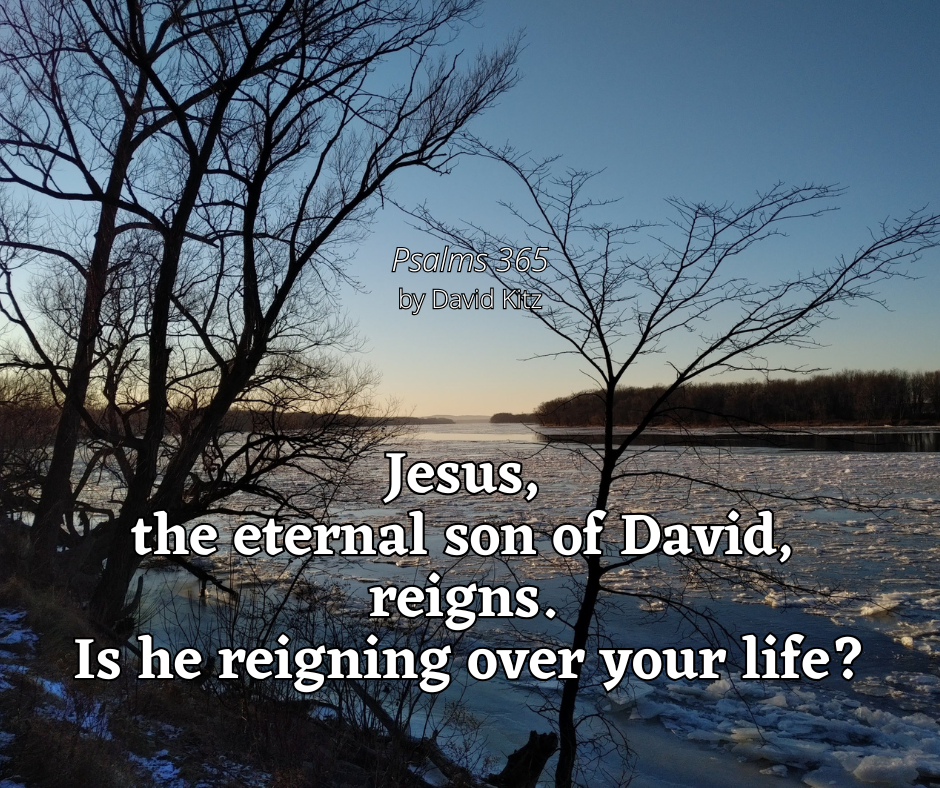
thank you for the good news of the gospel.
Jesus is alive and reigns forever.
Help me to do my part
in bringing the message of your love
and redemption to the world.
I want to see people from all nations
turning to you in repentance and faith.
Amen.

— — — —


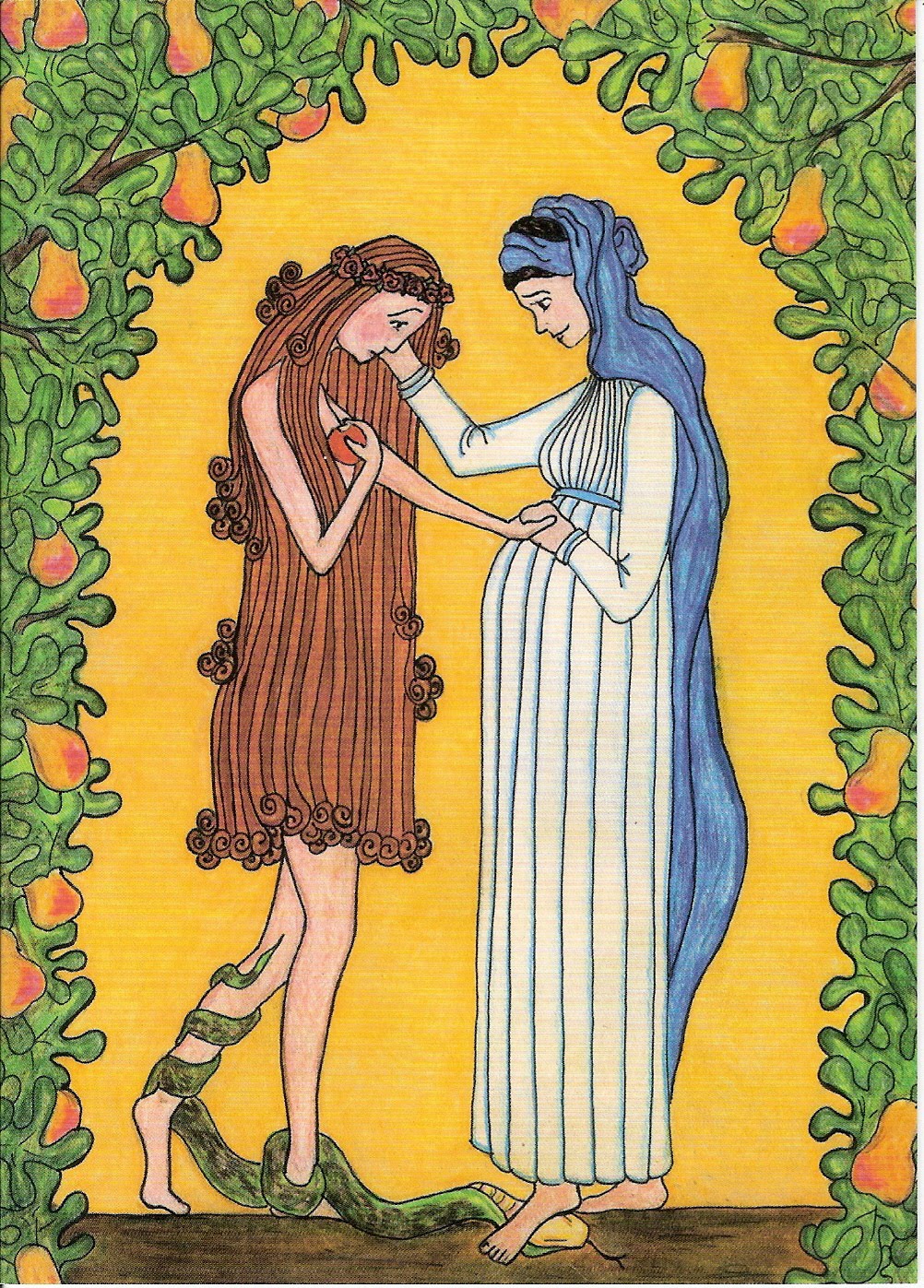
The Annunciation of the Coming Messiah—
Mary’s Response

“How will this be,”
Mary asked the angel,
“since I am a virgin?”

The angel answered,
“The Holy Spirit will come on you,
and the power of the Most High
will overshadow you.
So the holy one to be born
will be called the Son of God.

Even Elizabeth your relative
is going to have a child in her old age,
and she who was said
to be unable to conceive is in her sixth month.

For no word from God will ever fail.”

“I am the Lord’s servant,”
Mary answered.
“May your word to me be fulfilled.”
Then the angel left her.
(Luke 1:34-38 NIV)*

Para la publicación de Salmos 365 de hoy en español haga clic aquí.

bgbg_v4.3_1501818
* NEW INTERNATIONAL VERSION, COPYRIGHT ©1973, 1978, 1984, 2011 BY BIBLICA

Pray for enduring peace in Israel and Gaza,
and continue to pray for peace to return to Ukraine and Russia!

Volume I of Psalms 365: Develop a Life of Worship and Prayer won the Best Book of the Year Award from The Word Guild and Volume II has won the Best Devotional of the Year Award. For those who love God’s word, this three-book series is an ideal way to daily meet with the Lord. To purchase or for a closer look click here.

Also available from David Kitz

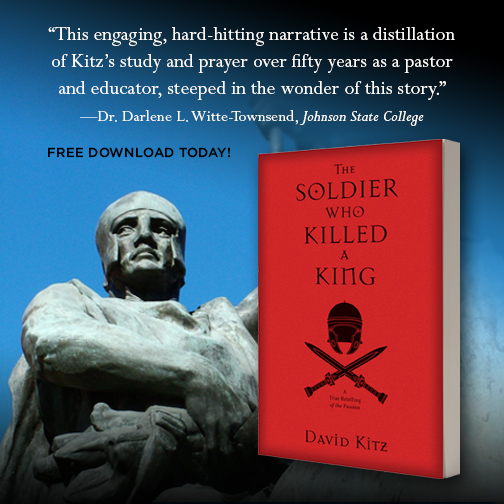
Holy Week as seen from a soldier’s perspective

American readers click this link to purchase The Soldier Who Killed a King.

Canadian readers click this link to purchase The Soldier Who Killed a King directly from the author.

 The Earth Turns to the LORD

16 Tuesday Dec 2025

Posted by Tim K in Psalm 22, Psalms

≈ 1 Comment

Tags

conquered, cross, crucifixion, generations, gospel, Jesus, nations, prophecy, Psalms, resurrection, suffering of Christ

Today’s Devotion from Psalms 365 by David Kitz

Reading: Psalm 22:27-31

Listen to today’s reading by Jonathan Dent:

https://davidkitz.blog/wp-content/uploads/2025/12/ps-2227-31-mix1-final.mp3

All the ends of the earth
    will remember and turn to the L
ORD,
and all the families of the nations
    will bow down before him,
for dominion belongs to the L
ORD
    and he rules over the nations.
All the rich of the earth will feast and worship;
    all who go down to the dust will kneel before him—
    those who cannot keep themselves alive.
Posterity will serve him;
    future generations will be told about the Lord.
They will proclaim his righteousness,
    declaring to a people yet unborn:
    He has done it!
(NIV)*

Photo by Ricky Gu00e1lvez on Pexels.com

Reflection
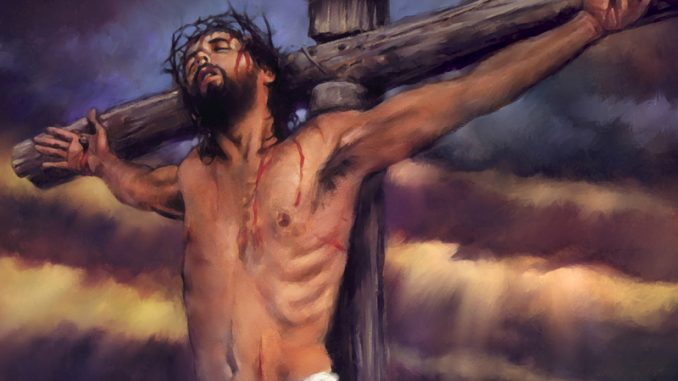
This final portion of Psalm 22 signals the ultimate triumph of the Lord Jesus Christ. In the first half of this psalm Christ’s humiliation, suffering and death by crucifixion are vividly portrayed. With stunning accuracy and detail, David depicts these events from Christ’s perspective. Only God-breathed prophetic insight could reveal such truth through a human vessel. For prophecy never had its origin in the human will, but prophets, though human, spoke from God as they were carried along by the Holy Spirit (2 Peter 1:21).

With today’s reading we discover the worldwide impact of Christ’s redemptive death and resurrection. All the ends of the earth will remember and turn to the LORD, and all the families of the nations will bow down before him, for dominion belongs to the LORD and he rules over the nations (v. 27-28).

Christ’s gospel—the good news of the Kingdom—has been voiced abroad. Death, hell and the grave have been conquered. Jesus Christ is Lord over all! Keep in mind this turning to the LORD by all the families of the nations was an alien concept to the people of Israel during David’s time. Yet again, David spoke prophetically of the time when the gospel message would burst forth from its Jewish cocoon and be declared and received by ready hearts all over the world. Our Savior’s commission will be fulfilled. “Therefore go and make disciples of all nations, baptizing them in the name of the Father and of the Son and of the Holy Spirit, and teaching them to obey everything I have commanded you. And surely I am with you always, to the very end of the age” (Matthew 28:19-20).

We have the promise of the world-wide spread of the gospel from generation to generation. Posterity will serve him; future generations will be told about the Lord. They will proclaim his righteousness, declaring to a people yet unborn: He has done it! (v. 30-31)

Response:
Father, thank you for the good news of the gospel. Jesus is alive and reigns forever. Help me to do my part in bringing the message of your love and redemption to the world. I want to see people from all nations turning to you in repentance and faith. Amen.

Your Turn:
 How can we spread the good news? What are you doing to tell His story?


Para la publicación de Salmos 365 de hoy en español haga clic aquí.

bgbg_v4.3_1501818
* NEW INTERNATIONAL VERSION, COPYRIGHT ©1973, 1978, 1984, 2011 BY BIBLICA

Please pray for peace to return to Israel, Gaza, Russia and Ukraine!

Volume I of Psalms 365: Develop a Life of Worship and Prayer won the Best Book of the Year Award from The Word Guild and Volume II has won the Best Devotional of the Year Award. For those who love God’s word, this three-book series is an ideal way to daily meet with the Lord. To purchase or for a closer look click here.

Volume I of Psalms 365: Develop a Life of Worship and Prayer won the Best Book of the Year Award from The Word Guild and Volume II has won the Best Devotional of the Year Award. For those who love God’s word, this three-book series is an ideal way to daily meet with the Lord. To purchase or for a closer look click here.


New from David Kitz

James—the brother of Jesus—who was this man? What evidence do we have that this “brother of our Lord” even existed?

David Kitz digs deep into archeology, family dynamics, church history, and the biblical texts. What emerges from his research is a portrait of a decisive, pivotal leader who embodied the will and character of Jesus Christ.

But how did James—James the unbeliever—transform to become a leader who changed the course of world history? In these pages you will uncover the answer and rediscover for yourself the life-changing power of the gospel.

To view further details or purchase directly from the author click here.

Elijah’s Flight from Woman

30 Sunday Nov 2025

Posted by davidkitz in Psalms, The Elisha Code

≈ Leave a comment

Tags

Bible, boys, E. Stanley Jones, Elijah, Elisha, gospel, healthy men, Heavenly Father, hiding from God, Jesus, Jezebel, prophets, sacrifice

Then the man and his wife heard the sound of the LORD God
as he was walking in the garden in the cool of the day,
and they hid from the LORD God among the trees of the garden.
 But the LORD God called to the man,
“Where are you?”
(Genesis 3:8-9, NIV)

Before continuing to examine the typological link between Elisha and Jesus, a closer look at the low point in Elijah’s ministry is warranted. We are all prone to temptation and often we are blind to our own weaknesses. Thousands of reputable ministries have been tarnished or ruined after notable accomplishments.

It is remarkable how Elijah had great success in challenging the 450 prophets of Baal, calling down fire from heaven, and then having these false prophets put to death (1 Kings 18:20-40). Finally, through prayer, he broke the three-year drought that had ravaged the land (Kings 18:41-46).

But after being cursed by Queen Jezebel, he runs away, becoming depressed and suicidal. How could just one woman have such a devastating impact on this hero of Israel? To what degree was she involved in the occult, and the manipulation of others through secret word curses?

Now Ahab told Jezebel everything Elijah had done and how he had killed all the prophets with the sword. So Jezebel sent a messenger to Elijah to say, “May the gods deal with me, be it ever so severely, if by this time tomorrow I do not make your life like that of one of them.” (1 Kings 19:1-2, NIV)

Jezebel believed she could destroy Elijah just like she destroyed many other men before him. But ultimately, she did not finish well.[i]

In the Alcoholics Anonymous twelve-step program, the acronym HALT is used to identify occasions when we are most vulnerable to temptation and even despair. Elijah suffered from all four temptations after his exhausting victory on Mount Carmel. His stunning success left him 1) Hungry 2) Angry 3) Lonely and 4) Tired.

What began as a flight from the woman, Jezebel, became a flight from God.

But God, in his compassion, ministered to Elijah’s four needs, giving him food and drink, counsel, companionship, and sleep (1 Kings 19:3-9). When Elijah said, “take my life”, it is reminiscent of Jonah after his success in Nineveh, where he too did not want to live. In that loss of hope, God spoke to Elijah not in the thunderstorm, earthquake, and pyrotechnics, but in that still small voice—the whisper of the Spirit (1 Kings 19:11-13).

The flight from woman and the LORD ended when Elijah started listening and instead of just ranting at God.

He replied, “I have been very zealous for the LORD God Almighty. The Israelites have rejected your covenant, torn down your altars, and put your prophets to death with the sword. I am the only one left, and now they are trying to kill me too”
(1 Kings 19:14, NIV).

Elijah had to give up the lie that he was the only one left. And furthermore, in listening to God, Elijah had to admit that he was not ultimately in control.

E. Stanley Jones

One of Ed’s heroes, E. Stanley Jones, listened to that still, small voice every day for one hour in the morning and one hour at night. He called it his listening post. Facing total burnout, Jones told God that he was done. God offered to take over if he would let go and let God order his life. He experienced Jesus’ healing when he came to a deep self-surrender. Elijah on Mount Horeb similarly had to come to a self-surrender. Surrender is like death for spiritual superheroes like Elijah. It is the breaking point that is often needed so we can be fully yielded to God’s will.

This flight from woman can be seen as representing a crisis in masculinity. CS Lewis scholar Leanne Payne wrote a remarkable book Crisis in Masculinity which she dedicated to Dr Karl Stern.  He was a Montreal Jewish psychiatrist (and believer in Jesus) who wrote the 1965 book Flight from Woman.[ii]

Leanne Payne, mentored by the healing pioneer Agnes Sanford, had a remarkable ministry of bringing wholeness to broken people, particularly those struggling with identity issues. She saw that many men were running from the feminine, because they were in crisis with their own masculine identity. The image of Narcissus to Leanne represented how many men curve in on themselves in self-worship.

Leanne was powerfully used in helping many men become whole through embracing their true identity as sons of the heavenly Father. Through healing prayer, Leanne helped many recover the divine imagination and creativity that had been lost in their self-absorption. All of us need healing in areas where the image of God has been broken inside us. Such powerful encounters with the Holy Spirit enable us to become more fully human. Such healing gives men the courage to responsibly embrace the unique challenges of marriage and family.

This crisis in masculinity has only deepened since the days of Payne and Stern. The identity confusion for young men is often paralyzing. The well-known Canadian psychologist Dr. Jordan Peterson often talks about how men are now the minority in university, and how many of them are struggling to find direction and academic accomplishment. These difficulties often begin in the elementary grades, where all too often there are no male teachers, few positive male role models, and academic performance among boys has seen an alarming decline.

We are witnessing a well-documented male aversion to leadership. Both boys and men are refusing to assume the mantel of leadership.

In post-modernism, men are often defined as the problem. Our culture deconstructs people through guilt and shame, and then often leaves them in nihilistic despair. In contrast, the gospel gives hope to people.

While Jordan Peterson is not yet a Christ follower, he has discovered how the Bible can help men be more authentic in living out their life’s calling as responsible contributors. Healthy men fight for their families and marriages. They do not run from them. Healthy men sacrifice for their families. They don’t sacrifice their wives and children on the altar of personal fulfillment and business success.

Elijah has much to teach men in our 21st century context. Even after he ran from woman, he ultimately was found by God, and returned to face the challenges that God had set before him.

Hiding never works. It did not work for Adam and Eve, and it did not work for Elijah. Everyone loses when men hide from the responsibilities of life.

This is the twelfth weekly excerpt from the award-winning book 
The Elisha Code & the Coming Revival 

A soul-gripping read.
Is a return-to-Jesus revival possible in our time?
This book points the way forward.
For details click here.

[i] 2 Kings 9:30-37

[ii] “Karl Stern: Freudian to Catholic”, “The Flight From Woman (1965), a philosophical treatise on modern society’s polarization of the sexes and its de-feminization, would make him a common name in women’s magazines”. https://www.tabletmag.com/sections/arts-letters/articles/karl-stern-freudian-catholic

He Who Is Least

09 Sunday Nov 2025

Posted by davidkitz in The Elisha Code

≈ Leave a comment

Tags

Banting, Bible, born again, Christianity, diabetes, evangelical, faith, God, gospel, humble, humility, insulin, Jesus, John the Baptist, Kingdom of God, Matthew, Old Testament, paradox, rebirth, servant, serve

On that day you, Jerusalem, will not be put to shame
for all the wrongs you have done to me,
because I will remove from you your arrogant boasters.
Never again will you be haughty on my holy hill.
But I will leave within you the meek and humble.
The remnant of Israel will trust in the name of the L
ORD
.
(Zephaniah 3:11-12, NIV)

The previous chapter concluded with Paul declaring he came to the Corinthians “in weakness with great fear and trembling” (1 Corinthians 2:3), but despite his weakness, God mightily used him to demonstrate the Spirit’s power.
There is something quite contradictory or paradoxical about Paul’s statement in 1 Corinthians 2:3-5, but this paradox of strength in weakness follows a consistent pattern in Paul’s epistles. He begins his first letter to the Corinthians by highlighting one of these apparent contradictions.

Brothers and sisters, think of what you were when you were called. Not many of you were wise by human standards; not many were influential; not many were of noble birth. But God chose the foolish things of the world to shame the wise; God chose the weak things of the world to shame the strong. God chose the lowly things of this world and the despised things—and the things that are not—to nullify the things that are, so that no one may boast before him (1 Corinthians 1:26-29, NIV).

Paul is telling us that God and his Kingdom operate on entirely different principles than the values and philosophies of this world. God uses and shows favor to those who are weak, foolish, and of low status in the eyes of the world. God’s Kingdom is a totally upside-down Kingdom according to the world’s perspective.

Paul elaborates further on the contradictory, paradoxical nature of God’s Kingdom in his second letter to the Corinthians when he states, “That is why, for Christ’s sake, I delight in weaknesses, in insults, in hardships, in persecutions, in difficulties. For when I am weak, then I am strong” (2 Corinthians 12:10).
This call for humility and submission is not confined to Paul’s letters. Peter explicitly calls for the same.

All of you, clothe yourselves with humility toward one another, because,

“God opposes the proud
but shows favor to the humble.”

Humble yourselves, therefore, under God’s mighty hand, that he may lift you up in due time. (1 Peter 5:5b-6).

James repeats this call for humility in his epistle. In fact, in their appeal James and Peter quote the same verse, Proverbs 3:34. (See James 4:6-7.)

The apostles’ teaching and lived experience simply reflected the teaching of their Lord and master Jesus Christ. Jesus’ life was a continual paradox. He was born in a stable, yet his birth was heralded by angels, the appearance of a star, and the arrival of magi from foreign lands. Then, he began his ministry with a manifesto that sets the operating principles of our world on its head.

“Blessed are the poor in spirit for theirs is the kingdom of heaven.
Blessed are those who mourn, for they will be comforted.
                                        
Blessed are the meek, for they will inherit the earth.
                                         
Blessed are those who hunger and thirst for righteousness, for they will be filled.
                                       
Blessed are the merciful, for they will be shown mercy.
                                                
Blessed are the pure in heart, for they will see God.
                                             
Blessed are the peacemakers, for they will be called children of God.
                                                

Blessed are those who are persecuted because of righteousness, for theirs is the kingdom of heaven” (Matthew 5:3-10)

Jesus’ ministry centered on the poor, the sick, the oppressed and afflicted. Peter described Jesus’ life work with these words, “God anointed Jesus of Nazareth with the Holy Spirit and power, and how he went around doing good and healing all who were under the power of the devil, because God was with him” (Acts 10:38).

Jesus was the eternal Creator of all things, yet through the miracle of incarnation he willingly subjected himself to the frailties and limitations of humanity. That included the humiliation of suffering the death of a criminal on a cruel Roman cross.

This upside-down perspective is at the heart of the Elisha code as revealed in the eleventh chapter of Matthew. In the previous chapters of this book, we recounted how the miracles of Jesus run parallel to the miracles of the prophet Elisha. In fact, there is a striking similarity in the content, style, and tenor of the ministries of Jesus and Elisha.
Furthermore, in Matthew eleven, Jesus definitively states that John the Baptist “is the Elijah who is to come” (Matthew 11:14). Again, there is a remarkable similarity in the intent, tone, and scope of the ministries of John and Elijah. So then, chapter eleven of Matthew establishes the link between the Old Testament prophetic duo of Elijah and Elisha and the New Testament duo of John the Baptist and Jesus Christ.

But in his description of John, Jesus goes on to make a statement that is rather puzzling and frequently misunderstood or misinterpreted.

Truly I tell you, among those born of women there has not risen anyone greater than John the Baptist; yet whoever is least in the kingdom of heaven is greater than he (Matthew 11:11, NIV).

The first part of this statement is very straight forward though quite startling. Clearly, Jesus held John in the highest regard—higher than any human past or present. Higher than Abraham. Higher than Moses. Higher than David. Higher than any of the Old Testament prophets. Jesus places John the Baptist at the head of the list, above all who ever lived. That is quite the honor!

But then Jesus goes on to say, “yet whoever is least in the kingdom of heaven is greater than he.”
So, who then is greater than John?

Evangelicals have puzzled over the meaning of this statement. Some have come up with a rather elaborate interpretation that relies heavily on dispensational theology. They reason that John was not born again; therefore, he is not included in the kingdom of heaven. Hence, anyone who is born again under the New Testament dispensation is greater than John.

However, this dispensational interpretation runs into several obstacles when we compare it with the whole of Scripture.

First, let’s be unequivocally clear. Spiritual rebirth is essential to anyone’s entrance into the kingdom of God. Jesus said, “Most assuredly, I say to you, unless one is born again, he cannot see the kingdom of God” (John 3:3). We must come into relationship with God—be born into his kingdom to be citizens of the kingdom.

Monarch Butterfly — photo by David Kitz

Jesus’ statement in John 3:3 raises other questions concerning the believers of the Old Testament era. Will we see them in heaven? Are they citizens of the kingdom?

There is ample biblical evidence that John the Baptist and all the great saints of the Old Testament are citizens of the Kingdom. In fact, in Luke’s Gospel, Jesus said just that.

“There will be weeping and gnashing of teeth, when you see Abraham and Isaac and Jacob and all the prophets in the kingdom of God, and yourselves thrust out. They will come from the east and the west, from the north and the south, and sit down in the kingdom of God. And indeed there are last who will be first, and there are first who will be last” (Luke 13:28-30).

Moreover, in Matthew 11, Jesus identifies John as being greater than all the prophets.

Then what did you go out to see? A prophet? Yes, I tell you, and more than a prophet. This is the one about whom it is written: “‘I will send my messenger ahead of you, who will prepare your way before you’” (Matthew 11:9-10).

If the patriarchs and prophets of the old covenant are included in the kingdom of God, then surely John who Jesus identifies as being greater than them all is included as well.

Furthermore, Hebrews 11 makes it abundantly clear that great Old Testament heroes of the faith will be present with us in glory. In fact, they are part of a great cloud of witnesses cheering us on (Hebrews 12:1-3).

So from these scriptures it is clear that the Old Testament heroes of the faith are all citizens of the kingdom. But Jesus said they cannot be citizens of the kingdom unless they are born again (John 3:3). How can they be born again when that teaching had not been introduced yet? In John 3, Jesus provides the answer to that conundrum.

“The wind blows where it wishes, and you hear the sound of it, but cannot tell where it comes from and where it goes. So is everyone who is born of the Spirit” (John 3:8).

Rebirth happens by the Spirit, and it has been happening from the very beginning. The day may come when we will meet with Enoch, Moses, and David in the kingdom.

The wind of the Spirit was blowing in the hearts of John the Baptist and the Old Testament citizens of the spiritual kingdom, and they were born again by the Spirit. This must be so, or Jesus could not say what he said in Luke 13:28-30 where he identifies them as sitting down in the kingdom of God. (They could not be sitting down in the kingdom of God unless they were born again.)

Moreover, there are not two kingdoms of God, one for the Old Testament believers and one for the New Testament born-again believers. There is only one eternal, spiritual kingdom of God, and we will all sit together in it.

Jesus is after all the great unifier of Jews and Gentiles just as Paul states.

 In reading this, then, you will be able to understand my insight into the mystery of Christ, which was not made known to people in other generations as it has now been revealed by the Spirit to God’s holy apostles and prophets. This mystery is that through the gospel the Gentiles are heirs together with Israel, members together of one body, and sharers together in the promise in Christ Jesus. (Ephesians 3:4-6)

Jesus introduced us to the teaching and the understanding of being born again, but that does not mean spiritual rebirth was not happening before he introduced that teaching. Isaac Newton introduced us to the concept of gravity, but that does not mean the laws of gravity were not working until he introduced them.

Similarly, Dr. Frederick Banting and Dr. Charles Best discovered insulin in 1921, and in January 1922 they injected insulin into a dying fourteen-year-old, type one diabetic named Leonard Thompson. The transformation in Leonard’s body was nothing short of miraculous. Until that time a diagnosis of type one diabetes was viewed as a death sentence. Most patients died within weeks or months.

Where land ends, Bruce Peninsula National Park — photo by Karen Kitz

We too like Leonard Thompson are under a death sentence. We suffer from a deadly condition called a sinful nature. The cure for this condition is spiritual rebirth at the hands of the Great Physician, Jesus Christ.

Insulin was doing its life-sustaining work in human bodies long before Banting and Best discovered it. In the same way, the Spirit was at work drawing people like Moses and David into relationship with the heavenly Father long before Jesus had his conversation with Nicodemus in John 3. And Old Testament people like Deborah, Ruth, Esther, and Jeremiah responded in faith as the Spirit of God touched their lives. They too came into a life altering relationship with God—a relationship that we now call being born again.

Logic dictates that these Old Testament saints must have experienced rebirth, or they could not sit down in the kingdom of God as Jesus declares they will in Luke 13:28-30.

Consequently, Jesus’ statement in Matthew 11:11 about “he who is least in the kingdom of God” is not about setting up a distinction between those who are born again, and those who are not born again, or drawing a distinction between the Old Testament and New Testament dispensations. Rather, it’s a passage about humility, where Jesus takes on the identity of being the one who is least in the Kingdom of God.

Now let’s again look at Matthew 11:11 with fresh eyes.

Truly I tell you, among those born of women there has not risen anyone greater than John the Baptist; yet whoever is least in the kingdom of heaven is greater than he (Matthew 11:11, NIV).

After stating that John is the greatest man who ever lived, Jesus asserts that the one who is least in the kingdom is greater than John. So, who then is greater than John?

Surely, we can all agree that Jesus is greater than John. He is after all the king of the kingdom. But in true contradictory, paradoxical fashion Jesus casts himself as being least in the kingdom of God. Jesus takes on that identity because he came to serve, suffer, and die.

So then, Matthew 11:11 is a passage that portrays Jesus humbling himself and taking the lowest position though he is King of all. This is the ultimate paradox expressed in a brilliant turn of phrase—so brilliant its meaning has eluded more than a few theologians.

Paul beautifully describes Christ’s humiliation and subsequent exaltation with these familiar words:

Who, being in very nature God,
did not consider equality with God something to be used to his own advantage;
rather, he made himself nothing
by taking the very nature of a servant,
being made in human likeness.
And being found in appearance as a man,
he humbled himself by becoming obedient to death—
even death on a cross!

Therefore God exalted him to the highest place
and gave him the name that is above every name,
that at the name of Jesus every knee should bow,
in heaven and on earth and under the earth,
and every tongue acknowledge that Jesus Christ is Lord,
to the glory of God the Father
(Philippians 2:6-11, NIV).

With his statement in Matthew 11:11, Jesus is making himself nothing and taking on the very nature of a servant just as Paul describes.

Furthermore, this self-deprecation follows a pattern that we see repeated in Matthews Gospel. Jesus repeatedly tells reverse stories, paradoxical parables where the first will be last. See Matthew 18:1-5, Matthew 19:30, Matthew 20:16, Matthew 20:28. These passages assert that Jesus and his kingdom work on principles and values that are the opposite of those found in the world. The poor have true wealth. The weak are strong. The despised are honored. Matthew 11:11 fits into this pattern of reversal with Jesus taking the lowest or least position.

But why is this emphasis on humility significant? What is the application for us today? Humility is at the core of the Elisha Code. We too need to follow in the footsteps of Jesus. We too need to humble ourselves and serve as he did.

The world will not be won to Christ by millionaire evangelists and pastors crisscrossing the globe in their private jets and preaching a gospel of prosperity and self-fulfillment. The world will be won by the meek—those who know how to humble themselves and serve—serve at the cost of their lives as the first century apostles did. That is the Jesus way—the way of the cross.

This is the nineth weekly excerpt from the award-winning book 
The Elisha Code & the Coming Revival 

A soul-gripping read.
Is a return-to-Jesus revival possible in our time?
This book points the way forward.
For details click here.

A Call for the Miraculous

02 Sunday Nov 2025

Posted by davidkitz in The Elisha Code

≈ 6 Comments

Tags

AB Simpson, Aimee Semple McPherson, faith, faith in Christ, Foursquare Church, God's grace, gospel, healing, Jesus, miracles, miraculous, Prayer, revival, salvation, scriptures

“And these signs will accompany those who believe:
In my name they will drive out demons;
 

they will speak in new tongues; 
they will pick up snakes with their hands;
and when they drink deadly poison, it will not hurt them at all;
they will place their hands on
 
sick people, and they will get well.”
(Mark 16:17-18, NIV)

More Autumn glory — photo by David Kitz

What will it take to turn this nation and the world to faith in Jesus Christ? That question should set us on a Holy Spirit driven quest to see a world-changing, Book-of-Acts revival take place in our time.

There are those within the church who argue the age of miracles ended with the death of the original apostles. But those who hold such a view are not being true to the Scriptures, or the historical record of the church down through the ages.

Have you noticed that most revivals in the last hundred years involved a renewed emphasis on the healing ministry? Many denominations have functionally delegated the healing ministry to the wastebin of New Testament history. Sorry, they might say, this is the wrong dispensation to get healed. Jesus does not do that anymore. Spiritual gifts like prophecy, tongues, and healing have all ceased since the publishing of the New Testament. If you are sick, all that is left is to go to your medical doctor and hope for the best. “If it be your will” prayers have become the dominant way of praying for the sick. Perhaps God nowadays wants us sick rather than whole.

Aimee Semple McPherson and AB Simpson were two Ontario-raised Canadians who challenged that assumption. Both asserted that spiritual gifts are still available today, including the gifts of healing. While both valued the role of medical doctors, they helped many discover that Jesus Christ our healer is the same yesterday, today, and forever (Hebrews 13:8). Both asserted that this is not the wrong dispensation to get healed by Jesus. He is still willing and able to heal the sick in body, mind, and spirit.

Both Semple McPherson and AB Simpson helped people rediscover the prayer of faith in James 5:15 where we read that if anyone is sick, they are to call the elders who will lay hands on them, anoint them with oil, and exercising the prayer of faith will heal the sick. They will be restored to health. By confessing their sins one to another and praying for each other (sins like rage, unforgiveness, bitterness, self-hatred), many were healed. In the healing revival, it was noticed that people were often healed first spiritually and emotionally. The outer physical healings often naturally followed the inner healings.

Albert Benjamin Simpson was born on Prince Edward Island on December 15th, 1843, of Scottish Covenanter heritage.  His family had emigrated from Morayshire, Scotland to Bayview, P.E.I. After the collapse of his father’s shipbuilding business in the 1840’s depression, his family moved from P.E.I. to a farm in western Ontario.

Fresh out of seminary in 1865, Simpson had accepted the call to pastor Knox Church in Hamilton, a congregation with the second largest Presbyterian church building in Canada. Over the next eight years, 750 new people joined the congregation.

But AB Simpson had been such a workaholic that he destroyed his health.  In 1881, his medical doctor gave him just three months to live.  But upon meeting an Episcopalian (Anglican) physician, Dr. Charles Cullis, at Old Orchard Camp in Maine, he experienced a remarkable healing of his near-fatal heart condition. His restoration to health was so complete that the next day, Simpson was able to climb a 3,000-foot mountain, and then successfully pray for his daughter Margaret’s healing from diphtheria. This was the very disease which had earlier killed his son Melville.

Simpson believed that Jesus Christ is still healing people today (Hebrew 13:8). His first of many books was fittingly called The Gospel of Healing.

Word spread fast regarding these healings. He was inundated by many with pleas for help. By others, he was vilified and ridiculed as another quack miracle worker. Simpson started Friday afternoon healing & holiness meetings, which quickly became New York City’s largest attended spiritual weekday meeting, with 500 to 1,000 in attendance. He even turned his own house into a healing home where people could come for prayer ministry.

Simpson, as founder of the Christian & Missionary Alliance, brought together four separate movements into one alliance (1) missions and evangelism (2) healing (3) holiness, and (4) Jesus’ Second Coming. His four-fold gospel emphasized “Christ our Saviour, Sanctifier, Healer and Coming King.”  Simpson saw that the healing ministry as vital in the fulfillment of the Great Commission to make disciples of all nations.

Few people nowadays realize that Aimee Semple McPherson[i] was the most famous North American woman in the1920s. How is it a Canadian farm girl came to have a lasting impact on the lives of millions around the world?

Aimee Semple McPherson

Growing up on a farm near Salford, Ontario, Aimee was raised in the Salvation Army by her mother.

At age 17, Aimee said, “Lord, I’ll never eat or sleep again until you fill me with the Spirit of power.”

Having been touched by the Spirit, she married the visiting evangelist, Robert Semple. They promptly went to China as missionaries. But within months of their arrival in Hong Kong, her husband died after they both contracted malaria. Aimee came back to North America in 1912 as a broken woman, a widow, and a single mother of a daughter from her brief marriage.

She wrote: “I had come home from China like a wounded little bird, and my bleeding heart was constantly pierced with curious questions from well-meaning people.”[ii]

Remarrying on the rebound to the practical Harold McPherson, she tried unsuccessfully to be the traditional stay-at-home housewife her new husband wanted. It almost killed her. After ending up in hospital, and near death, God told her to go back preaching. She said yes to her calling and was instantly healed.

Leaving that night with her two children, she began preaching in Canada. At her first meetings, only two men and a boy turned up for the first four days. Then, after miraculous healings broke out, the curious crowds appeared.

“My healings?” said Aimee, “I do nothing. If the eyes of the people are on me, nothing will happen. I pray and believe with others, who pray and believe, and the power of Christ works the miracle.”

The next step was travel to the West Coast. Aimee and her mom, Minnie Kennedy, became the first women to drive alone across North America on uncharted roads. After relocating to Los Angeles, Aimee became as well-known as Charlie Chaplain, Harry Houdini, and even President Teddy Roosevelt.

In the 1920s, the sheer numbers of medically verified healings at her services was astounding. This included the wheelchair-bound being able to walk, the blind able to see, the deaf hearing, and tumors disappearing.

Angeles Temple

On January 1st, 1923, Aimee Semple McPherson opened her headquarters church in Los Angeles, the 5,300 seat Angeles Temple. A typical Sunday would see Aimee preaching three services to a full house, while tens of thousands more listened on radio. Her influence on the culture of southern California was so profound that linguists attribute the present-day southern California accent to the impact she had on the language. In those formative years, so many heard her voice in person and via radio that she shaped the pronunciation and syntax of daily speech of that region.

One month after opening Angeles Temple, Aimee started L.I.F.E Bible College which soon attracted 1,000 students. Many of those students became Foursquare pastors and missionaries who spread the Foursquare Gospel around the globe.

Like AB Simpson, Aimee proclaimed a fourfold gospel message centered on Jesus—Jesus as Savior, Healer, Baptizer with the Holy Spirit, and coming King. She called this the Foursquare Gospel and founded the denomination by that name.

Her legacy remains and flourishes. Today, there are 44,000 Foursquare Gospel churches in 143 countries around the world, and through the ministry of those churches, a million new believers committed their lives to Christ in the last calendar year.

But as we know, each new generation needs to discover the scope and power of the gospel for themselves. We cannot live on our parents’ faith. We must experience God’s grace firsthand. Undoubtedly, it was for this reason that Jude begins his epistle with these words:

Dear friends, although I was very eager to write to you about the salvation we share, I felt compelled to write and urge you to contend for the faith that was once for all entrusted to God’s holy people (Jude 1:3, NIV).

Are we contending for the faith that was entrusted to us by the apostles? It is a faith that moved mountains of doubt, fear, and disability and cast them into the sea. It is a faith that healed the sick, restored the crippled, and raised the widow Tabatha from her deathbed.[iii] Are we contending for that kind of world-shaking, bondage-breaking faith?

Photo by Jill Wellington on Pexels.com

The following testimony from evangelist R. W. Shambach illustrates the power of supernatural healing in bringing the lost to faith in Christ. Shambach made his first trip to India in 1956. He was gripped by the poverty and misery he saw in the marketplaces, and by the many he saw who were sick, crippled, and blind.

On that opening day, I preached for two hours, and my interpreter translated for two hours—for a total of four hours. They wanted me to go on. When I gave the altar call, I was so disappointed. I had preached to 50,000 people, and not one soul had come to accept Jesus.

Although no one came forward to accept Christ, and the crowd was obviously ready for the benediction, I said, “I am not done now. God says that signs follow His Word. I did what God called me to do. Now I am going to let God do what He said He was going to do.”

I invited three people from the audience to come forward—they were beggars. I knew who they were. One was blind, one was deaf and dumb, and the other was a crippled woman who had never walked upright.

Fifty thousand people were watching.


They were all healed.


Do you know what happened? The people in that crowd started jumping out of trees, and a mob came running towards me… I never saw such an onslaught of people. They were yelling something at the top of their voice. I asked my interpreter, “What are they saying?”

He said, “They are hollering, ‘Jesus is alive. Jesus is the Christ. Jesus is God.’ They are coming to get saved.”
What a thrill! Not one of them came when I preached, but when they saw the demonstration of the Gospel, they came.

God has called the Church to demonstrate His power.
Aren’t you glad He is alive today?[iv]

What will it take to turn this nation and the world to faith in Jesus Christ? Many are blind and hostile to God and the message of the gospel. The only thing that will open their eyes to the reality of Christ’s love is a demonstration of the Lord’s supernatural healing power.

Paul knew the importance of the miraculous in his ministry to the lost of his time.

 I came to you in weakness with great fear and trembling. My message and my preaching were not with wise and persuasive words, but with a demonstration of the Spirit’s power, so that your faith might not rest on human wisdom, but on God’s power (1 Corinthians 2:3-5, NIV).

Is the gospel message we are presenting just wise and persuasive words? To be truly biblical our message needs to be rooted in a demonstration of the Spirit’s power.

Healing and the miraculous are an integral part of the Elisha Code. Let’s not miss out on this key to future revivals.

[i] For a complete picture of the life and ministry of Aimee Semple McPherson see Sister Aimee by Daniel Mark Epstein, Harcourt Brace & Company.

[ii] “The Story of My Life”, Aimee Semple McPherson, Foursquare Crusader, September 7, 1927, Page 6.

[iii] Acts 28:8-9, Acts 3:1-10, Acts 9:32-43

[iv] Excerpt From “Miracles: Eyewitness to the Miraculous” by R. W. Schambach, 1969.

This is the eighth weekly excerpt from the award-winning book 
The Elisha Code & the Coming Revival 

A soul-gripping read.
Is a return-to-Jesus revival possible in our time?
This book points the way forward.
For details click here.

The Return of the Dynamic Duo

28 Sunday Sep 2025

Posted by davidkitz in The Elisha Code

≈ Leave a comment

Tags

Bible, born again, David Kitz, Elijah, Elisha, gospel, Jesus, Jewish heritage, John the Baptist, Kingdom of God, Moses, repentance, salvation, the LORD, theology

When they had crossed, Elijah said to Elisha,
“Tell me, what can I do for you before I am taken from you?”

“Let me inherit a double portion of your spirit,” Elisha replied.

“You have asked a difficult thing,” Elijah said,
“yet if you see me when I am taken from you, it will be yours—
otherwise, it will not.”
(2 Kings 2:9-10, NIV)

The more things change, the more they stay the same.[i] This common expression captures within it the seed truth that history tends to repeat itself. Human nature, social norms and patterns of behavior stay the same across the continuum of time and space. Consequently, though the individual players, time, and location may differ, outcomes frequently are the same or fall into a familiar pattern. For this very reason, Bible stories remain relevant today, despite being written ages ago to people of a different language and culture.  
            In today’s culture when we use the term dynamic duo, several pictures, or scenarios immediately spring to mind. Batman and Robin from DC Comics popularized the term, but throughout history, and within our own experience we have all encountered dynamic duos—individuals who work together well to accomplish a common purpose.
           Can we identify dynamic duos in the Old Testament? We certainly can. Moses and his young successor Joshua spring to mind.
            The prophets Elijah and Elisha are a dynamic duo whose miraculous powers and exploits rival the adventures of the finest superheroes in the Marvel Universe. First-century Jewish teens reading accounts of their miraculous feats would be immediately drawn to them. Furthermore, the last book of the Old Testament ends with the promise of Elijah’s return.    

“See, I will send the prophet Elijah to you before that great and dreadful day of the Lord comes. He will turn the hearts of the parents to their children, and the hearts of the children to their parents; or else I will come and strike the land with total destruction” (Malachi 4:5-6, NIV).

            And if Elijah is returning, then Elisha, or an Elisha-like figure cannot be far behind. As the New Testament era dawns, the stage is set for the return of the dynamic duo. There is nothing quite like a sequel. In this case it’s a prophetic, dynamic-duo sequel that returns after an absence of about seven centuries. Imagine the anticipation.
           Is it any wonder then that Elijah’s name appears twenty-eight times in the gospels? Aside from Peter, none of the apostles are named as frequently as Elijah. It is quite extraordinary for a hero from a previous era to be referenced so frequently. Yet the expectation of Elijah’s arrival was palpable. Jesus was often incorrectly identified as the Elijah who is to come.[ii] With the start of Christ’s ministry, and his demonstration of miraculous powers, the burning question within the first-century Jewish community was “Has Elijah returned?”
             In the eleventh chapter of Matthew’s Gospel answers that question directly. He identifies who the new Elijah—the second Elijah really is.

           And when John had heard in prison about the works of Christ, he sent two of his disciples and said to Him, “Are You the Coming One, or do we look for another?”
          Jesus answered and said to them, “Go and tell John the things which you hear and see: The blind see and the lame walk; the lepers are cleansed and the deaf hear; the dead are raised up and the poor have the gospel preached to them. And blessed is he who is not offended because of Me.”
          As they departed, Jesus began to say to the multitudes concerning John: “What did you go out into the wilderness to see? A reed shaken by the wind? But what did you go out to see? A man clothed in soft garments? Indeed, those who wear soft clothing are in kings’ houses. But what did you go out to see? A prophet? Yes, I say to you, and more than a prophet. For this is he of whom it is written:
                    ‘Behold, I send My messenger before Your face,
                    Who will prepare Your way before You.’
          “Assuredly, I say to you, among those born of women there has not risen one greater than John the Baptist; but he who is least in the kingdom of heaven is greater than he. And from the days of John the Baptist until now the kingdom of heaven suffers violence, and the violent take it by force. For all the prophets and the law prophesied until John. And if you are willing to receive it, he is Elijah who is to come. He who has ears to hear, let him hear!
(Matthew 11:2-15, NKJV)

          So, there we have the answer to the question on everyone’s mind at that time. John the Baptist is Elijah who is to come. The first member of the New Testament dynamic duo has been identified.    

What does Jesus’ identification of John the Baptist as the new Elijah really mean?

It does not mean John is the reincarnation of Elijah. Elijah’s body was whisked away to heaven in a whirlwind on a chariot of fire.[iii] Centuries later, he returns with Moses to meet with Jesus on the Mount of Transfiguration.[iv]

Chapel of the Transfiguration, Grand Teton National Park — Photo courtesy of Matthew Taylor

            Clearly, John and Elijah are two distinct persons from two distinct historical eras. In fact, when he was questioned about his identity, John denied being the Christ or Elijah.[v] However, Jesus rightly identified John the Baptist as moving and ministering in the spirit of Elijah. He fulfilled the prophecy of Malachi.[vi]
            Elijah’s ministry was a ministry of repentance. His assignment from the LORD was to draw the backslidden people of Israel (the northern kingdom) back to worshipping the one true God. Israel had fallen into the grievous sin of idolatry under the rule of King Ahab and his evil consort Jezebel. Many had bowed their knees to Baal, the male fertility god, and partaken in the worship of the female deity Ashtoreth.
            John the Baptist had a similar assignment. He too was to draw the Jewish nation back to God. But in the New Testament era, the sins of the nation were of a more subtle nature. The worship of Yahweh had become cold and formal while the sinful heart was unchanged.

The Lord says:
“These people come near to me with their mouth
    and honor me with their lips,
    but their hearts are far from me.
Their worship of me is based on merely human rules they have been taught
(Isaiah 29:13, NIV).

This corrupt condition of the heart is what John came to address. He did so with a clarion call to repentance followed by baptism. Furthermore, he insisted no one can claim safety from the coming wrath due to their lineage or national heritage.

Produce fruit in keeping with repentance. And do not think you can say to yourselves, ‘We have Abraham as our father.’ I tell you that out of these stones God can raise up children for Abraham. The ax is already at the root of the trees, and every tree that does not produce good fruit will be cut down and thrown into the fire. (Matthew 3:8-10, NIV).

          What root was John attacking with the above statement? He was hacking away at the presumption of salvation by virtue of national origin. The Sadducees and Pharisees who John was addressing trusted in their Jewish heritage as being sufficient for eternal salvation. Apparently, your birth certificate doesn’t qualify you for entrance into the Kingdom of God. God is looking for a repentant heart—a changed heart. 
                With these words, John was laying the groundwork for Jesus’ core message of salvation through regeneration. We must be born again as Jesus revealed in his conversation with Nicodemus.[vii] And the first step in that regenerative process begins with repentance, initially championed by John,[viii] reiterated by Jesus,[ix] and preached by the apostles.[x]
                Today, we speak of disruptive technology changing the way business and society operate. John’s message was disruptive theology. His message attempted to completely change how Jewish society of that time viewed their relationship with God. Many Jewish people saw themselves as citizens in God’s Kingdom simply because they were children of Abraham. John’s mission was to shatter that misperception. Something more was needed then, and it is needed now. Salvation begins with a repentant heart. And like Elijah of old, John was calling the nation to repent and turn back to God.
                Jesus addressed the same topic in his John 8:12-59 temple discourse with the Jewish religious leadership. In that heated discussion, Jesus’ opponents trumpeted their Abrahamic pedigree, while rejecting the testimony of the Son of God. God is always looking for the fruits of repentance in our lives. But there was an absence of fruit in these religious leaders.
                It was John the Baptist who first raised this issue with the Pharisees and Sadducees. If we are not simply born into the Kingdom by natural birth, as the religious leadership claimed, how then do we gain entrance? Jesus provides the answer:

          “Very truly I tell you, no one can enter the kingdom of God unless they are born of water and the Spirit. Flesh gives birth to flesh, but the Spirit gives birth to spirit. You should not be surprised at my saying, ‘You must be born again’ (John 3:5-7, NIV).

                This disruptive theology was introduced by John and advanced to the next level through the ministry of Jesus. John and Jesus truly worked as a dynamic duo. Furthermore, all four Gospel writers recognized John’s foundational contribution. It’s striking that though each Gospel is focused on the life and ministry of Jesus, none of the Gospel writers begin their account with Jesus. They all begin with John. He truly was the forerunner and the way-maker for our Savior.
                Many of the underpinnings of the Christian faith were introduced by John. Repentance followed by baptism is a prime example. Baptism, with roots in the Jewish mikvah, a ceremonial washing rooted in the Books of Moses, was an innovation introduced and popularized by John. Baptism represents a soul transforming innovation that was, with only slight modification, incorporated directly into Christ’s teaching and the Great Commission.

           Go therefore and make disciples of all the nations, baptizing them in the name of the Father and of the Son and of the Holy Spirit, teaching them to observe all things that I have commanded you; and lo, I am with you always, even to the end of the age.” Amen. (Matthew 28:19-20, NKJV).

                Baptism is a living picture of new birth. It is the defining symbol and sacrament of the born-again experience. John laid the groundwork for the gospel of Christ. He worked like a bulldozer leveling the way for Christ.[xi] He destroyed the argument that salvation was race based and in so doing he paved the way for Jesus’ teaching on spiritual rebirth.
                It logically follows that if salvation is not based on lineage or race, but rather on a spiritual rebirth, then that experience of rebirth is open to all humanity and not the sole domain of the Jewish people.
                Both John and Jesus were looking for fruit—the transformative fruit of repentance.[xii] And through the work of the Holy Spirit, that fruit could be found among both Jews and Gentiles. It was no longer confined to the Jewish nation. All could potentially be grafted into the vine through faith in Jesus.
                Jesus identified John the Baptist as the new Elijah. Who then is the new Elisha?

Chapter 2 Endnotes
[i] “plus ça change, plus c’est la même chose”, Jean-Baptiste Alphonse Karr, 1849. 

[ii] Matthew 16:13-14

[iii] 2 Kings 2:11-12

[iv] Matthew 17:1-13, Mark 9:2-13, Luke 9:28-36

[v] John 1:19-28

[vi] “See, I will send the prophet Elijah to you before that great and dreadful day of the Lord comes. He will turn the hearts of the parents to their children, and the hearts of the children to their parents; or else I will come and strike the land with total destruction” (Malachi 4:5-6, NIV).

[vii] John 3:1-21

[viii] Matthew 3:1-2, Mark 1:4, Luke 3:2-3,

[ix] Matthew 4:17, Mark 1:14-15

[x] Acts 2:36-39, Acts 3:19

[xi] Matthew 3:3

[xii] Matthew 3:8, Matthew 7:15-20, Matthew 21:33-46

This is the fourth weekly excerpt from the award-winning book 
The Elisha Code & the Coming Revival 

A soul-gripping read.
Is a return-to-Jesus revival possible in our time?
This book points the way forward.
For details click here.

The Love of Most Will Grow Cold

24 Wednesday Sep 2025

Posted by davidkitz in Psalm 144

≈ 2 Comments

Tags

all nations, Bible, Christ's return, gospel, Jesus, love, Prayer, preached, Psalms, the LORD, witness

Today’s quote and prayer from
“Psalms 365: Develop a Life of Worship and Prayer”

Today’s Reading: Psalm 144:5-10

LORD God,
I look forward to the return of Jesus.
He alone can fix this mess.
Lord Jesus,
help me to do what I can to speed your return.
Let your gospel be preached
in the entire world as a witness.
Amen.

— — — —

Because of the increase of wickedness,
the love of most will grow cold,

but the one who stands firm
to the end will be saved.

And this gospel of the kingdom 
will be preached in the whole world 
as a testimony to all nations,
and then the end will come.

(Matthew 24:12-14 NIV)*


Para la publicación de Salmos 365 de hoy en español haga clic aquí.

bgbg_v4.3_1501818
* NEW INTERNATIONAL VERSION, COPYRIGHT ©1973, 1978, 1984, 2011 BY BIBLICA

Please pray for peace to return to Israel, Gaza, Sudan, and Ukraine!

Volume I of Psalms 365: Develop a Life of Worship and Prayer won the Best Book of the Year Award from The Word Guild and Volume II has won the Best Devotional of the Year Award. For those who love God’s word, this three-book series is an ideal way to daily meet with the Lord. To purchase or for a closer look click here.

A gripping read from David Kitz.
Is a return-to-Jesus revival possible in our time?
This book points the way forward.

We Long for God to Fix Our Broken World

24 Wednesday Sep 2025

Posted by davidkitz in Psalms

≈ 2 Comments

Tags

David, deliverance, faith, gospel, hope, Jesus, judgment, Messiah, Prayer, redemption, Return, violence

Today’s Devotion from Psalms 365 by David Kitz

Reading: Psalm 144:5-10
Part your heavens, LORD, and come down;
touch the mountains, so that they smoke.
Send forth lightning and scatter the enemy;
shoot your arrows and rout them.
Reach down your hand from on high;
deliver me and rescue me
from the mighty waters,
from the hands of foreigners
whose mouths are full of lies,
whose right hands are deceitful.
I will sing a new song to you, my God;
on the ten-stringed lyre I will make music to you,
to the One who gives victory to kings,
who delivers his servant David (NIV). *

Reflection
“Lord, why don’t you come and fix this mess?” Have you ever had that thought, or voiced that prayer?

When we look at the world around us, there are a great many things that appear to be coming off the rails. This past week the abandoned body of a toddler was found in a church parking lot in Edmonton. Where are the parents? They haven’t come forward. Who would harm a child like that? Sadly, you can check the news services and see that cases like this occur all too frequently all over the globe. It appears the love of many has grown cold. See 2 Timothy 3:1-5.

Here’s a chilling statistic. In America on average every month fifty women are shot to death by their male partners. Meanwhile gun advocates keep insisting more guns will keep America safe—safe from whom? It seems the killers are the well-armed and often well-intentioned men in our midst.

On the international scene, wars, violence, and mass migration are creating havoc and instability on America’s southern border, in Europe, the Middle East and North Africa. Terrorists and dictators continually amp up their threats. Has the world gone mad?

In this context, David’s prayer in this portion of Psalm 144 makes a lot of sense. Part your heavens, LORD, and come down; touch the mountains, so that they smoke. Send forth lightning and scatter the enemy; shoot your arrows and rout them.

David is asking for the LORD to come down and fix this mess. Down through the ages believers have prayed similar prayers. Jesus did come down to fix this mess, and the world he created turned on him and had him crucified. But we can be sure a final day is coming when he returns again triumphant.

Response: LORD, I look forward to the return of Jesus. He alone can fix this mess. Lord, help me to do what I can to speed your return. Let your gospel be preached in the entire world as a witness. Amen.

Your Turn: Do you believe the Lord will fix this mess? Do we have a role to play in Christ’s return? See Christ’s words in Matthew 24:12-14.

Para la publicación de Salmos 365 de hoy en español haga clic aquí.

bgbg_v4.3_1501818
* NEW INTERNATIONAL VERSION, COPYRIGHT ©1973, 1978, 1984, 2011 BY BIBLICA

Please pray for peace to return to Israel, Gaza, and Ukraine!

Volume I of Psalms 365: Develop a Life of Worship and Prayer won the Best Book of the Year Award from The Word Guild and Volume II has won the Best Devotional of the Year Award. For those who love God’s word, this three-book series is an ideal way to daily meet with the Lord. To purchase or for a closer look click here.

A gripping read from David Kitz.
Is a return-to-Jesus revival possible in our time?
This book points the way forward.
For details click here.

Our Struggle Is Not against Flesh and Blood

23 Tuesday Sep 2025

Posted by davidkitz in Psalm 144

≈ Leave a comment

Tags

armor of God, Bible, forces of evil, gospel, gospel of peace, Jesus, Prayer, Psalms, salvation, shield of faith, spiritual battles, the LORD

Today’s quote and prayer from
“Psalms 365: Develop a Life of Worship and Prayer”

Today’s Reading: Psalm 144:1-4

LORD God,
I need to be trained for battle.
Help me to see and achieve
the objectives you have set out for me.
I want to hear your voice
and follow your commands.
Lead me to victory, Jesus.
Amen.

— — — —

Put on the full armor of God,
so that you can take your stand
against the devil’s schemes.
 
For our struggle is not against flesh and blood,
but against the rulers,
against the authorities,
against the powers of this dark world
and against the spiritual forces of evil
in the heavenly realms.
 
Therefore put on the full armor of God,
so that when the day of evil comes,
you may be able to stand your ground,
and after you have done everything, to stand.
 
Stand firm then,
with the belt of truth
buckled around your waist,
with the breastplate of righteousness in place,
 
and with your feet fitted with the readiness
that comes from the gospel of peace.
 
In addition to all this,
take up the shield of faith,
with which you can extinguish
all the flaming arrows of the evil one.
 
Take the helmet of salvation
and the sword of the Spirit,
which is the word of God.

(Ephesians 6:11-17 NIV)*

Para la publicación de Salmos 365 de hoy en español haga clic aquí.

bgbg_v4.3_1501818
* NEW INTERNATIONAL VERSION, COPYRIGHT ©1973, 1978, 1984, 2011 BY BIBLICA

Please pray for peace to return to Israel, Gaza, Sudan, and Ukraine!

Volume I of Psalms 365: Develop a Life of Worship and Prayer won the Best Book of the Year Award from The Word Guild and Volume II has won the Best Devotional of the Year Award. For those who love God’s word, this three-book series is an ideal way to daily meet with the Lord. To purchase or for a closer look click here.

A gripping read from David Kitz.
Is a return-to-Jesus revival possible in our time?
This book points the way forward.

Keep Me Safe, LORD

08 Monday Sep 2025

Posted by davidkitz in Psalm 140

≈ Leave a comment

Tags

armor of God, Bible, gospel, Jesus, Prayer, Psalms, shield of faith, spiritual battles, sword of the Spirit, the LORD, victory

Today’s quote and prayer from
“Psalms 365: Develop a Life of Worship and Prayer”

Today’s Reading: Psalm 140:1-5

LORD God,
keep me alert.
A spiritual battle is raging around me.
I want to be a warrior
who knows and hears his Commander.
Jesus,
your blood was shed to secure my victory.
Thank you.
Amen.

— — — —
 
Finally,
be strong in the Lord
and in his mighty power.
 
Put on the full armor of God, 
so that you can take your stand
against the devil’s schemes.
 
For our struggle is not against flesh and blood, 
but against the rulers,
against the authorities, 
against the powers of this dark world
and against the spiritual forces of evil
in the heavenly realms.
 
Therefore put on the full armor of God, 
so that when the day of evil comes,
you may be able to stand your ground,
and after you have done everything, to stand.
 
Stand firm then,
with the belt of truth buckled around your waist, 
with the breastplate of righteousness in place,
 
and with your feet fitted with the readiness
that comes from the gospel of peace.
 
In addition to all this,
take up the shield of faith, 
with which you can extinguish
all the flaming arrows of the evil one.
 
Take the helmet of salvation 
and the sword of the Spirit, 
which is the word of God.

(Ephesians 6:10-17 NIV)*

Para la publicación de Salmos 365 de hoy en español haga clic aquí.

bgbg_v4.3_1501818
* NEW INTERNATIONAL VERSION, COPYRIGHT ©1973, 1978, 1984, 2011 BY BIBLICA

Please pray for peace to return to Israel, Gaza, Sudan, and Ukraine!

Volume I of Psalms 365: Develop a Life of Worship and Prayer won the Best Book of the Year Award from The Word Guild and Volume II has won the Best Devotional of the Year Award. For those who love God’s word, this three-book series is an ideal way to daily meet with the Lord. To purchase or for a closer look click here.

A gripping read from David Kitz.
Is a return-to-Jesus revival possible in our time?
This book points the way forward.

← Older posts

Psalms 365: Develop a Life of Worship and Prayer

Psalms 365 Volume II

Psalms 365 vol 3
— Psalms 365 Volume III

Psalms

Recent posts

  • Ready for the King of Glory December 19, 2025
  • My Spirit Rejoices in God My Savior December 18, 2025
  • Joining the Generation That Seeks God December 18, 2025
  • Why Am I So Favored December 17, 2025
  • How Can You Find the Good Life? December 17, 2025
  • The Power of the Most High December 16, 2025
  •  The Earth Turns to the LORD December 16, 2025

Calendar

December 2025
M T W T F S S
1234567
891011121314
15161718192021
22232425262728
293031  
« Nov    

Blog Posts

Comments

  • davidkitz on Joining the Generation That Seeks God
  • cjsmissionaryminister on God Sent His Son
  • cjsmissionaryminister on The God of the Broken

Blog at WordPress.com.

Privacy & Cookies: This site uses cookies. By continuing to use this website, you agree to their use.
To find out more, including how to control cookies, see here: Cookie Policy
  • Subscribe Subscribed
    • I love the Psalms
    • Join 1,378 other subscribers
    • Already have a WordPress.com account? Log in now.
    • I love the Psalms
    • Subscribe Subscribed
    • Sign up
    • Log in
    • Report this content
    • View site in Reader
    • Manage subscriptions
    • Collapse this bar
 

Loading Comments...